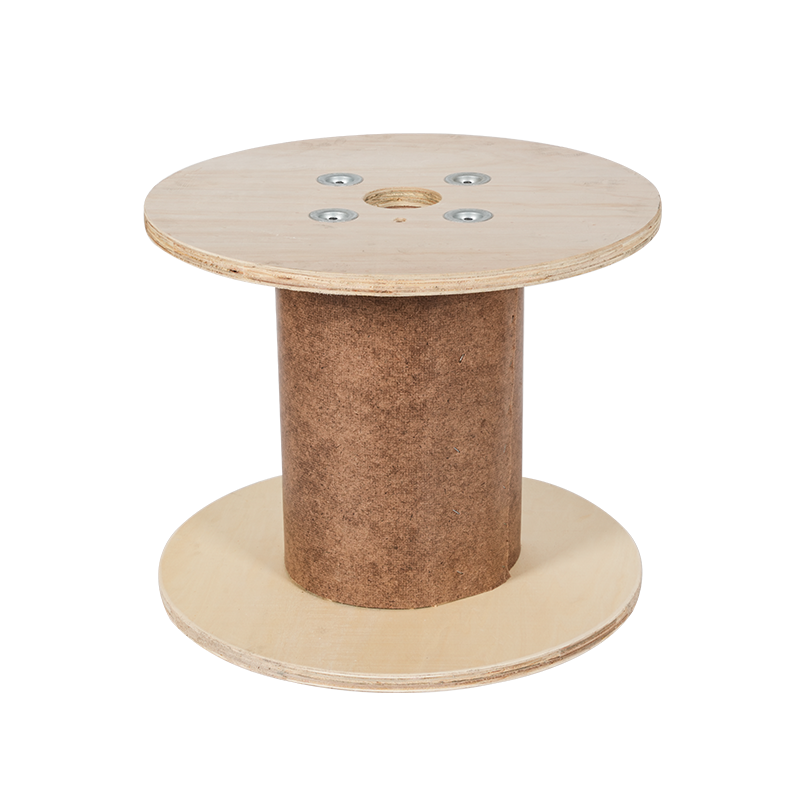
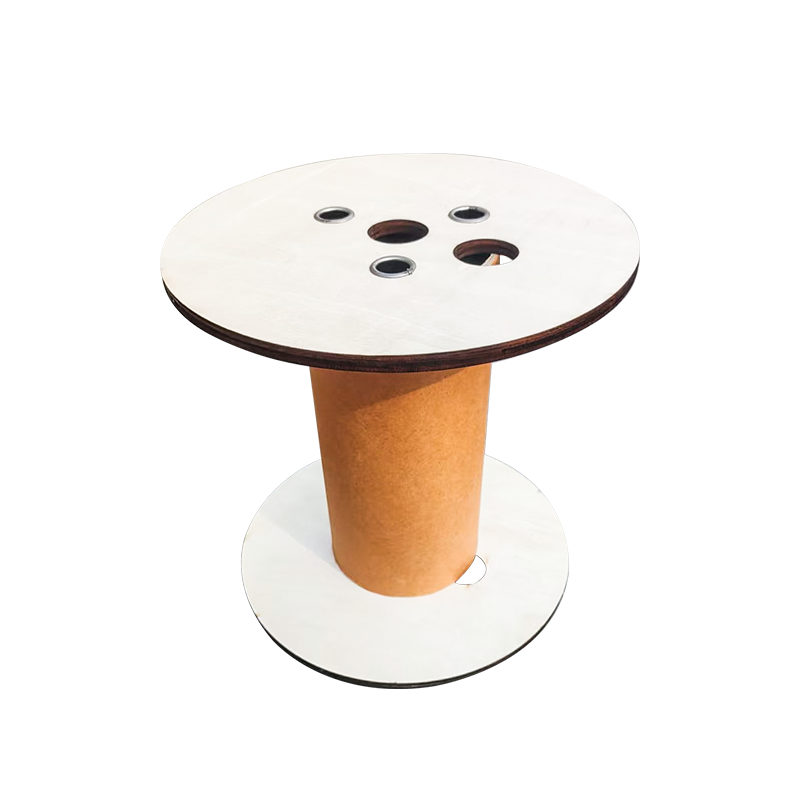
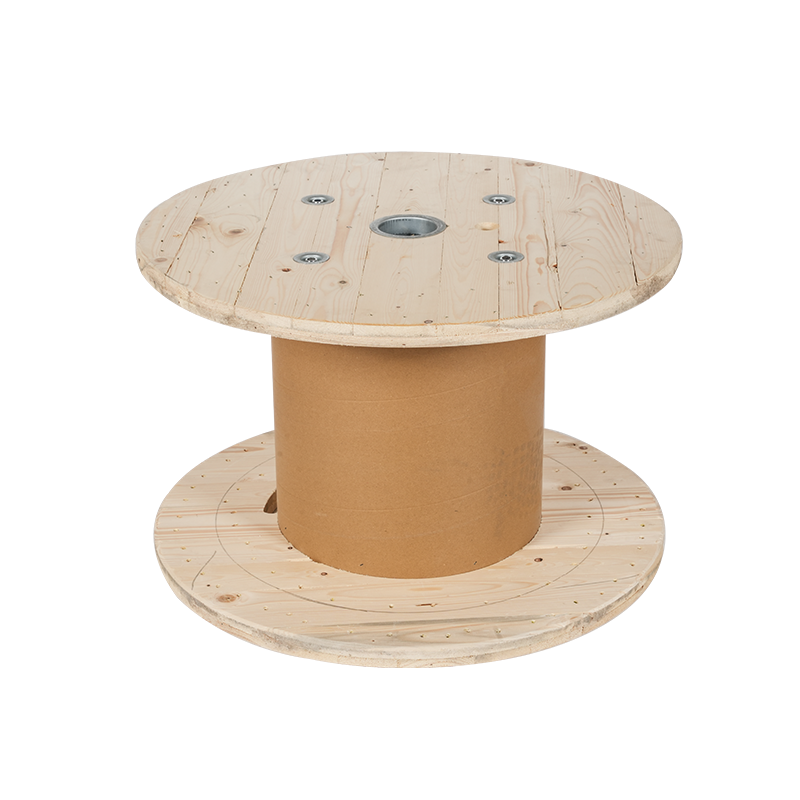
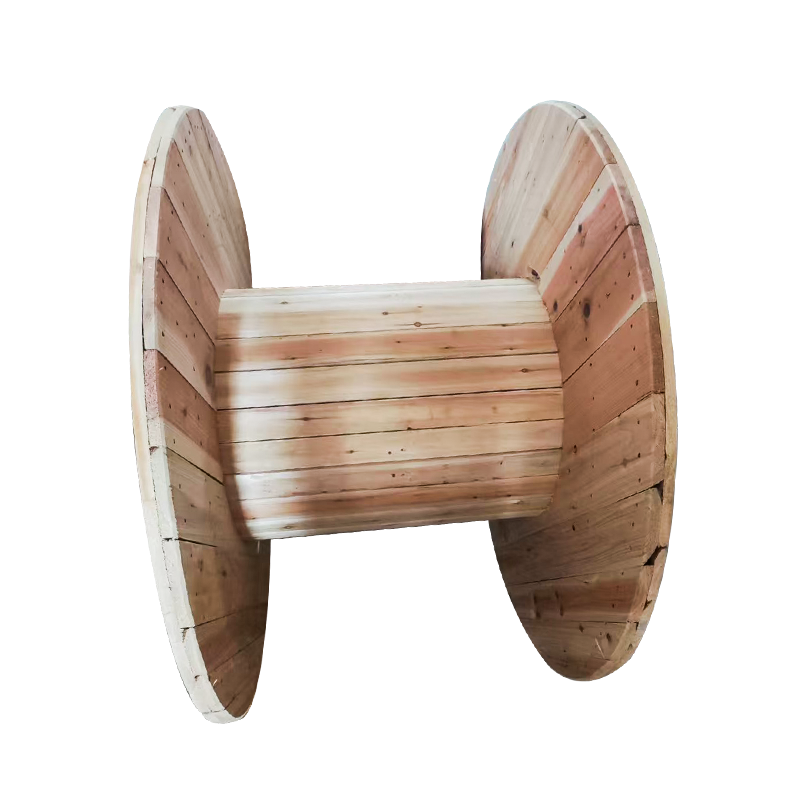
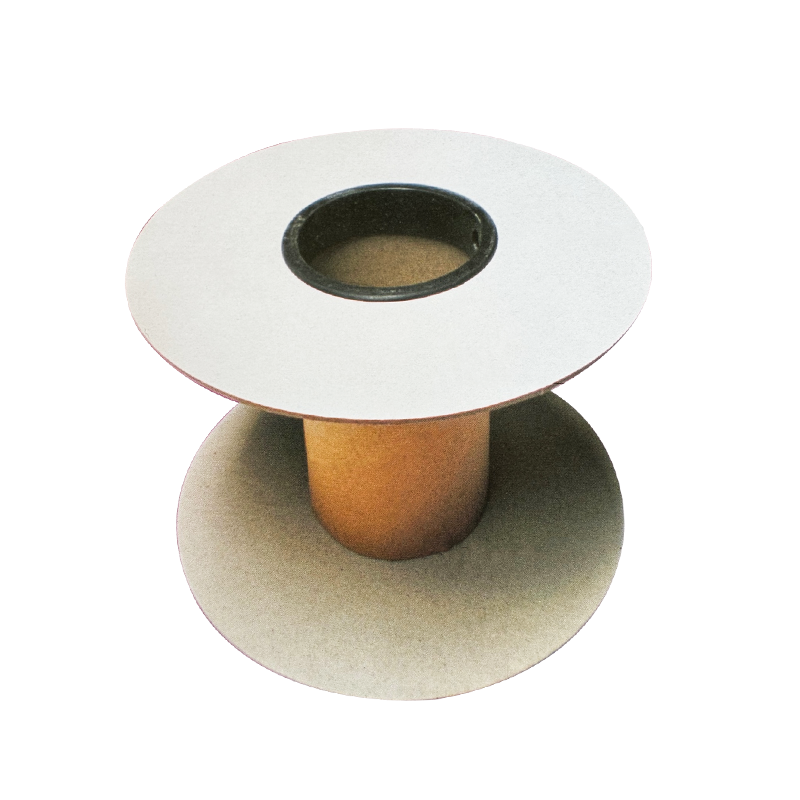
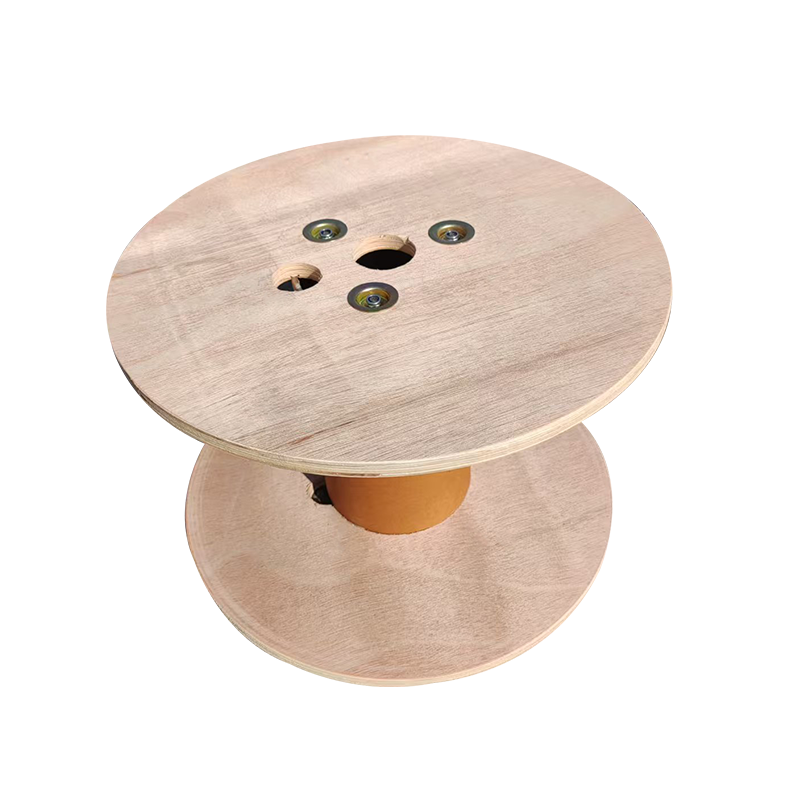
If you’ve ever driven past a construction site, visited a utility yard, or even browsed a quirky furniture store, you’ve likely seen them: sturdy, spool-like structures made of plywood and often marked with the logos of cable or electrical companies. These are plywood cable reels, and their primary, industrial purpose is undeniable. They are engineered to transport and store massive quantities of heavy cable efficiently and safely.
But once that cable has been unspooled and put to use, what becomes of the reel? For many, it’s seen as industrial waste, destined for the landfill or the chipper. However, a growing number of DIY enthusiasts, designers, and pragmatic homeowners are looking past the reel’s original function and seeing a versatile, robust, and often free or low-cost raw material.
Before we explore their second life, it’s crucial to understand what makes them so suitable for repurposing.
The Built-In Advantages of a Cable Reel
The very features that make these reels perfect for their industrial job also make them ideal for projects:
- Durability: Constructed from thick, layered plywood and often held together with heavy-duty steel bolts and rods, these reels are built to withstand immense weight and rough handling. This translates to furniture and structures that are virtually indestructible in a domestic setting.
- Structural Integrity: The circular shape and cross-bracing provide inherent strength and stability. The central spindle offers a natural focal point and structural anchor.
- Material Quality: The plywood used is typically industrial-grade, meaning it’s strong, free of knots (common in lower-grade lumber), and has a unique, layered aesthetic when sanded and finished.
- Cost-Effectiveness: Many utility companies are happy to give away used reels for free or a nominal fee to avoid disposal costs. This makes them one of the most affordable sources of high-quality wood available.
With these advantages in mind, let’s delve into the practical and creative ways these reels are being transformed.
From Industrial Spool to Domestic Statement: Popular Reuses
The most common realm for cable reel repurposing is in and around the home. Their size and shape naturally lend themselves to a variety of furniture and decor applications.
Furniture and Home Decor
- The Classic Coffee Table: This is arguably the most popular reuse. A smaller reel, often just a few feet in diameter, can be sanded smooth, given a coat of stain or paint, and fitted with a glass top (or left open) to create a unique and conversation-starting coffee table. Its height is often perfect for the purpose.
- Outdoor and Indoor Dining Tables: Larger reels can be transformed into substantial dining tables for patios, gardens, or even rustic-chic dining rooms. Their large surface area provides ample room for place settings, and their sturdiness ensures they can handle family gatherings.
- Desks and Workstations: A medium-sized reel offers a generous and unique desk surface. The central hole can even be utilized for cable management, feeding cords for computers and lamps down through the center to keep the workspace tidy.
- Versatile Seating and Surfaces: A single, thick slice from a reel can become a rustic stool or side table. Stacking two smaller reels can create a unique set of nested tables or a child’s play table.
Garden and Outdoor Applications
The durable, often weather-resistant nature of the plywood (depending on the original glue used) makes reels perfect for the garden.
- Planters and Raised Beds: By standing the reel on its edge and sealing the bottom with landscape fabric or wood, you instantly create a deep, multi-tiered planter. The different levels are perfect for a cascading flower display or a variety of herbs.
- Compost Bins: The open, slatted design of some reels allows for excellent air circulation, which is crucial for efficient composting. Stacking multiple reels can create a large, contained compost area.
- Garden Furniture and Umbrella Stands: A sturdy reel table becomes the perfect centerpiece for an outdoor seating area. The central spindle hole is an ideal spot for a patio umbrella, providing a stable and integrated base.
Thinking Outside the Reel: Creative and Niche Uses
Beyond furniture and gardens, the creative applications are nearly endless, limited only by imagination.
- Playground and Recreational Equipment: For schools, community centers, or adventurous families, reels can be transformed into sandbox covers, the bases for play structures, or even laid flat as a unique platform for a playhouse.
- Retail and Display Fixtures: Their industrial-chic aesthetic is highly sought-after in retail. They make excellent display tables for merchandise, platforms for mannequins, or unique shelving units in boutiques.
- Artistic Canvases and Sculptures: The large, circular face of a reel is a perfect canvas for murals, intricate paintings, or even chalkboard paint for a customizable message board. Artists have been known to use sections of reels in larger sculptural installations.
- Workshop Organization: In a garage or workshop, a reel can be a heavy-duty workbench base, a storage stand for large rolls of material, or a tool caddy.
Important Considerations Before You Start a Project
While the potential is exciting, it’s not as simple as just dragging a reel home and calling it a table. Responsible and safe repurposing requires some forethought.
- Sourcing: Contact local electrical suppliers, utility companies (like phone, cable, or power companies), or construction sites. Be polite and ask if they have any used reels they are looking to dispose of.
- Safety First – Inspection is Key: These reels have had an industrial life. Thoroughly inspect for any signs of chemical spills, oil stains, or embedded metal shards. If it looks contaminated, it’s best to avoid it.
- The Preparation Process: This is the most labor-intensive part.
- Disassembly: Carefully remove the steel bolts and rods. This often requires serious wrenches and some muscle.
- Sanding: The wood is usually rough and may have stamped-on logos or dirt. A power sander is highly recommended to achieve a smooth surface.
- Finishing: Apply a sealant, stain, or paint suited to your project. For outdoor use, a robust outdoor sealant or paint is essential to protect the wood from the elements.
Conclusion: A Second Life Awaits
The plywood cable reel is a prime example of industrial design that holds immense potential beyond its intended lifespan. While it will always be the workhorse of the cable industry, its journey doesn’t have to end at the landfill. With a little vision, effort, and respect for the material, these robust structures can be reborn as beautiful, functional, and enduring pieces for our homes, gardens, and communities. So, the next time you see one waiting by a dumpster, look closer—you might just be looking at your next dining table, garden planter, or artistic masterpiece.

 Cable Reel Manufacturers, Cable Packaging Reel Factory

 English
 中文简体
中文简体