May 21, 2026
Content
A single wrong drum choice can mean kinked cables, failed inspections, or a $50,000 shipment held at customs. Cable drums and cable reel drums are the unsung infrastructure of every power, telecom, and industrial project — and the decision deserves more than a price comparison.
The terms are often used interchangeably, but there's a practical distinction worth knowing. A cable drum typically refers to a large-format spool used to transport and dispense heavy power cables on job sites — flanges are wide, the barrel is deep, and the unit is designed to roll or be lifted by machinery. A cable reel drum is a broader category that includes smaller winding devices used in factories, telecom networks, and automation systems.
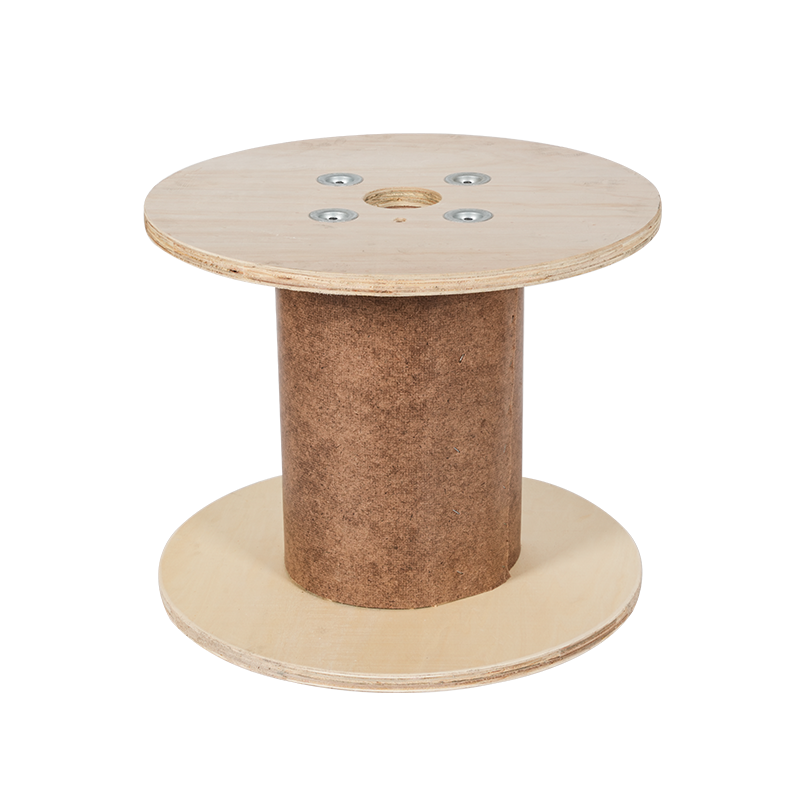
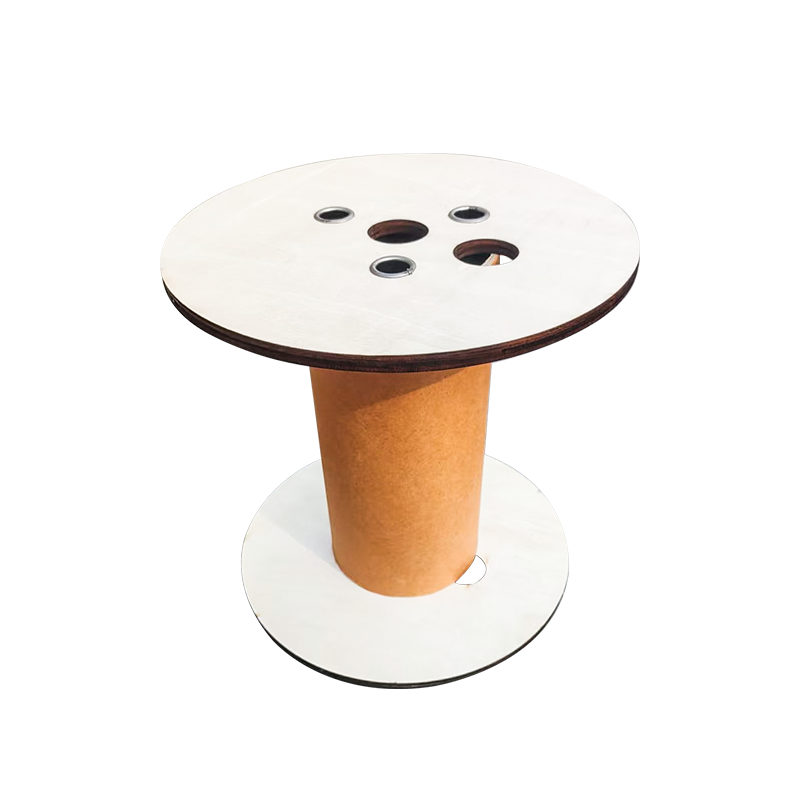
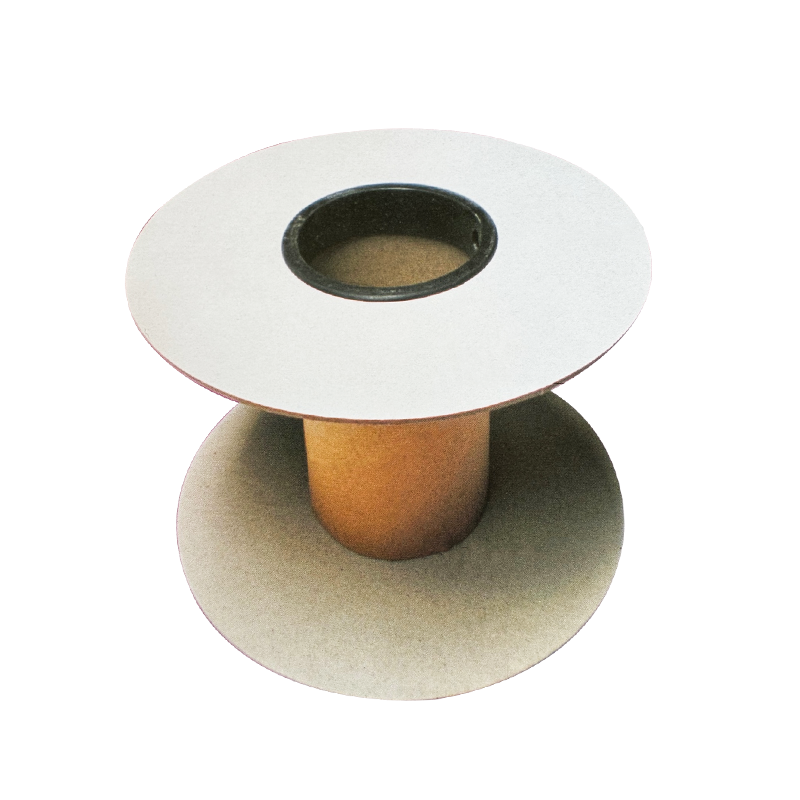
Both share the same anatomy: two flanged end plates (cheeks), a cylindrical barrel (the traverse), and a central axle or core tube. What varies is the material, size, and load rating — and that's where the selection decision starts.
Material choice is the first filter when specifying a cable reel drum. Each option has a distinct performance profile:
| Material | Best For | Key Advantage | Limitation |
|---|---|---|---|
| Plywood | Medium-to-heavy cables, export | High strength-to-weight ratio, customizable | Moisture-sensitive if uncoated |
| Fumigated Solid Wood | International shipping, power cables | ISPM-15 compliant, structurally robust | Heavier than plywood |
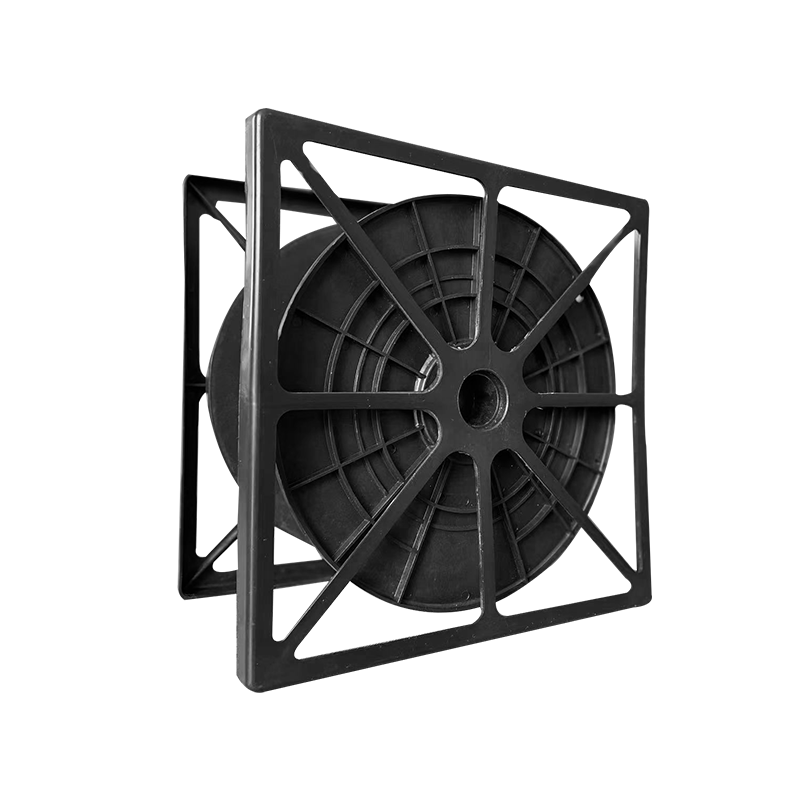
| Plastic | Indoor/cleanroom, fiber optics | Corrosion-proof, moisture-resistant | Lower load capacity |
| Paper | Thin cables, optical fiber export | Lightweight, fumigation-free, recyclable | Not suited for outdoor heavy use |
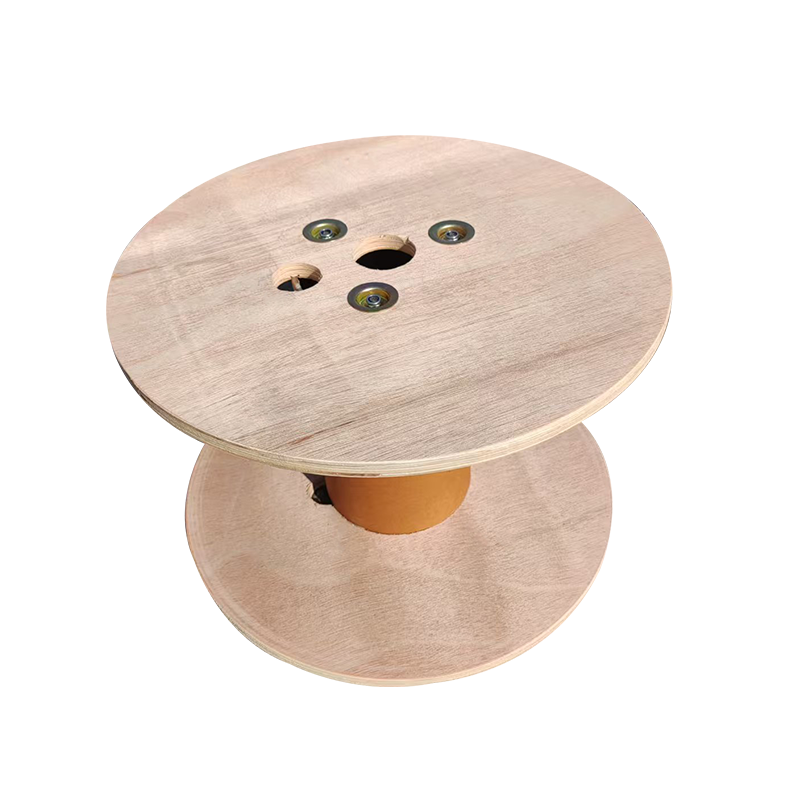
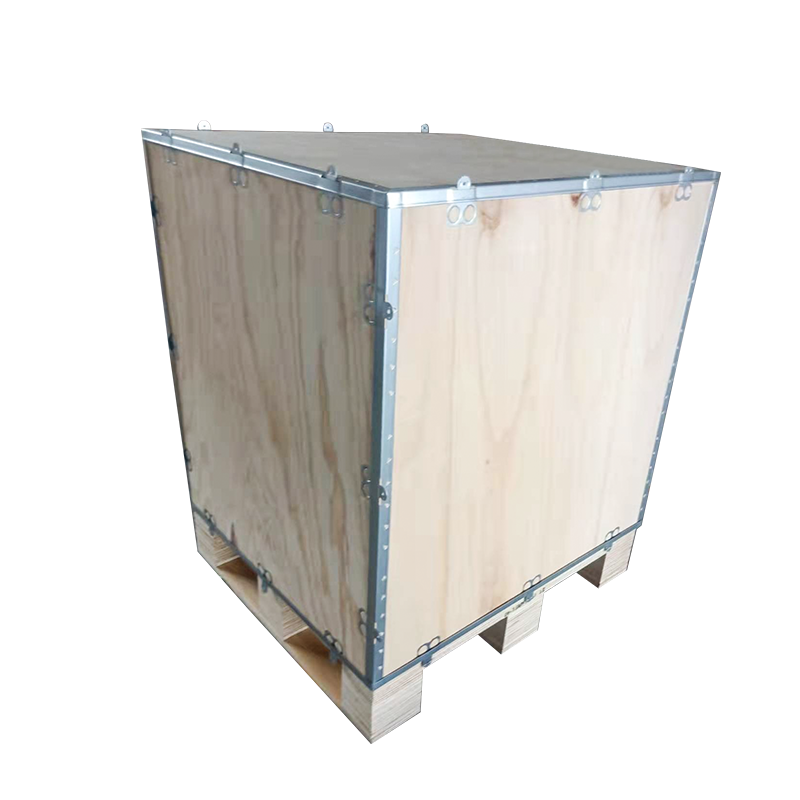
Plywood cable reels — such as the Bleached Poplar Plywood Large Cable Reel and the Okoume Panel variants available from plywood cable reel product lines — are the most versatile option for industrial exporters. Poplar plywood delivers a strong, consistent grain structure; Okoume panels offer a lighter alternative with excellent surface finish for branding or printing.
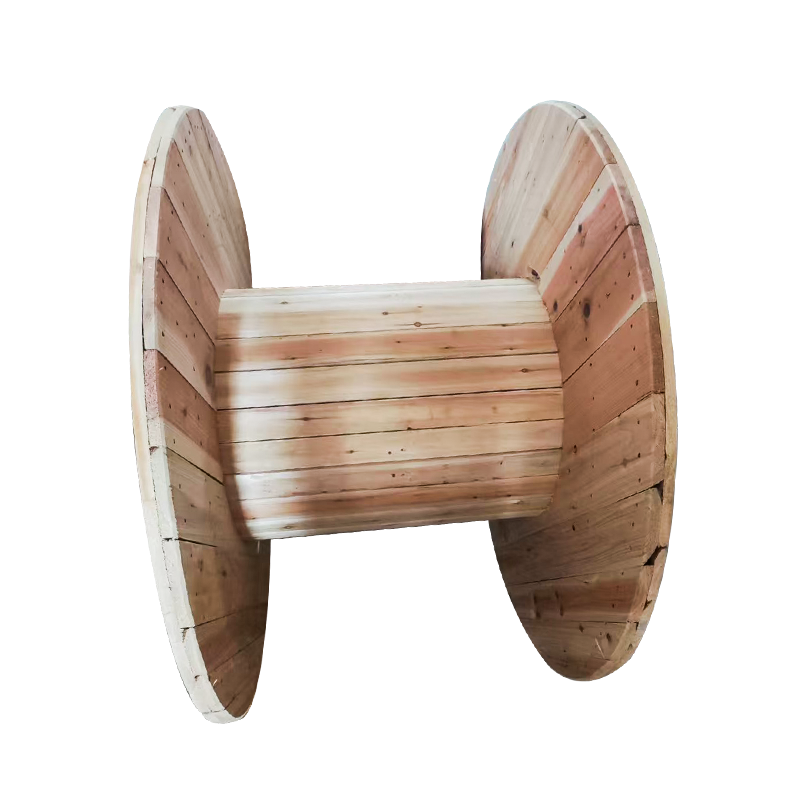
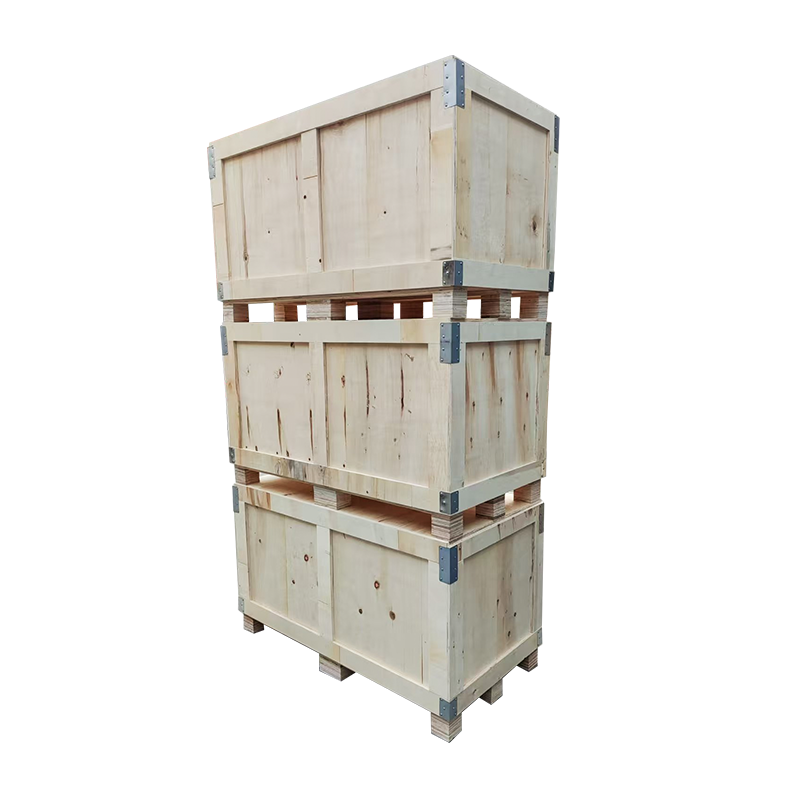
Fumigated solid wood reels are mandatory for shipments entering countries that enforce ISPM-15 phytosanitary standards — essentially most of North America, Europe, and Australia. Imported Spruce and Cryptomeria Fortunei are two wood species used for their density and resistance to deformation under load. See the fumigated solid wood cable reel range for specification details.
Ordering a cable reel drum without locking down these parameters is how costly mistakes happen:
Most reputable suppliers can customize all of the above. Surface treatments — lamination, color printing, laser engraving, screen printing — can also be applied, which is useful for cable manufacturers embedding brand identity directly into their packaging.
The cable rarely fails in the field — it fails in transit. The three most common damage scenarios with cable drums are flange cracking under fork pressure, barrel deformation from improper stacking, and moisture ingress that swells wooden components and loosens assembly joints.
Practical countermeasures:
If you're exporting internationally and the destination country enforces wood import standards, fumigated solid wood or fumigation-free paper/plastic are your only compliant options. Within that constraint:
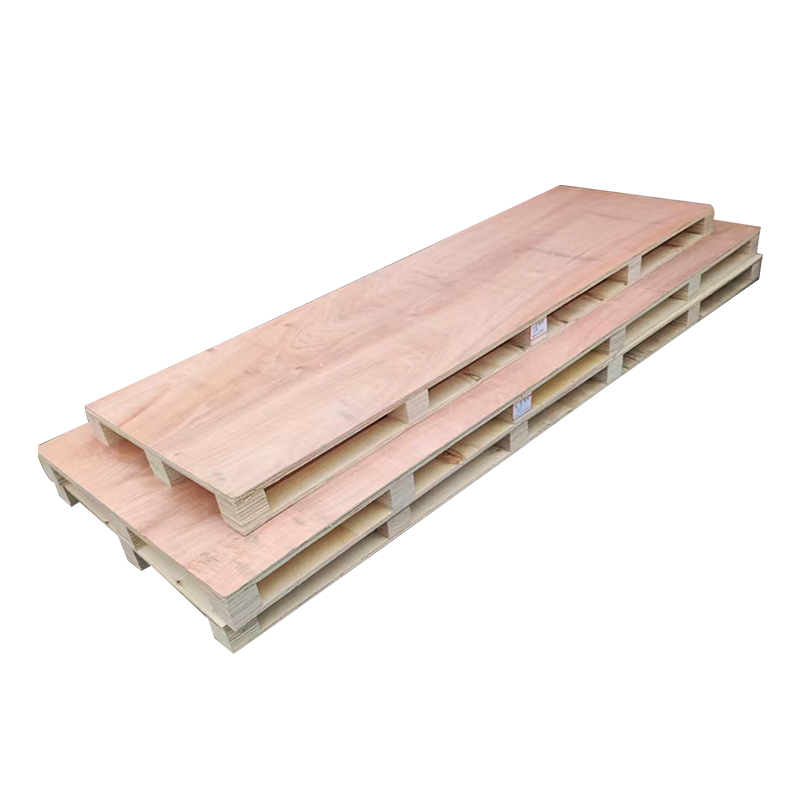
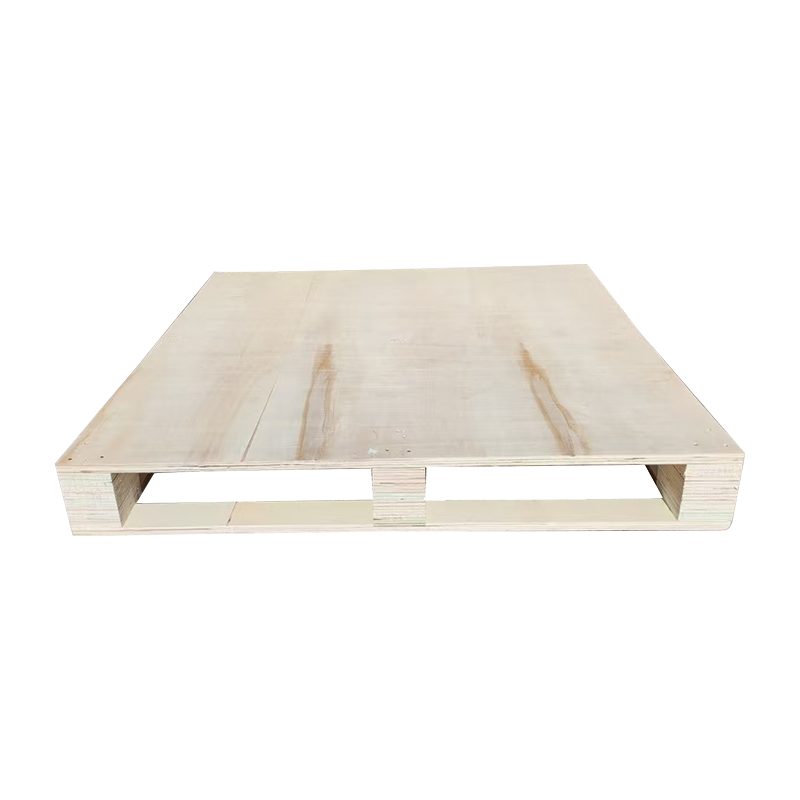
For most power cable manufacturers shipping to Europe or the Americas, a fumigated solid wood reel (spruce or cryptomeria) paired with a plywood pallet remains the industry default — balancing compliance, load rating, and cost.
The specification sheet tells you what a drum is. The right questions tell you whether it will perform:
A supplier that answers these clearly — with data, not generalities — is one worth working with. Hangzhou Lin'an Yimin Cable Reel Factory, for instance, covers the full range from wholesale cable drum supply to custom-spec production, with wood, plastic, and paper options under one roof.
Cable drums are not a commodity purchase. The right reel protects thousands of meters of cable, keeps your shipment compliant at customs, and ensures safe unreeling on site. Match material to environment, verify specs against your cable's bend radius, and always confirm phytosanitary compliance before international shipping. Get those three things right, and the drum becomes invisible — exactly what good packaging should be.
Related Products

Contact us
Address
No. 19, Hualong Industrial Park, Linglong Street, Lin'an District, Hangzhou City, Zhejiang Province, China
Phone
+86-13357115977
QR CODE
 Cable Reel Manufacturers, Cable Packaging Reel Factory

 English
 中文简体
中文简体