May 15, 2026
Content
A cable reel that carries your logo, safety warnings, and product specs printed directly on its surface is no longer a luxury—it's rapidly becoming the standard expectation across power, telecom, and construction supply chains. The color printing cable reel solves a practical problem: how do you protect a high-value cable, identify it instantly, and reinforce your brand—all at the same time?
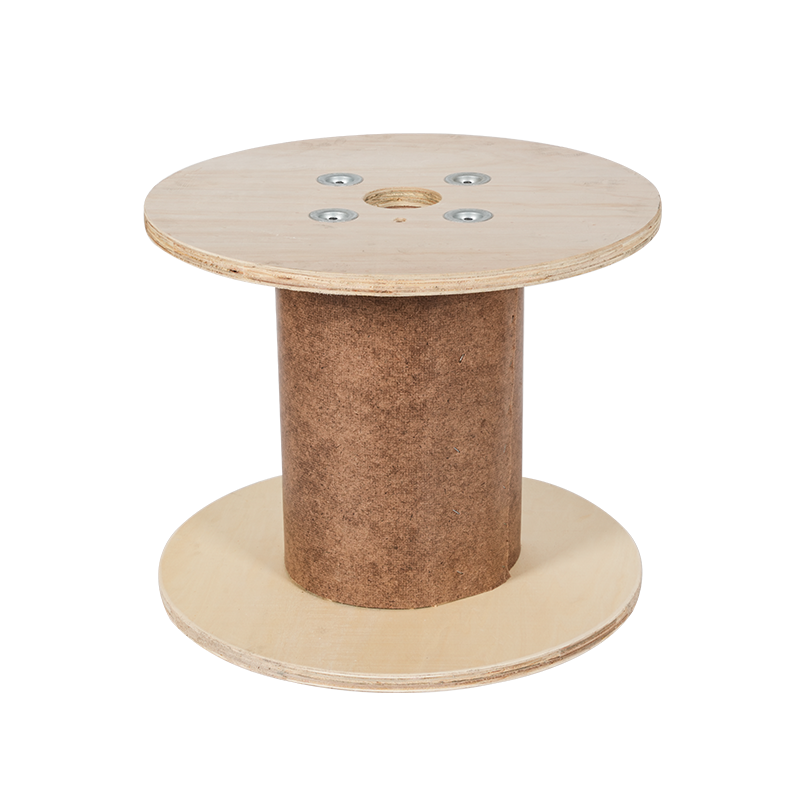
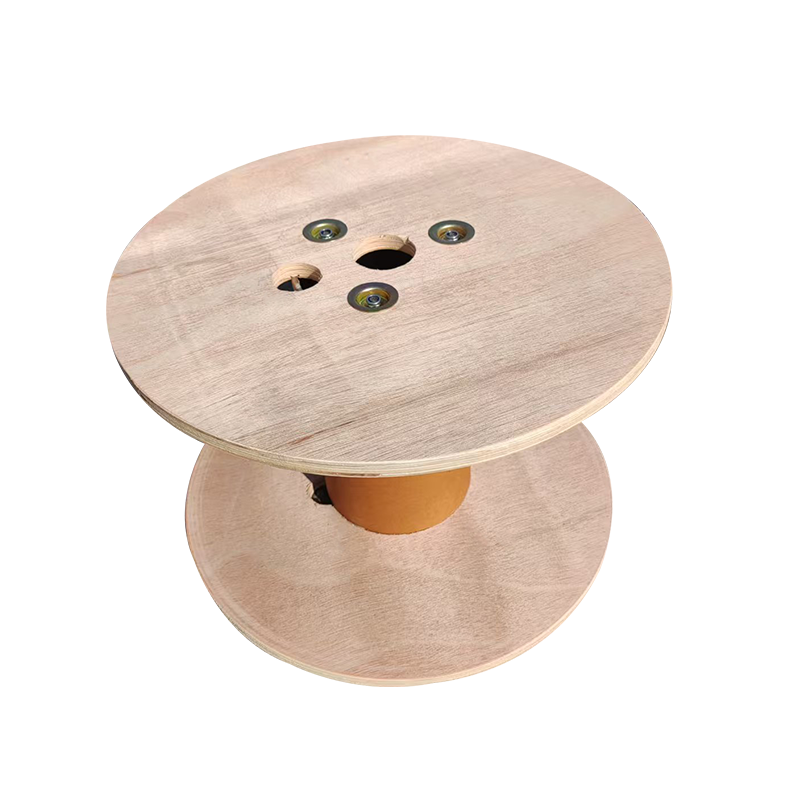
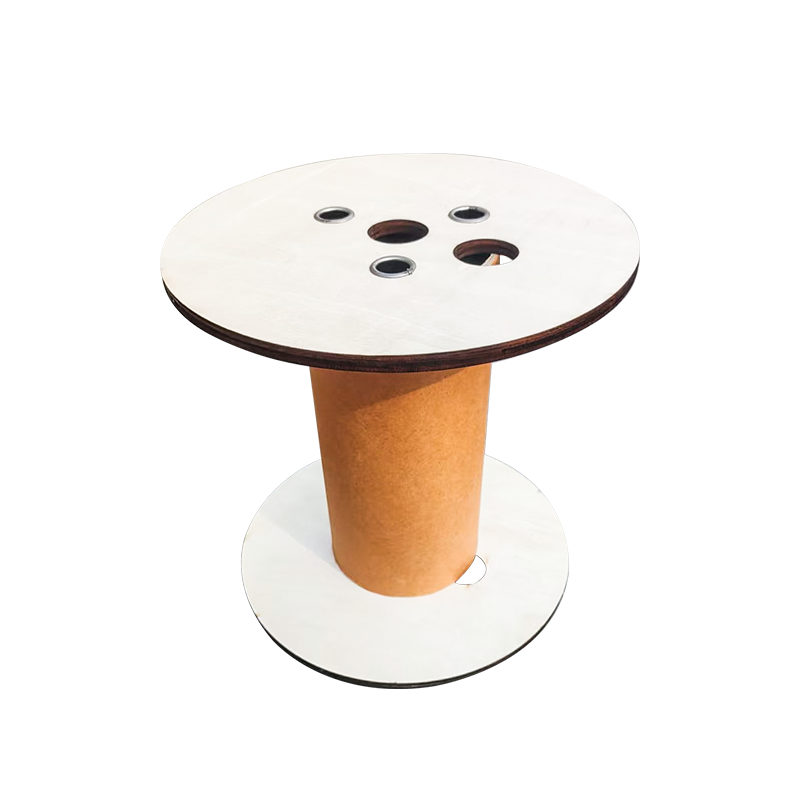
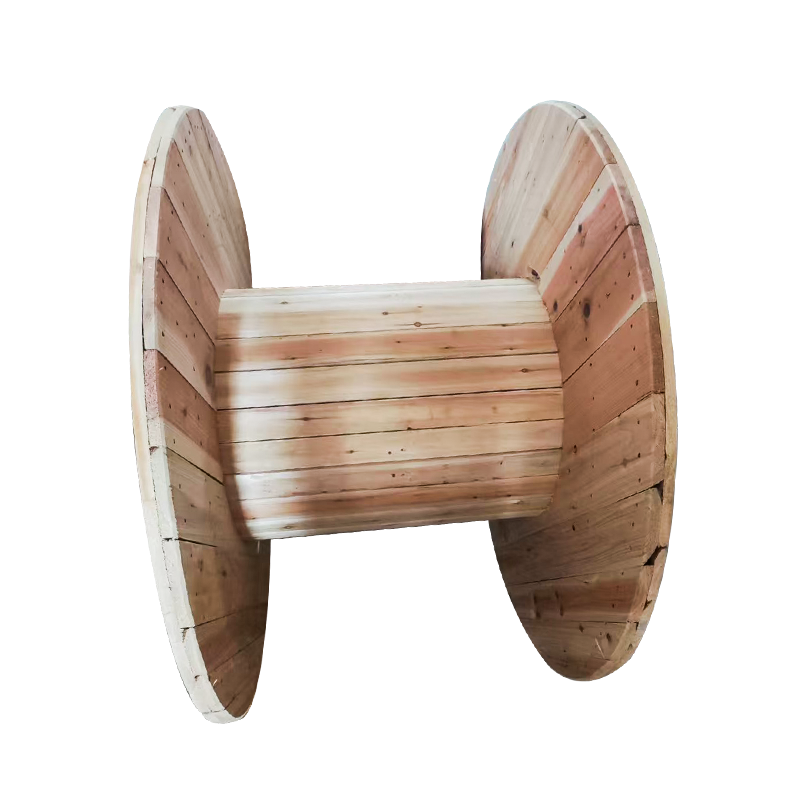
At its core, a color printing cable reel combines structural packaging with surface communication. The reel body—whether wood, paper, or plastic—handles the mechanical job: bearing cable weight, absorbing handling stress, and surviving transport vibration. The printed surface handles everything else.
Full-color, high-resolution graphics can carry a company logo, product codes, voltage ratings, length markings, QR codes linking to installation guides, multilingual safety warnings, and destination labels. All of this sits directly on the reel flange and barrel, eliminating the need for separate adhesive labels that peel, tear, or fade in warehouse conditions.
The result is a single object that functions as packaging, identification tag, and brand asset simultaneously.
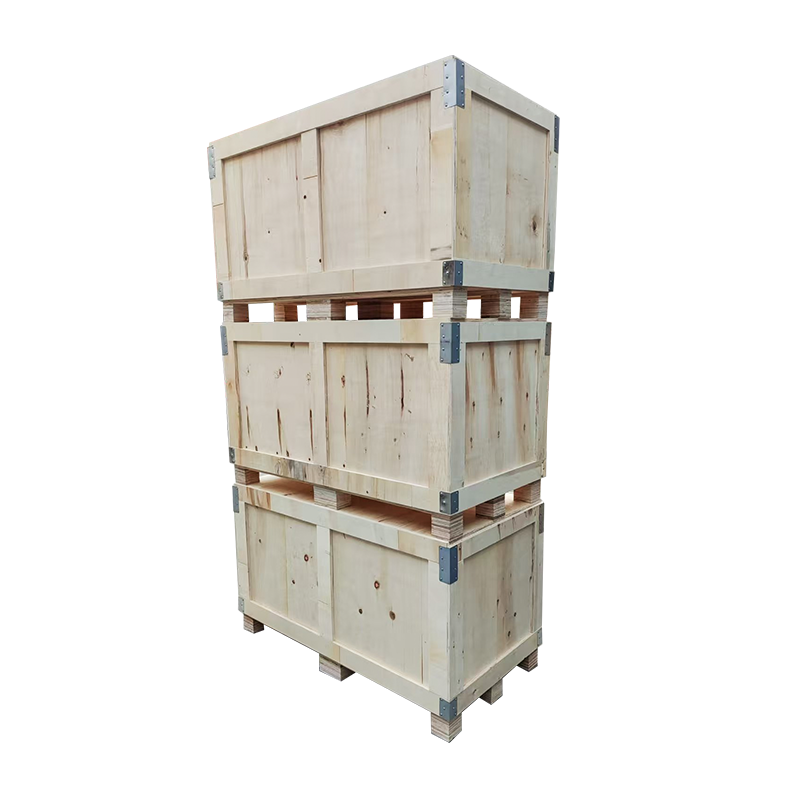
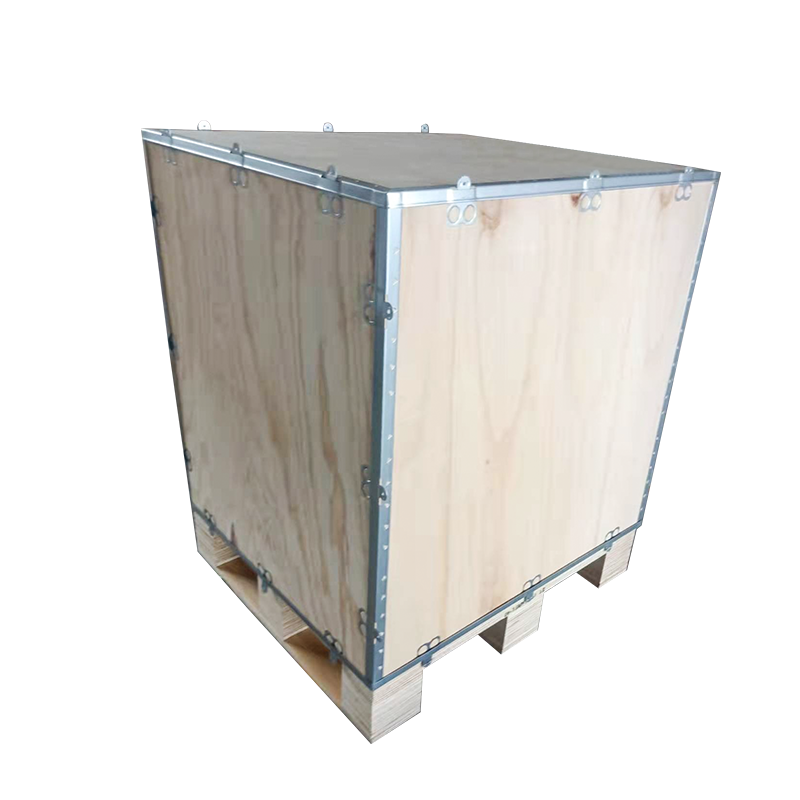
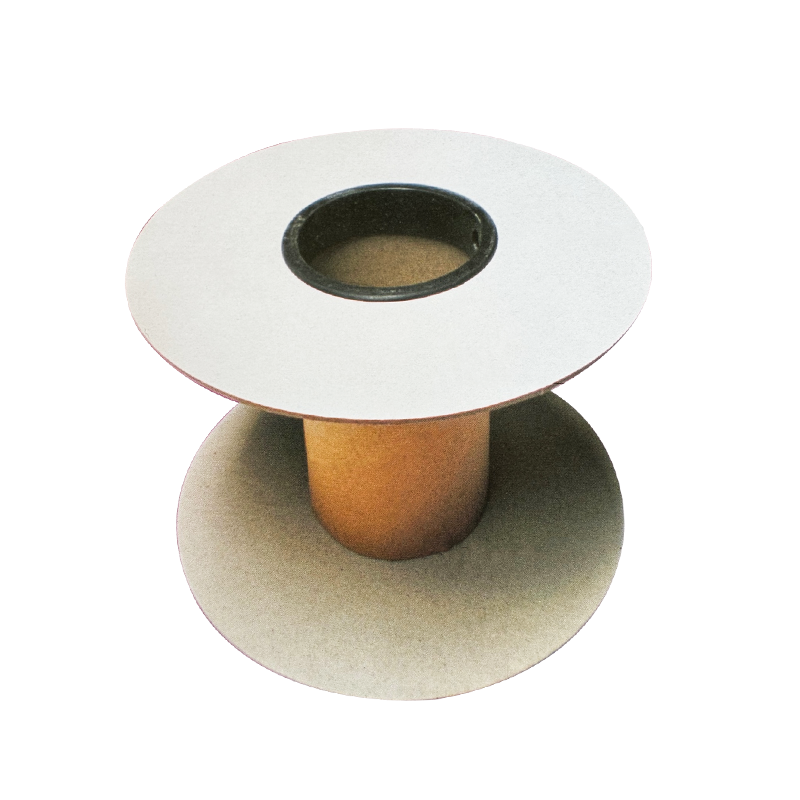
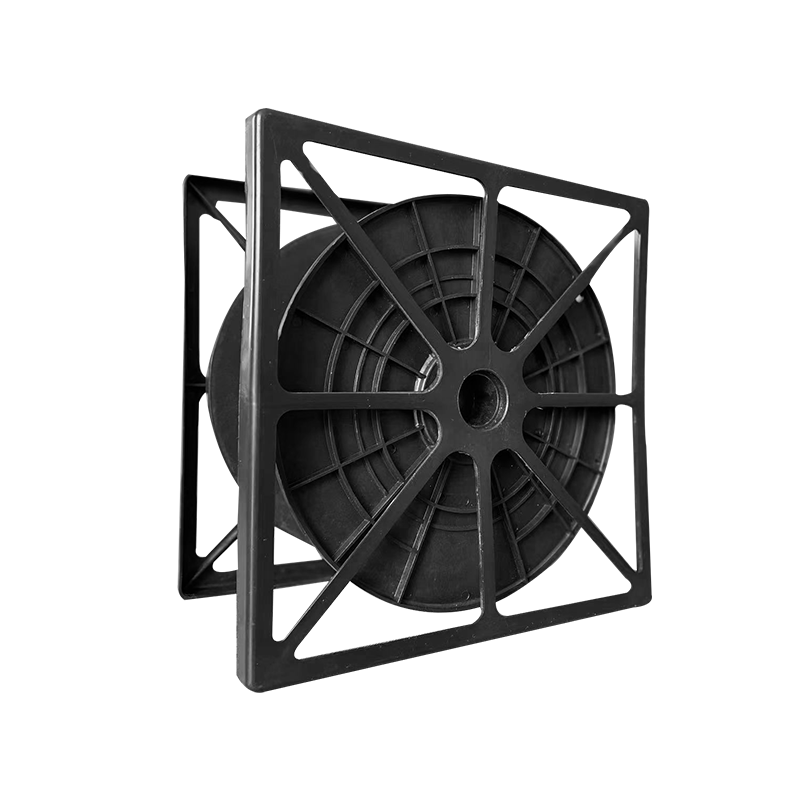
Material choice drives both print quality and total cost. The three main options each have a clear use case:
For most export-oriented cable manufacturers, plywood remains the dominant choice—cost-effective, printable, and strong enough for sea freight.
The business case for color printing goes well beyond looking professional on a shelf. Three practical gains stand out:
Traceability. A QR code or barcode printed on the reel flange lets warehouse staff, logistics teams, and end installers scan product information without opening packaging or searching for a paper certificate. In large infrastructure projects where dozens of cable types arrive simultaneously, this saves significant sorting time and reduces mislabeling errors.
Label elimination. Adhesive labels applied after the fact are a weak point: they shift during transit, peel in humidity, and fall off entirely in cold storage. Printed-on information is permanent and tamper-evident.
Brand presence at the job site. A reel bearing a manufacturer's colors and logo is visible throughout the installation process—to the client, to subcontractors, and to inspectors. This matters particularly in competitive B2B markets where the product is identical but the perceived professionalism is not.
Getting the print right requires clarity on four points before production begins:
A useful shortcut: match reel material to cable weight and cycle frequency. Light wire on a one-way journey to a retail customer → paper reel with full-color offset print. Medium-weight power cable going to a construction site → plywood reel with UV-printed logo and product data. Heavy armored cable or submarine cable on a returnable drum program → plastic drum with molded or screen-printed identification.
The full range of cable drum and reel options spans all three material categories and supports custom color printing across each, so the choice reduces to an honest assessment of cable weight, transit conditions, and whether the reel needs to make a return trip.
Color printing on a cable reel is one of the lowest-cost, highest-visibility upgrades a cable manufacturer or distributor can make to their packaging. The tooling investment is modest; the operational and brand benefits compound across every shipment.
Related Products

Contact us
Address
No. 19, Hualong Industrial Park, Linglong Street, Lin'an District, Hangzhou City, Zhejiang Province, China
Phone
+86-13357115977
QR CODE
 Cable Reel Manufacturers, Cable Packaging Reel Factory

 English
 中文简体
中文简体