Nov 14, 2025
Content
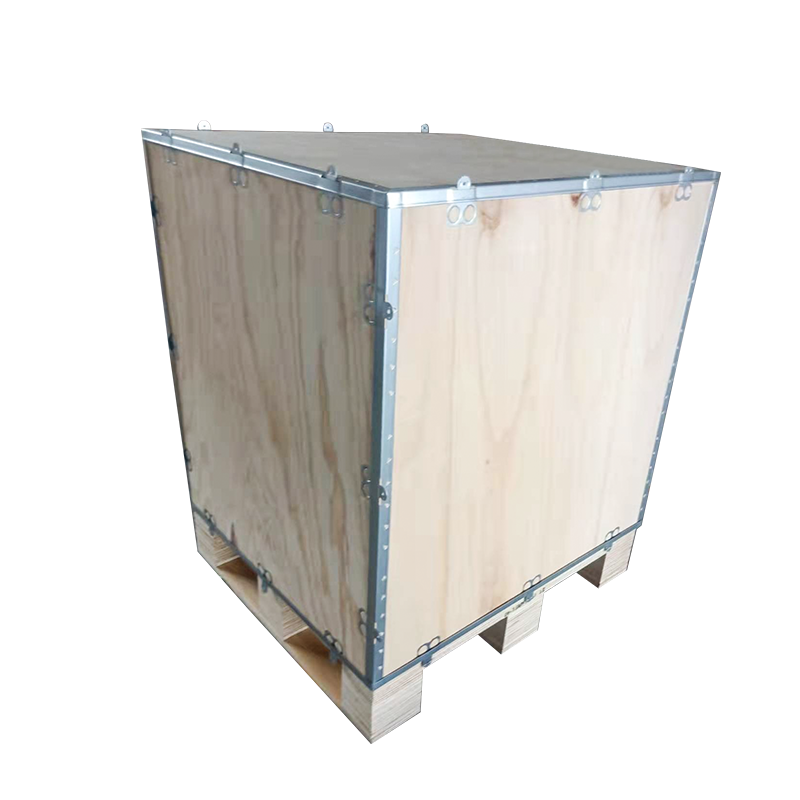
In the logistics and packaging industry, ensuring that products arrive safely at their destination is a constant concern. Whether shipping delicate instruments, machinery components, or consumer goods, packaging must provide reliable protection against vibration, shock, and impact during transit. One solution that has gained attention for its robustness and versatility is the High Strength Plywood Box. But just how well can it withstand the rigors of transport, including continuous vibration and occasional impacts?
Before assessing how well a High Strength Plywood Box performs, it helps to understand what types of stresses occur during transportation. Every stage of logistics—loading, moving, stacking, and unloading—subjects packaging to mechanical forces.
A packaging solution must resist all these mechanical stresses while preserving the product’s condition and ensuring safety.
The High Strength Plywood Box is designed to provide structural durability far beyond that of standard cardboard cartons or low-grade wooden crates. Its strength comes from several key design characteristics:
High-strength plywood is made by bonding multiple thin veneer sheets together, with each layer’s grain direction alternating. This cross-grain construction dramatically improves dimensional stability and distributes stress evenly. It reduces the risk of splitting, warping, or cracking when subjected to external vibration or shock.
The veneers in a High Strength Plywood Box are bonded with industrial-grade adhesives under heat and pressure. This process forms a dense, cohesive panel that resists delamination even under heavy stress or repeated vibration cycles.
Most High Strength Plywood Boxes incorporate reinforced corners and edges using additional plywood or hardwood framing. These reinforcements help absorb shocks, especially at the impact points that often experience the greatest stress during transport.
Unlike simple nailed crates, many plywood boxes are built with steel fasteners, screws, or metal corners that enhance joint stability. Tight, precision-cut joints distribute impact energy more evenly, reducing localized strain and preventing deformation.
Plywood panels have a uniform density and slight flexibility, which allows them to flex rather than shatter upon impact. This makes a High Strength Plywood Box an effective shock absorber during transport, especially when paired with interior cushioning.
The durability of a High Strength Plywood Box is not left to assumption. Many manufacturers conduct standardized tests to ensure compliance with international packaging standards. These tests simulate real-world conditions to evaluate performance.
In vibration tests, boxes are mounted on platforms that simulate vehicle movement at various frequencies. The goal is to determine whether the joints, panels, or fasteners loosen over time and whether the contents remain protected. High-quality plywood boxes generally pass these tests with minimal structural degradation.
Drop tests involve releasing the box from different heights and angles to assess its shock absorption capacity. A High Strength Plywood Box is usually able to withstand repeated drops from standard handling heights (e.g., 0.5–1.5 meters) without breaking or compromising its contents.
Since vibration and impact often occur while boxes are stacked, compression tests evaluate a box’s ability to bear vertical loads without collapsing. Plywood’s layered construction makes it particularly resistant to compression.
Many High Strength Plywood Boxes are manufactured to meet ISPM-15 standards, which govern wood packaging materials used in international trade. This ensures that boxes are properly treated against pests and maintain integrity throughout long-distance transport.
To understand why a High Strength Plywood Box performs well, it’s helpful to compare it to other packaging materials:
| Material | Vibration Resistance | Impact Resistance | Durability |
| Cardboard | Low | Very Low | Weak under moisture or repeated handling |
| Plastic | Moderate | Moderate | Can crack or deform under heavy impact |
| Low-grade wood | Moderate | Moderate | May split or warp; joints can loosen |
| High Strength Plywood Box | High | High | Excellent strength, rigidity, and reusability |
This comparison highlights why plywood boxes are favored in industries where reliability is non-negotiable, such as aerospace, automotive, and industrial machinery shipping.
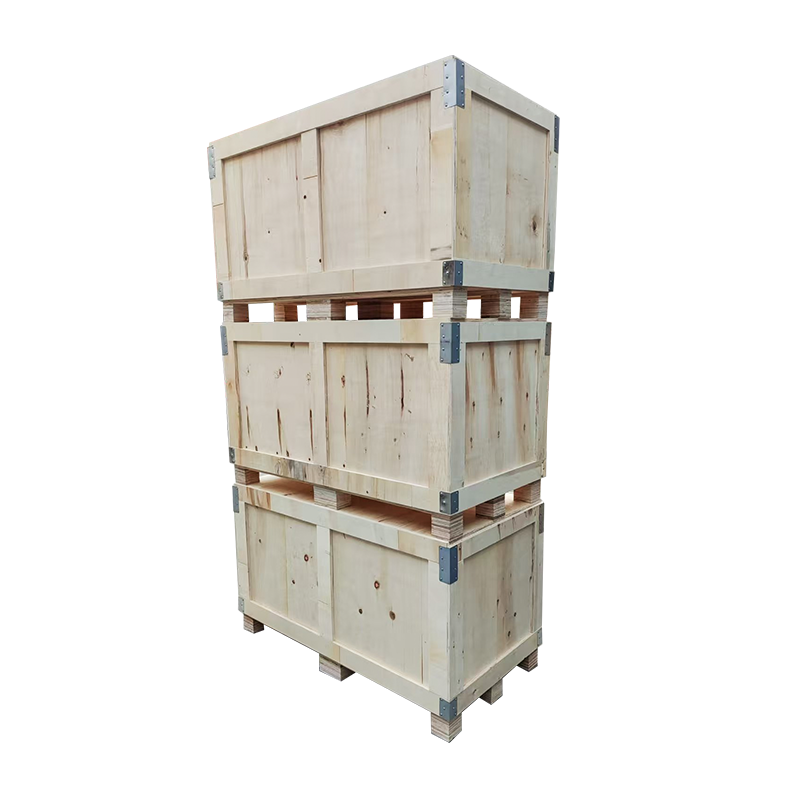
Even though the High Strength Plywood Box is tough, proper internal cushioning plays a crucial role in overall protection. To resist vibration and impact effectively, the packaging system should be viewed as a combination of outer strength and inner support.
Polyurethane or polyethylene foam inserts cushion the product from vibration. They also prevent direct contact with the box’s inner surface, reducing the risk of scratches or dents.
For high-value or delicate equipment, some plywood boxes include built-in shock-absorbing mounts or suspension cradles. These systems isolate the contents from external movement.
Weight should be evenly distributed inside the box. An unbalanced load can amplify the effects of vibration or cause the box to tip or stress one side excessively.
Tight seals and strapping prevent box deformation and minimize shifting during motion. When the box remains rigidly sealed, the panels absorb and distribute impact more effectively.
The High Strength Plywood Box is a standard packaging solution in sectors that handle high-value or sensitive cargo. Its resistance to vibration and impact makes it indispensable in:
In all these cases, the High Strength Plywood Box is not only a container but a protective structure that acts as a barrier between fragile cargo and unpredictable transport conditions.
While plywood’s natural strength is impressive, the performance of a High Strength Plywood Box also depends on several design and environmental factors:
Attention to these details ensures that the box performs as intended during transportation.
One of the major advantages of a High Strength Plywood Box is reusability. If properly maintained, it can endure multiple shipment cycles without losing structural integrity.
To maximize longevity:
With proper care, these boxes can serve as cost-effective long-term assets rather than disposable containers.
Many businesses today are also concerned about the environmental impact of packaging. Fortunately, the High Strength Plywood Box is relatively sustainable. Plywood is made from thin veneers of fast-growing trees, making efficient use of raw material. Moreover, its long service life reduces waste generation compared to single-use packaging.
When it reaches the end of its life, a High Strength Plywood Box can often be recycled or repurposed—either broken down for wood fiber or used in secondary applications like storage, shelving, or pallet repair.
So, can a High Strength Plywood Box withstand vibration or impact during transport?
The evidence overwhelmingly says yes—and for good reason.
Its cross-laminated construction, reinforced joints, and high mechanical strength make it one of the most dependable packaging options for demanding transport conditions. When combined with appropriate internal cushioning, it protects contents from continuous vibration, sudden shocks, and compressive forces that occur during transit.
For industries where precision, safety, and reliability matter, the High Strength Plywood Box offers peace of mind and practical value. It stands as a robust, eco-conscious, and reusable solution capable of enduring the journey from warehouse to destination—without compromise.
Related Products

Contact us
Address
No. 19, Hualong Industrial Park, Linglong Street, Lin'an District, Hangzhou City, Zhejiang Province, China
Phone
+86-13357115977
QR CODE
 Cable Reel Manufacturers, Cable Packaging Reel Factory

 English
 中文简体
中文简体