Nov 07, 2025
Content
Paper cable reel is widely used in industries for storing and transporting various types of cables. They are lightweight, cost-effective, and environmentally friendly, making them a popular alternative to wooden or plastic reels. However, due to their paper-based construction, these reels can be prone to collapsing under excessive load or improper handling. Preventing a paper cable reel from collapsing is essential for protecting both the cables and the safety of personnel.
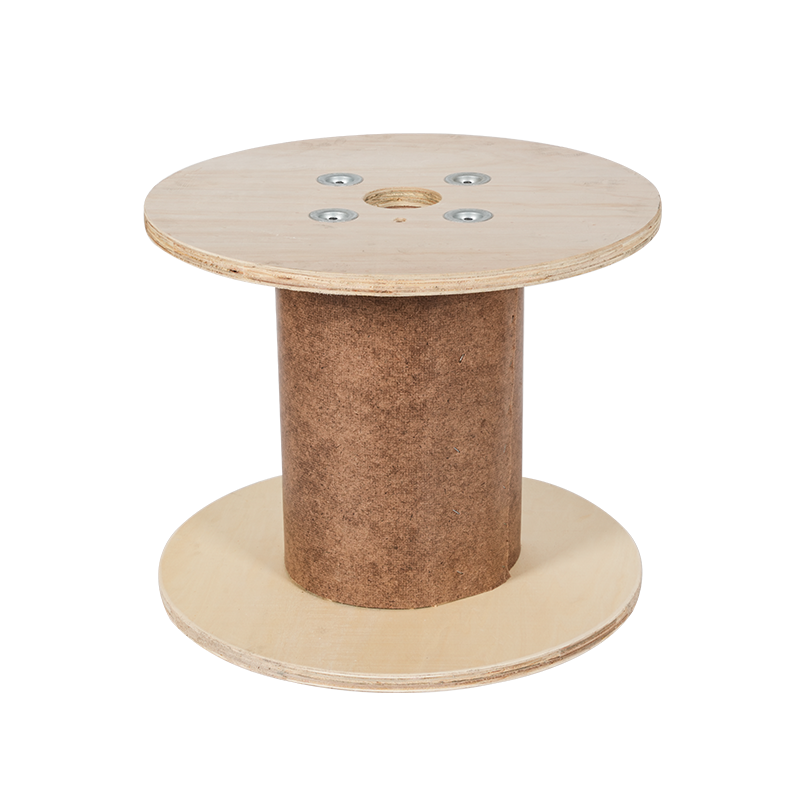
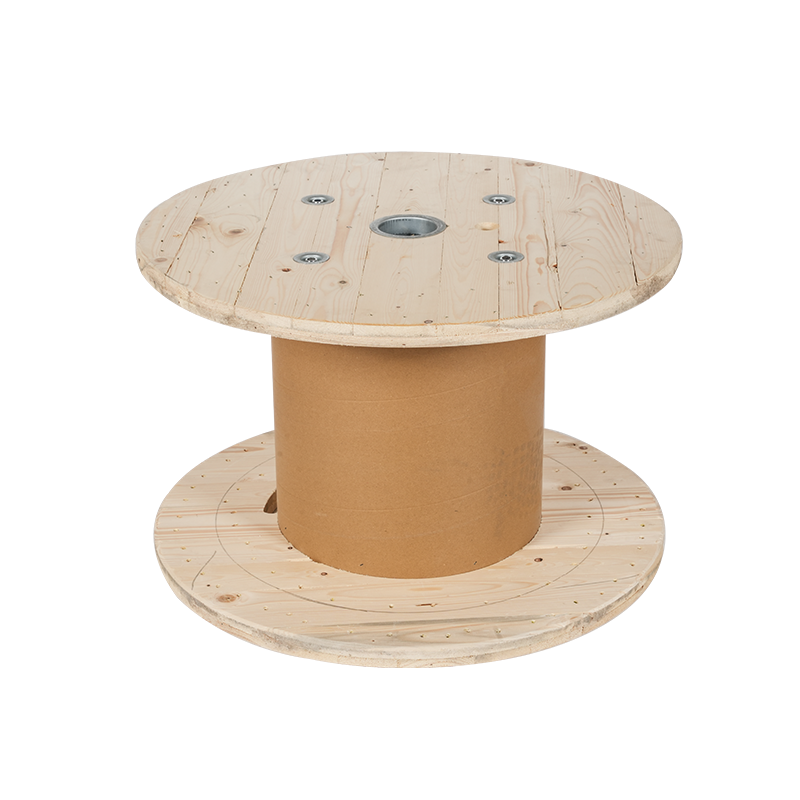
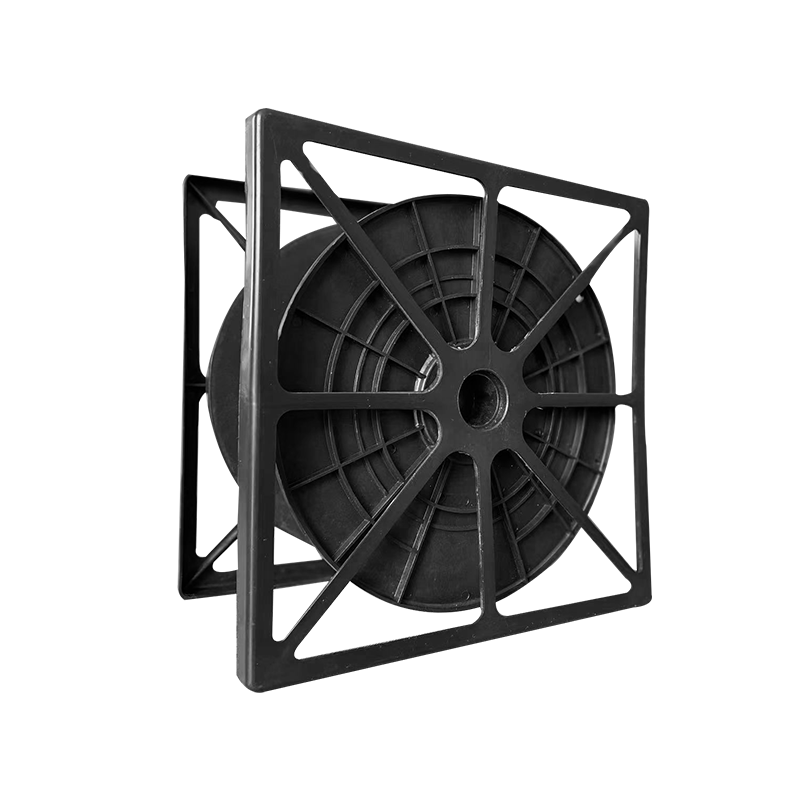
A paper cable reel typically consists of three main components: the cylindrical core, the flanges (discs on either side), and the hubs that connect the core to the flanges. The core is usually made of tightly wound paper tubes, reinforced with adhesives, while the flanges are made of compressed paperboard or laminated layers. The reel’s strength depends on the quality of the materials, the thickness of the core and flanges, and the construction technique.
Although paper cable reels are surprisingly strong for their weight, they are not as resilient as wooden or steel reels. Excessive cable weight, uneven distribution, moisture exposure, and improper handling can compromise their structural integrity. Understanding these risk factors is the first step in preventing reel collapse.
Several factors can lead to a paper cable reel collapsing under load:
By identifying these risk factors, users can adopt preventive measures that extend the life of the reel and protect the cables it holds.

The most straightforward way to prevent collapse is to adhere to the manufacturer’s recommended load limits. Paper cable reels usually have a specified maximum weight capacity, which varies by size and design. Overloading not only risks structural failure but also voids warranties and can create safety hazards.
Proper storage is critical. Reels should be stored on flat, level surfaces that can support their weight. Avoid placing them on uneven floors, inclined surfaces, or directly on soft ground. For stacking, ensure that heavier reels are at the bottom and lighter reels on top, and use pallets or spacers to evenly distribute weight.
Since paper weakens with moisture, it is essential to store reels in dry environments. Cover reels with waterproof tarps if exposed to rain or high humidity. Indoor storage in climate-controlled warehouses is ideal. In cases where reels must be stored outside temporarily, elevate them on pallets to prevent water absorption from the ground.
Some heavy-duty applications may require additional reinforcement. Metal or plastic hubs can provide extra stability, especially for reels carrying heavy cables. Some users also add protective edge rings or flanges to prevent deformation during transport or handling.
Uneven winding of cables can cause the core to collapse due to localized pressure points. Ensure cables are wound evenly along the entire reel length, avoiding thick clusters or off-center winding. Proper tension during winding also minimizes stress on the paper core.
Avoid dragging, dropping, or rolling paper cable reels over rough surfaces. Use equipment such as reel jacks, forklifts with proper attachments, or dollies designed for reels to move them safely. Training personnel on careful handling can prevent accidental damage that weakens the reel structure.
Routine inspection is essential, especially for reusable reels. Check for signs of damage such as cracks, warping, or moisture exposure. Replace or reinforce compromised reels before loading cables. Early detection of weakness can prevent sudden collapse under load.
For projects involving heavy cables, selecting reels with thicker cores, larger flanges, or reinforced hubs can make a significant difference. Some manufacturers produce paper cable reels specifically designed for industrial applications, with higher load capacity and durability.
Preventing a paper cable reel from collapsing under load requires a combination of proper storage, careful handling, and adherence to weight limits. By understanding the structural limitations of paper reels, distributing cable evenly, reinforcing when necessary, and protecting reels from moisture and rough treatment, users can significantly reduce the risk of collapse. Following these best practices ensures that cables remain safe, reduces waste from damaged reels, and maintains workplace safety.
Using paper cable reels efficiently is not only cost-effective but also environmentally friendly. With proper care and attention, they can provide reliable service for storing and transporting cables without the risk of collapse.
Related Products

Contact us
Address
No. 19, Hualong Industrial Park, Linglong Street, Lin'an District, Hangzhou City, Zhejiang Province, China
Phone
+86-13357115977
QR CODE
 Cable Reel Manufacturers, Cable Packaging Reel Factory

 English
 中文简体
中文简体