Oct 09, 2026
Content
A dock that charged perfectly for nine months starts asking for a wiggle. A handheld scanner only charges when it is laid down at a slight angle. The power supply is fine, the cable is fine, and the fault usually sits in a few square millimetres of metal: the charging contacts. Their base alloy, their plating and what happened to them in storage decide whether a device connects on the first try for years or starts failing within weeks.
Charging contacts look trivial but behave like precision components. A 0.4 mm pogo pin survives thousands of mating cycles, carries 1 to 3 A, resists sweat and pocket dust, and works inside a tolerance window measured in tenths of a millimetre. The same rules apply to dock pads, blade contacts on power tools and the slip rings inside a cable reel.
Charging contacts are separable metal interfaces that carry current between an external power source and a device charging circuit, and they are not battery terminals. Touching a 5 V supply directly to a lithium cell bypasses its protection circuit and is a genuine fire risk, because the contacts always feed a charger chip rather than the cell itself.
Almost every charging contact is a three-layer stack: a copper alloy that supplies spring temper, a nickel underplate that blocks diffusion and adds hardness, and a finish of hard gold or matte tin. The finish, not the base metal, decides the service life.
| Layer | Common materials | Typical thickness | What it does | Where it hurts |
| Base metal | Phosphor bronze, beryllium copper, brass, stainless steel | 0.15 to 0.5 mm | Carries current and provides spring force | Beryllium copper costs more and needs dust control when machined |
| Underplate | Nickel or nickel-tungsten | 1 to 3 microns | Blocks diffusion and adds hardness | Nickel is restricted in products that touch skin |
| High-cycle finish | Hard gold over nickel | 0.5 to 1.5 microns | Keeps resistance stable over thousands of cycles | Adds a few cents per contact |
| Low-cost finish | Matte tin over nickel or steel | 2 to 5 microns | Cheap, solderable, adequate for a few hundred cycles | Fretting corrosion and oxide growth |
| Damp-environment finish | Nickel-plated stainless steel | 0.5 to 2 microns | Survives humidity and rough handling | Higher resistance than a gold finish |
Fresh contacts measure roughly 10 to 50 milliohms at rated spring force, and a well-built pair stays under 100 milliohms after 10,000 cycles. When a drawing calls for 0.5 N minimum spring force, that number is not decoration: below it, the oxide layer on tin is not displaced reliably and charging turns intermittent.
Most charging faults are mechanical and chemical rather than electronic: fretting corrosion, contamination and spring relaxation break metal-to-metal contact long before the charging circuit itself fails.
Fretting corrosion is the quiet one. Vibration of 5 to 50 microns, far too small to feel, rubs tin against tin thousands of times, and the oxide debris that forms behaves like a resistor. Gold finishes resist it; tin needs higher normal force, lubrication or a different design. Contamination comes second: pocket lint, skin oil, machining dust and dried sweat sit between pin and pad and add resistance of their own.
Power the device down, then remove debris with a wooden or plastic pick, a soft dry brush and 90 percent or higher isopropyl alcohol on a lint-free swab. Metal tools, sandpaper and water cause damage that no cleaning can undo.
Contacts can corrode before a device is ever assembled, because humidity, chlorides from skin and organic acid vapours from wood packaging attack plated metal inside an otherwise sealed carton.
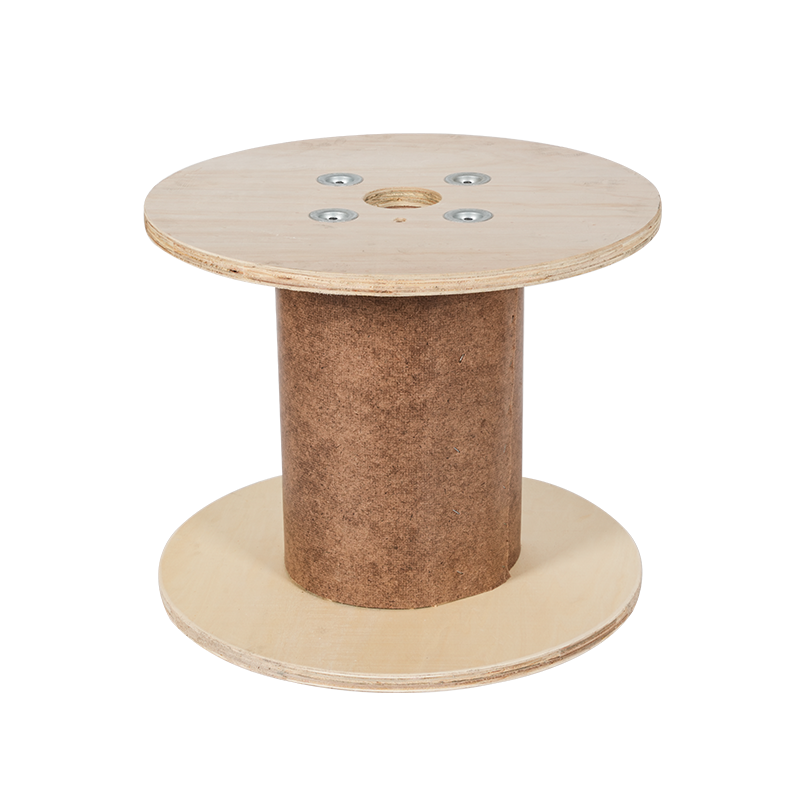
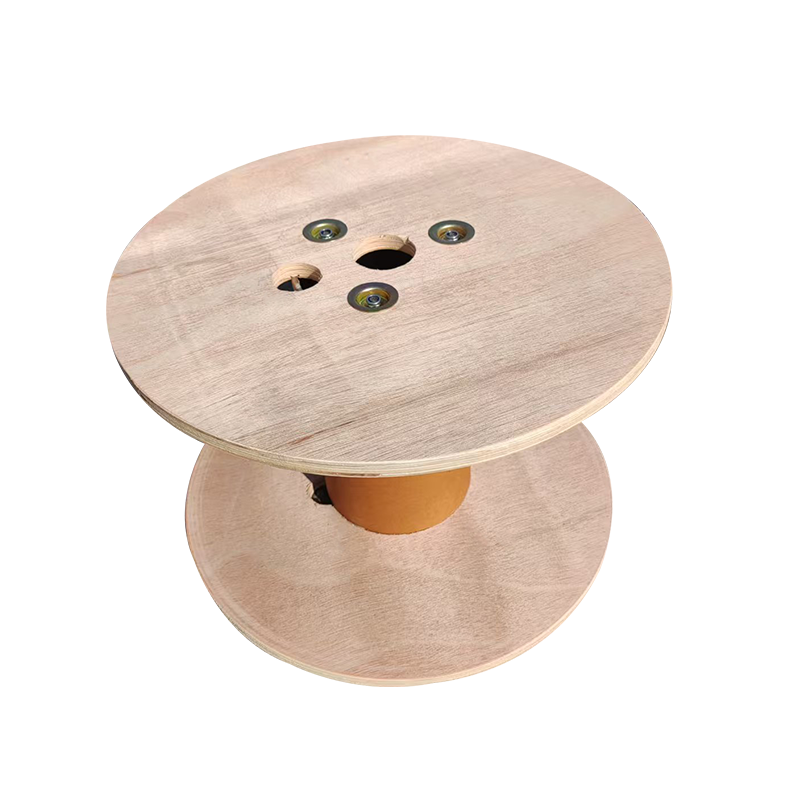
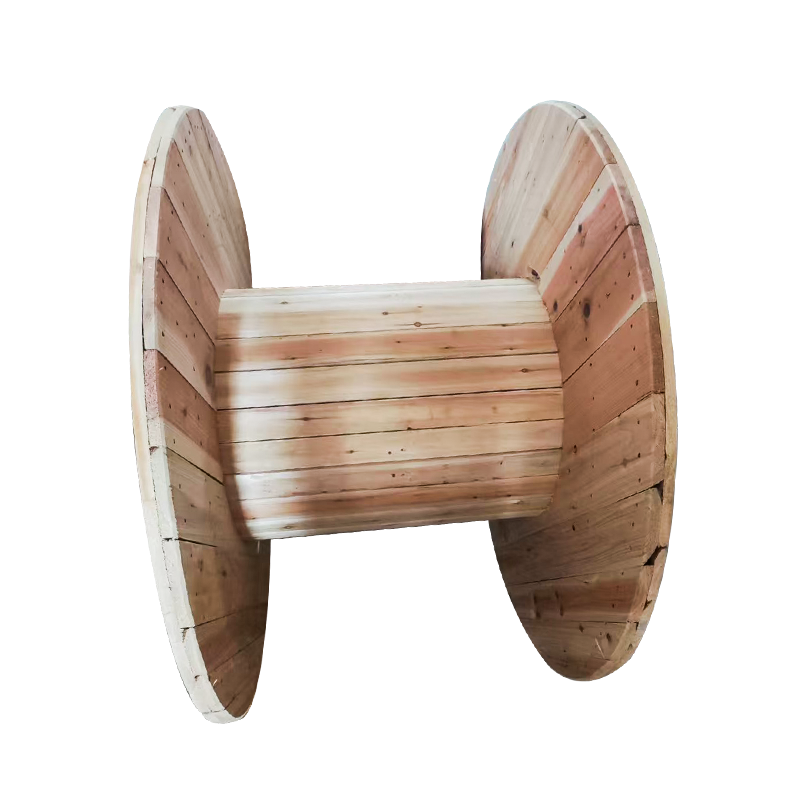
The moisture-resistant treatments and coatings used on plywood cable reels follow the same logic: keep the wood dry and dimensionally stable, and the metal it carries stays clean.
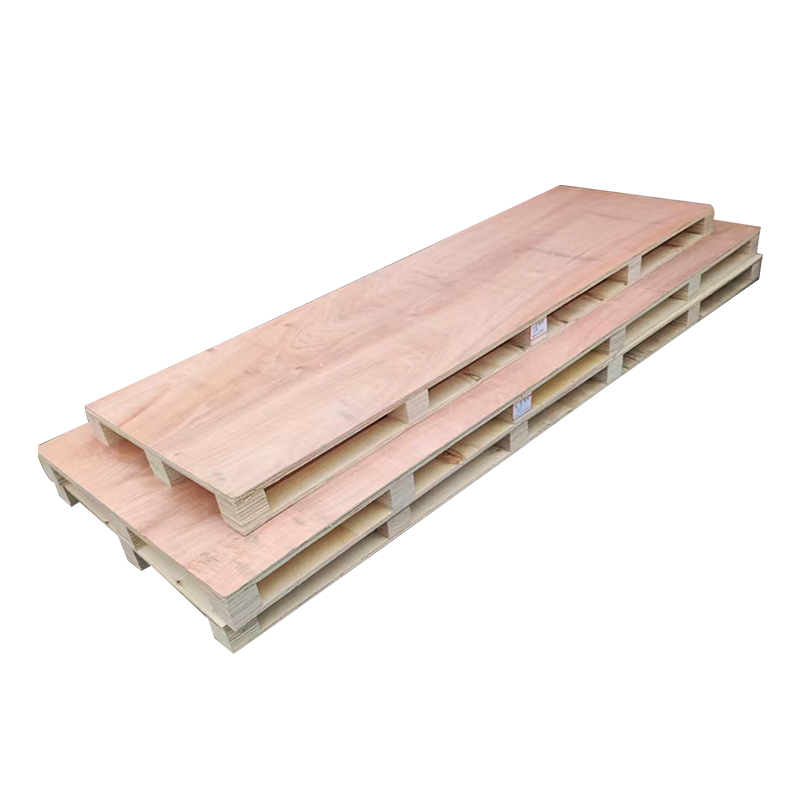
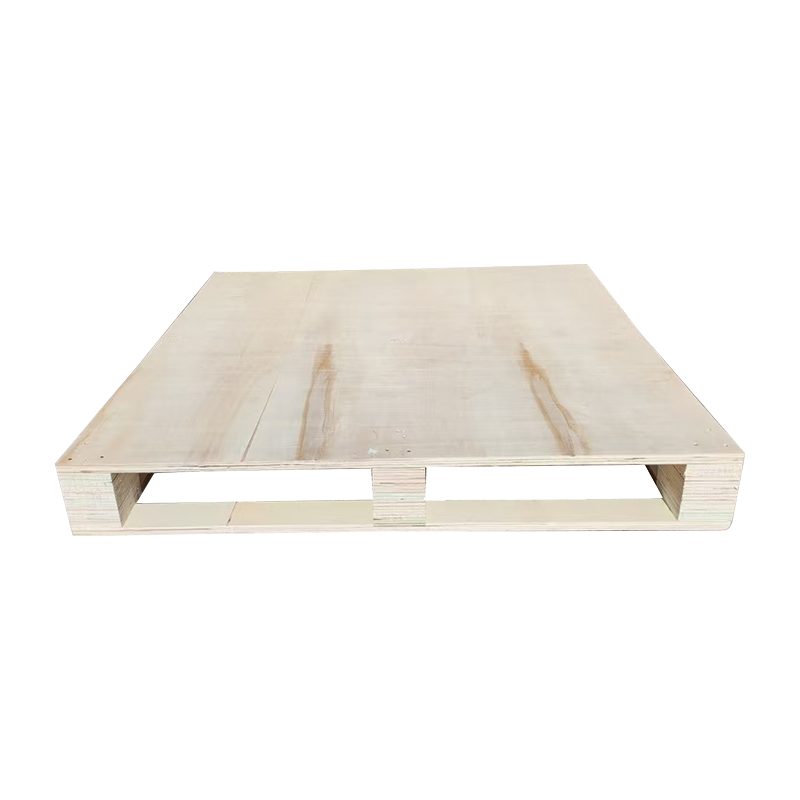
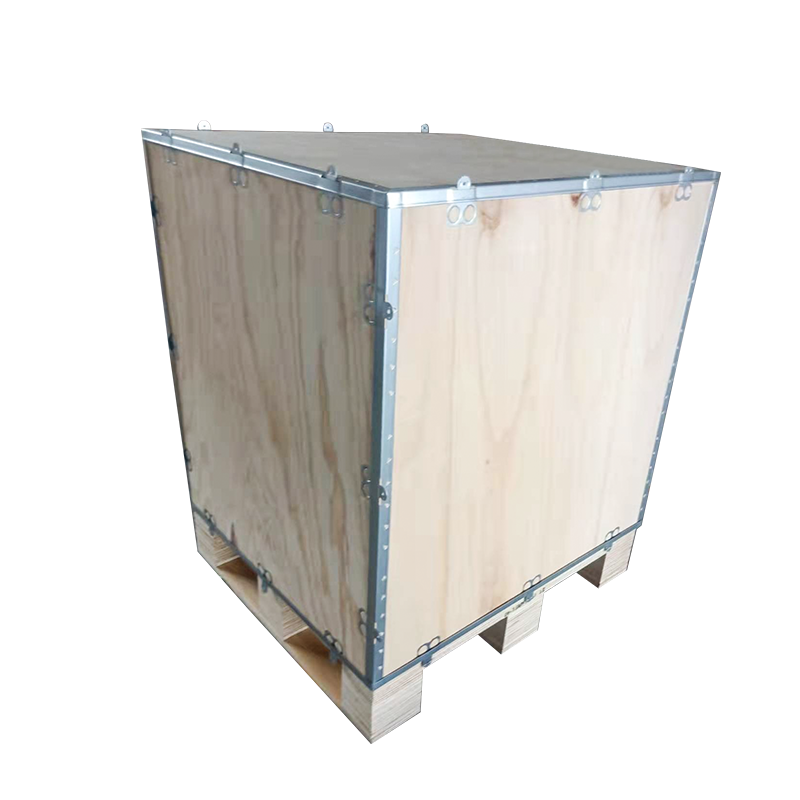
For heavier items such as contact blocks, busbar sections or spare pin kits, a high-strength plywood box with an inner liner replaces the folding carton, and it survives the stacking load of a full container without crushing the parts inside.
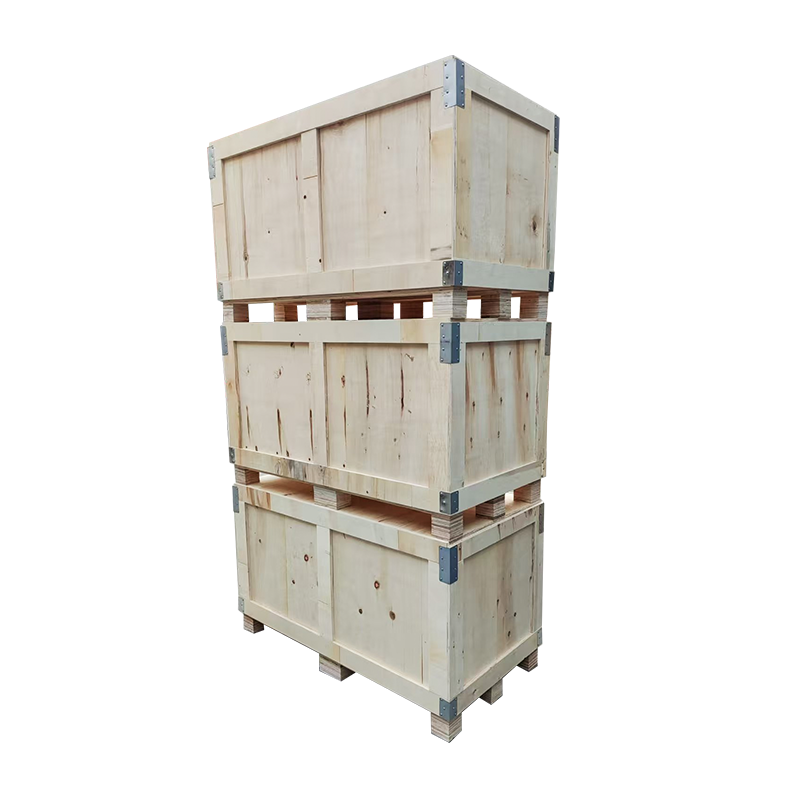 High Strength Plywood Box for Equipment and Electronics PackagingMulti-layer glued plywood construction is lighter than solid wood, impact-resistant and lower-carbon than plastic or metal, making it worth considering for equipment packaging.View Product →
Any reel that carries a charging cable adds a second contact problem: the slip ring, brush or spring contact that transfers current from a rotating drum to a fixed circuit.
Extension cord winders, EV charging cable reels and hose reels all contain a rotating joint. Precious-metal slip rings with gold or silver alloy rings and matching brushes keep resistance low and stay electrically quiet; carbon brushes cost less and tolerate dust but shed a resistive powder as they wear. The reel body decides how much moisture that joint ever sees, which is why material choice matters as much as the ring itself.
| Reel type | Handling | Moisture behaviour | Typical use |
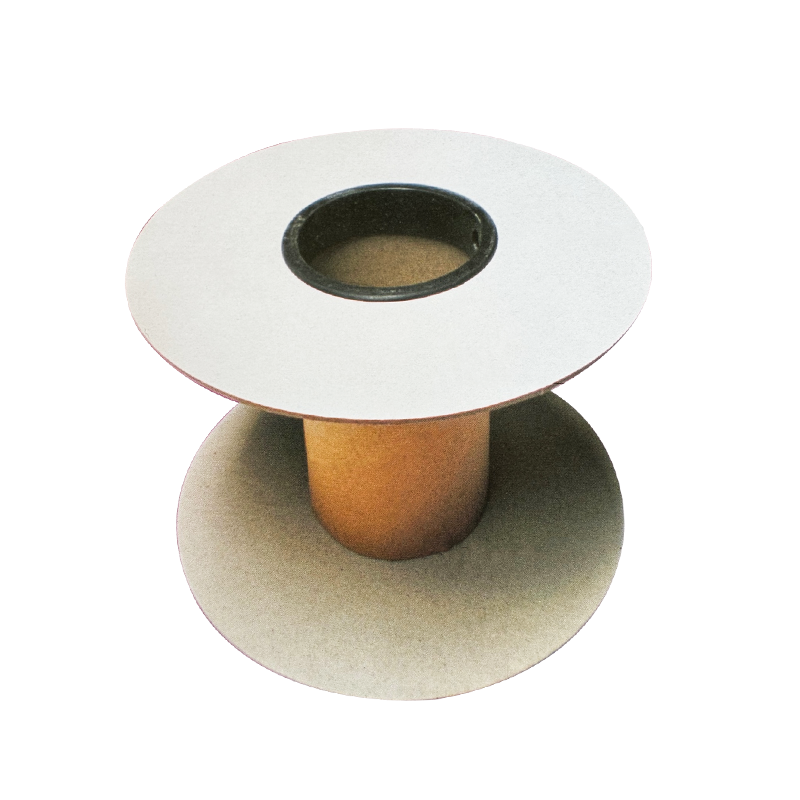
| Plywood cable reel | Medium weight, repairable | Takes on moisture unless coated | Large cable lengths and repeated export shipments |
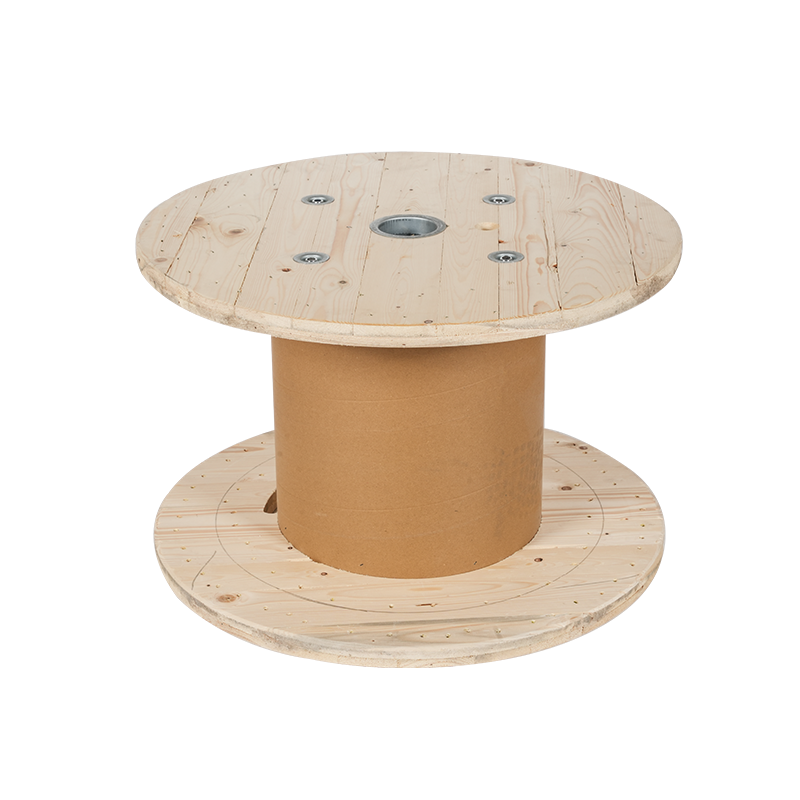
| Fumigated solid wood reel | Heavy, very strong | Needs heat treatment and dry storage | Heavy power cable for ISPM 15 export markets |
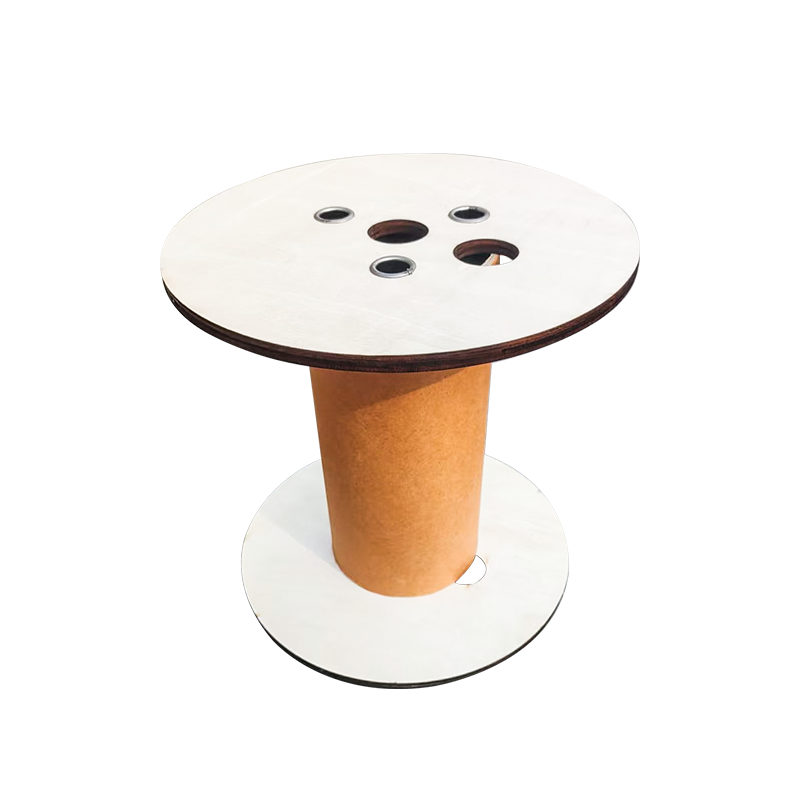
| Paper cable reel | Light, single trip | Softens if it gets wet | Lightweight charging cables and recyclable packaging |
| Plastic cable drum | Light, moulded, washable | Sealed against damp air | Damp sites, washdown areas and wet tool rooms |
Choosing between wood and plastic comes down to how the plywood and plastic cable drums will be stored and how many trips they have to make. A sealed drum protects a rotating contact joint in a humid warehouse; an open wooden reel dries faster but needs a coating before it goes into a container.
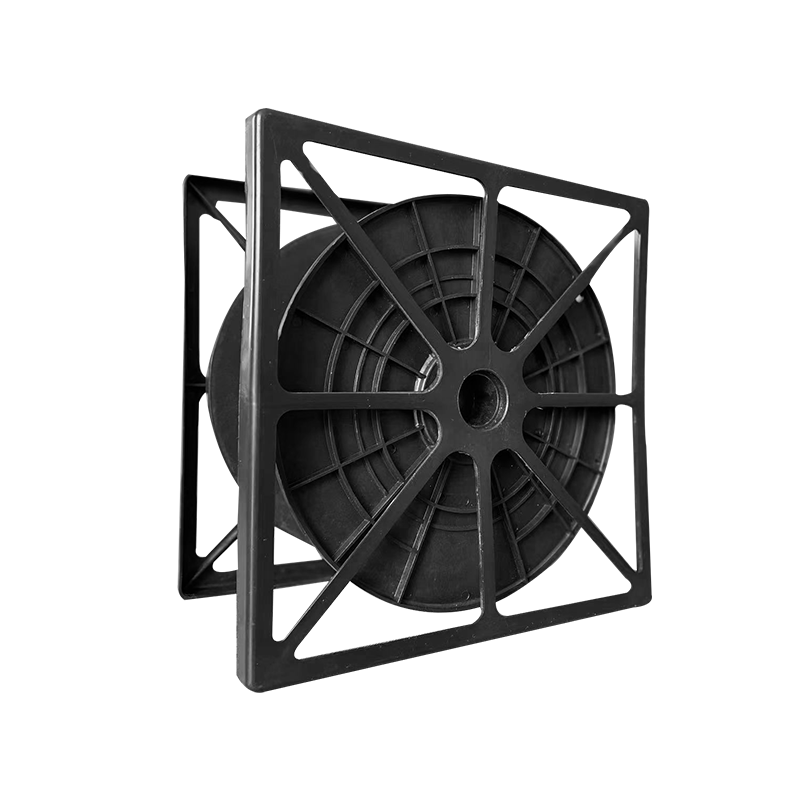 Moisture-Proof Plastic Cable Reel for Wire and Cable StorageMoisture-proof injection-molded reel supports wire and cable storage, turnover and transport, with corrosion-resistant ABS, PP or PE and metal conductive shaft parts.View Product →
Most are a copper alloy such as phosphor bronze or beryllium copper with a nickel underplate and a gold or tin finish. Lower-cost designs use nickel-plated stainless steel or matte tin-plated steel, which trade cycle life for price.
Only when charging becomes intermittent, or every three to six months on devices carried in a pocket or used in dusty workshops. A dry brush and 90 percent isopropyl alcohol take under a minute and remove no plating.
No. The contacts feed the charging circuit, which regulates current and voltage for the cell. Applying 5 V straight to a lithium battery bypasses its protection and can cause overheating, venting or fire.
Humidity above 60 percent RH, chloride from fingerprints and organic acids released by wood packaging all attack tin and nickel. Desiccant, VCI or barrier packaging, and heat-treated rather than methyl bromide fumigated wood, keep the surfaces clean.
Charging contacts are the cheapest part of a charging system and the first part blamed when charging fails. Specify the alloy and the plating, clean with a pick and isopropyl alcohol instead of a blade, and control humidity and wood chemistry through storage and shipping. Everything after that is usually a software reset.
Related Products

Contact us
Address
No. 19, Hualong Industrial Park, Linglong Street, Lin'an District, Hangzhou City, Zhejiang Province, China
Phone
+86-13357115977
QR CODE
 Cable Reel Manufacturers, Cable Packaging Reel Factory

 English
 中文简体
中文简体