May 09, 2026
Content
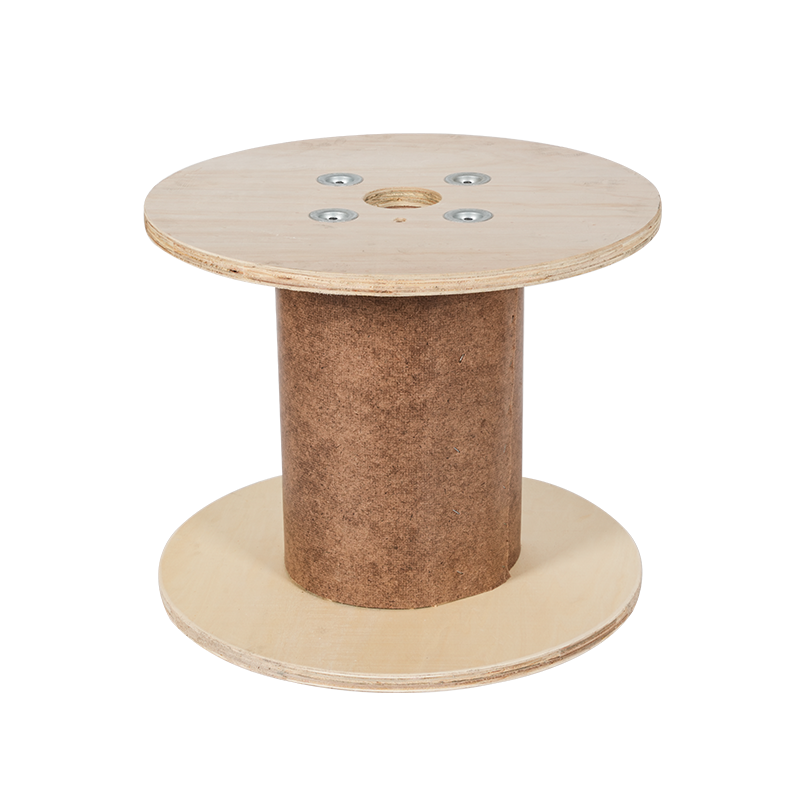
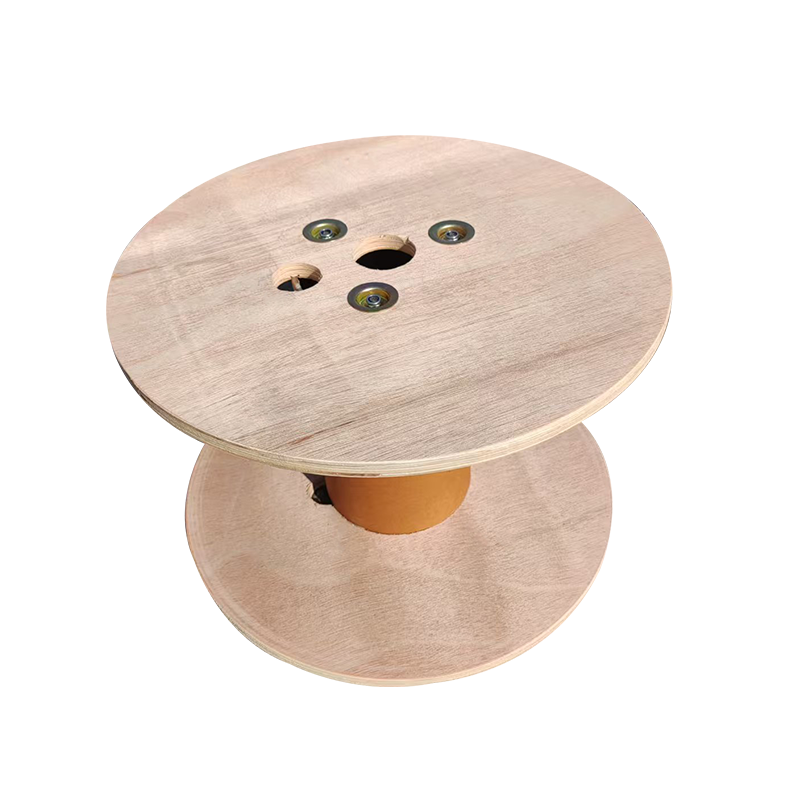
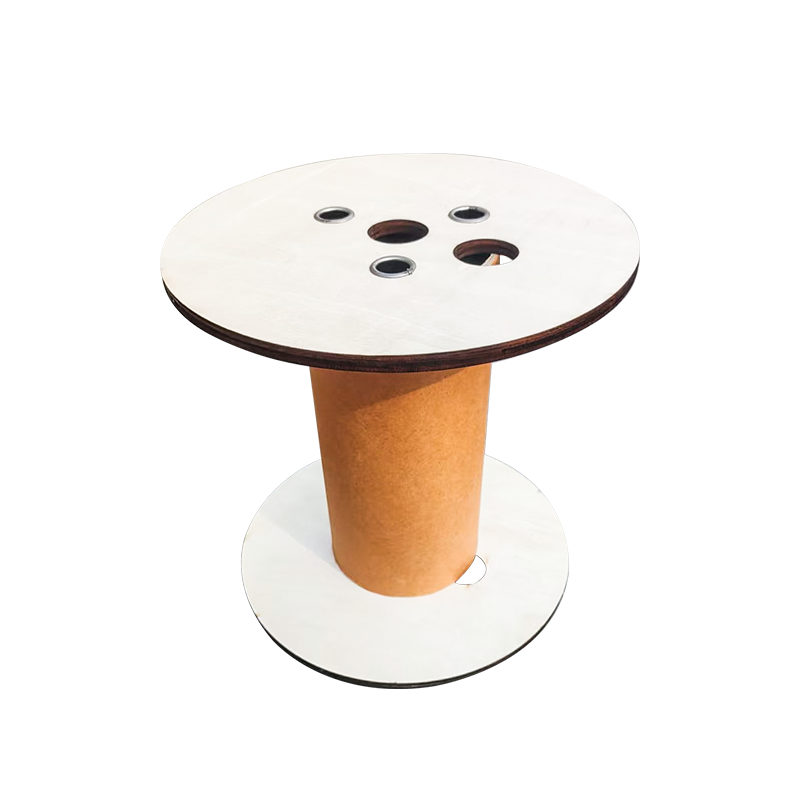
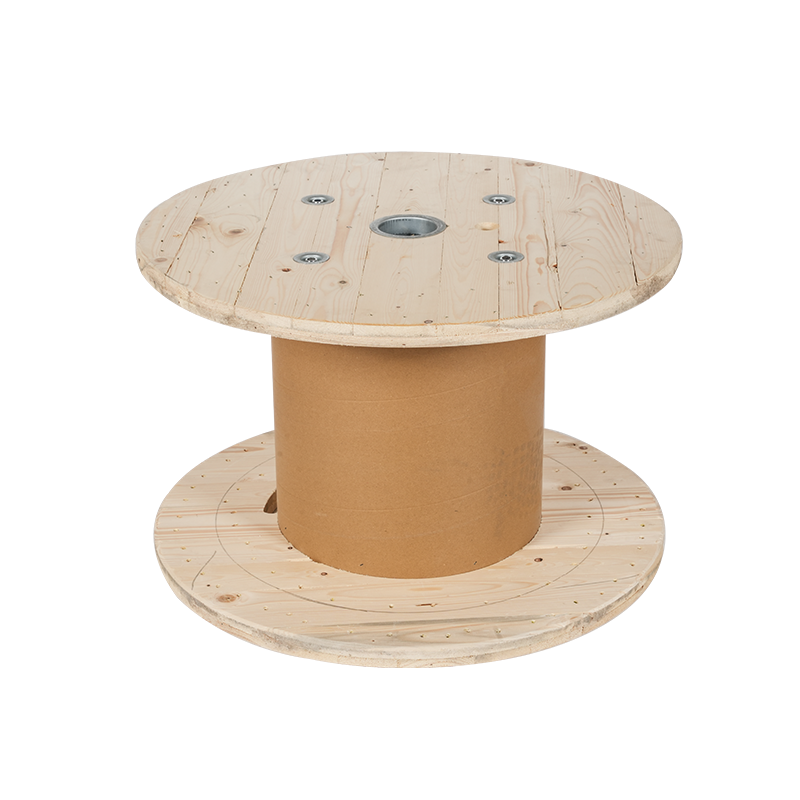
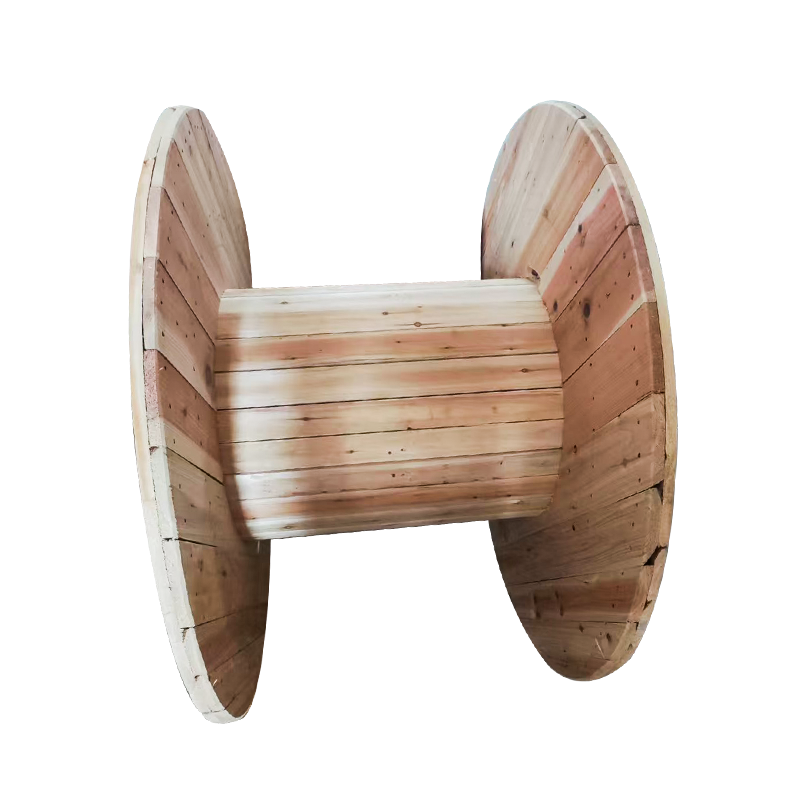
A plywood cable reel is far more than a simple spool. Its primary function is to protect the cable’s integrity during transport, payout, and long-term storage. The defining characteristic of a high-quality reel is its engineered plywood flange. Unlike plastic or thin steel alternatives, plywood flanges provide a high strength-to-weight ratio essential for heavy industrial conductors. The flange is typically constructed from multiple cross-laminated veneers, a design that distributes mechanical stress evenly across the drum. This construction prevents the catastrophic flange failure that can occur when tightly wound tension is released suddenly, effectively safeguarding the cable from kinking or crushing.
The drum core, positioned between the flanges, must meet a specific diameter requirement known as the bending radius. The goal is to connect the structural design directly to cable longevity. If the core diameter is too tight, the internal layers of the cable are compressed while outer layers are stretched, causing micro-fractures in the metallic shielding. For high-voltage or fiber optic cables, this structural precision is non-negotiable to avoid signal attenuation or insulation breakdown under load.
Understanding the load-bearing mathematics prevents dangerous reel collapses. The weight of a fully wound cable exerts radial pressure on the drum and lateral pressure on the flanges. A standard design principle states that the flange diameter should be at least 30 times the cable diameter, though power cables often require a ratio closer to 40:1 to maintain low-tension winding. The dimensional stability of plywood is critical here; if the flange warps due to humidity, the winding path becomes uneven, creating gaps that trap heat and reduce the cable’s current-carrying capacity.
Furthermore, the bolt pattern connecting the plywood to the central steel bushing requires precise torque. As an example, a reel carrying 5 tons of armored cable distributes that weight through just a few millimeters of plywood thickness at the bolt holes. Properly torqued fasteners prevent elongation of these holes. When selecting a reel, calculate the weight of the cable per meter against the drum volume. A reel running close to its maximum theoretical capacity risks the flanges bowing outward, which causes rubbing and abrasion against the payout stand during installation.
Moisture management is the most underestimated challenge in plywood cable reel storage. Unlike solid materials, plywood interacts dynamically with atmospheric humidity. If a reel stored in a damp yard reaches an equilibrium moisture content above 20%, the flange loses significant screw-holding power, and fungal decay begins to compromise the load path. However, properly sealed or heat-treated plywood reels offer a distinct advantage over steel: they do not rust. Metal reels exposed to coastal salt spray can develop sharp oxidation on the flange edge, which acts like a sawblade against the cable jacket during rotation.
Thermal resistance is another key factor. Plywood acts as a natural insulator, protecting the innermost cable layers from rapid temperature fluctuations that cause condensation. For projects in extreme climates, the paint coating on the reel is not decorative; it is a vapor barrier. High-exposure reels benefit from phenolic resin-bonded plywood, which resists delamination even after repeated freeze-thaw cycles. This ensures the reel remains structurally sound whether it is sitting in a desert marshalling yard or an arctic staging area.
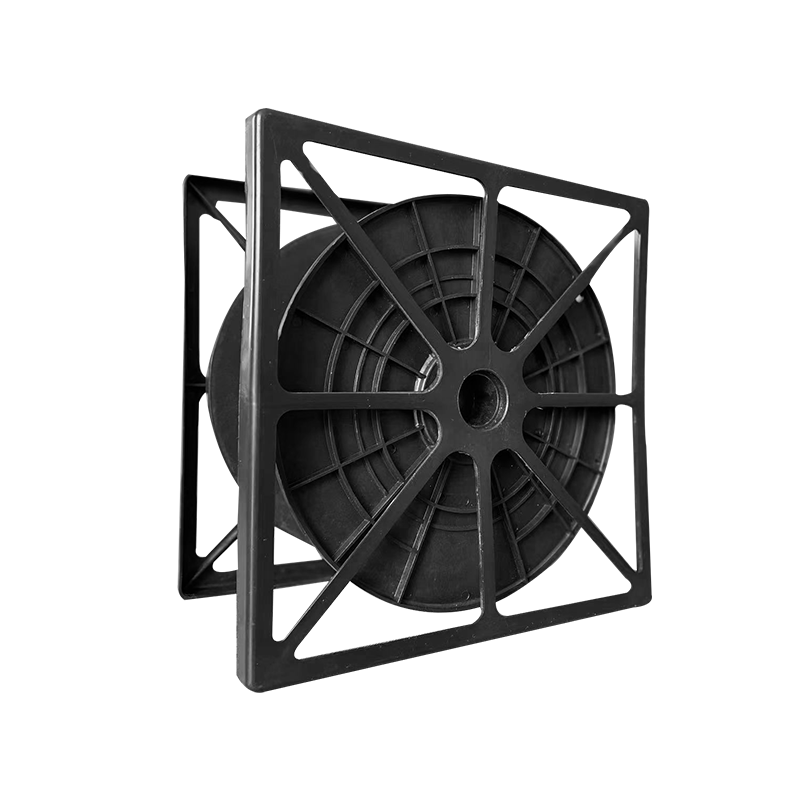
The geometry of a reel dictates the speed and safety of cable installation. The primary design choices involve the core collapse ratio and flange profile. A rigid, non-collapsible plywood reel ensures the drum does not pinch the cable when the tension momentarily spikes during pulling. Conversely, a bolt-together design is often preferred for return logistics, as these reels can be knocked down (disassembled) to save freight space on backhauls, reducing shipping costs by as much as 60%. The key is that the disassembly process must not compromise the hinge points of the plywood segments.
The traverse, or winding width between flanges, determines the fleet angle during payout. A wider traverse allows more cable but requires a longer setup distance to avoid strand crossover. The following table illustrates common dimensional ratios and their primary use cases to ensure the reel geometry matches the cable type.
| Flange Diameter (mm) | Core Diameter (mm) | Typical Application |
|---|---|---|
| 600 | 200 | Control and signal cables |
| 1200 | 400 | Low-voltage power distribution |
| 2200 | 900 | High-voltage transmission line |
| 3200 | 1400 | Subsea umbilical and heavy armored |
Selecting the wrong configuration leads directly to field delays. A reel with an undersized core forces installers to stop and manually unspool wire to release tension memory, a process known as "birdcaging" when the wire springs loose.
The physical handling of a fully loaded plywood cable reel presents serious crush and roll hazards. The core safety rule is the avoidance of single-point lifting. Forklift tines must always be spaced to contact both flanges simultaneously, lifting the reel by the rim rather than the drum, unless a solid steel mandrel is passed through the arbor hole and secured with keeper plates. Lifting solely by the core using a choker chain can splinter the plywood arbor instantly, dropping the load. The weight is often underestimated; a large reel of copper conductor can easily exceed 8 metric tons, requiring a work zone with a stabilized ground bearing capacity.
During payout, proper braking is essential. A controlled back-tension prevents the reel from overrunning, which is a dangerous scenario where the rotating inertia exceeds the pulling force, creating slack that can whip back if the cable snags. Effective braking setups include rim brakes with friction pads against the plywood edge or a tensioner on the arbor shaft. Relying solely on a manual timber wedge jammed under the flange is a common but highly hazardous practice. The optimal approach uses a jacking stand that allows rotation only when the cable is actively being pulled, keeping the reel’s plywood structure free from sudden shock loads.
Maximizing the lifecycle of a plywood cable reel requires a disciplined inspection regime focused on structural fatigue rather than cosmetic damage. Before any reuse, the reel must be inspected for delamination. This occurs when the adhesive bonds between veneers break down due to cyclical loading, visible as separation lines along the edge of the flange. A delaminated flange has less than half of its original load rating. Similarly, the steel bushing must be checked for concentricity; a wobbling bushing indicates the surrounding plywood grain has been crushed, causing uneven rotation that places dynamic stress on the cable.
Repair versus replacement decisions should hinge on the reel’s fastening system. Through-bolt reels with removable carriage bolts are highly maintainable. A damaged flange can be stripped away and replaced, provided the central drum remains sound. However, reels assembled with staples or ring-shank nails are generally considered single-use because extraction destroys the wood fiber. Returning reels for reuse is not merely a cost-saving measure; it is a vital part of logistics sustainability, particularly when heat treatment and phytosanitary standards (ISPM 15) for international shipping have been permanently stamped on the flange surface.
Related Products

Contact us
Address
No. 19, Hualong Industrial Park, Linglong Street, Lin'an District, Hangzhou City, Zhejiang Province, China
Phone
+86-13357115977
QR CODE
 Cable Reel Manufacturers, Cable Packaging Reel Factory

 English
 中文简体
中文简体