Jan 30, 2026
Content
Cable drum, also known as cable reels or cable spools, are essential tools in industries such as power transmission, telecommunications, construction, and manufacturing. As cable projects scale up, the need to combine cable drums efficiently becomes more common. Combining cable drums can refer to connecting cable lengths from multiple drums, consolidating partially used reels, or integrating drum systems for easier handling and storage. When done correctly, this process reduces waste, improves logistics, and enhances workplace safety.
Combining cable drums is not just about saving space. It is a strategic approach to cable management that addresses cost control, operational efficiency, and material preservation. In large projects, cable often arrives on multiple wooden cable drums or steel cable reels, each containing limited lengths. Instead of replacing drums constantly during installation, technicians combine cables into fewer reels or continuous lines.
This method is widely used in power grid construction, offshore installations, fiber optic deployments, and industrial automation. By minimizing drum changes, downtime decreases, and labor productivity increases significantly.
Different drum materials and designs influence how cables can be combined. Choosing the right type ensures stability and prevents damage during winding and unwinding.
| Drum Type | Main Material | Typical Use | Combination Suitability |
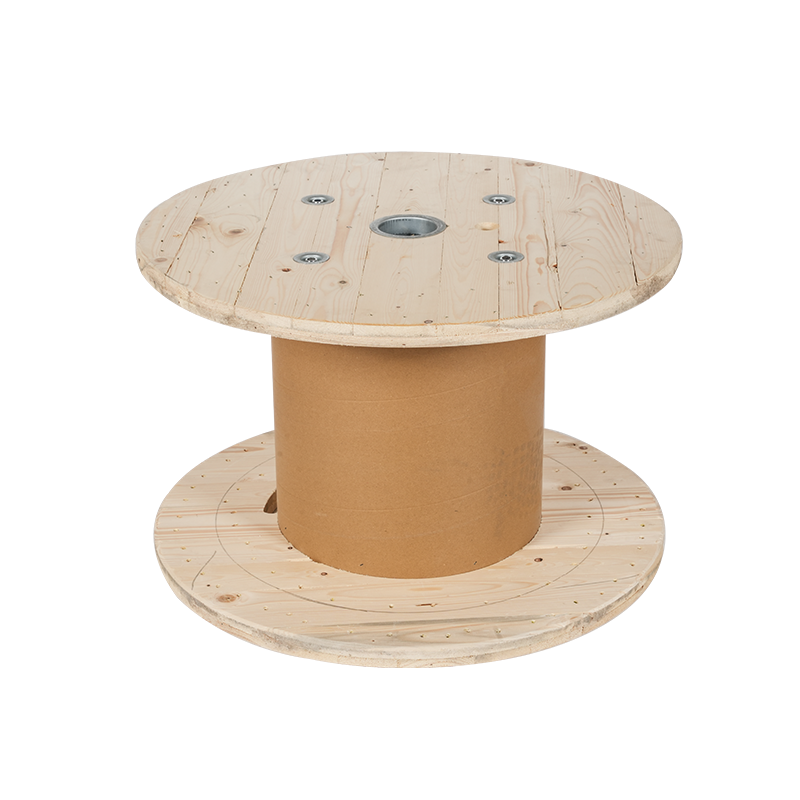
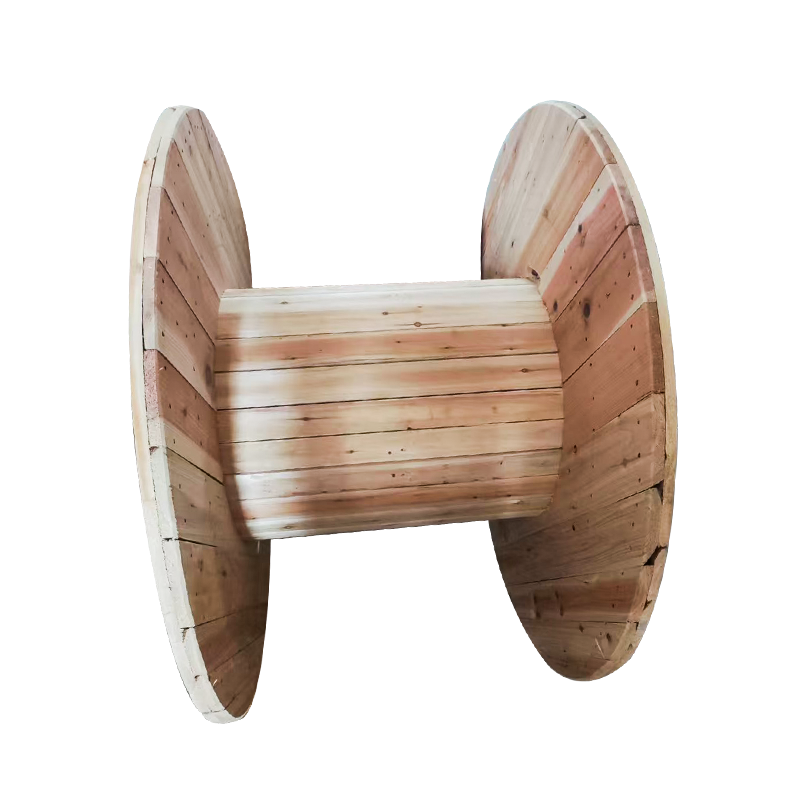
| Wooden Cable Drum | Pine or hardwood | Power cables, telecom lines | High – easy to modify and repair |
| Steel Cable Reel | Carbon steel | Heavy industrial cables | Very high – durable for large loads |
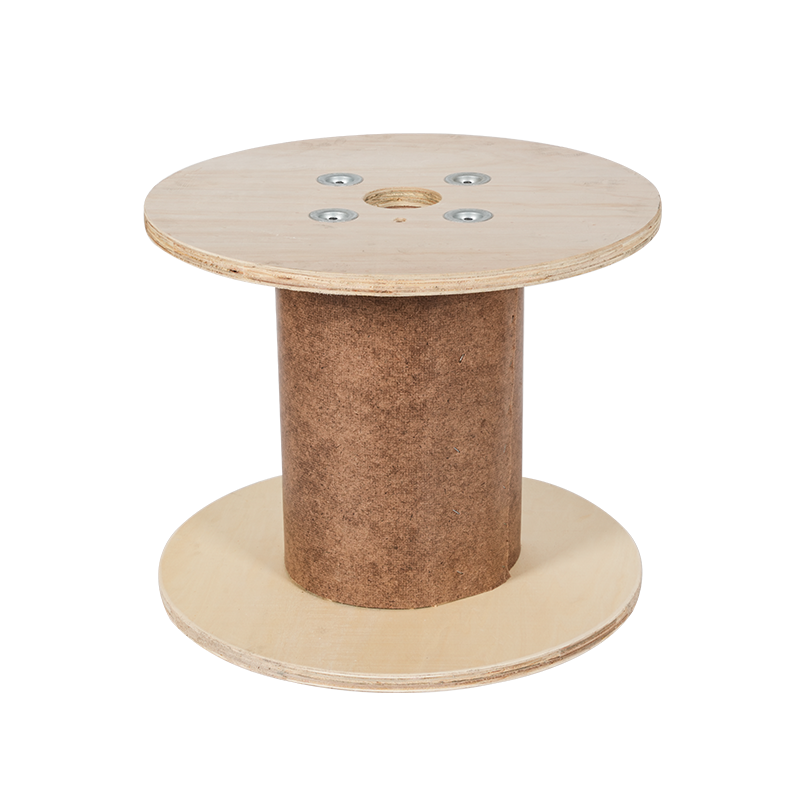
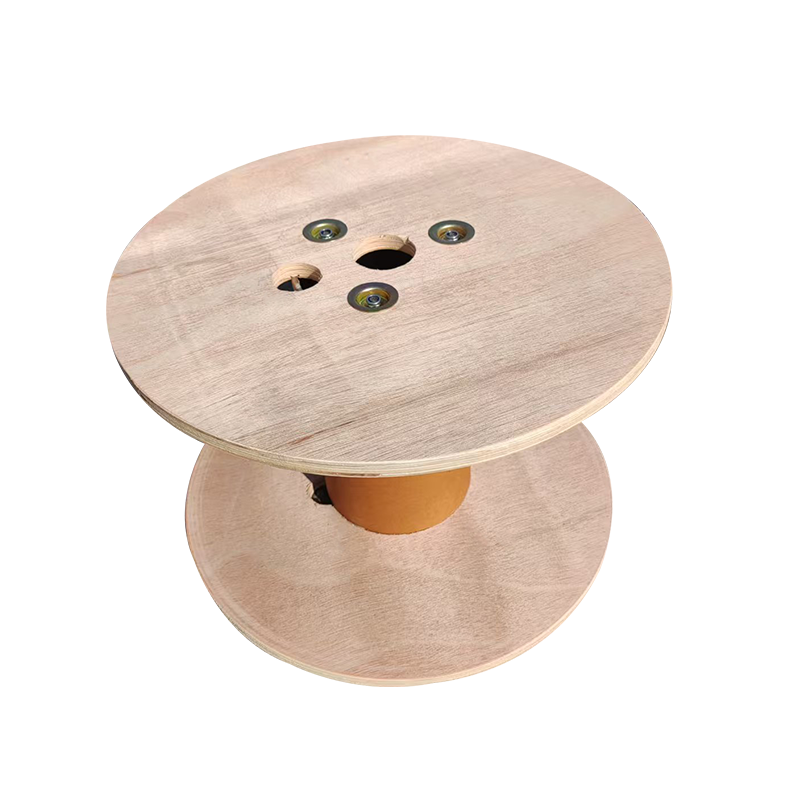
| Plywood Cable Spool | Layered wood sheets | Medium-duty cables | Moderate – lightweight but less robust |
| Plastic Drum | Reinforced polymer | Fiber optic and light cables | Limited – structural stress risk |
There are several practical approaches to combining cable drums depending on cable type, project scale, and available equipment. The goal is to maintain cable integrity while maximizing reel capacity.
This is the most common technique. Cables from multiple reels are electrically or mechanically spliced together and rewound onto a larger cable drum reel using motorized winding machines. This method creates a continuous cable length suitable for long installations.
In this approach, cable is transferred directly from smaller drums to a larger receiving drum without splicing. Advanced cable handling equipment maintains tension control to prevent twisting or crushing.
This technique is ideal for storage consolidation when electrical continuity is not required immediately.
Some construction sites use synchronized cable drum stands where multiple reels feed into a single cable routing system. Although not physically combined onto one reel, the operational result is a continuous supply.
Professional cable combining requires specialized tools to maintain cable quality and ensure operator safety.
Using proper cable handling equipment significantly reduces the risk of conductor deformation, insulation cracking, and uneven winding that could later cause installation failures.
Combining cable drums improperly can lead to costly cable damage. Following proven best practices preserves electrical performance and mechanical strength.
Uneven tension causes cable flattening and internal conductor stress. Automated tension controllers are strongly recommended, especially for heavy power cables.
Misaligned drums cause cable twisting and edge wear. All reels should be positioned in straight-line orientation during transfer.
Check for sheath damage, moisture exposure, or conductor corrosion before combining reels. Addressing issues early prevents system failures after installation.
Organizations that implement cable drum consolidation strategies often experience measurable improvements in project efficiency and cost savings.
| Benefit | Impact on Operations |
| Reduced Material Waste | Leftover cable lengths reused efficiently |
| Lower Transport Costs | Fewer drums to ship and store |
| Faster Installation | Continuous cable feed without interruptions |
| Improved Site Safety | Less manual drum handling |
| Better Inventory Control | Consolidated stock management |
Even experienced teams can make errors that compromise cable quality or worker safety.
Avoiding these issues ensures long-term reliability of cables once installed in demanding environments.
Certain industries benefit particularly from consolidated cable drum systems due to scale and logistical complexity.
In these environments, reducing downtime and material waste directly impacts project timelines and profitability.
Automation and smart handling systems are rapidly transforming cable drum operations. Modern winding machines now integrate digital tension monitoring, defect detection sensors, and programmable reel patterns.
As cable lengths grow for renewable energy and data infrastructure projects, combining cable drums will become a standard logistics practice rather than a special operation. Companies investing in advanced cable storage solutions will gain long-term efficiency advantages.
Combining cable drums effectively is no longer just about convenience—it is a core strategy for optimizing cable management, reducing operational costs, and maintaining high installation standards across industrial sectors.
Related Products

Contact us
Address
No. 19, Hualong Industrial Park, Linglong Street, Lin'an District, Hangzhou City, Zhejiang Province, China
Phone
+86-13357115977
QR CODE
 Cable Reel Manufacturers, Cable Packaging Reel Factory

 English
 中文简体
中文简体