Understanding Cable Reels and Their Importance
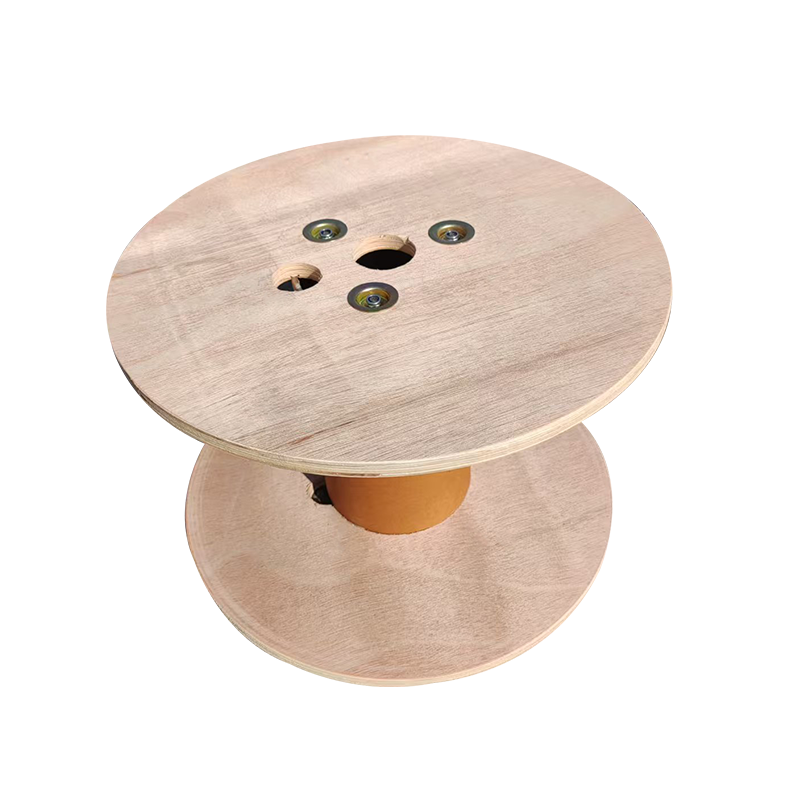
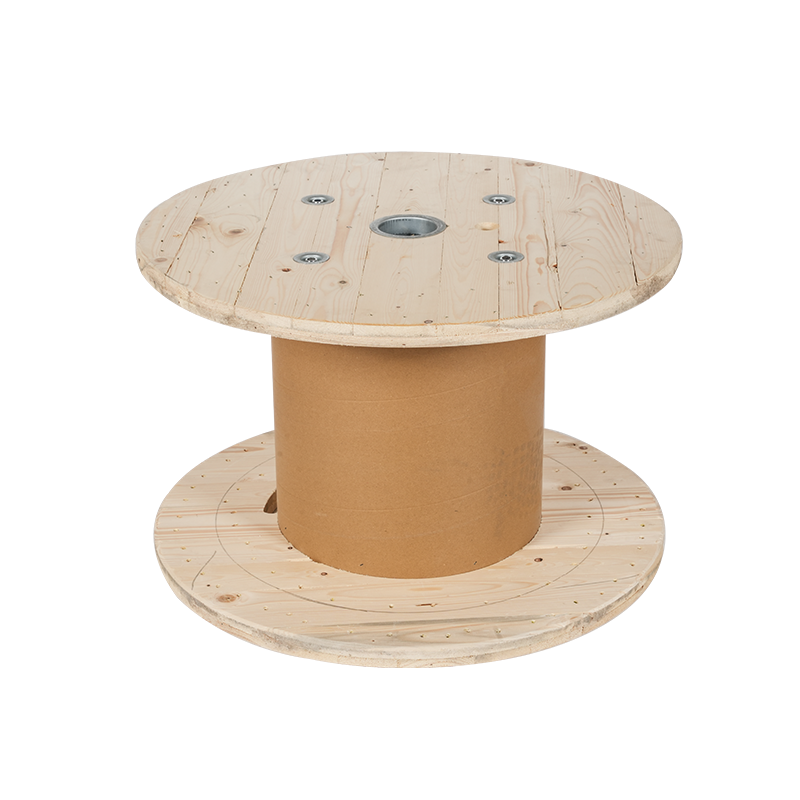
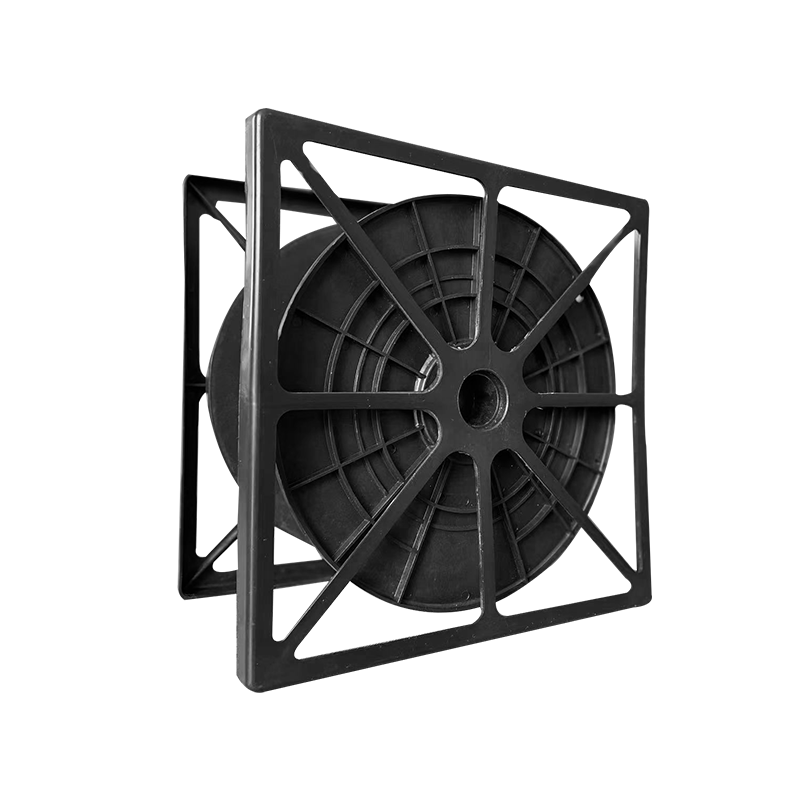
Cable reel is essential tools designed to store, transport, and manage electrical cables efficiently. They prevent cable tangling, reduce wear, and enhance safety in industrial, commercial, and residential settings. By keeping cables organized, cable reels also improve workflow and minimize downtime caused by damaged or misplaced cables.
Types of Cable Reels
Choosing the right type of cable reel depends on the application, cable length, weight, and environmental conditions. The most common types include:
- Manual Cable Reels: Operated by hand, ideal for short to medium-length cables and low-frequency usage.
- Spring-Driven Retractable Reels: Automatically retract cables for convenience, commonly used in workshops and garages.
- Motorized Cable Reels: Powered by an electric motor, suitable for heavy-duty industrial applications requiring frequent cable extension and retraction.
- Portable Cable Reels: Lightweight and easy to transport, often used for outdoor events or temporary construction sites.
- Heavy-Duty Industrial Reels: Constructed from robust materials to handle long, high-voltage cables in harsh conditions.
Material and Construction of Cable Reels
The durability and performance of a cable reel largely depend on its construction material. Common materials include:
- Steel: Offers maximum strength, ideal for heavy-duty industrial applications.
- Aluminum: Lightweight yet strong, often used where portability is essential.
- Plastic and Polypropylene: Corrosion-resistant and suitable for outdoor or wet environments.
- Composite Materials: Provide a balance between strength and weight, often used in specialized applications.
The reel’s core and drum design also influence performance. Grooved drums help prevent cable twisting, while reinforced cores improve load-bearing capacity.
Applications of Cable Reels
Cable reels are used across multiple sectors due to their versatility. Key applications include:
- Construction Sites: Portable reels allow easy deployment of power cables across large areas.
- Industrial Facilities: Motorized reels manage high-voltage cables for machinery and assembly lines.
- Entertainment and Events: Audio-visual setups benefit from retractable reels to prevent cable clutter and hazards.
- Marine and Offshore: Corrosion-resistant reels protect cables from harsh environmental conditions.
- Home and DIY Projects: Small manual reels organize extension cords and garden tools efficiently.
Key Features to Consider When Selecting a Cable Reel
Selecting the right cable reel involves evaluating several critical features:
- Cable Length Capacity: Ensures the reel can handle the required cable without excessive tension.
- Load Rating: Determines the maximum weight or electrical load the reel can safely support.
- Reel Mobility: Consider wheels, handles, or portability features for easy transport.
- Environmental Resistance: UV, water, and chemical-resistant reels are essential for outdoor or industrial use.
- Retractable Mechanism: Spring-driven or motorized retraction improves efficiency and reduces wear on cables.
- Safety Features: Locking mechanisms and cable guides prevent accidents and tangling.
Maintenance and Safety Practices
Proper maintenance of cable reels extends lifespan and ensures safety. Best practices include:
- Regular Inspection: Check for worn-out cables, damaged drum surfaces, and loose components.
- Lubrication: Grease moving parts to prevent friction and prolong reel functionality.
- Proper Storage: Store reels in dry, shaded areas to prevent corrosion and UV damage.
- Safe Operation: Avoid overloading, and always use cable guides to prevent twisting or kinking.
- Training Personnel: Ensure users understand reel handling and safety precautions.
Innovations and Modern Trends
Advancements in cable reel technology are focused on automation, safety, and convenience. Trends include:
- Smart Reels: Equipped with sensors to monitor cable tension, length, and wear.
- Lightweight Composites: New materials reduce reel weight while maintaining strength.
- Modular Designs: Interchangeable components make maintenance easier and cost-effective.
- Eco-Friendly Materials: Recycled plastics and metals support sustainability goals.
- Integrated Cable Management Systems: Combine reels with storage racks and safety locks for industrial efficiency.
Conclusion: Maximizing Efficiency with Cable Reels
Cable reels are indispensable tools for managing electrical cables safely and efficiently. Understanding the types, materials, applications, and proper maintenance ensures optimal performance and longevity. Whether for industrial, commercial, or domestic use, investing in the right cable reel improves safety, reduces downtime, and enhances organization across any workspace.

 Cable Reel Manufacturers, Cable Packaging Reel Factory

 English
 中文简体
中文简体