Apr 23, 2026
Content
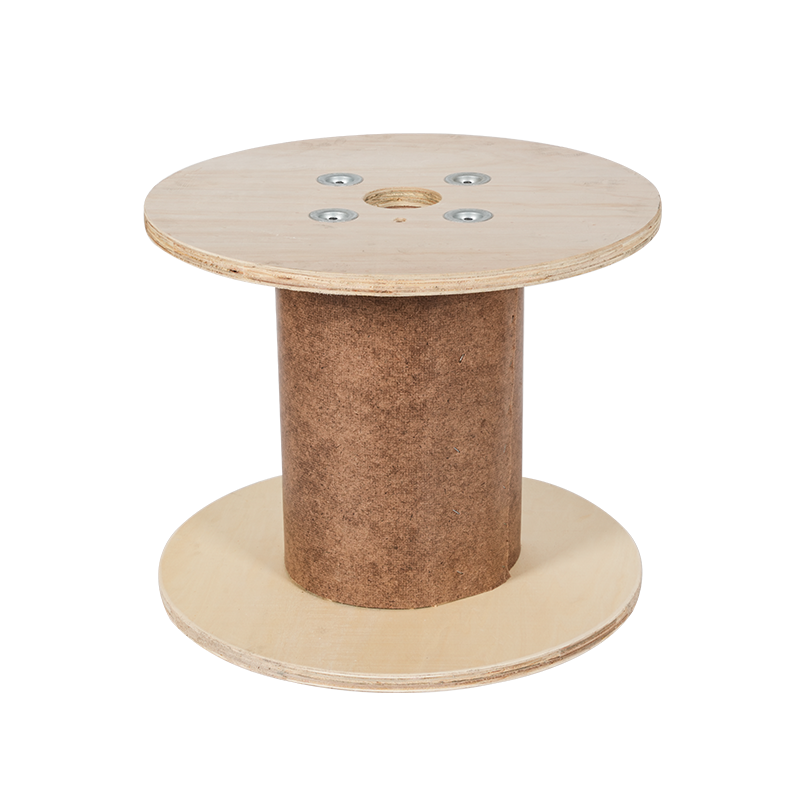
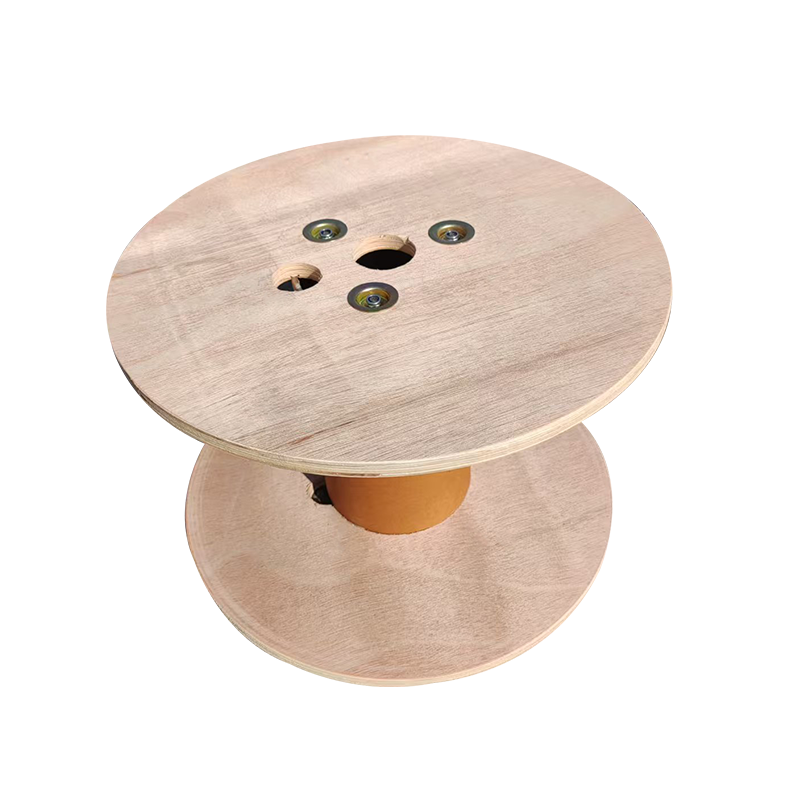
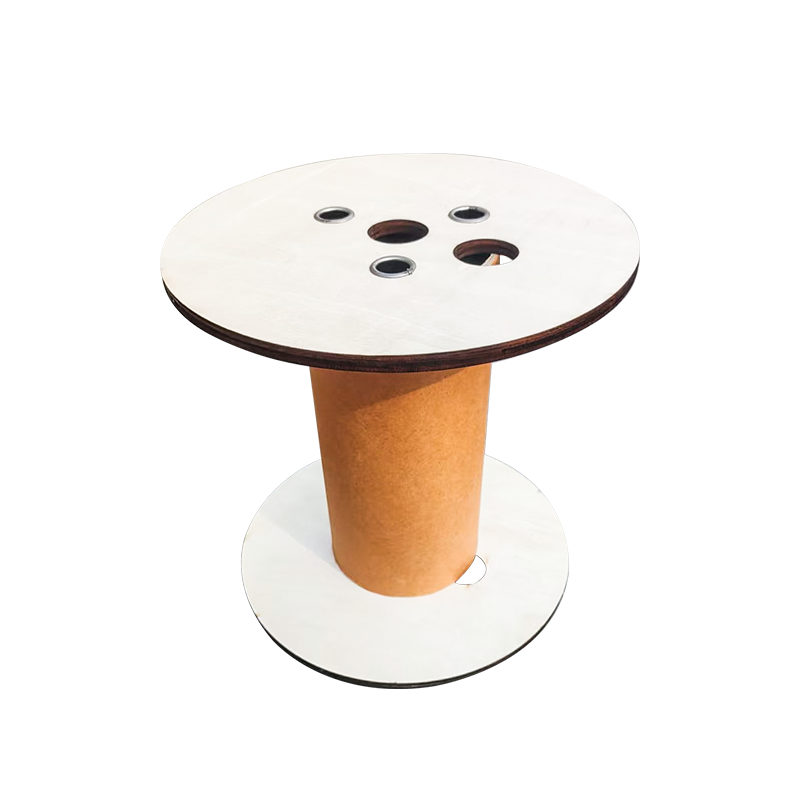
When it comes to packaging and transporting electrical wires or fiber optic cables, the reel is not an afterthought—it is the first line of protection. Plywood cable reels have become the industry standard for lighter-load applications because they combine a low production cost with reliable structural performance. Made from layered wood panels (commonly birch or poplar), plywood reels resist deformation under load while remaining easy to handle on job sites and in warehouses.
Compared to solid wood or steel drums, plywood reels are significantly lighter, which reduces shipping costs and simplifies on-site maneuvering—two factors that matter on every project from urban telecom rollouts to rural power grid extensions.
Before selecting a reel, it is critical to understand what the cable needs. Electrical cables—especially medium- and high-voltage types—tend to be heavier and have a larger bending radius. Fiber optic cables, by contrast, are lightweight and extremely sensitive to lateral pressure and tight bends; even minor compression can degrade signal performance.
This distinction directly affects three reel parameters:
Match the reel size to the cable weight and length. As a general rule: bulkier cables require wider, larger-diameter reels, while longer cable runs demand a greater flange diameter to accommodate more layers of winding. Overloading an undersized reel risks flange cracking and cable damage during transit.
| Cable Type | Typical Arbor Hole | Recommended Reel Size |
|---|---|---|
| Low-voltage electrical wire | ~1 inch (25 mm) | Small to medium plywood reel |
| Medium-voltage power cable | 1.5–3 inches | Large plywood or solid wood reel |
| Fiber optic cable | 0.5–1 inch | Small plywood reel, large flange diameter |
The most common materials are bleached poplar plywood and Okoume panel plywood. Poplar offers higher density and load-bearing strength, making it well-suited for heavier electrical cables. Okoume is lighter and smoother, preferred for fiber optic and specialty wire packaging where surface contact quality matters. For export projects or humid environments, look for panels that comply with fumigation requirements (ISPM 15 standard) to clear customs without delays.
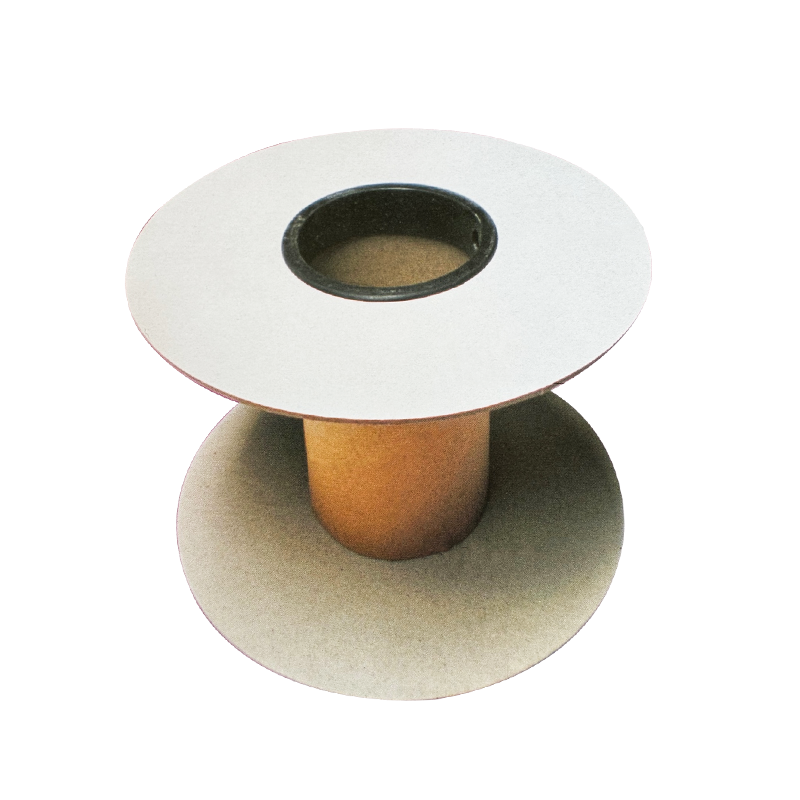
The drum core is what actually bears the cable's compressive weight. A well-engineered core uses curved staves precisely machined from straight lumber, bolted together to form a balanced, round barrel. For high-load applications, a steel tube reinforcement inside the arbor provides extra rigidity and prevents oval deformation during winding—this is particularly valuable for dense electrical cable spools that see rough handling.
Flanges should extend far enough beyond the outermost cable layer to protect it from contact during rolling or stacking. Some reels include notched flanges that lock the cable end securely and prevent unwinding in transit. Brake flanges, used in controlled-deployment scenarios, allow smooth payout without back-spin tangles—a practical feature for fiber optic installation teams working at speed.
If the cable reel is destined for international shipment, fumigation certification is non-negotiable in most markets. Confirm that the manufacturer provides IPPC-marked, ISPM 15-compliant reels. This avoids costly customs holds and protects the cable inside from moisture buildup during long ocean transits.
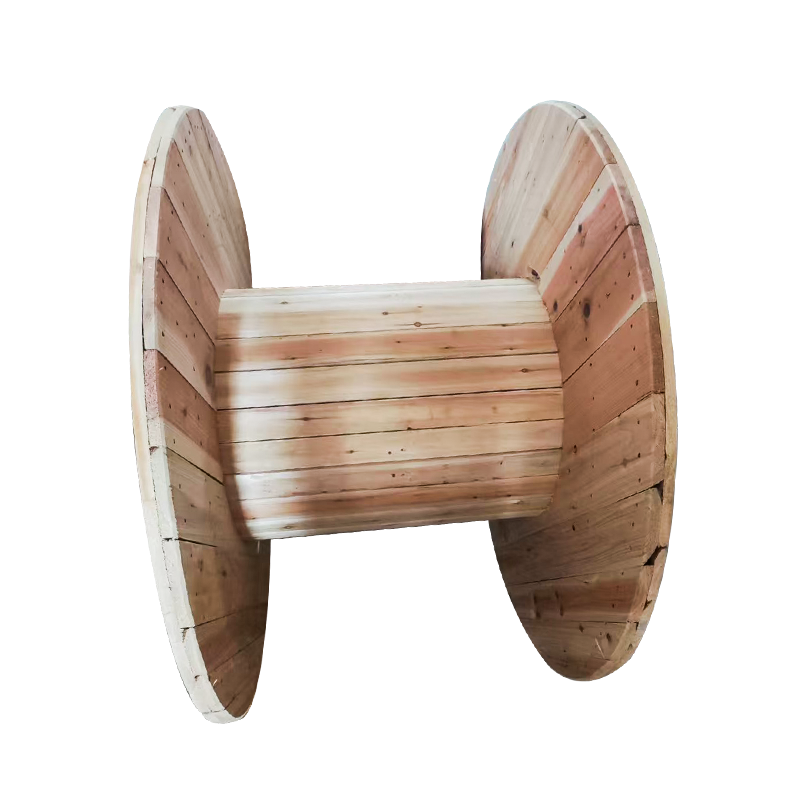
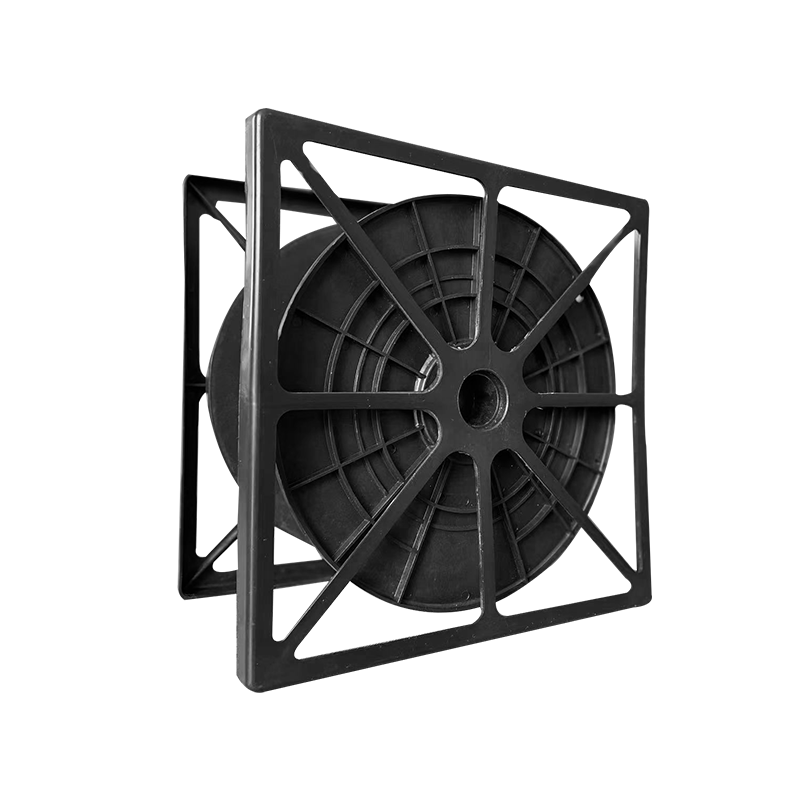
Plywood reels are the cost-efficient default for most electrical and fiber optic applications, but they are not universal. If your project involves outdoor exposure over extended periods, chemical splash environments, or extremely heavy high-voltage drums, a plastic cable drum or solid steel reel may offer better long-term performance. For mid-range projects requiring fumigation-compliant export packaging with higher load ratings, a fumigated solid wood cable reel bridges the gap.
The decision comes down to three variables: load weight, environmental exposure, and whether the reel is intended for a single trip or repeated use.
Explore the full range of plywood cable reels available in standard and custom specifications, or browse the complete cable drum product line to find the right solution for your electrical or fiber optic project.
Related Products

Contact us
Address
No. 19, Hualong Industrial Park, Linglong Street, Lin'an District, Hangzhou City, Zhejiang Province, China
Phone
+86-13357115977
QR CODE
 Cable Reel Manufacturers, Cable Packaging Reel Factory

 English
 中文简体
中文简体