Apr 17, 2026
Content
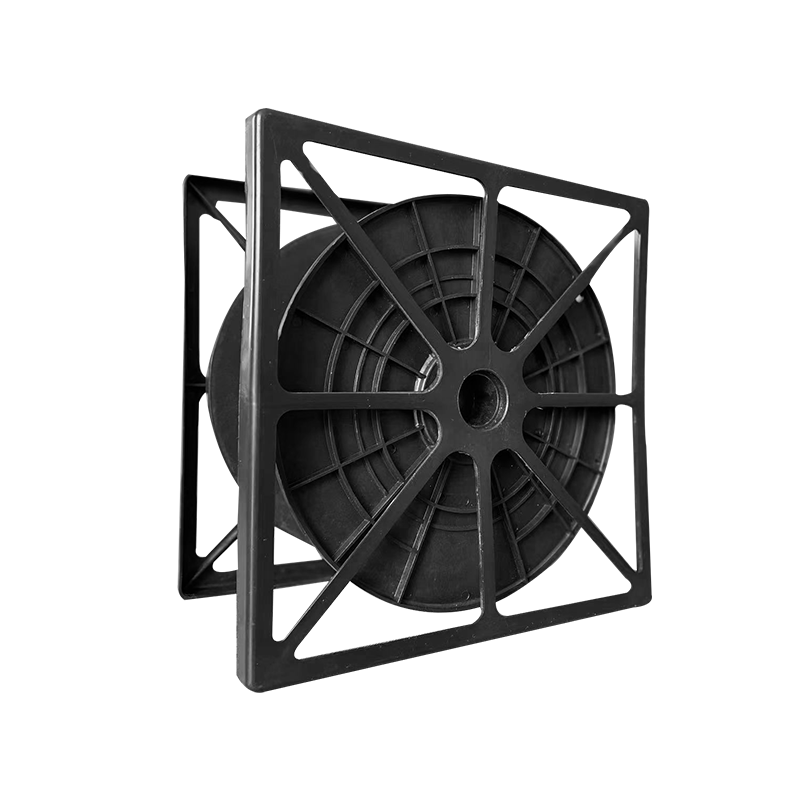
Plastic cable drum deliver superior performance in challenging industrial conditions compared to traditional wooden reels. Their engineered polymer construction resists moisture, chemicals, and physical stress while maintaining structural integrity over extended use cycles. Organizations operating in marine, construction, and outdoor environments consistently report 40% longer service life and 60% reduction in replacement costs when switching from wood to high-density polyethylene drums.
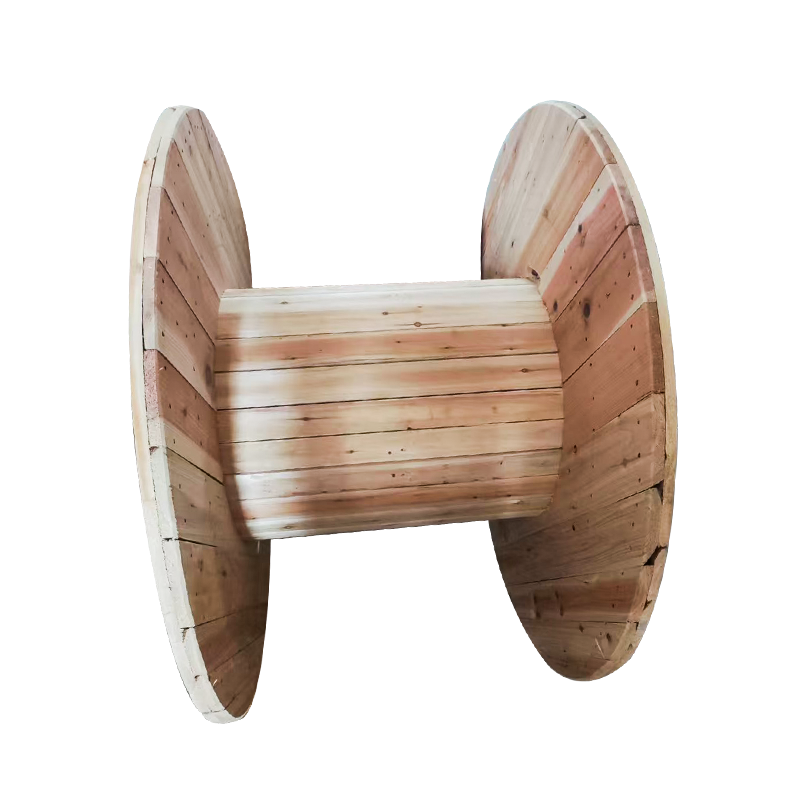
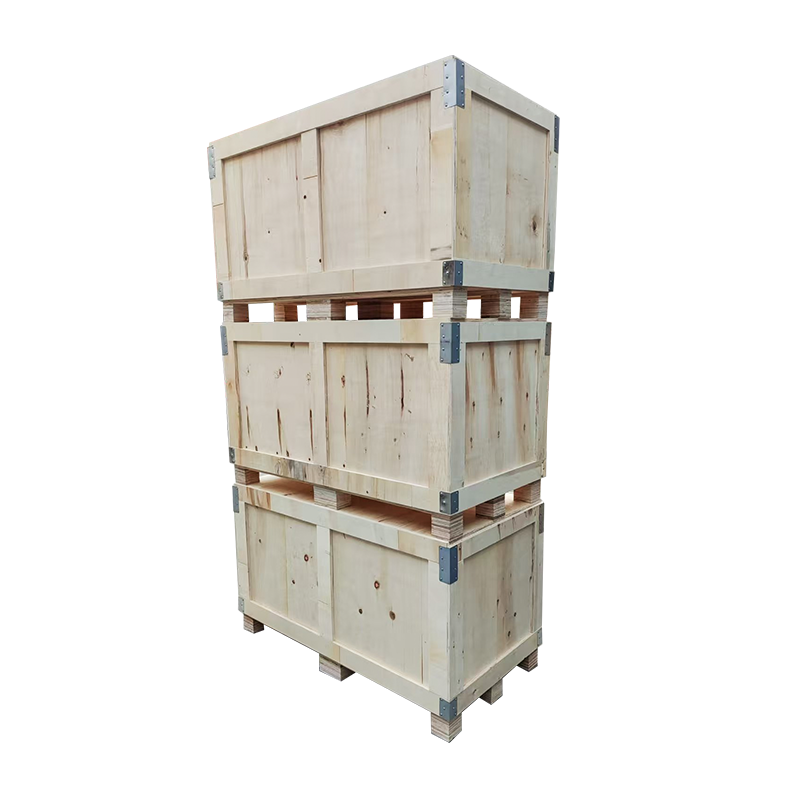
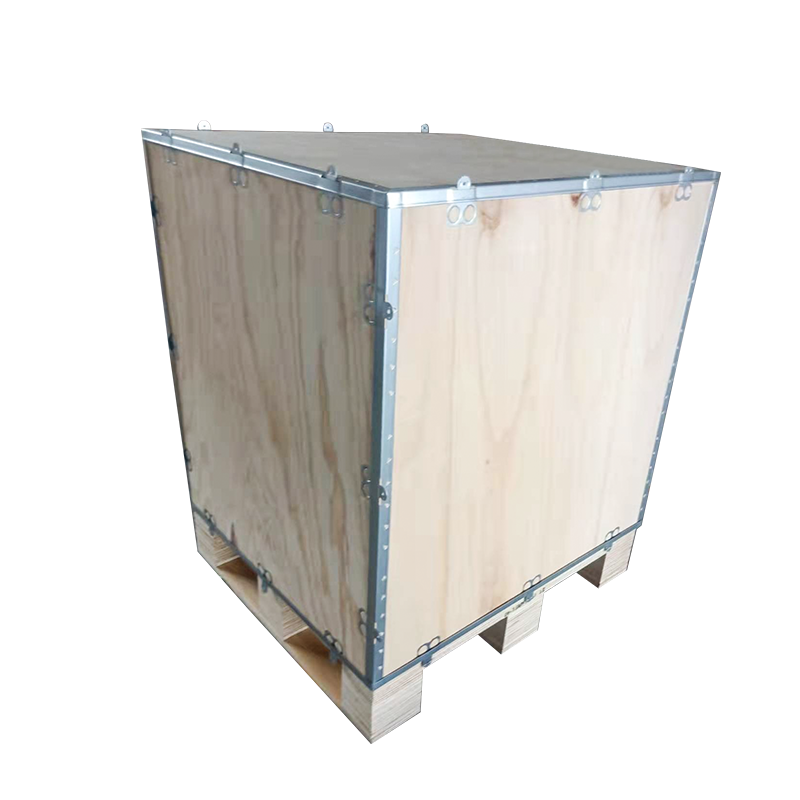
Wooden reels absorb water, leading to swelling, warping, and rot that compromises cable protection. Plastic drums feature non-porous surfaces that repel rain, humidity, and submersion without degradation.
Laboratory testing demonstrates that polyethylene drums exposed to continuous saltwater spray for 5,000 hours showed zero structural deterioration. Comparable wooden reels exhibited 35% weight increase from water absorption and complete flange separation within 800 hours. Field data from North Sea offshore operations confirms plastic drums maintain dimensional stability through 200+ deployment cycles in marine atmospheres.
Advanced UV stabilizers in industrial-grade plastic drums prevent brittleness and cracking under prolonged sun exposure. Temperature resistance spans -40°C to +80°C without material fatigue, whereas wooden reels suffer splitting and fastener loosening across thermal cycles.
Industrial environments expose cable drums to oils, solvents, acids, and alkaline substances that rapidly degrade organic materials. Plastic polymer construction offers inherent chemical resistance that wooden reels cannot match.
| Chemical Exposure | Plastic Drum Response | Wooden Reel Response |
|---|---|---|
| Petroleum-based hydraulic fluid | No effect after 30 days immersion | Softening and delamination within 72 hours |
| Concrete slurry (pH 12-13) | Surface rinse restores original condition | Fiber degradation and strength loss |
| Mining dust and particulates | Non-stick surface prevents accumulation | Abrasive wear and embedded contamination |
Mining operations in Western Australia documented that plastic drums reduced cable contamination incidents by 78% compared to wooden alternatives used in the same extraction zones.
Impact resistance and structural consistency define plastic drum superiority in handling and transportation scenarios where wooden reels commonly fail.
Drop testing from 1.5 meters onto concrete surfaces reveals critical performance differences:
Manufacturing precision ensures plastic drums maintain uniform wall thickness and flange alignment, eliminating weak points that plague wooden reels with natural grain variations and knot defects. Rotational molding produces seamless construction capable of supporting 5,000 kg static loads without stress concentration failures common in laminated wood structures.
Total cost of ownership calculations favor plastic drums through extended service intervals and reduced maintenance requirements despite higher initial purchase prices.
A three-year comparative study across European utilities tracked drum performance metrics:
Plastic drums offer 15-20% weight reduction at equivalent load ratings, reducing freight costs and manual handling injuries. Stackable designs permit nested storage requiring 40% less warehouse space than rigid wooden reel configurations.
Environmental performance extends beyond material sourcing to encompass end-of-life processing and regulatory alignment with modern waste management standards.
High-density polyethylene drums achieve full material recovery through established recycling streams, converting retired units into new industrial products. Wooden reels face limited recycling options, with 70% of discarded units entering landfill due to chemical treatment contamination and metal fastener complications.
Plastic drum manufacturing adheres to ISO 9001 quality management and ISO 14001 environmental standards. Compliance with IPPC ISPM-15 phytosanitary regulations eliminates wooden reel treatment documentation requirements for international shipments, reducing customs delays and fumigation costs averaging $120 per container.
Concrete implementation examples validate plastic drum advantages across diverse harsh environment scenarios.
North Sea wind projects utilizing plastic drums for subsea cable deployment report 99.2% drum integrity rates through complete installation phases. Previous wooden reel deployments experienced 23% field failure rates requiring emergency replacements and project delays averaging 48 hours per incident.
Sahara region solar installations expose drums to sand abrasion, extreme thermal cycling, and minimal humidity. Plastic drums maintained specification tolerances through 18-month construction periods while wooden reels required replacement every 4-6 months due to desiccation cracking and fastener failure.
Sub-zero operations in Alaska and northern Canada demonstrate plastic drum flexibility retention at temperatures where wooden reels become brittle and fracture-prone. Cold impact testing at -45°C confirms polyethylene maintains 85% of ambient temperature impact resistance, while laminated wood structures lose 60% of structural capacity.
Transitioning to plastic drums requires evaluation of specific operational parameters to maximize performance benefits.
Key selection criteria include:
Organizations completing comprehensive transitions report payback periods of 8-14 months based on durability improvements and reduced cable damage losses. Procurement teams should prioritize drums manufactured through rotational molding processes ensuring uniform wall thickness and molecular consistency throughout the structure.
Related Products

Contact us
Address
No. 19, Hualong Industrial Park, Linglong Street, Lin'an District, Hangzhou City, Zhejiang Province, China
Phone
+86-13357115977
QR CODE
 Cable Reel Manufacturers, Cable Packaging Reel Factory

 English
 中文简体
中文简体