Jan 09, 2026
Content
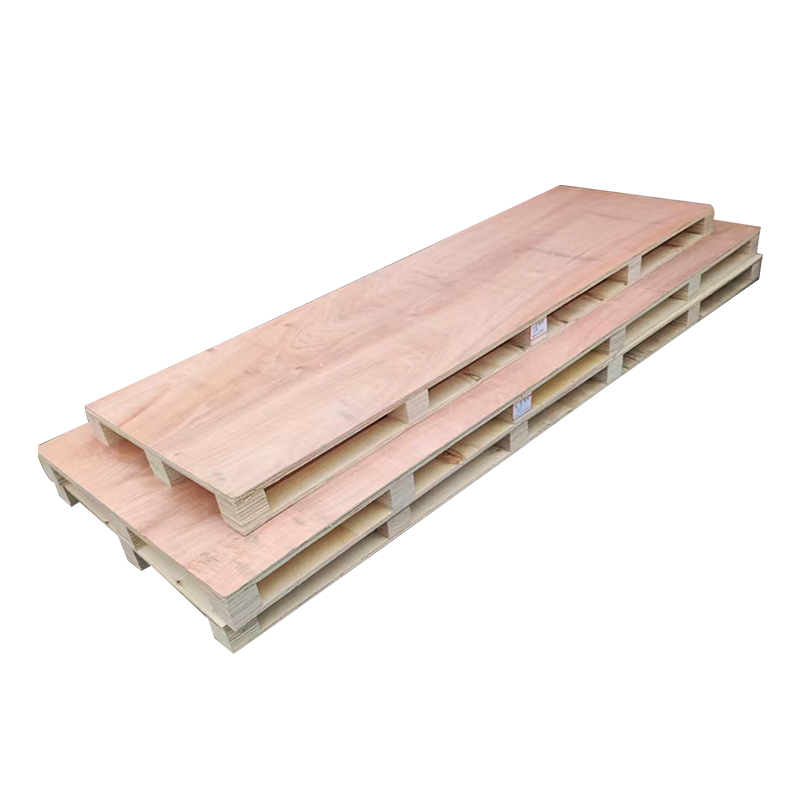
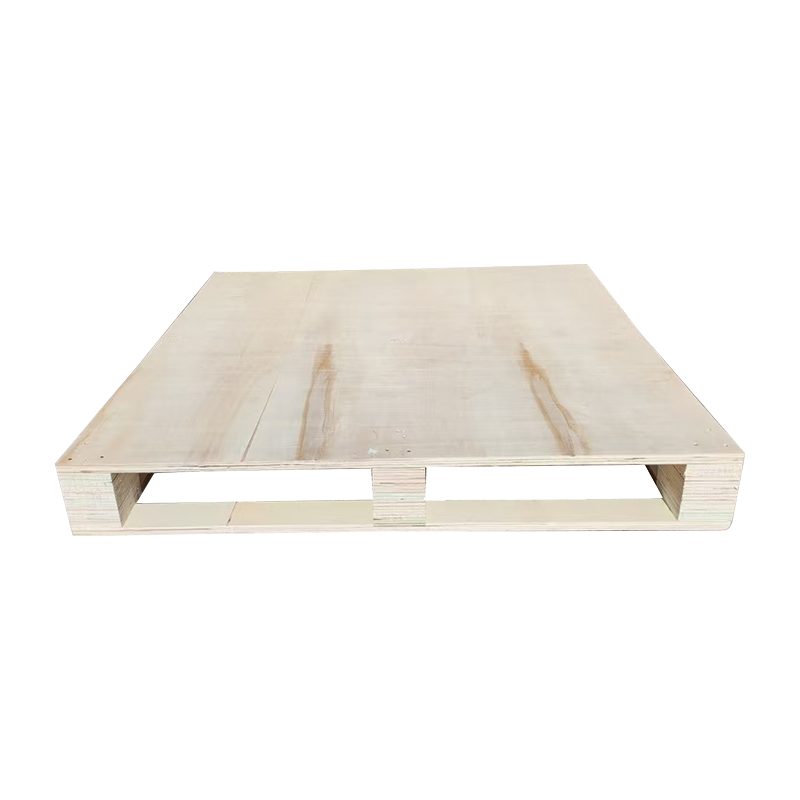
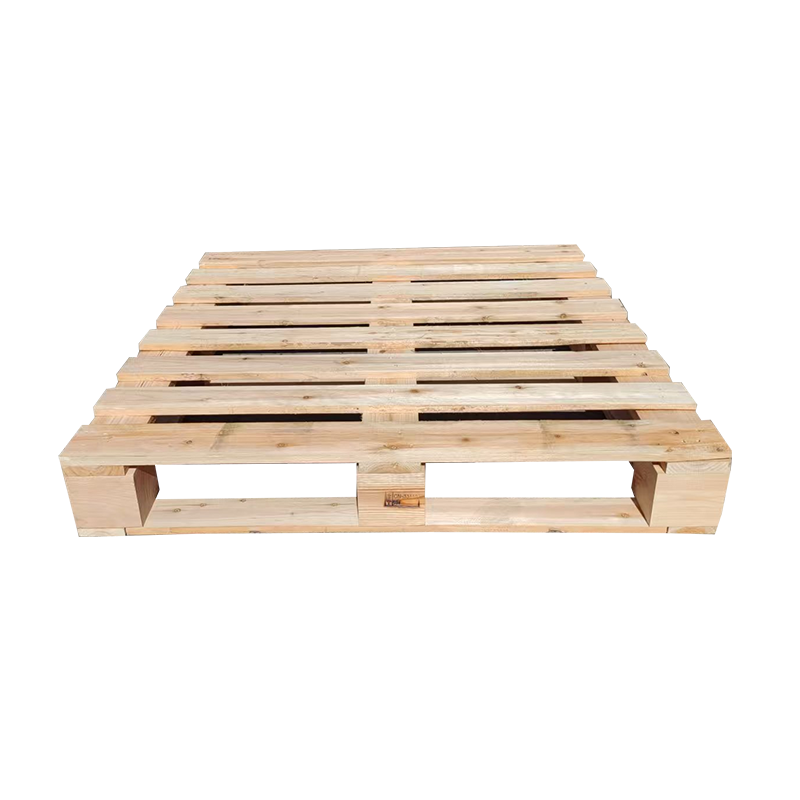
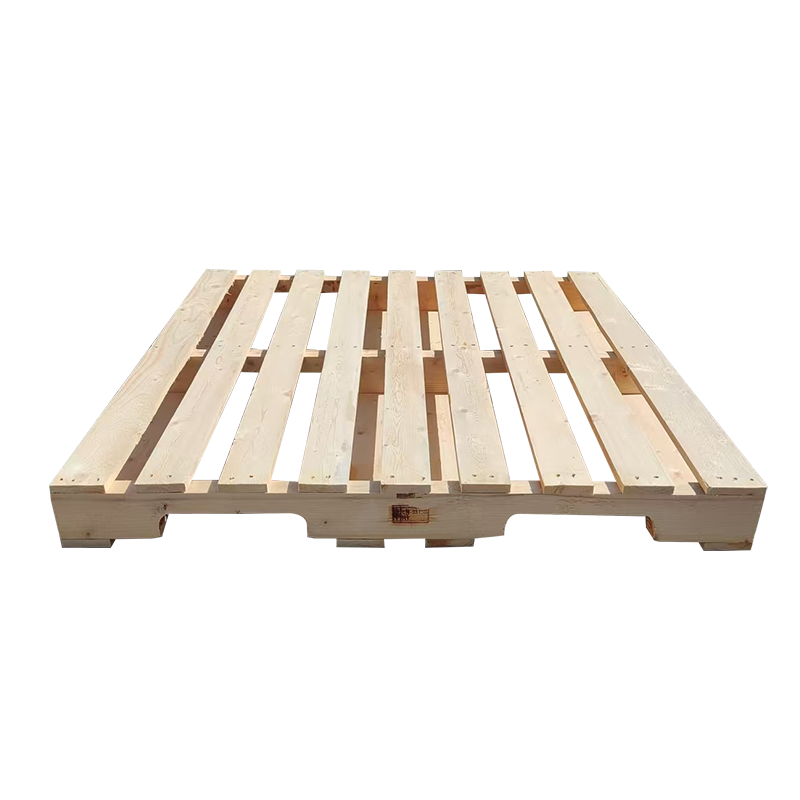
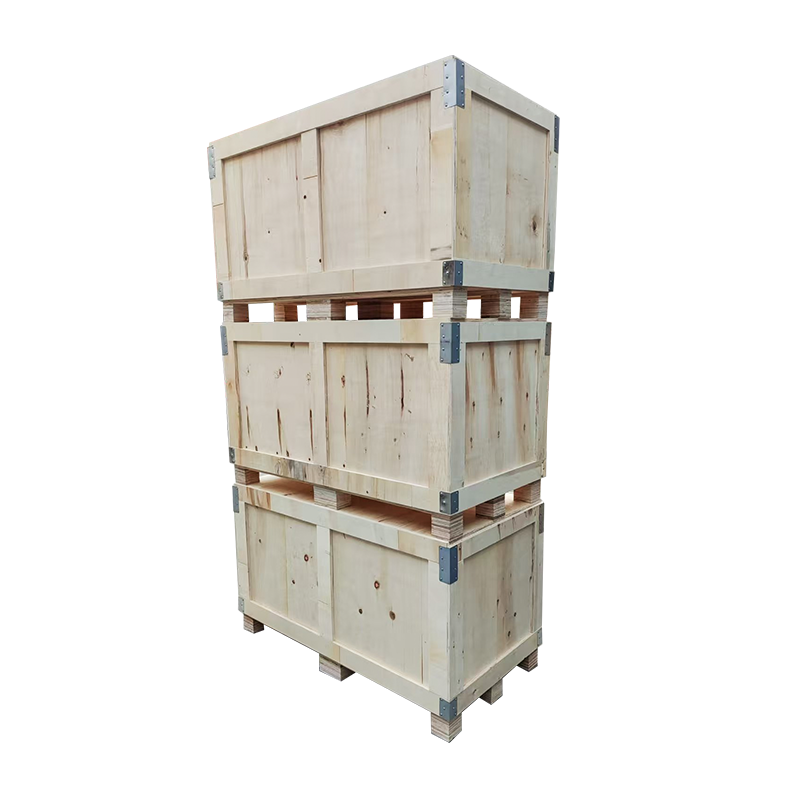
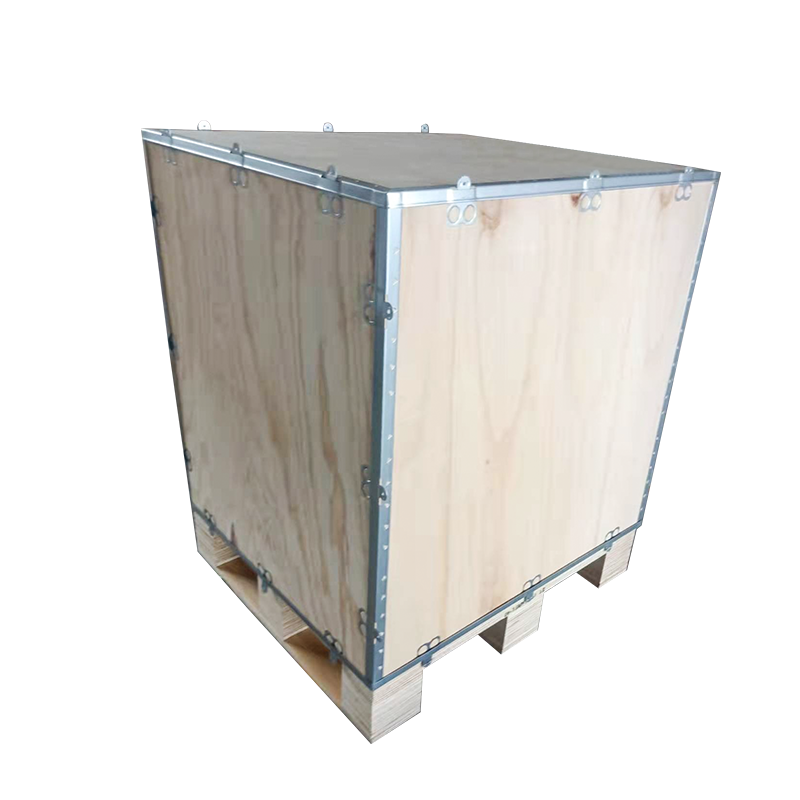
Logistics wooden box is a fundamental component in modern supply chain management. Designed to provide robust protection for goods during transit, these boxes are widely used across industries ranging from manufacturing to e-commerce. Unlike cardboard or plastic alternatives, wooden boxes offer superior durability, resistance to environmental stress, and reusability, making them a practical investment for businesses looking to reduce packaging losses.
In addition, wooden boxes can be customized to accommodate different product dimensions, weight requirements, and stacking needs. This flexibility reduces the risk of damage during handling, loading, and unloading, enhancing overall operational efficiency.
The effectiveness of a logistics wooden box depends heavily on the choice of wood and construction method. Common woods include pine, plywood, and engineered lumber, each offering a balance between strength, cost, and weight.
Solid wood is extremely durable and resistant to heavy impacts, making it ideal for high-value or fragile items. Plywood, on the other hand, is lighter and more cost-effective while still offering good structural strength. Many manufacturers use a combination of both to optimize durability and shipping efficiency.
Typical construction methods include nailed, screwed, or dovetail joints, each affecting the box's load-bearing capacity and reusability. Reinforced corners and double-layer panels are recommended for goods with high fragility, such as electronics or glassware.
A well-designed logistics wooden box should facilitate easy handling, efficient stacking, and safe transport. Key design considerations include:
Wooden boxes offer a wide range of advantages that make them a preferred choice in logistics:
Proper handling and storage are essential to maximize the lifespan of logistics wooden boxes and ensure goods arrive safely. Here are practical guidelines:
When selecting a packaging solution, it is important to understand the strengths and limitations of wooden boxes compared to alternatives like plastic crates or corrugated boxes. The following table highlights key differences:
| Feature | Wooden Box | Plastic Crate | Cardboard Box |
| Durability | High | Medium | Low |
| Weight | Medium-High | Low | Very Low |
| Cost | Medium | High | Low |
| Reusability | High | Medium | Low |
Incorporating logistics wooden boxes into your supply chain strategy enhances the safety, efficiency, and sustainability of transporting goods. By selecting the right materials, using proper construction techniques, and following handling best practices, businesses can minimize product damage, reduce costs, and achieve long-term operational benefits.
Whether shipping fragile electronics, heavy machinery, or perishable goods, wooden boxes remain a versatile and reliable choice, demonstrating that practical, well-designed packaging is a cornerstone of modern logistics success.
Related Products

Contact us
Address
No. 19, Hualong Industrial Park, Linglong Street, Lin'an District, Hangzhou City, Zhejiang Province, China
Phone
+86-13357115977
QR CODE
 Cable Reel Manufacturers, Cable Packaging Reel Factory

 English
 中文简体
中文简体