Jan 16, 2026
Content
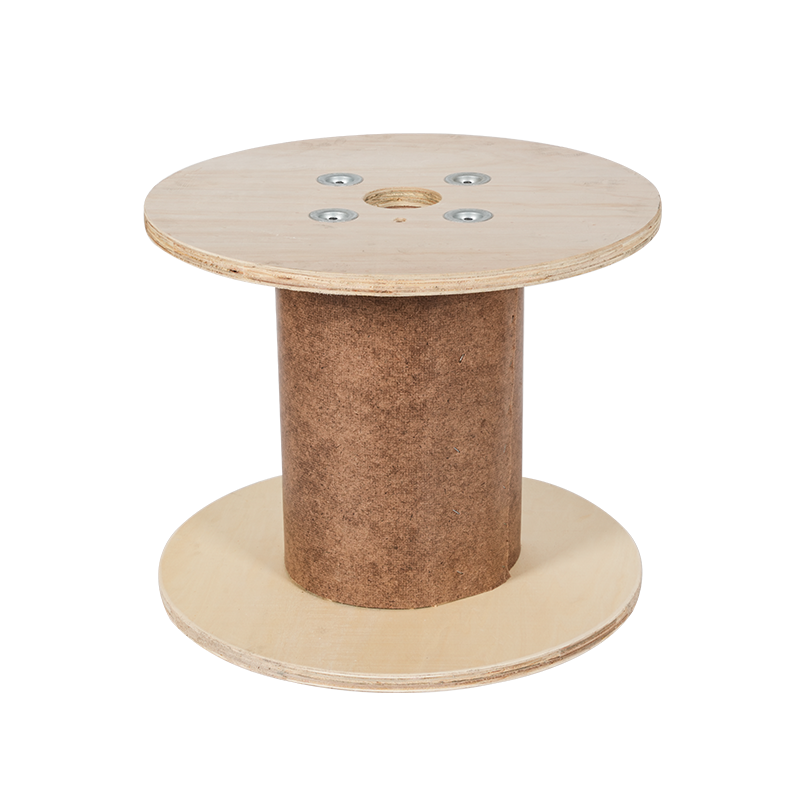
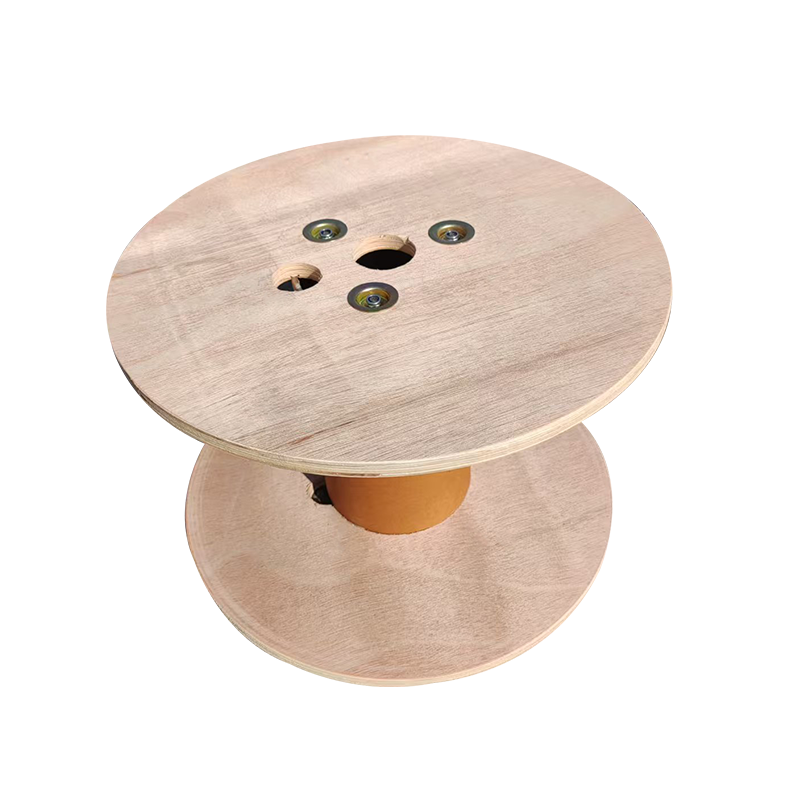
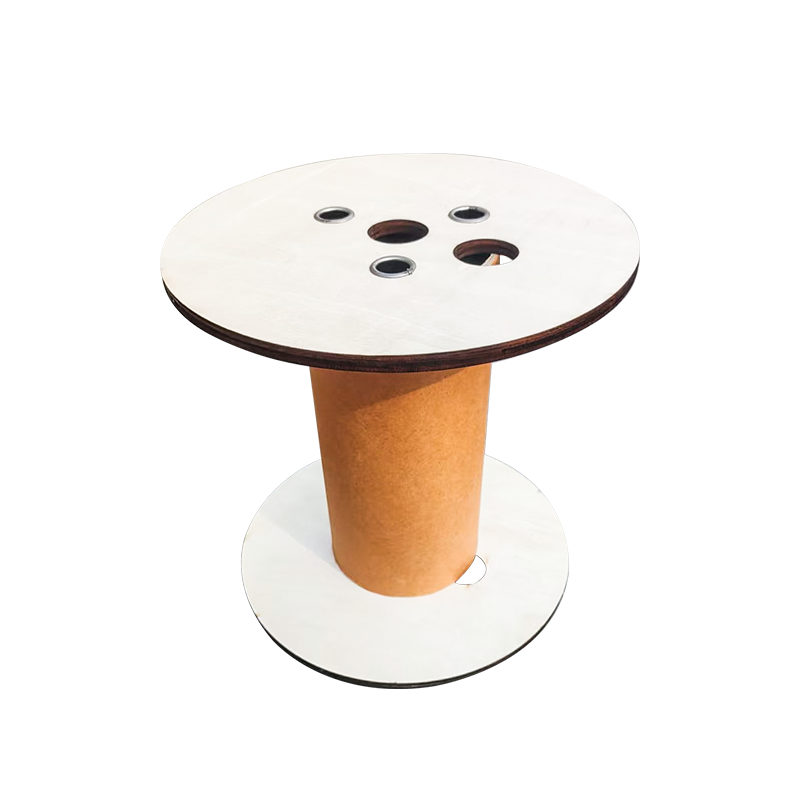
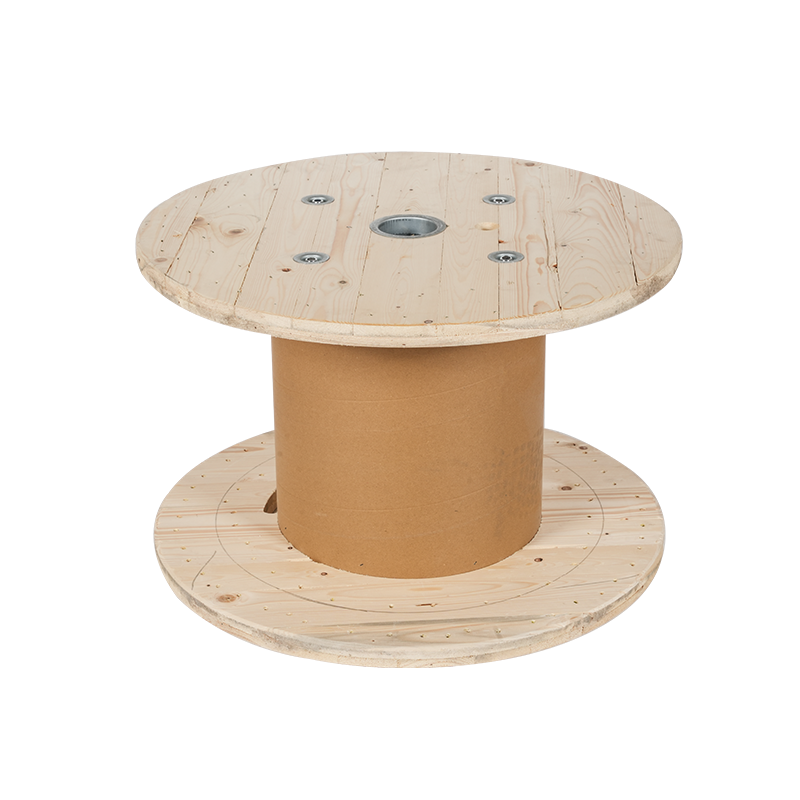
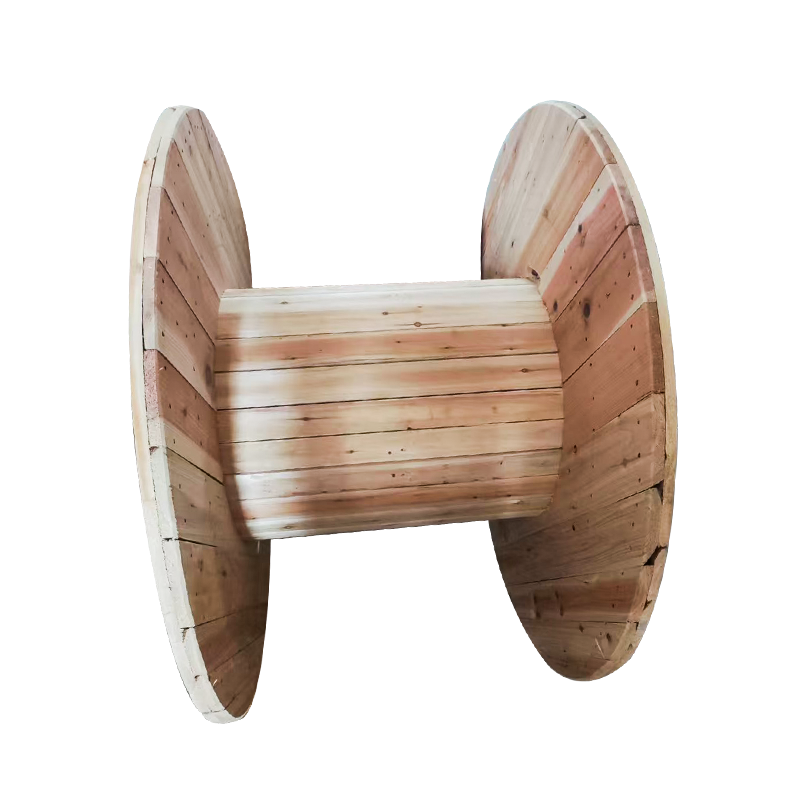
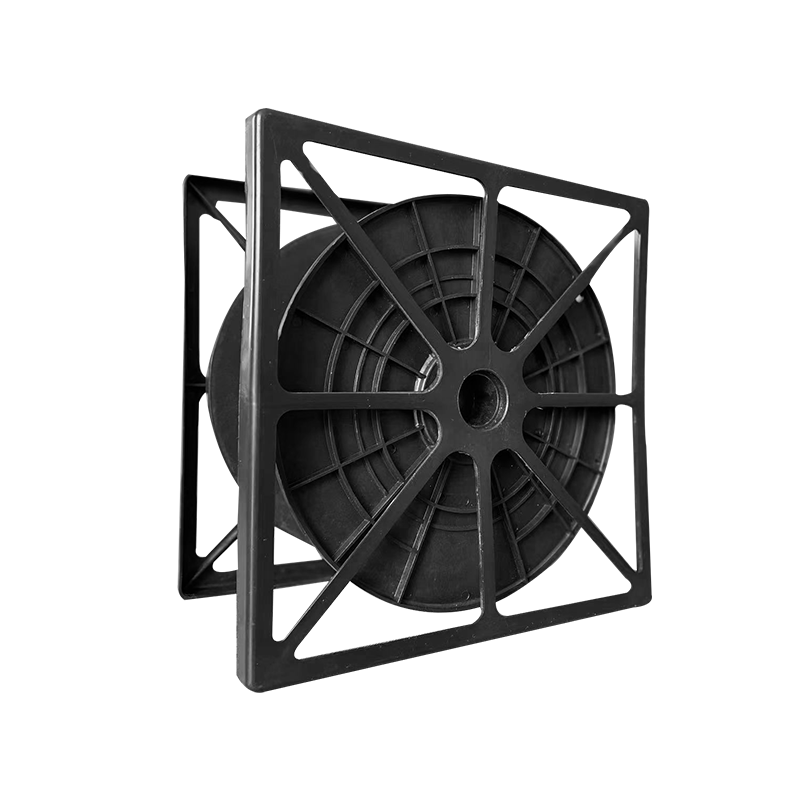
Plywood cable reel, also known as wooden cable spools, are essential tools for storing, transporting, and deploying various types of cables. They are widely used in industries such as telecommunications, electrical, and construction. Unlike metal or plastic reels, plywood reels offer a balance of strength, lightweight handling, and cost-effectiveness. They are particularly suitable for long-distance transportation and on-site cable management.
Understanding the specific features of plywood cable reels can help in selecting the right type for your project:
Choosing the correct plywood cable reel involves considering several factors related to your cable type, project size, and handling requirements.
The diameter and width of a plywood cable reel determine how much cable it can hold. Oversized reels are difficult to handle, while undersized reels may require multiple reels for the same project, increasing costs. Always calculate the total cable length and gauge before selecting a reel.
Each reel has a maximum load capacity, usually indicated by the manufacturer. Exceeding this limit can lead to reel damage or accidents during handling. Choose reels that exceed the weight of your fully loaded cables for safety and durability.
Plywood reels are susceptible to moisture, which can lead to warping or weakening. For outdoor storage, consider waterproof coatings or protective covers. Indoor storage in a dry environment is ideal for extending the reel’s lifespan.
Proper handling and transportation methods are crucial for maintaining the integrity of plywood cable reels and the cables they hold.
For small and medium reels, manual handling may be possible. Always lift using proper techniques to avoid injuries. Use straps or slings to stabilize the reel during movement.
Large or heavy reels require forklifts, reel jacks, or cable reel trolleys. Ensure that lifting equipment is rated for the reel’s weight. Secure the reel during transport to prevent rolling or tipping.
During road transport, reels should be fastened with straps or chains. Position reels on a flat surface and use chocks to prevent movement. Always comply with local transport regulations for heavy loads.
Plywood cable reels are versatile and can be repurposed for multiple applications beyond cable storage.
Maintaining plywood cable reels properly ensures longer service life and prevents damage to the stored cables.
Check for signs of cracking, splintering, or loose fasteners before and after each use. Replace damaged reels immediately to avoid cable damage or safety hazards.
Store reels on a flat surface, ideally indoors or under a waterproof cover. Avoid stacking too many reels to prevent deformation.
Remove dirt, grease, and moisture regularly. Light sanding of splintered areas can prevent cable abrasion and maintain reel integrity.
Understanding the differences between plywood, metal, and plastic reels can help make an informed decision.
| Feature | Plywood Reels | Metal Reels | Plastic Reels |
| Weight | Light | Heavy | Light |
| Cost | Low | High | Medium |
| Durability | Moderate | High | Moderate |
| Environmental Impact | Low | High | Medium |
| Best Use | Temporary projects, cable transport | Heavy-duty, long-term use | Lightweight, moisture-sensitive applications |
Plywood cable reels are practical, cost-effective solutions for cable storage, transport, and deployment. Selecting the right size, understanding load capacities, and maintaining reels properly can extend their lifespan and ensure safe operations. By following practical handling and storage techniques, industries can maximize efficiency while minimizing costs and environmental impact.
Related Products

Contact us
Address
No. 19, Hualong Industrial Park, Linglong Street, Lin'an District, Hangzhou City, Zhejiang Province, China
Phone
+86-13357115977
QR CODE
 Cable Reel Manufacturers, Cable Packaging Reel Factory

 English
 中文简体
中文简体