Dec 24, 2025
Content
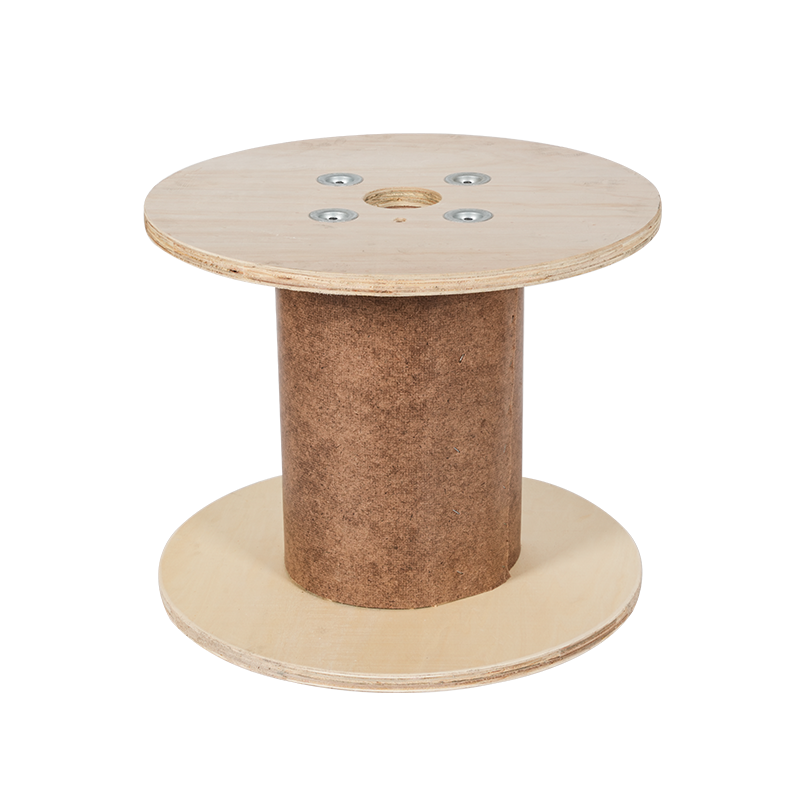
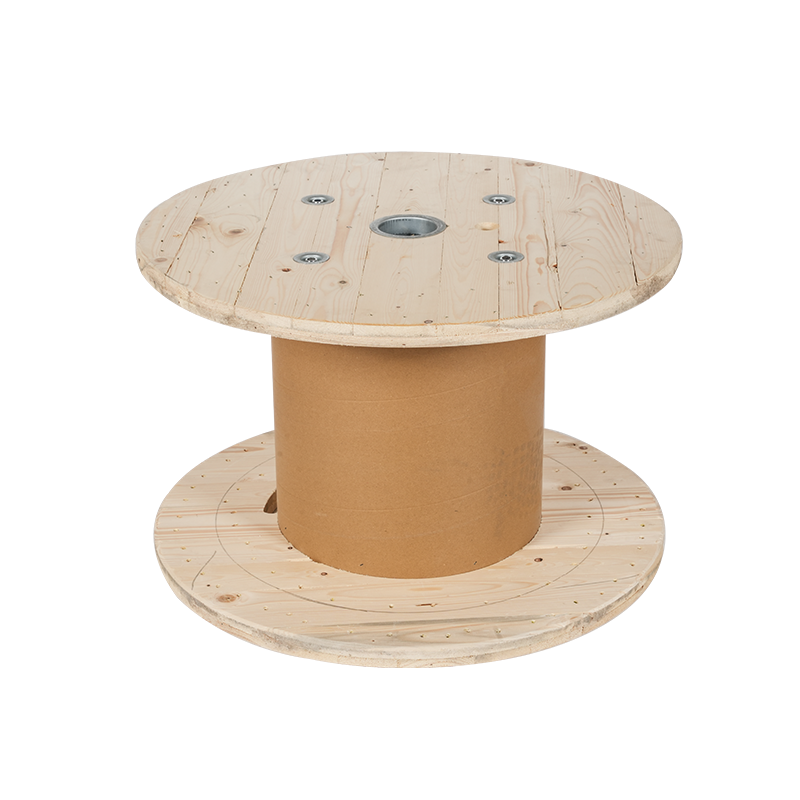
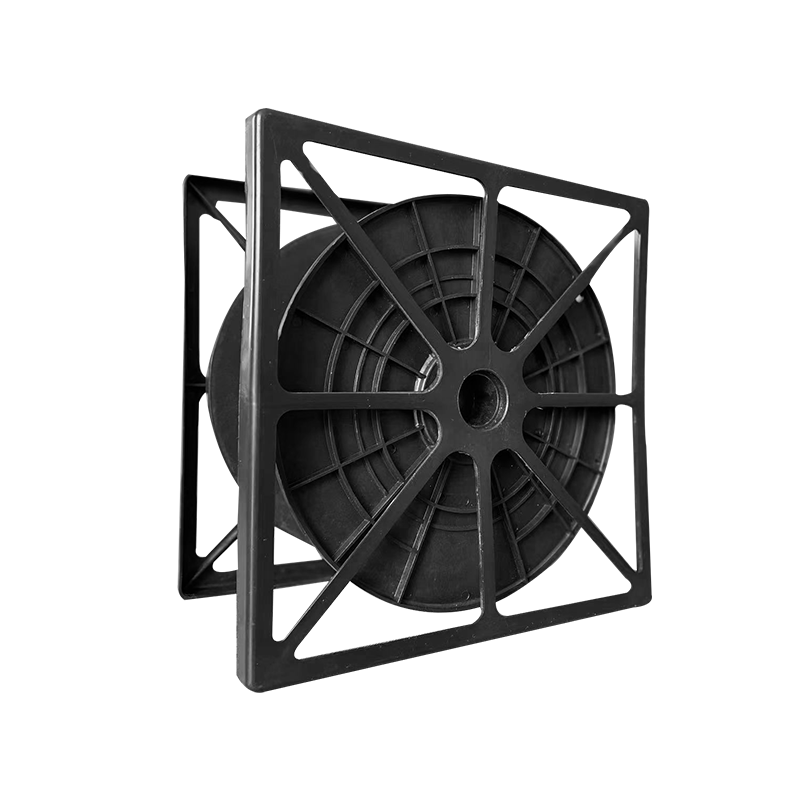
Paper cable reel, also known as fiberboard or cardboard cable reels, are cylindrical drums primarily used for storing and transporting various types of electrical cables, wires, and optical fibers. Their lightweight and recyclable construction makes them a preferred choice over traditional wooden or plastic reels, especially for medium to lightweight cables. These reels help protect cables from tangling, damage, and environmental factors during transportation and storage.
Paper cable reels come in several variations depending on the construction material, strength, and intended usage. Choosing the right type ensures safe handling and reduces wastage.
These are basic reels made entirely from layered cardboard. They are ideal for lightweight cables and short-distance shipping. Standard reels are cost-effective but have limited load-bearing capacity and may deform under heavy loads or moisture.
Reinforced paper reels include additional layers or a thin metal/wooden core to support heavier cables. They are more durable, resistant to deformation, and suitable for medium to heavy-duty applications, including industrial electrical wiring or telecommunications cables.
Some manufacturers offer custom-sized reels to accommodate specific cable lengths, diameters, or special handling requirements. This customization ensures optimal space usage and minimizes cable damage during winding and unwinding.
Paper cable reels are widely used across multiple industries due to their versatility and environmental benefits.
Electricians and utility companies often rely on paper reels to store and transport low to medium-voltage cables. These reels facilitate easy unwinding during installation and help organize large amounts of cable efficiently.
Fiber optic and networking cables require careful handling to avoid kinks or breaks. Paper reels provide smooth surfaces and controlled tension during transport, ensuring that sensitive cables remain intact and functional.
At construction sites, temporary wiring setups often require portable and lightweight reels. Paper cable reels are easy to move around and can be disposed of or recycled after the project, reducing logistical challenges.
Proper storage and handling prolong the lifespan of paper cable reels and the cables they carry. Observing a few practical measures can prevent damage and ensure safety.
One of the main advantages of paper cable reels is their recyclability. Companies and individuals can reduce environmental impact by following proper disposal and recycling methods.
Paper cable reels can be recycled like other cardboard products. The recycling process involves collection, shredding, pulping, and reforming into new cardboard sheets. Removing any non-paper components, such as metal cores or plastic covers, enhances recycling efficiency.
Before recycling, reels can be reused for short-term cable storage, DIY projects, or shipping other materials. Reusing reduces waste and provides a cost-saving solution for small businesses or contractors.
Selecting the right paper reel depends on cable type, weight, and handling requirements. Consider the following factors:
| Factor | Considerations |
| Cable Weight | Heavier cables need reinforced or custom reels |
| Cable Type | Fiber optics require smooth surfaces and gentle winding |
| Storage Conditions | Moisture exposure requires coated or treated reels |
| Reusability | Reusable reels may require stronger cores and edge protection |
Paper cable reels are an eco-friendly, practical, and versatile solution for storing, transporting, and managing cables across various industries. By understanding the types, applications, storage tips, and recycling methods, businesses and individuals can maximize efficiency while minimizing environmental impact. Choosing the right reel for the cable type and load ensures safety, reduces waste, and enhances workflow efficiency.
Related Products

Contact us
Address
No. 19, Hualong Industrial Park, Linglong Street, Lin'an District, Hangzhou City, Zhejiang Province, China
Phone
+86-13357115977
QR CODE
 Cable Reel Manufacturers, Cable Packaging Reel Factory

 English
 中文简体
中文简体