Dec 19, 2025
Content
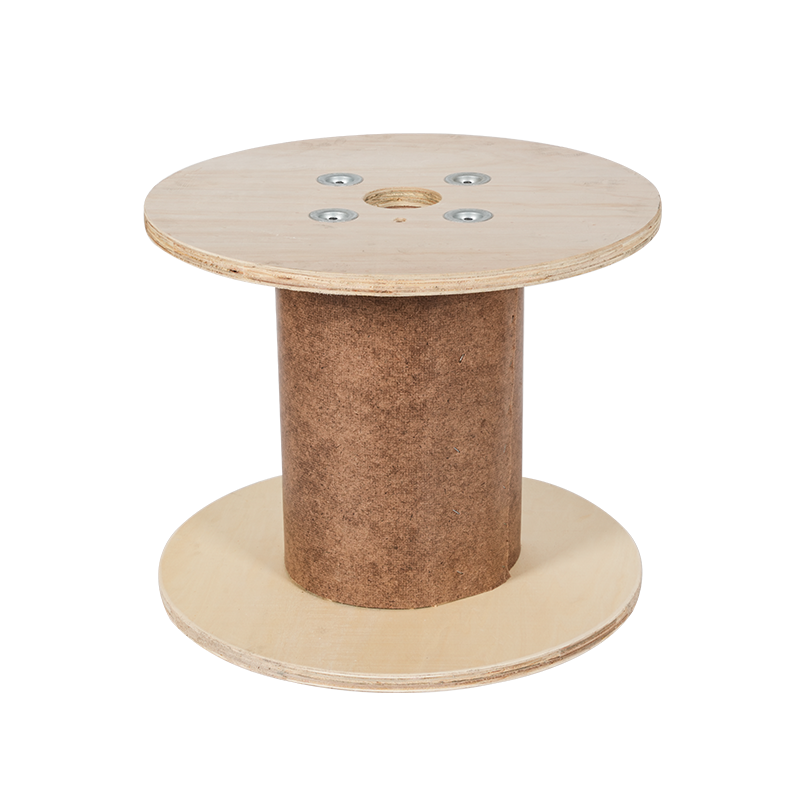
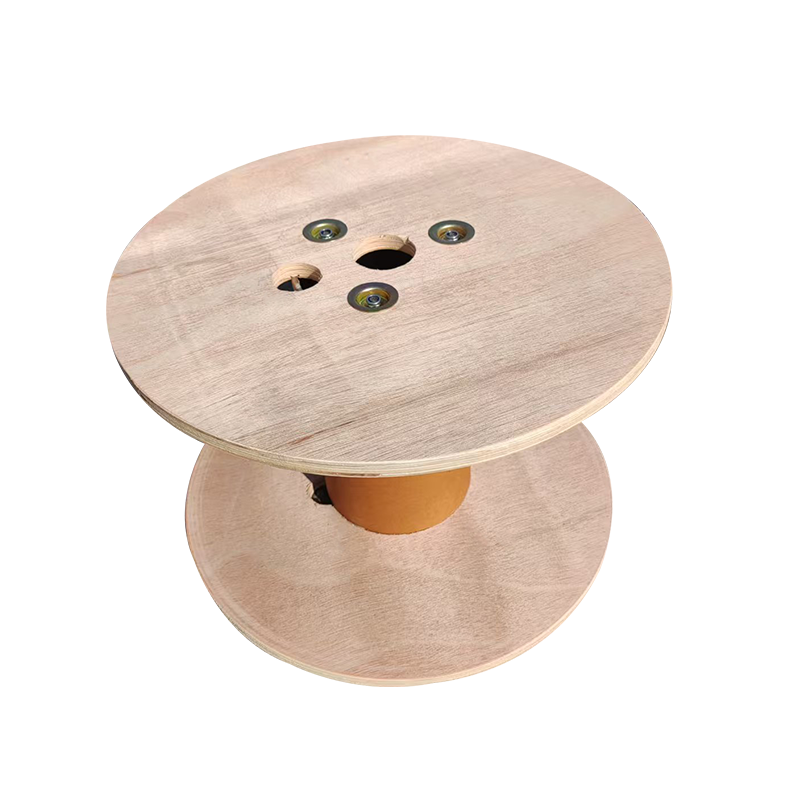
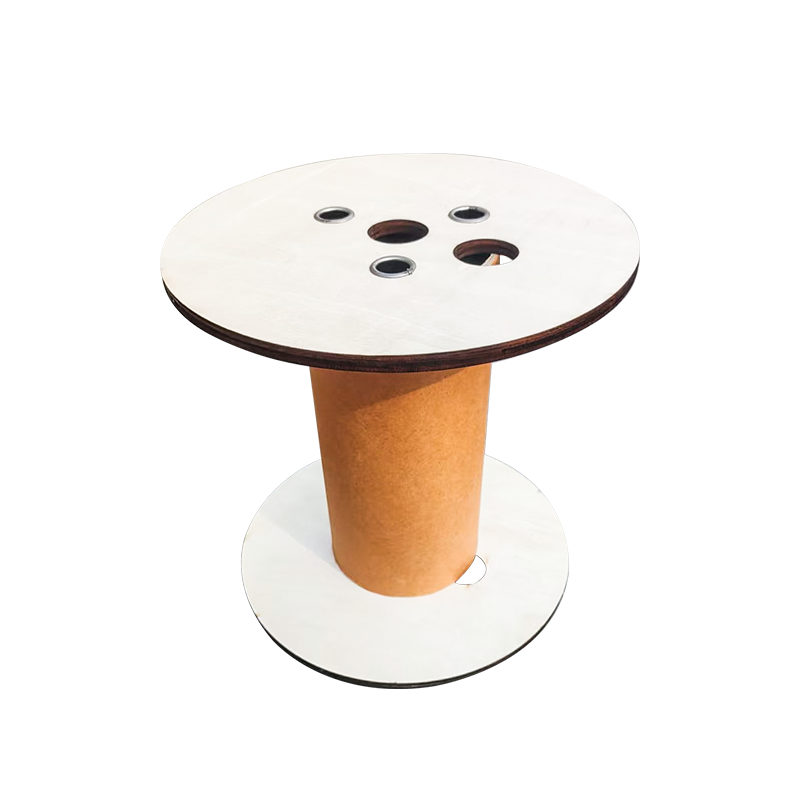
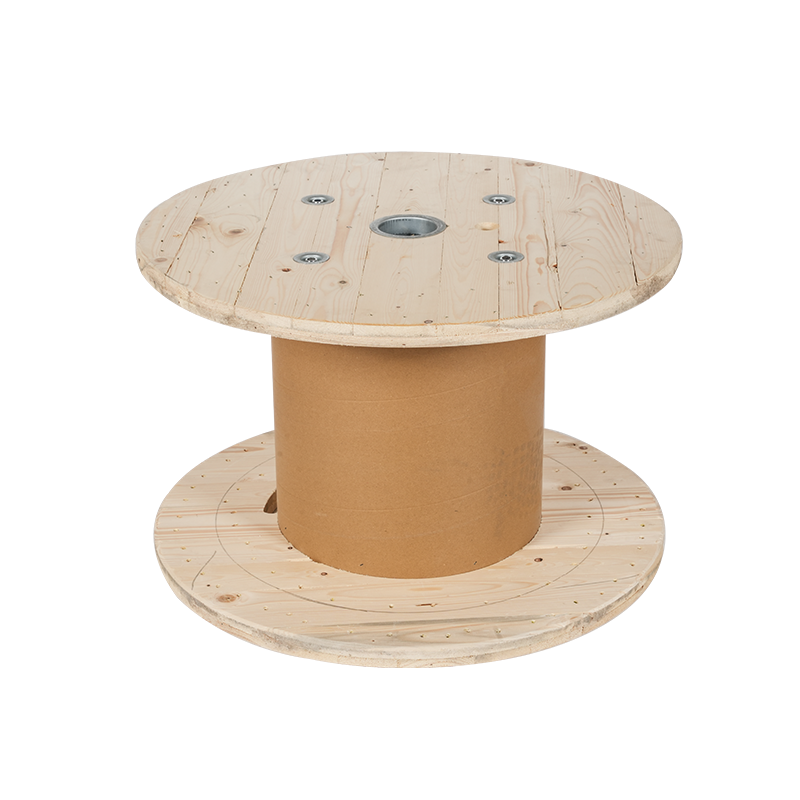
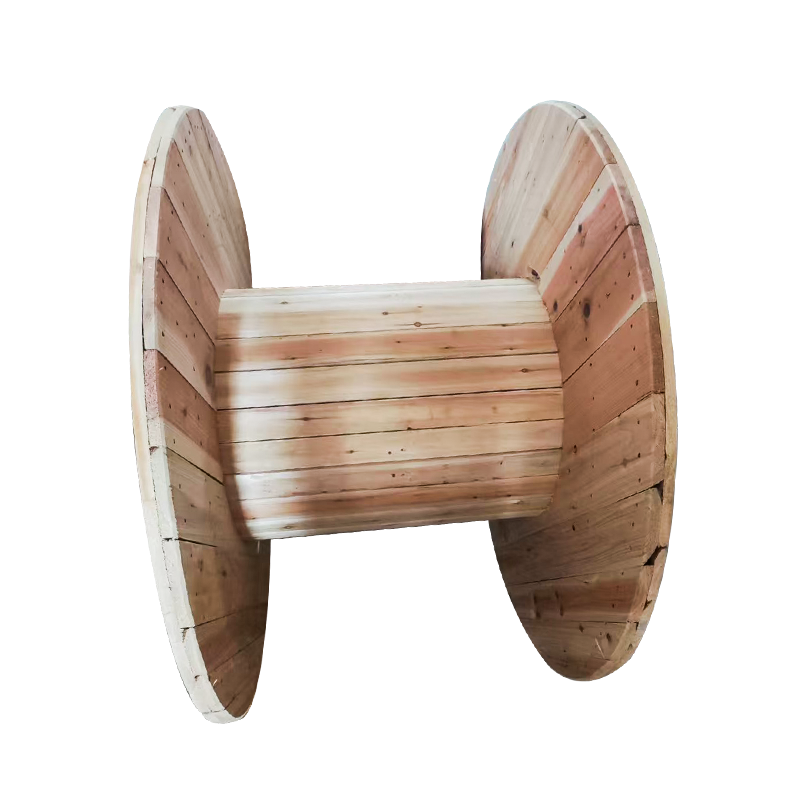
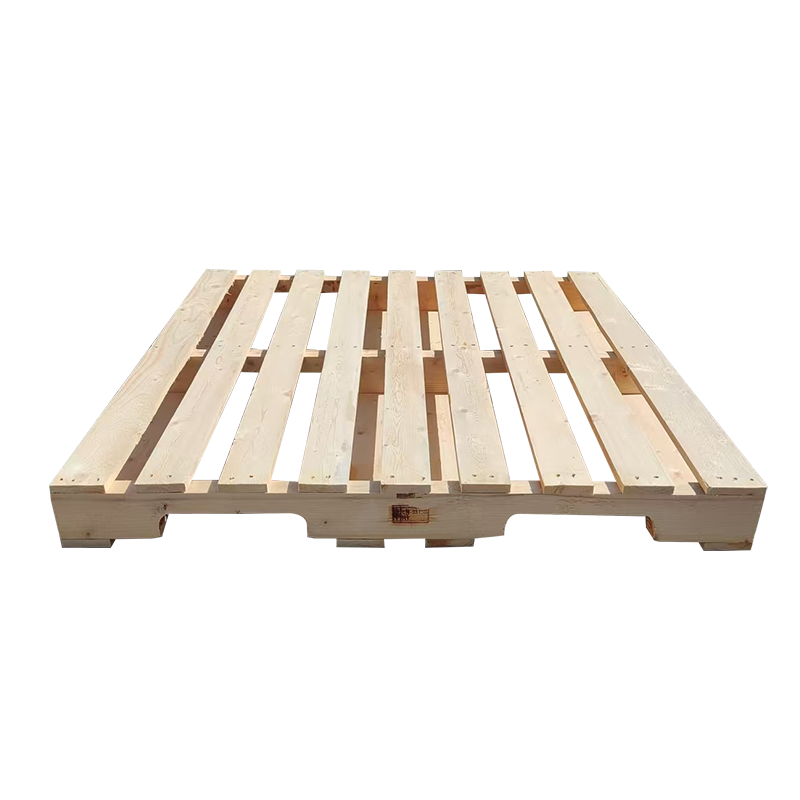
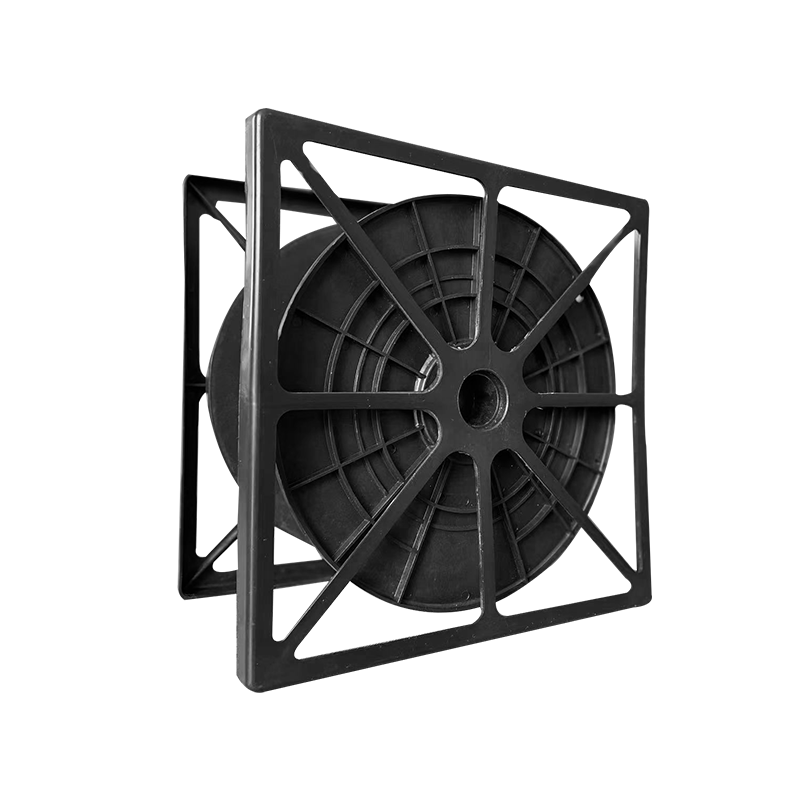
Fumigated solid wood cable reel are specialized wooden spools treated to prevent pest infestations during international transport. These reels are widely used in industries such as electrical, telecommunications, and construction, where large amounts of cable need to be stored and transported efficiently. Proper fumigation ensures compliance with international phytosanitary standards and protects both the cargo and the environment.
Using fumigated solid wood reels provides several advantages beyond pest control. They are durable, reusable, and capable of supporting heavy cable loads without warping. Additionally, these reels reduce the risk of contamination or damage during shipping, making them a preferred choice for global logistics.
Fumigation is a critical step in preparing solid wood cable reels for export. Typically, methyl bromide or heat treatment is applied to eliminate pests. The process must comply with the International Standards for Phytosanitary Measures No. 15 (ISPM-15), which defines treatment requirements and marks treated wood with a recognizable stamp.
Heat treatment involves heating the wood to a core temperature of at least 56°C for a minimum of 30 minutes. This method is environmentally friendly, avoids chemical residues, and is widely accepted for international shipments.
Chemical fumigation typically uses methyl bromide to eliminate insects within the wood. While effective, it requires strict handling procedures and proper ventilation to ensure safety for workers and compliance with environmental regulations.
Choosing the correct reel depends on cable type, length, weight, and transport conditions. Factors such as hub diameter, flange thickness, and overall reel diameter should match the mechanical properties of the cable. A well-selected reel reduces cable damage, facilitates installation, and enhances overall efficiency.
Solid wood is preferred due to its high load-bearing capacity and resilience. Hardwoods such as oak or maple offer superior strength, while softwoods may require additional reinforcement. Quality checks for knots, cracks, and moisture content are essential to maintain reel integrity during handling.
The reel size must accommodate cable length without overloading the hub. Overloading can lead to warping or cracking. Manufacturers often provide load capacity charts, which should be consulted before ordering.
Proper handling and storage are crucial to extend the life of fumigated solid wood cable reels. Reels should be stored on level surfaces, secured against rolling, and protected from prolonged exposure to moisture or direct sunlight. Forklifts or specialized lifting equipment are recommended for moving heavy reels safely.
| Feature | Fumigated Reel | Non-Fumigated Reel |
| Pest Protection | Yes | No |
| International Compliance | ISPM-15 Certified | Not Certified |
| Reusability | High | Moderate |
| Durability | Excellent | Variable |
Fumigated solid wood cable reels are essential for industries requiring safe and efficient cable transport. By adhering to international standards, selecting the right materials, and following proper handling and storage practices, businesses can ensure longevity, compliance, and cost-effectiveness in cable management operations.
Related Products

Contact us
Address
No. 19, Hualong Industrial Park, Linglong Street, Lin'an District, Hangzhou City, Zhejiang Province, China
Phone
+86-13357115977
QR CODE
 Cable Reel Manufacturers, Cable Packaging Reel Factory

 English
 中文简体
中文简体