Jul 10, 2026
Content
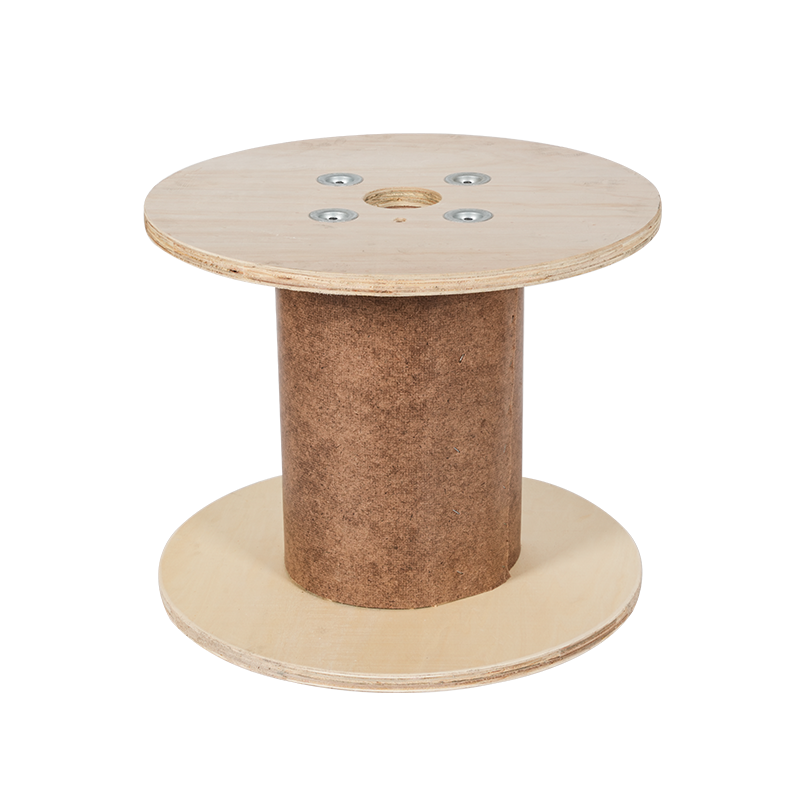
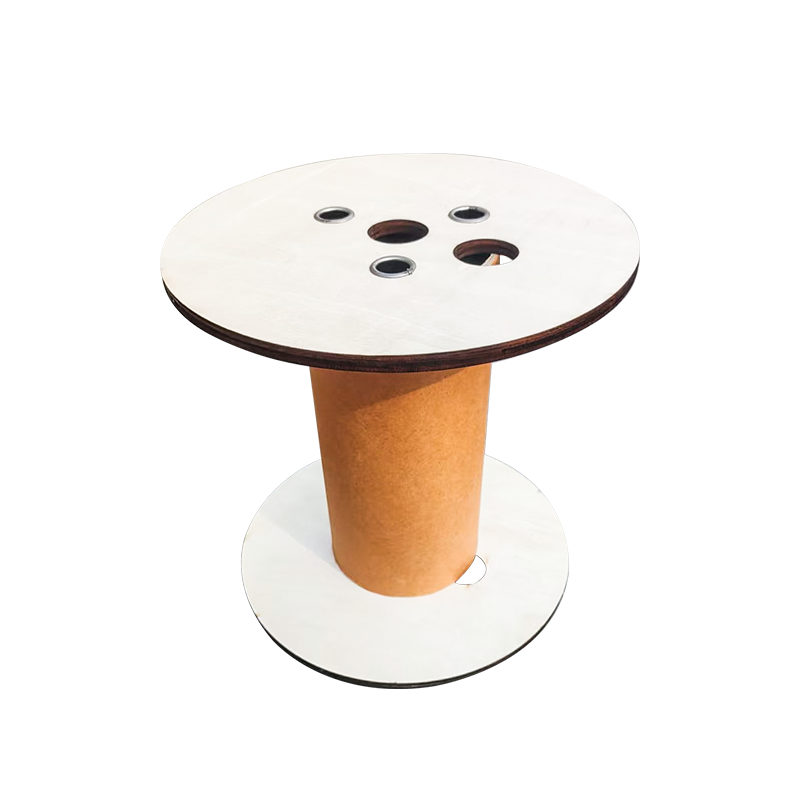
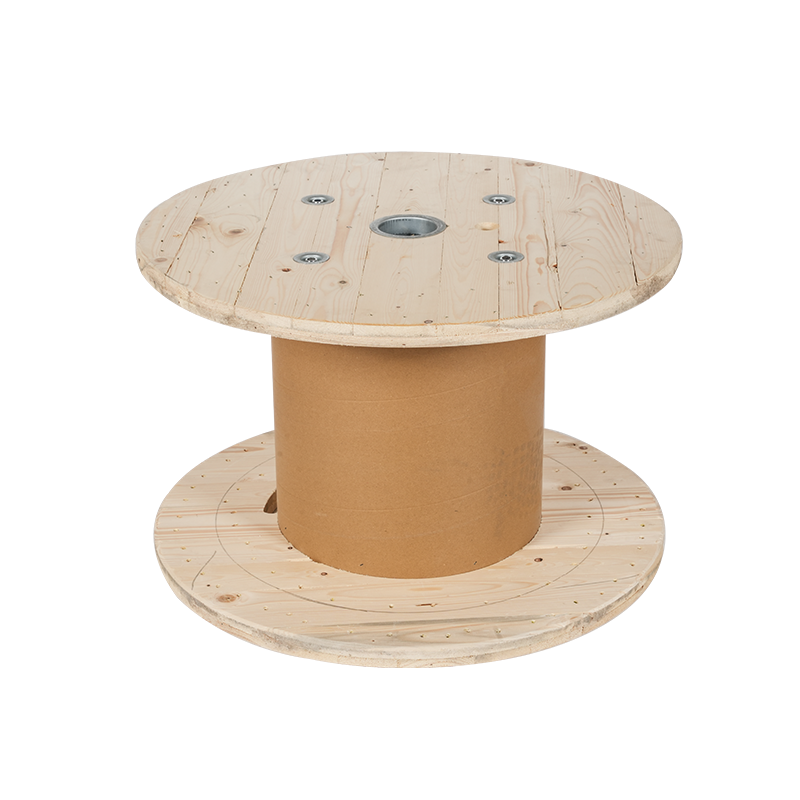
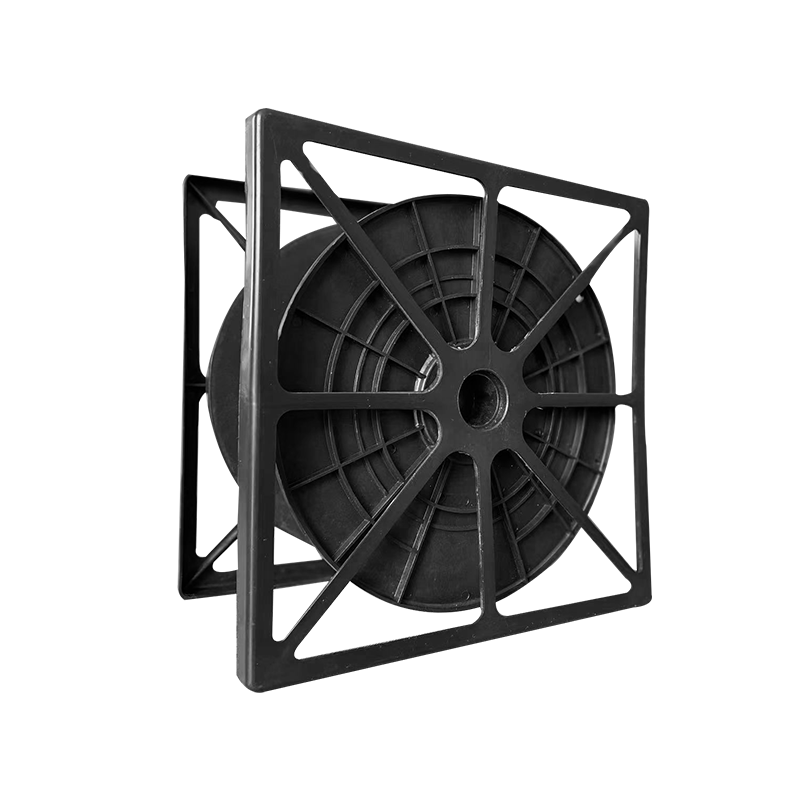
Paper cable reels deliver a lightweight, cost-efficient, and fully recyclable alternative to wooden or plastic spools, especially for short-distance cable distribution, indoor storage, and temporary installations. Their intrinsic advantage lies in a combination of reduced dead weight, lower manufacturing expenses, and a smaller environmental footprint. While they are not designed for extreme heavy-duty outdoor use, for the majority of retail packaging, telecommunication wiring, and light industrial cabling tasks, a paper reel outperforms bulkier options by simplifying handling and cutting freight costs. The core takeaway is straightforward: when the operating environment is dry and the mechanical demands are moderate, choosing a paper cable reel immediately improves logistics efficiency and waste management without sacrificing functional reliability.
Modern paper cable reels are constructed from high-strength kraft paperboard, laminated and compressed under controlled pressure to form dense flange and barrel sections. The structural integrity comes from multiple layers of adhesive-bonded paper, often combined with a moisture-resistant coating applied to the outer surfaces. This engineering yields impressive compression and radial strength. In independent laboratory pull tests, a standard reel with a 300 mm flange diameter and a 50 mm barrel core consistently supports a static load of up to 25 kg of copper cabling without deformation. The table below illustrates the relationship between common reel dimensions and their safe working loads, based on tests conducted on spirally wound paper cores.
| Flange Diameter (mm) | Barrel Diameter (mm) | Flange Thickness (mm) | Max Static Load (kg) |
|---|---|---|---|
| 200 | 45 | 6 | 12 |
| 250 | 55 | 8 | 18 |
| 300 | 50 | 10 | 25 |
| 400 | 75 | 12 | 35 |
The fiber orientation in the flange plies is critical. Cross-directional lamination boosts hoop strength, preventing the flange from buckling under wound cable tension. Engineers at a Hangzhou testing facility noted that increasing flange thickness by just 2 mm raised the break point by over 30 percent in dynamic shock trials, confirming that carefully specified paper reels rival the short-term durability of some lightweight plastic spools.
A paper cable reel aligns directly with circular economy principles. The primary material, kraft paper, originates from renewable wood pulp and, at the end of its service life, can be processed in standard cardboard recycling streams. A lifecycle assessment conducted on a 300 mm reel revealed that replacing an HDPE plastic reel with a paper equivalent reduces cradle-to-gate greenhouse gas emissions by approximately 68 percent. This figure accounts for raw material extraction, manufacturing energy, and transport.
Beyond production, disposal behavior matters. Paper reels decompose in an industrial composting facility within a few months, whereas plastic reels persist for centuries. Many electrical wholesalers now opt for paper spools specifically to meet corporate zero-waste targets, and they report that the absence of plastic waste surcharges in several European markets makes the total cost of ownership even more attractive. For cable manufacturers exporting to regions with strict packaging regulations, paper reels simplify compliance while preserving brand image as a sustainability-conscious supplier.
The light weight and modular design of paper cable reels unlock specific operational advantages. The following industries are the most frequent adopters:
These reels perform best in controlled humidity environments. A relative humidity below 65 percent prevents any measurable swelling, ensuring the barrel remains perfectly cylindrical and the flange run-out stays within tolerance. For outdoor use, a short-term water-repellent coating can be applied, but sustained exposure to rain or ground moisture should be avoided to preserve structural integrity.
To extract maximum life and performance from a paper cable reel, a few straightforward handling practices make a measurable difference. Incorporating them into standard operating procedures prevents premature damage and reduces material waste.
Keep reels in a dry, well-ventilated warehouse with a temperature between 15 and 30 degrees Celsius. Stack paper reels flat on pallets rather than on their flanges to avoid edge pressure marks. Maintain a gap of at least 10 cm between the floor and the lowest reel to isolate it from incidental moisture.
Inspection before each use should focus on flange lamination integrity. A simple tap test reveals delamination: a sharp, consistent sound indicates solid bonding, while a dull thud suggests internal separation. Reels showing any sign of delamination should be downgraded to lighter loads or recycled immediately. Following these guidelines, many logistics managers report that paper cable reels maintain dimensional accuracy through multiple reuse cycles, further solidifying their role as a practical, sustainable packaging component.
Related Products

Contact us
Address
No. 19, Hualong Industrial Park, Linglong Street, Lin'an District, Hangzhou City, Zhejiang Province, China
Phone
+86-13357115977
QR CODE
 Cable Reel Manufacturers, Cable Packaging Reel Factory

 English
 中文简体
中文简体