Jul 03, 2026
Content
The performance of any cable management system depends on the correct match between the cable reel drum and the application. A wooden cable drum with a sturdy flange design can safely handle loads exceeding 10 tonnes, while a paper drum is typically limited to 200 kilograms but offers fumigation-free export readiness. Choosing the wrong material leads to flange breakage, core collapse, or moisture damage during transport. The decision must balance mechanical strength, environmental exposure, and total cost of ownership. Always begin by calculating the cable weight per metre, total length, and drum dimensions, then select a material and construction that provides at least a 1.5 safety factor over the maximum static load.
Four primary materials dominate the cable reel drum market. Each offers distinct mechanical properties and optimal use cases.
| Material | Typical Max Load | Common Drum Diameter Range | Key Advantages | Primary Applications |
|---|---|---|---|---|
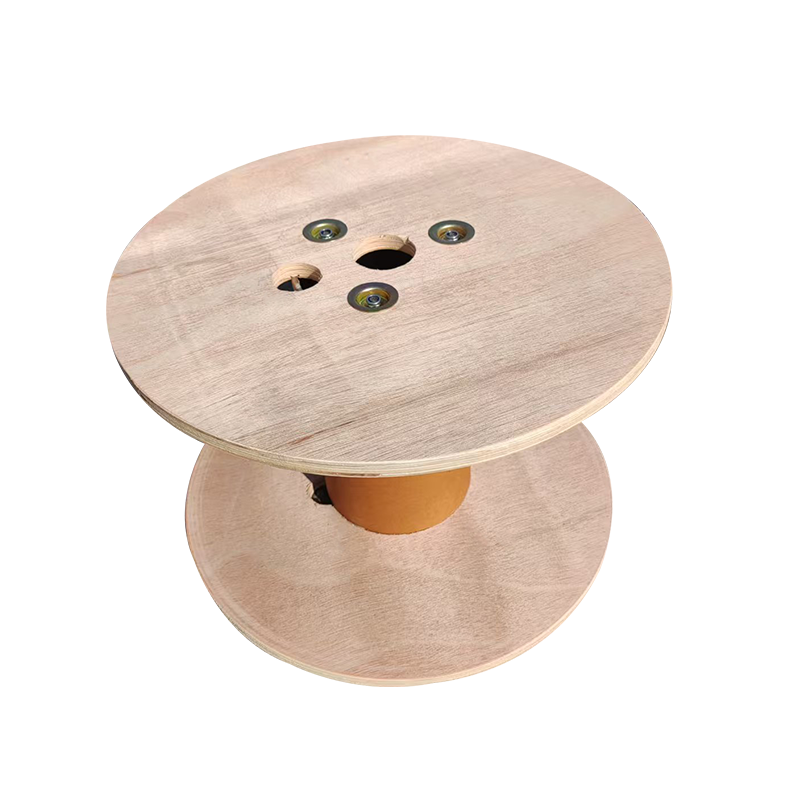
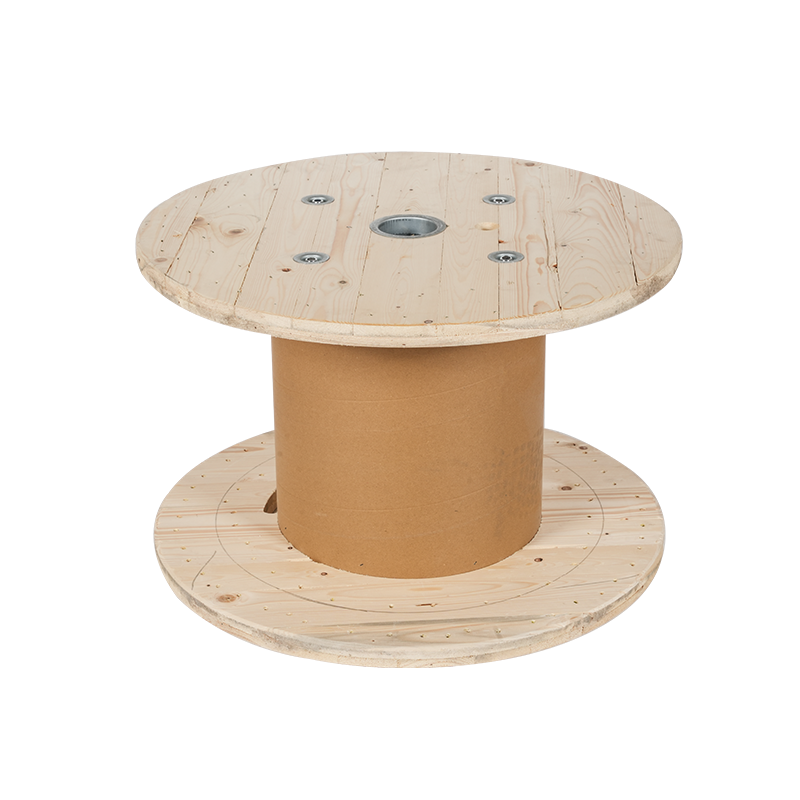
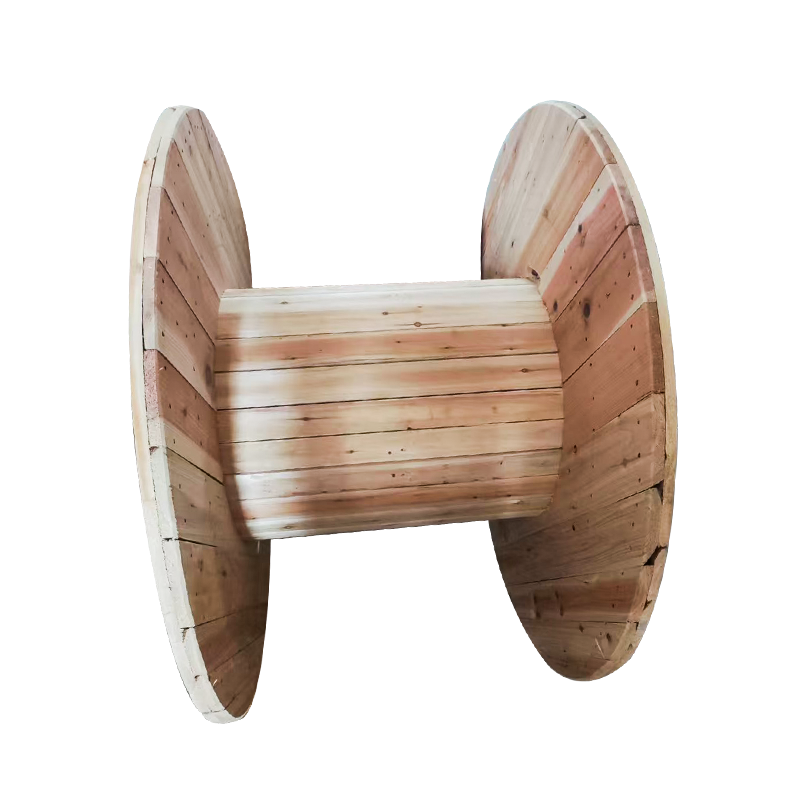
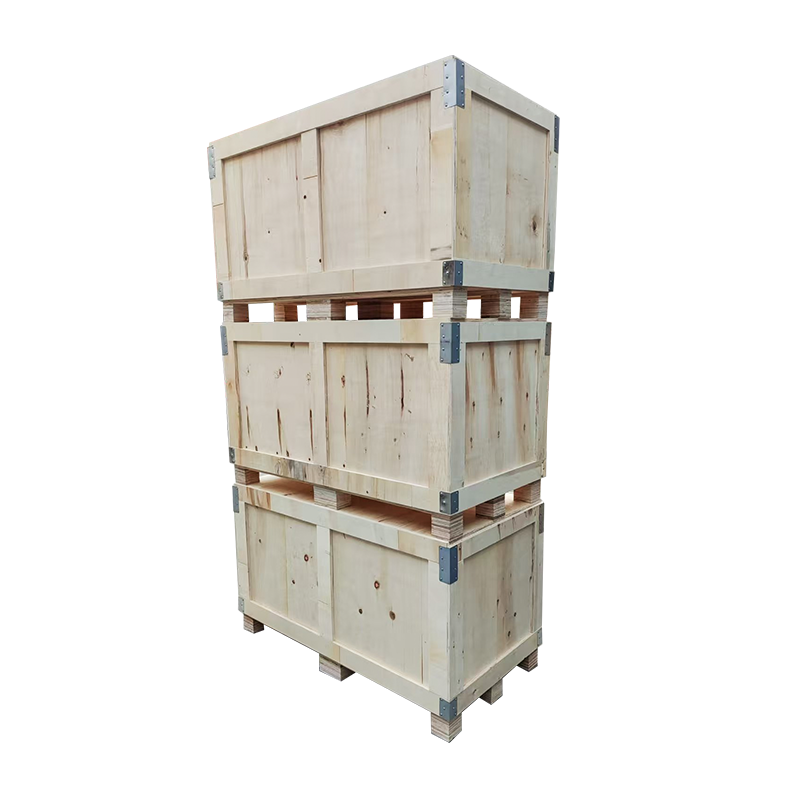
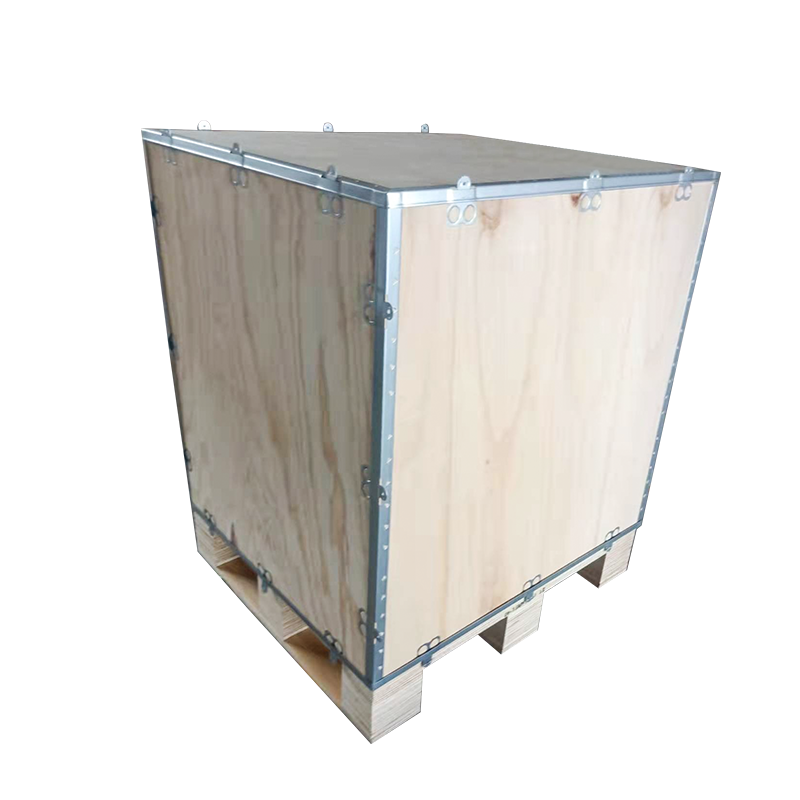
| Wood (plywood or solid) | 10,000 kg | 600 mm – 3,500 mm | High structural strength, repairable, recyclable | Heavy power cables, long-distance transport, underground mining |
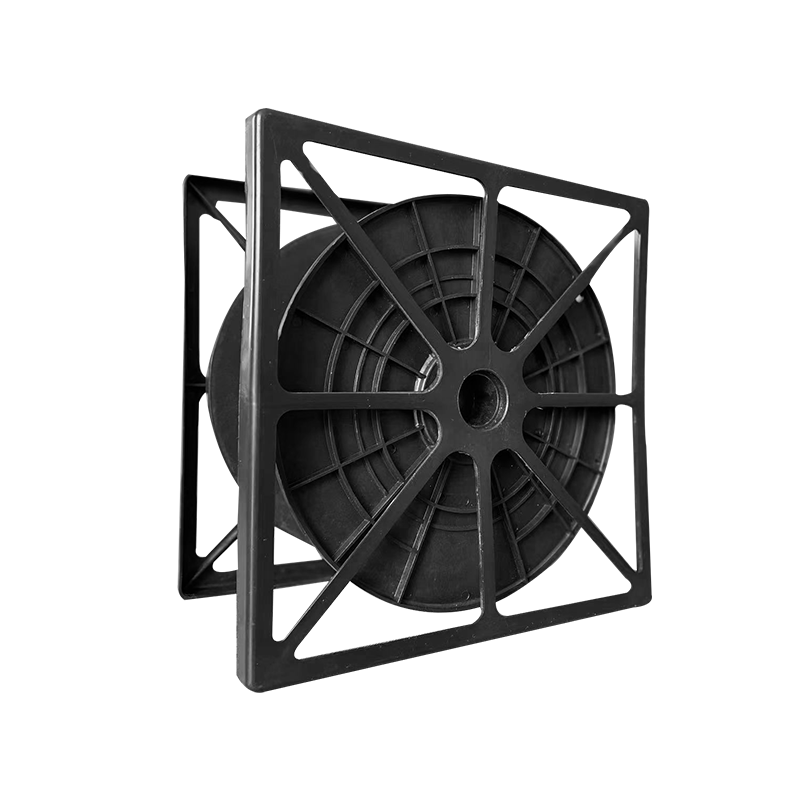
| Plastic (HDPE/ABS) | 1,200 kg | 200 mm – 1,200 mm | Lightweight, corrosion-resistant, fully enclosed designs available | Fibre optic cables, data cables, indoor automation equipment |
| Metal (steel/aluminium) | 15,000 kg | 400 mm – 4,000 mm | Extreme durability, fire-resistant, high reuse rate | Subsea cables, petrochemical plants, steel mill cranes |
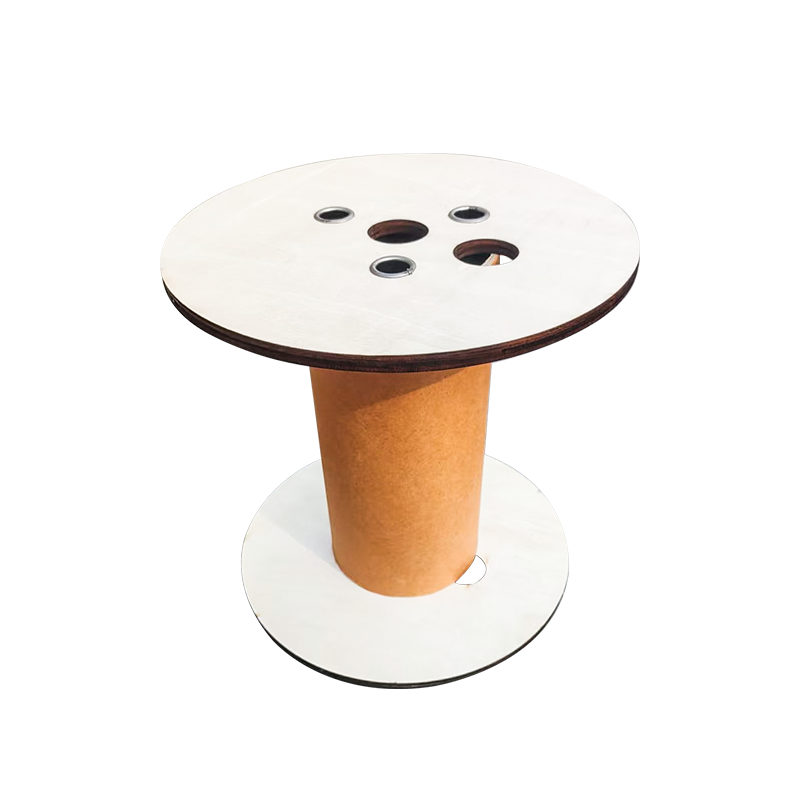
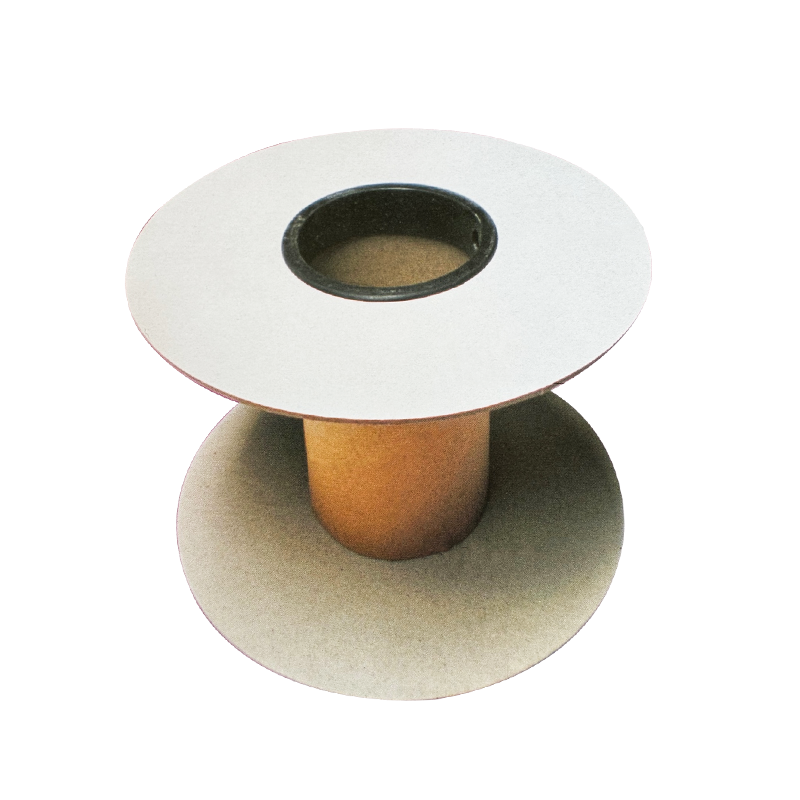
| Paper (kraft board) | 200 kg | 100 mm – 800 mm | Fumigation-free export, lightweight, fully recyclable | Thin communication cables, fibre optics, single-use export packaging |
Wooden drums dominate heavy industrial settings because the flange strength can be engineered by adjusting board thickness and the number of bolts. A three-bolt steel-reinforced wooden drum with 2,200 mm diameter routinely carries 6,500 kg of power cable without deformation. Plastic drums excel where frequent handling and moisture resistance matter, with factory tests showing no structural degradation after 500 hours of salt spray. Paper drums solve a critical export challenge: they comply with ISPM 15 without heat treatment or fumigation certificates, cutting customs clearance time by up to three days compared with untreated wood.
Beyond material choice, five geometric and mechanical parameters determine whether a cable reel drum functions reliably.
The flange diameter directly controls how much cable can be wound in a single layer before stacking. Increasing the inner width by 100 mm on a 1,000 mm diameter drum can raise the total cable capacity by approximately 15 percent, but it also raises the risk of flange spreading if the tie rods are not adequately tightened. A recommended width-to-diameter ratio for wooden drums is between 0.6 and 0.8 to maintain structural stability during winding tension up to 1,200 N.
A core that is too small forces the inner cable layers into a bend radius below the manufacturer’s minimum, causing signal attenuation in fibre optics or insulation cracking in power cables. Industry practice sets the core diameter at 20 to 25 times the cable outer diameter for single-conductor power cables and 30 times for fibre optic bundles.
Flange boards under 18 mm thickness on a wooden drum with a 1,600 mm diameter are prone to splitting when lifted by a single central eye bolt. Testing data show that increasing flange thickness from 18 mm to 25 mm improves edge-load tolerance by 40 percent, a crucial factor when drums are stacked three units high in container shipments.
Modern cable reel drums go far beyond plain wooden or plastic circles. Custom features streamline installation, improve inventory tracking, and strengthen brand presence.
Paper drums often feature moisture-resistant coatings and peel-off layers for traceability labels, while metal drums can include welded cleats for securing the cable end. Each customization must be validated against the drum’s load rating, because drilling additional holes in a flange can reduce its breaking strength by up to 8 percent.
Export compliance and sustainability requirements now heavily influence cable drum specifications. Paper drums manufactured from 100 percent recycled kraft board meet the EU Packaging Waste Directive and avoid the need for phytosanitary treatment, cutting total logistics cost by an estimated 10 to 12 percent compared with ISPM 15 heat-treated wood. Plastic drums made from high-density polyethylene can be ground and remoulded up to six times without significant loss of impact strength, supporting circular economy goals in the telecommunications sector.
Wood remains a strong performer when sourced from certified sustainable forestry and paired with a returnable drum programme. Life-cycle analyses indicate that a returnable wooden cable drum used four times generates 60 percent less carbon dioxide equivalent per shipment compared with a single-use paper drum. Operators are increasingly adopting RFID-tagged drums to track re-use cycles and automate deposit refund systems.
A structured selection process prevents costly mismatches. Follow this sequence when specifying a drum for any new cable type or route.
A field case from a mining project illustrates the impact of correct specification. After replacing standard wooden drums with steel-reinforced units featuring 30 mm flange thickness, cable damage during transport over unsealed roads dropped from 4.2 percent to 0.3 percent across a fleet of 600 drums, saving an estimated 18,000 metres of cable annually.
Even a well-specified drum fails early if manufacturing tolerances are loose. Reputable production facilities conduct concentricity checks to keep runout below 1.5 mm on diameters up to 2,000 mm, ensuring smooth cable pay-off at speeds above 60 metres per minute. Bolt torque values on assembled wooden drums are verified with calibrated wrenches; a single bolt under-torqued by 15 Newton-metres can lower the overall flange stiffness by 12 percent, based on finite element analysis.
For plastic drums, injection moulding parameters are tightly controlled to avoid weld lines near the hub, a known failure point. Drop tests from 1.2 metres at minus 20 degrees Celsius are conducted to confirm cold-weather durability. Metal drums undergo weld inspections and coating thickness measurements, with a typical zinc coating of 85 microns guaranteeing a service life of 15 years in non-marine environments.
Selecting a cable reel drum therefore extends beyond a simple catalogue pick. It demands an understanding of material behaviour, geometric limits, handling logistics, and end-use conditions. When these factors align, the drum not only protects the cable but also reduces installation time, prevents waste, and lowers total project cost.
Related Products

Contact us
Address
No. 19, Hualong Industrial Park, Linglong Street, Lin'an District, Hangzhou City, Zhejiang Province, China
Phone
+86-13357115977
QR CODE
 Cable Reel Manufacturers, Cable Packaging Reel Factory

 English
 中文简体
中文简体