Feb 27, 2026
Content
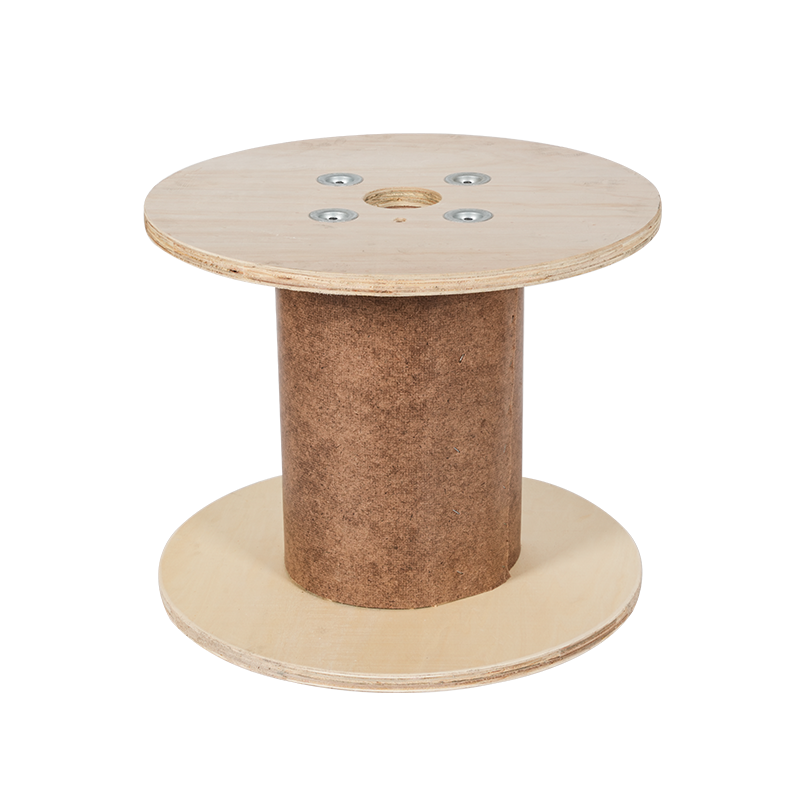
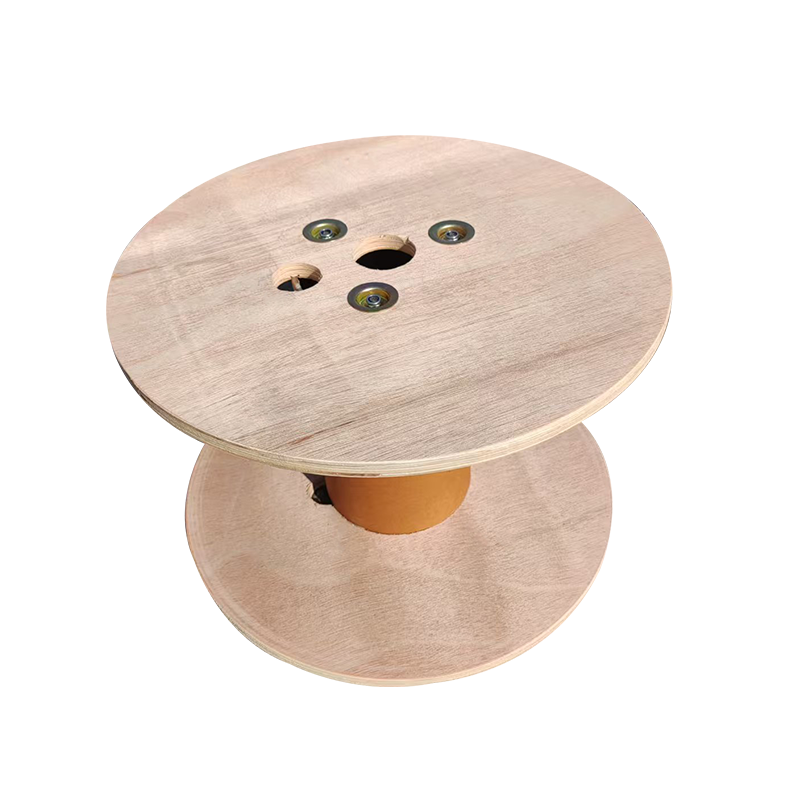
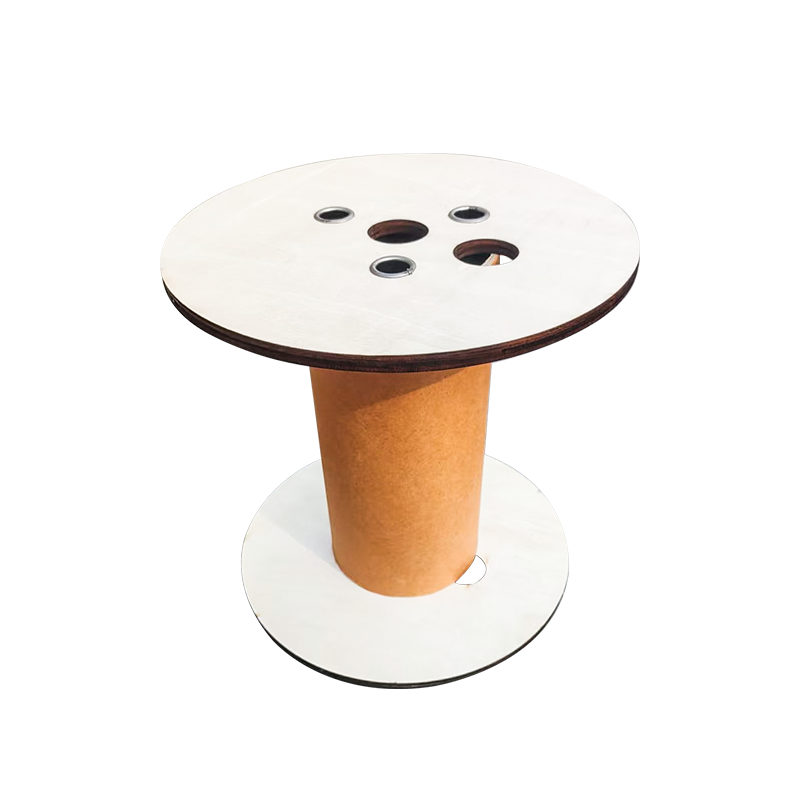
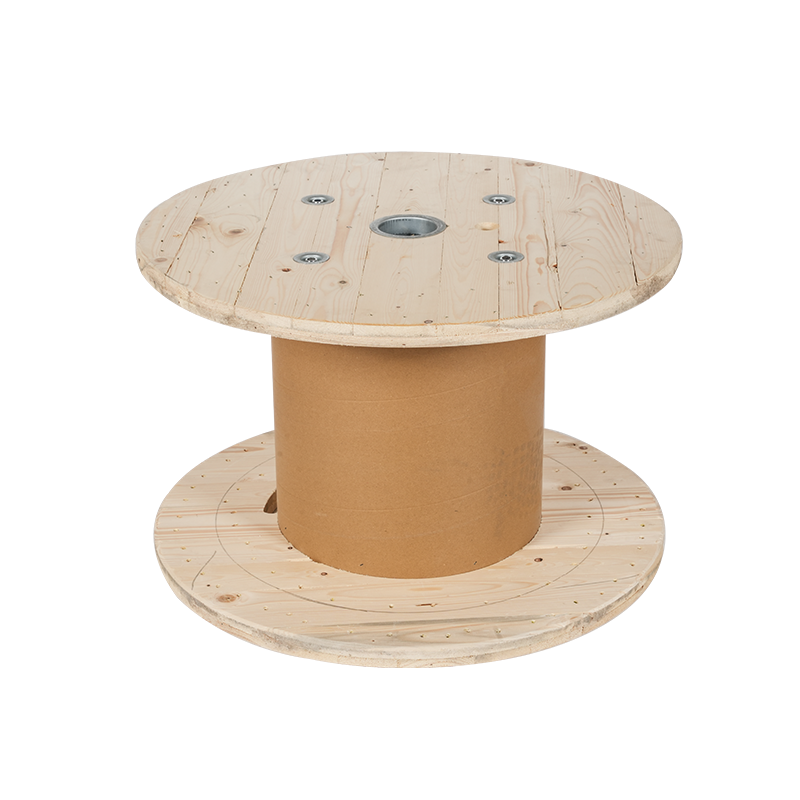
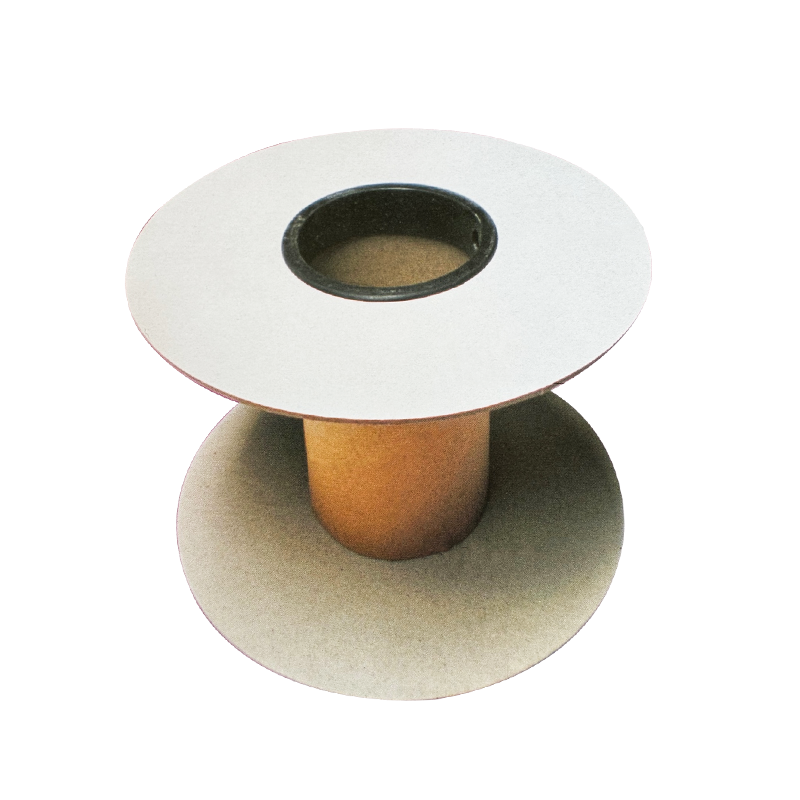
A paper cable reel is a cylindrical spool made primarily from wound or molded paper-based materials, designed to hold, store, and dispense cable, wire, or cord. It is widely used across the packaging, electronics, and electrical industries as a cost-effective, lightweight, and often recyclable alternative to plastic or metal reels. Whether you are sourcing reels for magnet wire, fiber optic cable, or coaxial wire, understanding how these reels are constructed and rated will help you make the right choice.
Most paper cable reels are built from kraft paper tubes or laminated paperboard, with flanges made from solid fiber, corrugated board, or composite paper materials. The core tube is typically manufactured by spiral-winding layers of kraft paper with an adhesive binder, producing a strong, rigid barrel capable of supporting significant cable weight.
Key material components include:
A standard industrial paper reel can support cable loads ranging from 5 kg up to 150 kg, depending on wall thickness, flange diameter, and core construction.
Paper cable reels come in several configurations to suit different cable types and winding requirements.
| Reel Type | Construction | Typical Load Capacity | Common Applications |
|---|---|---|---|
| Solid Fiber Reel | Thick laminated paperboard flanges | Up to 150 kg | Heavy electrical cable, wire rope |
| Corrugated Paper Reel | Corrugated flanges, lightweight core | 5–30 kg | Magnet wire, thin coax, fiber optic |
| Composite Paper Reel | Paper core with partial plastic or metal flanges | 30–80 kg | Medium-duty cable, automotive wire |
| Knockdown Paper Reel | Flat-pack design, assembled on site | 10–50 kg | Retail cable packaging, small-batch production |
Paper cable reels serve a broader range of industries than many buyers initially expect. Their combination of strength, recyclability, and low cost makes them competitive in the following sectors:
Magnet wire used in motors, transformers, and solenoids is almost universally wound onto paper reels at the factory level. A single production run can involve thousands of reels, making cost-per-unit critical. Paper reels typically cost 30–60% less than equivalent plastic reels in bulk orders.
Fiber optic and data cables are sensitive to stress and bending. Paper reels with smooth, debris-free inner surfaces protect cable sheathing during storage and transport. Many telecom suppliers specify minimum core diameters of 150 mm to avoid exceeding the cable's minimum bend radius.
Extension cords, garden hoses, and decorative string lights sold at retail often use smaller paper reels for display and dispensing. These reels are frequently printed with brand graphics and are designed to be disposed of or recycled after the product is used.
For many applications, paper reels outperform their alternatives on several practical dimensions:
The main limitation is moisture sensitivity. Untreated paper reels can lose up to 30% of their compressive strength when exposed to high humidity, which is why moisture-resistant coatings or storage in climate-controlled warehouses is recommended for long-term use.
Selecting the correct reel requires matching the reel's physical specifications to the cable's requirements and your operational conditions. Consider the following parameters:
The inner bore must fit your winding machine arbor precisely. Standard bore sizes include 25 mm, 38 mm, 51 mm, and 76 mm, but custom bores are available. The outer barrel diameter determines your cable's minimum bend radius — always verify that this meets the cable manufacturer's specification.
The flange diameter dictates the maximum amount of cable the reel can hold, while the traverse (the distance between the inner faces of the two flanges) determines how wide a cable layer can be wound. For a given cable volume, increasing flange diameter reduces the number of layers, which lowers lateral pressure on the reel.
Reputable manufacturers provide load ratings in kilograms. Always apply a safety factor of at least 1.5× the expected cable weight. For example, if your wound cable weighs 40 kg, select a reel rated for at least 60 kg. Wall thickness of the barrel tube typically ranges from 3 mm to 15 mm for industrial reels.
If your storage or shipping environment regularly exceeds 70% relative humidity, specify moisture-resistant or wax-coated paper reels. Some manufacturers offer polyethylene-laminated flanges that combine paper's recyclability with improved moisture resistance.
The following table provides a general reference for common paper cable reel sizes and their typical use cases. Actual specifications vary by manufacturer.
| Flange Diameter (mm) | Core Diameter (mm) | Traverse Width (mm) | Approx. Load Capacity | Typical Cable Type |
|---|---|---|---|---|
| 100 | 38 | 50 | 5 kg | Thin magnet wire, hookup wire |
| 200 | 51 | 100 | 20 kg | Magnet wire, data cable |
| 300 | 76 | 150 | 50 kg | Coaxial, fiber optic, control cable |
| 500 | 100 | 250 | 100 kg | Heavy electrical cable, wire rope |
One of the strongest commercial arguments for paper cable reels is their end-of-life profile. Unlike plastic reels, which require specialized recycling streams and often end up in landfill, paper reels can be:
Companies with ESG or carbon reduction commitments increasingly prefer paper reels to meet packaging sustainability targets. Several major cable manufacturers in Europe and North America have publicly committed to eliminating virgin plastic reels from their supply chains by 2030, driving further demand for high-performance paper alternatives.
When placing orders for paper cable reels, keep the following practical points in mind to avoid costly specification errors:
Related Products

Contact us
Address
No. 19, Hualong Industrial Park, Linglong Street, Lin'an District, Hangzhou City, Zhejiang Province, China
Phone
+86-13357115977
QR CODE
 Cable Reel Manufacturers, Cable Packaging Reel Factory

 English
 中文简体
中文简体