Feb 20, 2026
Content
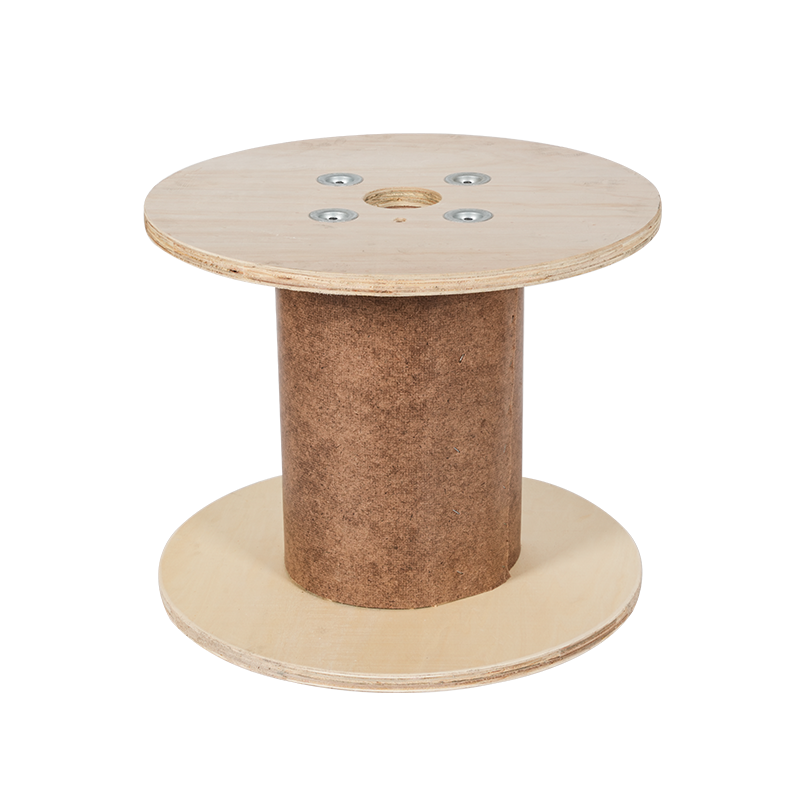
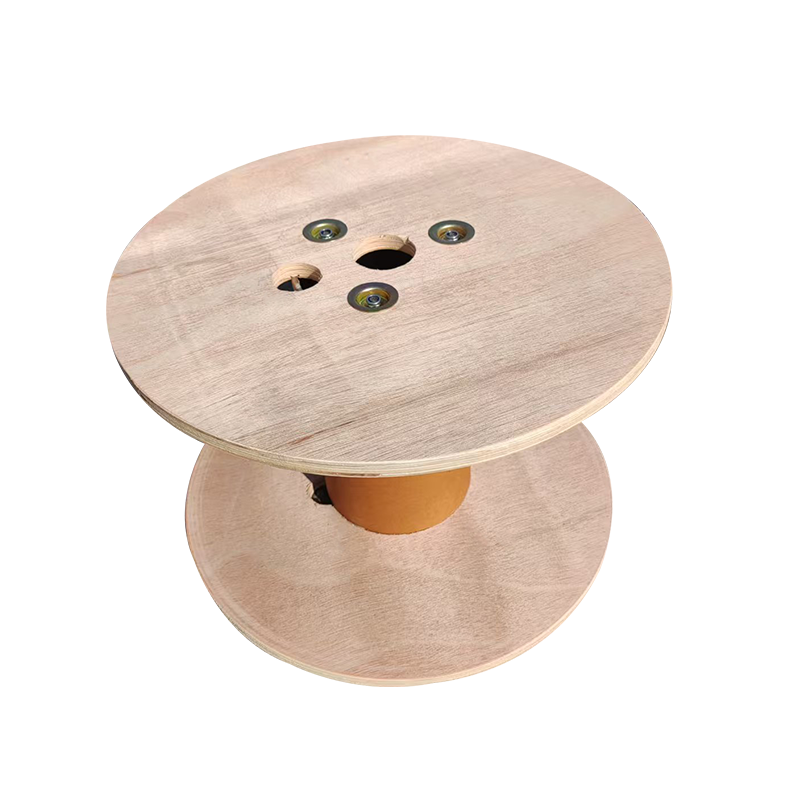
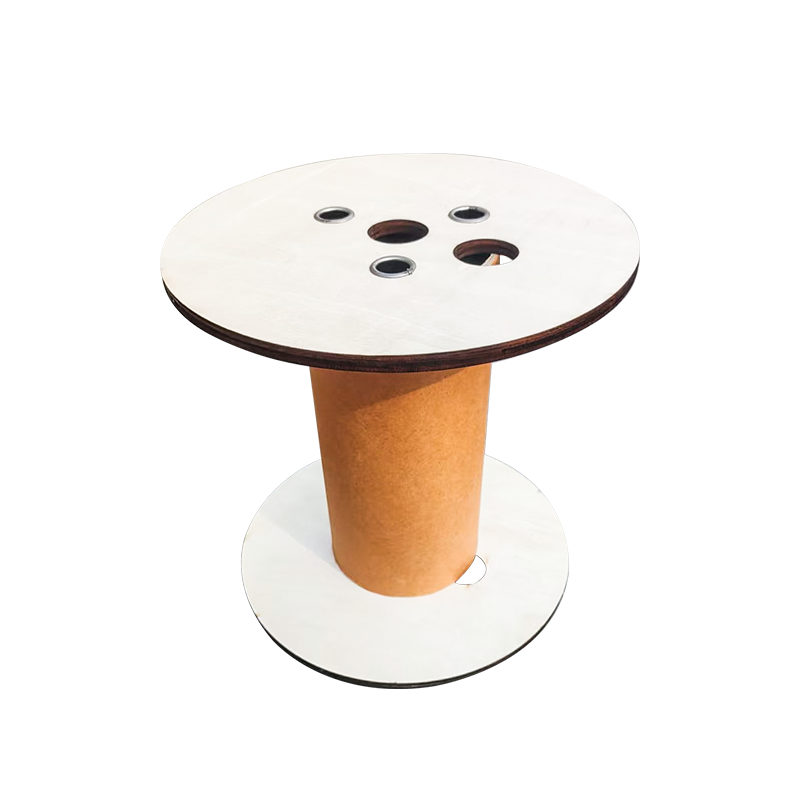
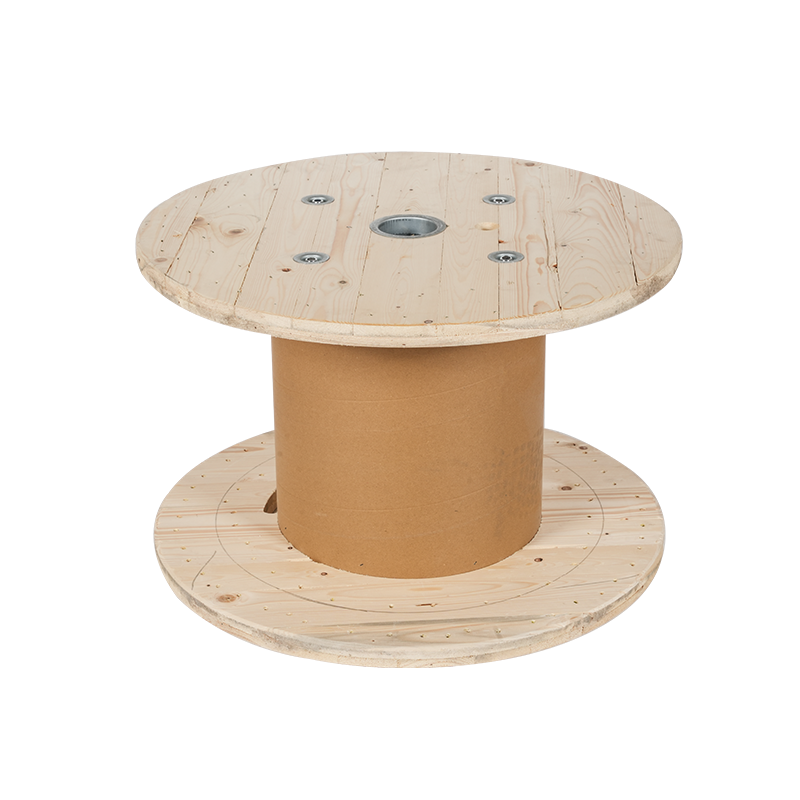
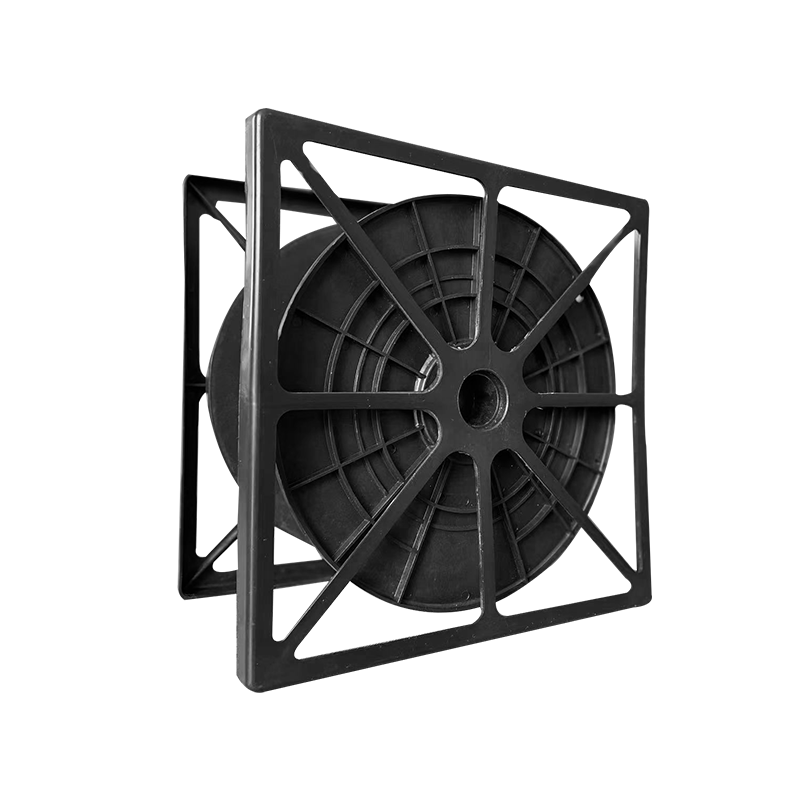
Paper cable reels are cylindrical spools made primarily from compressed paperboard or heavy-duty cardboard, designed to wind, store, and transport cables, wires, and similar materials. Unlike traditional wooden or plastic alternatives, these reels offer 100% recyclable construction while maintaining sufficient strength for industrial applications. They typically consist of a central core tube with two flanged discs on either end, providing stable support for cable winding and preventing tangling during storage or transit.
The global shift toward sustainable packaging has positioned paper cable reels as a practical solution across telecommunications, electrical manufacturing, and wire production industries. A 2023 industry study showed that companies switching to paper reels reduced their packaging carbon footprint by 45-60% compared to wooden alternatives, while maintaining comparable load-bearing capacity for cables weighing up to 500 kg per reel.
Understanding the physical makeup of paper cable reels helps explain their durability and application suitability. These reels utilize multi-layered construction techniques that balance environmental responsibility with functional performance.
The central tube typically consists of spiral-wound kraft paper layers bonded with water-resistant adhesives, creating wall thicknesses ranging from 5mm to 25mm depending on load requirements. Flanges are manufactured from compressed paperboard sheets laminated together, with typical thicknesses between 15mm and 40mm. The manufacturing process involves:
Standard paper cable reels accommodate core diameters from 100mm to 800mm, with flange diameters reaching up to 1500mm for large-scale applications. The compression strength of quality paper reels typically ranges from 2,000 to 8,000 kPa, sufficient for stacking up to 4 units high in warehouse environments when properly loaded.
| Reel Size Category | Core Diameter | Flange Diameter | Max Cable Weight |
|---|---|---|---|
| Small | 100-200mm | 300-500mm | 50-100kg |
| Medium | 250-400mm | 600-900mm | 150-300kg |
| Large | 450-600mm | 1000-1300mm | 350-500kg |
| Extra Large | 650-800mm | 1400-1500mm | 600-750kg |
The transition to paper-based cable reels delivers measurable benefits across sustainability metrics and operational costs, making them increasingly attractive to manufacturers focused on environmental compliance and budget optimization.
Paper cable reels achieve complete recyclability through standard paper waste streams, eliminating disposal challenges associated with treated wood or petroleum-based plastics. The production process generates approximately 65% less CO2 emissions compared to wooden reel manufacturing, primarily due to reduced energy requirements and elimination of chemical wood treatments. For companies subject to Extended Producer Responsibility (EPR) regulations in the European Union, paper reels simplify compliance reporting since they qualify as recycled content packaging.
Initial purchase costs for paper reels typically run 15-30% lower than equivalent wooden reels and 40-55% lower than steel alternatives. Transportation expenses decrease significantly due to lighter weight—a 500mm diameter paper reel weighs approximately 12-18kg compared to 25-35kg for wooden versions. This weight reduction translates to lower shipping costs and improved handling efficiency. A telecommunications company case study from 2024 documented annual savings of $127,000 after switching 80% of their cable storage to paper reels, primarily through reduced freight charges and eliminated wood disposal fees.
Paper cable reels serve diverse industries where cable management, storage, and distribution are critical operational components. Their adaptability across different environments demonstrates engineering versatility.
Fiber optic cable manufacturers extensively use paper reels for packaging single-mode and multi-mode fiber cables in lengths from 500 meters to 4 kilometers. The smooth inner surface prevents cable jacket abrasion during unwinding, while the dimensional stability maintains consistent tension. Network installation contractors favor paper reels because they can be recycled on-site immediately after cable deployment, eliminating return logistics for empty reels.
Building wire manufacturers utilize paper reels for residential and commercial electrical cables ranging from 14 AWG to 4/0 AWG conductors. The reels accommodate both copper and aluminum wiring in THHN, THWN, and Romex configurations. For construction sites, paper reels offer practical advantages:
Manufacturers of control cables, instrumentation wire, and specialty conductors select paper reels for products requiring careful handling. The uniform flange thickness prevents edge damage to delicate insulation materials. Industries such as aerospace, automotive wiring harness production, and medical device manufacturing report defect rates reduced by 8-12% when switching from recycled wooden reels to new paper reels, attributed to cleaner surfaces and absence of wood splinters.
While paper cable reels excel in many applications, understanding their operational boundaries ensures appropriate selection and prevents premature failure or cable damage.
Standard paper reels maintain structural integrity at relative humidity levels below 75%, but prolonged exposure to moisture above this threshold causes dimensional changes and strength degradation. Treated versions with wax coatings or polyethylene lamination extend usable humidity range to 85-90% for outdoor storage periods up to 6 months. For applications requiring extended outdoor exposure, manufacturers recommend protective wrapping or transitioning to plastic reels for cables stored beyond 180 days in uncontrolled environments.
Compression testing indicates paper reels support vertical stacking of 3-4 units when evenly loaded, compared to 6-8 units for equivalent wooden reels. Edge loading or off-center weight distribution accelerates flange deformation, particularly on reels with core diameters exceeding 600mm. Warehouse operations should implement stacking guides ensuring weight distribution across the full flange surface, with maximum stack heights not exceeding 2.5 meters for stability.
Paper reels perform optimally with cables having flexible jackets and moderate bend radii. Applications involving armored cables, heavy-duty mining cables, or conductors with sharp edges may require reinforced flanges or protective liner materials. Testing data shows that standard paper reels accommodate cables with minimum bend radii down to 6 times the cable diameter without causing core deformation during winding operations.
Choosing the appropriate paper cable reel requires evaluating multiple factors that impact both immediate functionality and long-term cost-effectiveness.
The core diameter should be at least 12-15 times the cable outer diameter to prevent excessive bending stress during storage. For example, a 25mm diameter cable requires a minimum core diameter of 300-375mm. Flange diameter selection depends on cable length and fill capacity calculations—industry standards recommend leaving 50-75mm clearance between the outermost cable layer and the flange edge to prevent cable spillover during handling.
Indoor warehouse storage with climate control allows use of standard paper reels without special treatments. Outdoor storage, distribution centers with variable humidity, or coastal environments require moisture-resistant coatings. Transit considerations include:
Suppliers typically offer volume pricing breaks at quantities of 100, 500, and 1,000 units, with per-unit costs decreasing 12-18% at each tier. Custom printing for branding, barcoding, or handling instructions adds $0.50-$2.00 per reel depending on complexity. For operations requiring consistent sizing, establishing standard dimensions across product lines reduces inventory complexity and improves purchasing efficiency.
Ensuring paper cable reels meet industry benchmarks protects cable products and streamlines supply chain operations through predictable performance characteristics.
Reputable manufacturers produce paper reels conforming to TAPPI (Technical Association of the Pulp and Paper Industry) standards for composite can specifications. Key testing parameters include:
Telecommunications applications may require reels certified for static-dissipative properties to protect sensitive fiber optic cables from electrostatic discharge. Food-grade wire applications necessitate reels manufactured from materials approved for indirect food contact per FDA 21 CFR 176.170. Export shipments to certain regions require ISPM-15 compliance verification, though paper reels naturally comply since they contain no solid wood packaging materials requiring fumigation or heat treatment.
Innovation in paper reel technology continues advancing performance capabilities while enhancing environmental benefits, driven by regulatory pressures and corporate sustainability commitments.
Research into bio-based adhesive systems has produced water-resistant bonding agents derived from plant starches and proteins, eliminating petroleum-based components entirely. These formulations maintain bonding strength equivalent to synthetic adhesives while improving biodegradability. Composite paper structures incorporating hemp or bamboo fibers demonstrate 15-20% higher compression strength than traditional kraft paper alone, potentially enabling weight reduction in reel construction without sacrificing load capacity.
Manufacturers are embedding RFID tags and NFC chips directly into reel flanges during production, enabling automated inventory tracking and cable length verification. These systems provide real-time data on reel location, cable remaining quantity, and usage history. Early adoption in telecommunications infrastructure projects shows inventory accuracy improvements from 87% to 98% while reducing manual counting labor by approximately 40 hours monthly for mid-sized distributors.
Industry analysts project the global paper cable reel market will expand at a compound annual growth rate of 6.8% through 2030, driven primarily by telecommunications infrastructure expansion in developing regions and sustainability mandates in developed markets. The renewable energy sector represents emerging demand, with solar and wind installation projects increasingly specifying paper reels for temporary power cables due to simplified on-site waste management and lower transportation costs to remote installation locations.
Related Products

Contact us
Address
No. 19, Hualong Industrial Park, Linglong Street, Lin'an District, Hangzhou City, Zhejiang Province, China
Phone
+86-13357115977
QR CODE
 Cable Reel Manufacturers, Cable Packaging Reel Factory

 English
 中文简体
中文简体