Feb 13, 2026
Content
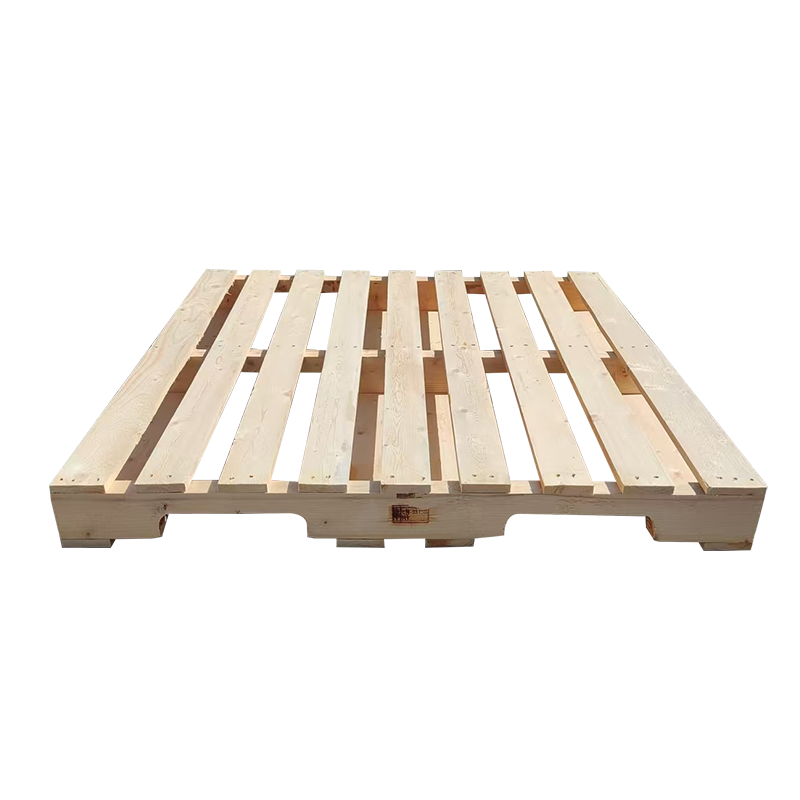
Warehouse wooden trays serve as fundamental handling and storage units that combine durability, cost-effectiveness, and versatility in material handling operations. These platforms, typically constructed from hardwood or softwood species, enable efficient organization of inventory while supporting loads ranging from 500 to 2,000 pounds depending on construction quality. Unlike plastic or metal alternatives, wooden trays offer natural shock absorption, customizable dimensions, and compatibility with standard warehouse equipment including forklifts, pallet jacks, and conveyor systems.
The primary advantage lies in their ability to protect goods during transit and storage while maintaining structural integrity under diverse environmental conditions. Modern warehouse operations rely on wooden trays for organizing small parts, consolidating shipments, and creating efficient picking stations that reduce worker fatigue and increase productivity by 30-40% compared to floor-level storage.
Warehouse wooden trays come in several standardized configurations, each designed for specific operational requirements and load characteristics.
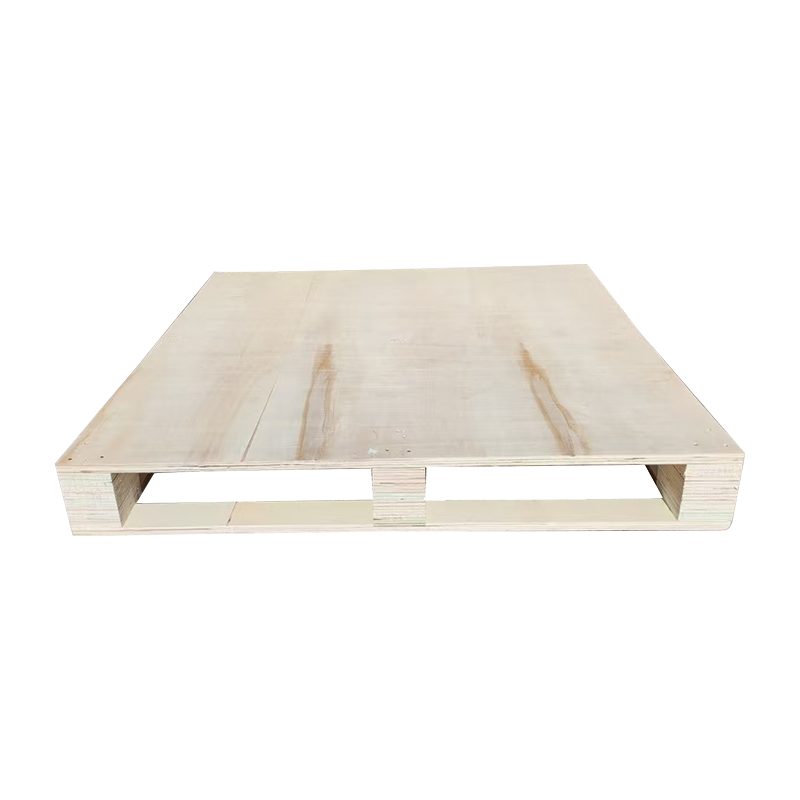
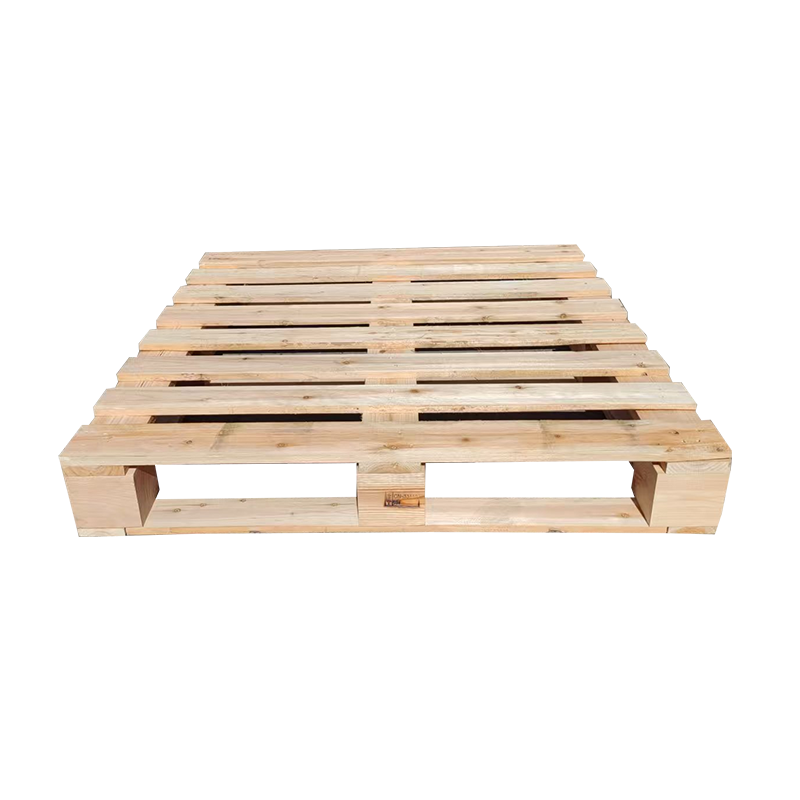
These trays measure 48" x 40" (the most common North American standard) or 1200mm x 1000mm (European standard) and feature bottom deck boards with supportive stringers. They accommodate four-way forklift entry and typically support 1,500-2,500 pounds of static weight.
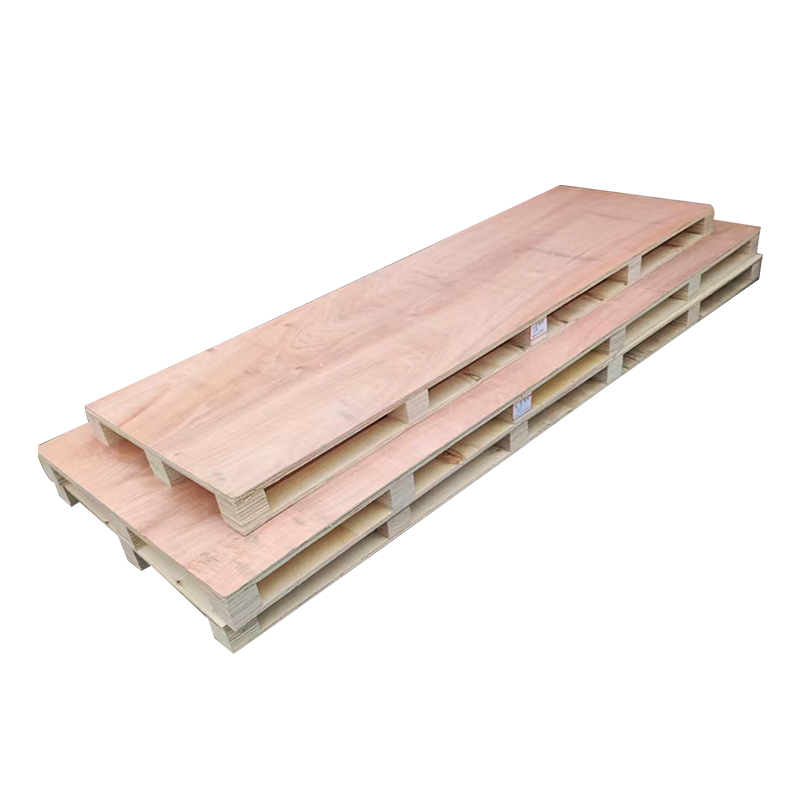
Built without bottom deck boards, skid trays consist of a top platform supported by runners or blocks. This design reduces material costs by 20-30% while maintaining adequate strength for lighter loads up to 1,000 pounds. They excel in automated storage systems where weight reduction matters.
These specialized trays incorporate dividers or compartments for organizing small parts, hardware, or inventory items. Manufacturing facilities using bin trays report 25% faster picking times and reduced sorting errors compared to bulk storage methods.
| Tray Type | Typical Dimensions | Load Capacity | Best Use Case |
|---|---|---|---|
| Standard Pallet | 48" x 40" | 2,500 lbs | General storage, shipping |
| Skid Tray | 48" x 40" | 1,000 lbs | Light loads, automation |
| Half Pallet | 24" x 40" | 1,200 lbs | Retail displays, small orders |
| Bin Tray | 36" x 24" | 500 lbs | Small parts, inventory sorting |
The longevity and performance of warehouse wooden trays depend heavily on wood species selection and treatment processes applied during manufacturing.
Hardwoods like oak, maple, and hickory provide superior strength and wear resistance, with service lives extending 5-7 years in high-turnover environments. However, they cost 40-60% more than softwood alternatives. Pine, spruce, and fir softwoods offer adequate strength for most applications while keeping initial investment lower, making them ideal for single-use or limited-cycle applications.
International shipping regulations require wooden trays to undergo heat treatment (HT) according to ISPM-15 standards, heating wood to 56°C for 30 minutes to eliminate pests and pathogens. This process adds minimal cost but ensures global trade compliance and prevents quarantine issues that can delay shipments by several days.
Properly kiln-dried wood with moisture content between 12-18% resists warping, cracking, and dimensional changes. Warehouses storing trays in climate-controlled environments see 30% fewer structural failures compared to facilities with wide temperature and humidity fluctuations.
Understanding load ratings prevents workplace accidents and product damage while maximizing storage efficiency within safe parameters.
Wooden trays carry three distinct load ratings:
A standard Grade A wooden tray rated for 2,500 pounds static load should not exceed 1,750 pounds during transport and 1,250 pounds when racked. Exceeding these limits increases deflection, accelerates wear, and creates safety hazards for warehouse personnel.
Regular inspection protocols identifying cracked boards, loose fasteners, or structural damage prevent 80% of load-related incidents according to warehouse safety studies. Implementing color-coded inspection tags (green for approved, red for removal) helps maintain operational safety standards.
Evaluating wooden tray investments requires examining both upfront costs and lifecycle expenses to determine true value.
New wooden trays range from $8-15 for softwood skids to $35-60 for premium hardwood pallet trays with reinforced construction. Custom sizes or specialized designs command premiums of 25-50% over standard dimensions. Bulk purchasing typically reduces per-unit costs by 15-20% for orders exceeding 500 units.
Quality wooden trays support simple field repairs using replacement deck boards and stringers, with average repair costs of $3-7 per tray. Facilities with in-house repair programs extend tray life by 40-60% compared to replace-only policies. Labor costs for repairs typically run $15-25 per hour, making selective repair economically viable for trays valued above $20.
End-of-life wooden trays retain value through recycling programs that recover $2-5 per tray for wood chip or mulch production. Some facilities partner with tray recyclers who collect damaged units at no charge, offsetting disposal costs that otherwise average $8-12 per cubic yard for commercial waste removal.
Matching tray specifications to operational requirements optimizes both cost efficiency and performance outcomes.
Operations moving 50+ loads daily per tray require durable hardwood construction with reinforced corners and heat-treated compliance. Four-way entry design maximizes forklift flexibility, reducing handling time by 8-12 seconds per movement. The additional investment in premium trays pays back within 18-24 months through reduced replacement frequency.
Warehouses storing seasonal inventory or slow-moving stock benefit from economical softwood trays that remain stationary for months. Since movement cycles stay low, cheaper construction suffices while delivering 5-10 year service lives under proper storage conditions. Investing in premium trays for static applications wastes capital better allocated to inventory or equipment.
Cold storage facilities operating at -10°F to 35°F need trays constructed from species resistant to brittleness and moisture absorption. Oak and ash perform well in freezer conditions, while pine and poplar may crack under thermal stress. Temperature cycling between zones also demands proper moisture content control to prevent dimensional instability.
Cross-border shipments mandate ISPM-15 certified heat-treated trays marked with recognized certification stamps. Non-compliant wooden packaging faces rejection, fumigation requirements, or destruction at customs, causing delays averaging 3-7 business days and penalties ranging from $500-2,000 per violation. One-way export trays can utilize lighter construction since return logistics don't apply.
Implementing systematic maintenance procedures dramatically improves tray longevity and reduces total cost of ownership.
Establish weekly inspection routines checking for:
Economic repair makes sense when damage affects less than 30% of structural components and tray value exceeds $18-20. Replace top deck boards for $1.50-3 per board and stringers for $4-6 each. Trays requiring repairs exceeding 50% of replacement cost should be retired to recycling programs.
Proper storage of empty trays prevents unnecessary damage and degradation. Stack trays no more than 8-10 units high to avoid crushing bottom units. Store in covered areas protected from direct precipitation, as moisture exposure reduces lifespan by 40-50%. Rotate stock using first-in, first-out principles to distribute wear evenly across tray inventory.
Wooden trays offer environmental advantages over alternative materials when sourced and managed responsibly throughout their lifecycle.
Wood represents the only renewable material commonly used in warehouse tray construction. Sustainably managed forests regenerate wood fiber while sequestering carbon, with each cubic meter of wood storing approximately 0.9 metric tons of CO2. Choosing suppliers certified by the Forest Stewardship Council (FSC) or Sustainable Forestry Initiative (SFI) ensures responsible harvesting practices.
Damaged wooden trays avoid landfills through multiple recycling pathways generating 95-98% material recovery rates. Ground wood becomes animal bedding, landscaping mulch, or biomass fuel. Some operations partner with pallet recyclers who collect retired units free of charge, eliminating disposal costs while supporting circular economy principles. Combustion of clean wood waste (non-painted, non-treated) provides renewable energy with carbon neutrality.
Manufacturing wooden trays generates 40-60% lower carbon emissions compared to plastic alternatives and 70-80% lower than steel or aluminum options. Transportation efficiency matters less for wood due to local sourcing opportunities reducing shipping distances to 200-500 miles versus international shipments common with plastic and metal units.
Modern wooden trays accommodate tracking technologies that enhance inventory visibility and operational control within digital warehouse environments.
Radio frequency identification tags embedded in or attached to wooden trays enable automatic tracking through warehouse zones. Implementation costs run $2-5 per tray for passive tags with 5-7 year service lives. Facilities using RFID-enabled trays report 25-35% reduction in inventory counting time and 15-20% improvement in location accuracy.
Lower-cost alternative tracking uses adhesive or stamped barcodes applied to tray surfaces at $0.15-0.50 per unit. While requiring manual scanning, barcode systems deliver adequate tracking for operations processing fewer than 1,000 movements daily. Durable metal-backed tags resist abrasion in high-traffic environments, maintaining scan reliability for 3-5 years.
Software platforms tracking tray circulation, maintenance schedules, and lifecycle costs optimize fleet sizing and replacement timing. Analytics reveal utilization patterns showing average daily turn rates of 1.2-1.8 cycles for active inventory trays. This data supports right-sizing tray inventories, typically identifying 15-25% surplus capacity that can be redeployed or sold to reduce carrying costs.
Related Products

Contact us
Address
No. 19, Hualong Industrial Park, Linglong Street, Lin'an District, Hangzhou City, Zhejiang Province, China
Phone
+86-13357115977
QR CODE
 Cable Reel Manufacturers, Cable Packaging Reel Factory

 English
 中文简体
中文简体