Feb 06, 2026
Content
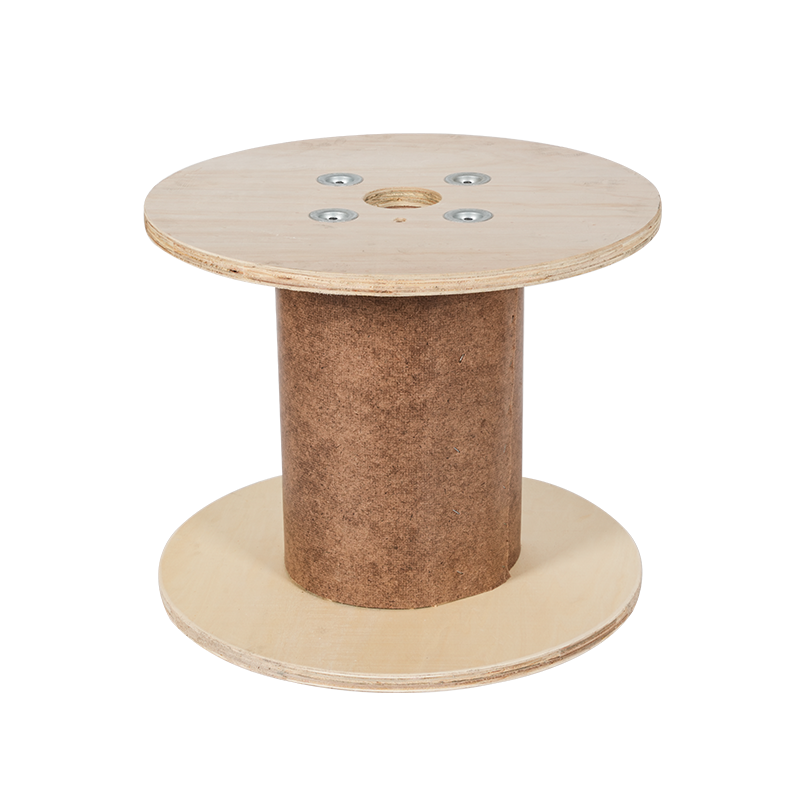
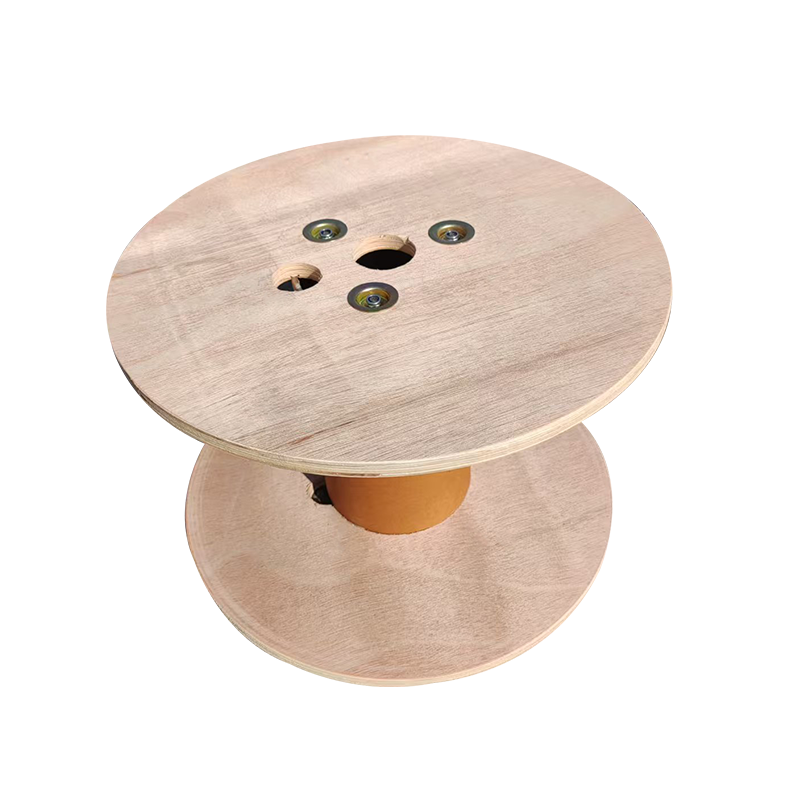
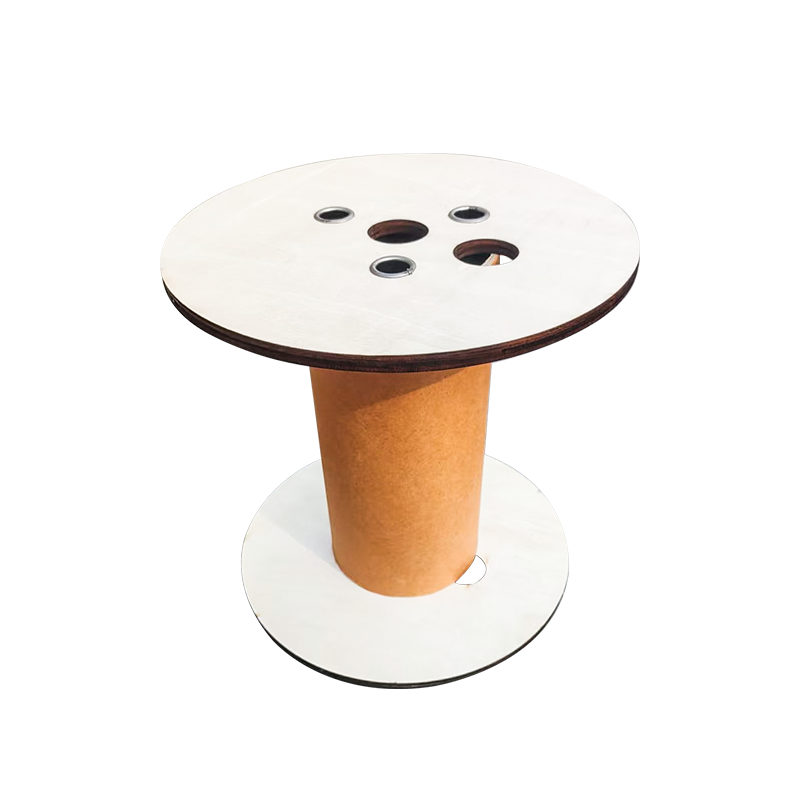
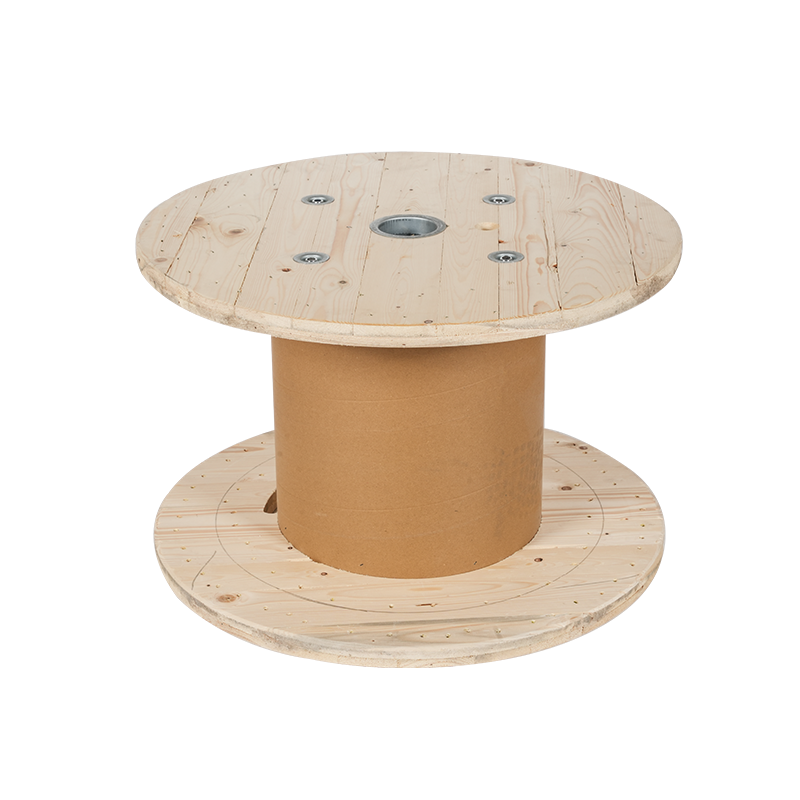
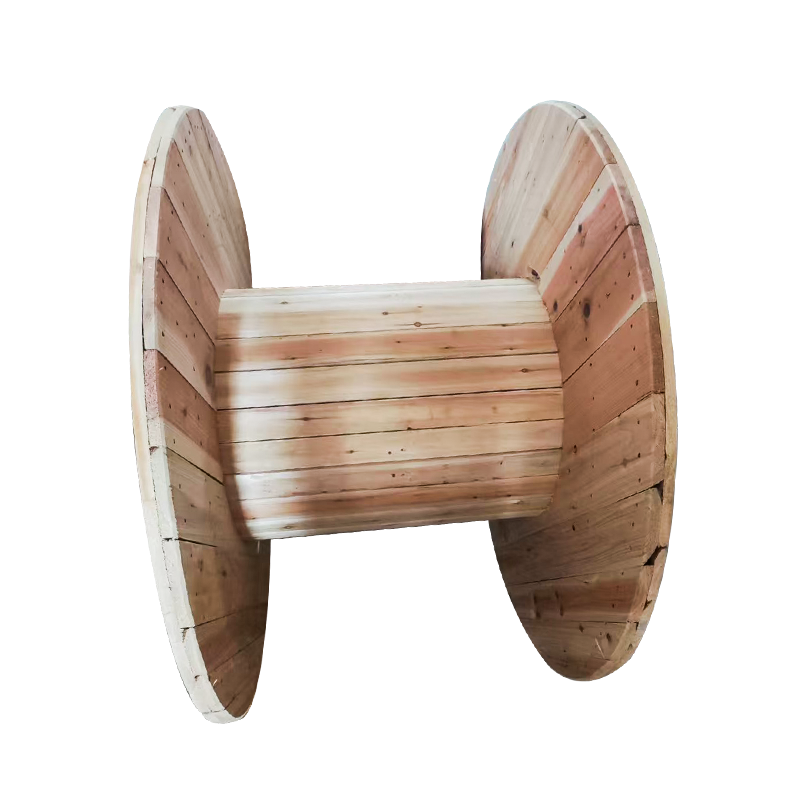
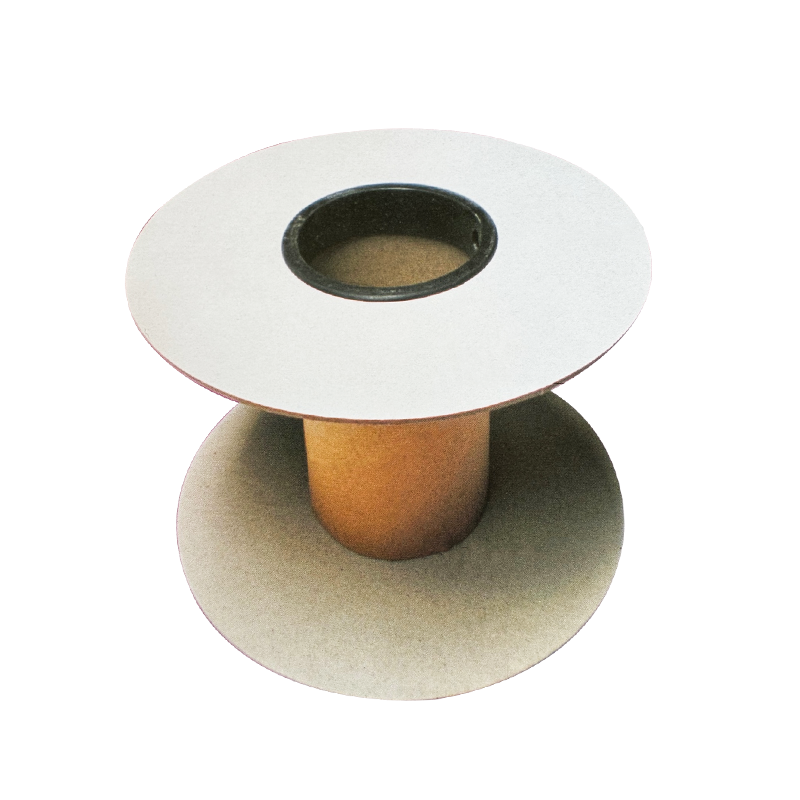
A cable drum is a cylindrical spool designed to store, protect, and transport electrical cables, wire rope, or other flexible materials. It consists of a central barrel (core) with two circular flanges on either side that prevent the cable from unraveling during handling. Cable drums range from small portable reels weighing a few kilograms to industrial drums exceeding 3 meters in diameter and carrying several tons of heavy-duty cable.
These drums are essential in industries including telecommunications, power distribution, construction, mining, and marine operations. They enable efficient cable deployment, minimize tangling and damage during transit, and allow controlled dispensing at installation sites. The design follows international standards such as DIN 46395 and BS 7947 to ensure compatibility across manufacturers and applications.
Understanding cable drum anatomy helps in selecting the right drum for specific applications and ensuring safe handling.
The central cylindrical shaft around which cable winds. Barrel diameters typically range from 200mm to 3,000mm, with larger diameters required for thicker cables to prevent excessive bending stress. The barrel often includes an arbor hole for mounting on dispensing equipment or axles for transportation.
Two circular discs attached to each end of the barrel, providing lateral support. Flange diameters commonly measure between 400mm and 4,500mm. The traverse (distance between flanges) determines cable capacity and must accommodate the full cable length with proper layering.
Cable drums are manufactured from various materials based on load requirements:
Robust steel or reinforced wooden drums designed for multiple uses. Manufacturers typically require a deposit, and customers return empty drums for credit. These are standard in utility companies where drum return rates exceed 85%, reducing waste and lowering long-term costs.
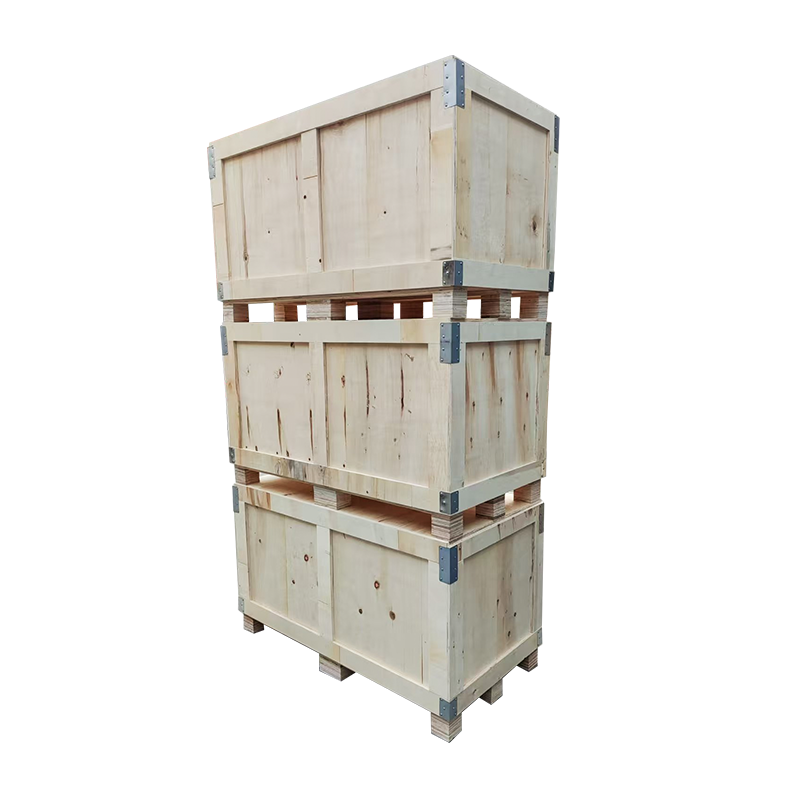
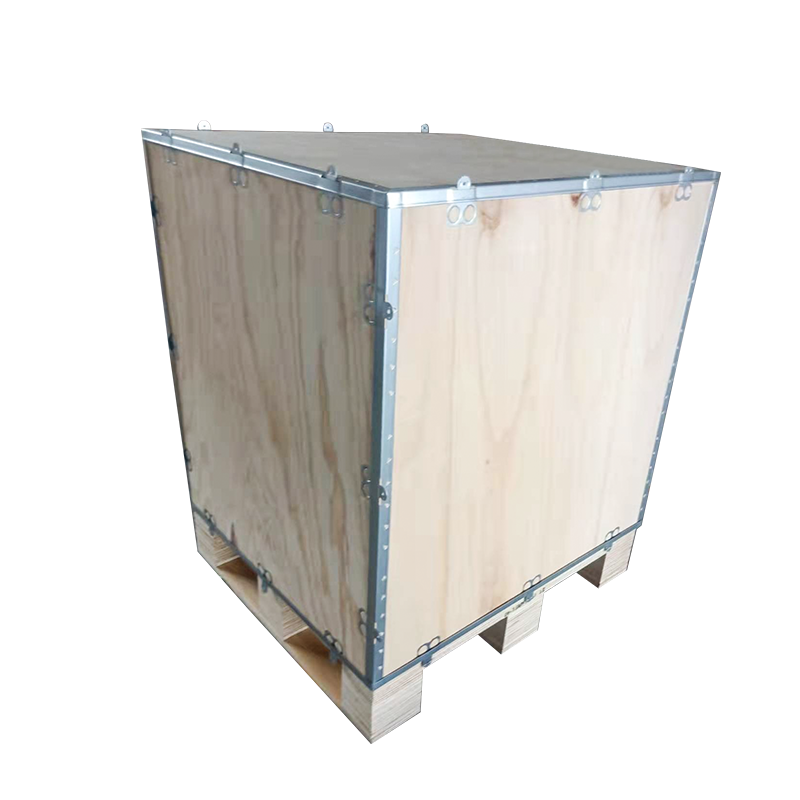
Single-use drums made from economical materials like basic plywood or corrugated board. Common in export shipments or projects where logistics make drum return impractical. After cable deployment, these drums may be repurposed, recycled, or discarded.
Specialized drums with integrated spring-loaded or electric retraction mechanisms. Used in workshops, manufacturing plants, and mobile equipment where cable needs frequent extension and retraction. Common applications include power supply to overhead cranes and portable welding equipment.
Drums with removable flanges that allow cable removal without unspooling. This design saves time during installation and enables storage of partially used drums. Particularly valuable when working with high-value fiber optic cables where waste must be minimized.
Cable drum dimensions follow industry standards to ensure compatibility with handling equipment and transportation systems.
| Drum Type | Barrel Diameter | Flange Diameter | Typical Load Capacity |
|---|---|---|---|
| Small portable | 200-400mm | 400-800mm | 50-500kg |
| Medium industrial | 500-1,000mm | 1,000-2,000mm | 1-5 tons |
| Large power cable | 1,200-2,000mm | 2,500-3,500mm | 5-15 tons |
| Extra-heavy duty | 2,000-3,000mm | 3,500-4,500mm | 15-30+ tons |
The minimum barrel diameter is critical for cable longevity. Industry guidelines recommend a barrel diameter of at least 12-15 times the cable's outer diameter to prevent internal conductor damage from excessive bending.
High-voltage transmission cables (up to 500kV) arrive on heavy-duty steel drums. Distribution utilities use specialized drum jacks and trailers to transport and deploy cables weighing 8-12 tons per kilometer. Drums enable controlled payout during underground installation through conduits or direct burial.
Fiber optic cables require gentle handling to prevent signal loss. Telecommunications drums typically feature smooth barrel surfaces and precise winding tension control. A single drum may carry 2-10 kilometers of fiber cable, with standardized dimensions allowing direct mounting on aerial cable installation vehicles.
Wire rope for mine hoists, draglines, and excavators ships on reinforced drums. These applications demand extreme durability, with drums supporting ropes up to 80mm in diameter. Steel drums with reinforced flanges prevent deformation under the 20-30 ton loads common in mining operations.
Submarine power cables and oceanographic sensor cables require corrosion-resistant drums, often hot-dip galvanized or stainless steel. Offshore wind farms use specialized drums that integrate with vessel-mounted tensioners for controlled seabed cable laying at depths exceeding 50 meters.
Temporary power distribution uses portable cable reels with integrated outlets. These compact drums hold 50-100 meters of flexible cable and include handles or wheels for easy repositioning around job sites.
The barrel surface may include lagging—a protective covering that prevents cable insulation damage. Options include rubber sheeting, fabric wrapping, or powder coating on steel drums. Rough or splintered surfaces on wooden drums can abrade cable jackets, particularly during transit vibration.
The central hole accommodates axles or mandrels for mounting on payoff stands. Standard arbor diameters include 50mm, 76mm, 100mm, and 150mm, with larger drums using square or custom arbors. Proper arbor fit prevents drum wobble during cable payout, which can cause uneven tension and installation problems.
Beyond static weight capacity, drums must withstand dynamic forces during lifting, transportation, and rotation. A drum rated for 10 tons static load might have a dynamic rating of only 6-7 tons to account for shock loads and safety factors. Manufacturers provide load charts specifying safe working limits.
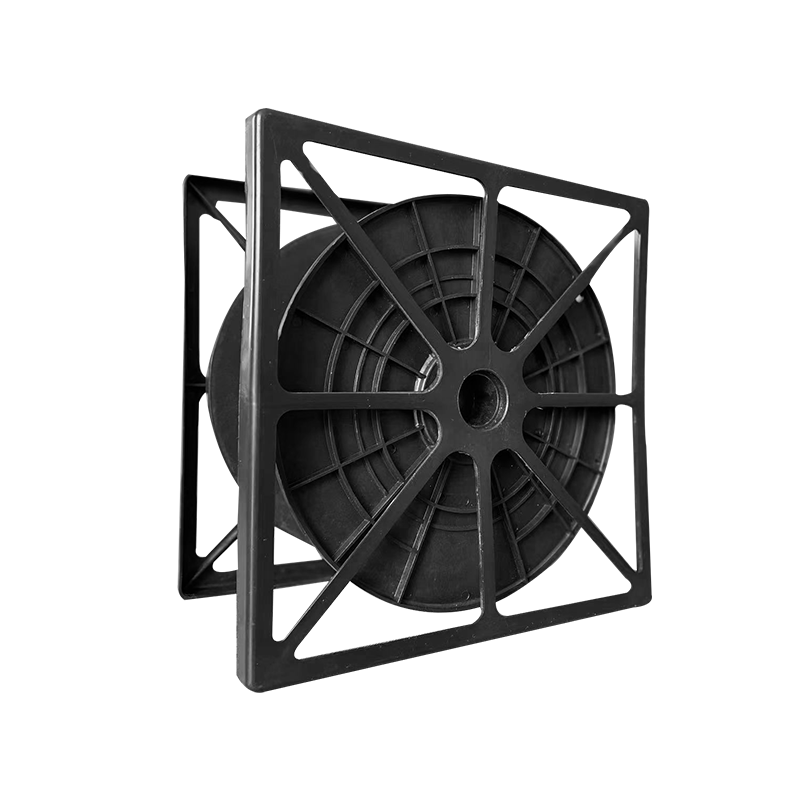
Wooden drums may absorb moisture, affecting weight and structural integrity. Steel drums require rust-preventive coatings in humid or marine environments. Plastic drums offer superior weather resistance but may degrade under prolonged UV exposure without stabilizers.
Proper drum handling prevents injuries and cable damage. Industry accident reports show that improper lifting accounts for 35% of cable drum-related incidents.
Always use appropriately rated lifting equipment. Drums over 500kg require mechanical lifting with forklifts, cranes, or drum lifters. Insert forks through the arbor hole or use designated lifting lugs—never lift by cable ends or flanges. Ensure the drum is balanced and secure before movement.
Store drums upright on level surfaces with proper chocking to prevent rolling. Stack smaller drums carefully with load limits observed—excessive stacking can deform lower drums. Outdoor storage requires weatherproof covering and elevated platforms to prevent ground moisture absorption in wooden drums.
Mount drums on proper payoff stands or jack stands that allow free rotation. Unspooling cable directly from a stationary drum creates twists and kinks. Maintain proper back-tension during payout—typically 5-10% of the cable's rated pulling tension—to ensure neat coiling and prevent bird-nesting.
Professional cable drums include identification labels containing critical information:
Many drums also include footage markings or digital counters to track remaining cable length during installation, preventing costly shortages or waste.
The global cable drum market reflects growing infrastructure investment, with annual production estimated at over 15 million units across all types. Returnable drum programs significantly reduce environmental impact—a single steel drum may complete 20-30 cycles over its lifetime, eliminating thousands of kilograms of waste compared to disposable alternatives.
Wooden drum recycling programs convert used drums into biomass fuel, landscaping mulch, or reconstituted wood products. Some manufacturers now offer drums made from 100% recycled plastic, closing the loop in cable packaging sustainability.
For project budgeting, drum costs typically represent 3-8% of total cable procurement expense. However, choosing inappropriate drums can lead to cable damage claims exceeding the original drum cost by factors of 10-50, making proper selection a critical economic decision.
Related Products

Contact us
Address
No. 19, Hualong Industrial Park, Linglong Street, Lin'an District, Hangzhou City, Zhejiang Province, China
Phone
+86-13357115977
QR CODE
 Cable Reel Manufacturers, Cable Packaging Reel Factory

 English
 中文简体
中文简体