 English
 中文简体
中文简体
Fundamental Principles of Cable Drum Safety
Cable drum handling, while commonplace in industrial settings, presents significant risks including rollaways, crushing injuries, musculoskeletal damage, and cable degradation. A robust safety protocol is built on three core principles: stability, mechanical integrity, and controlled movement. Each interaction, from receipt on site to final payout, must be governed by a mindset that treats a loaded drum as a heavy, dynamic object with substantial kinetic energy. Underestimating the mass and potential for movement is the primary precursor to incidents. Safety begins with a visual and documentary inspection of the drum's condition, load rating, and the cable's specifications before any handling commences.
Inspection and Pre-Use Assessment
Prior to any handling, a systematic inspection is critical. This is not a cursory glance but a detailed check for hazards that could lead to catastrophic failure.
Visual and Structural Checks
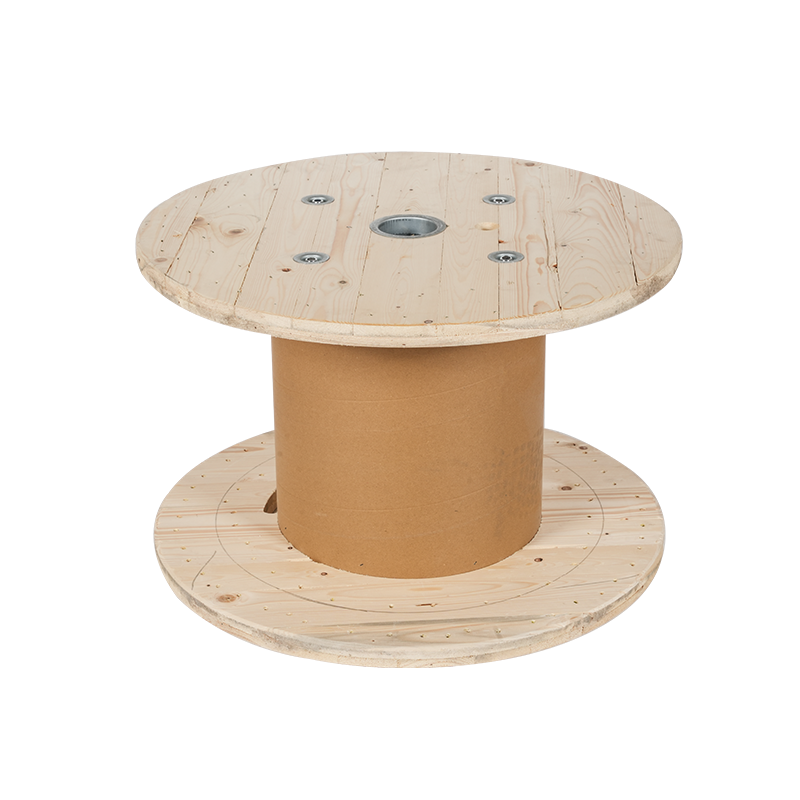
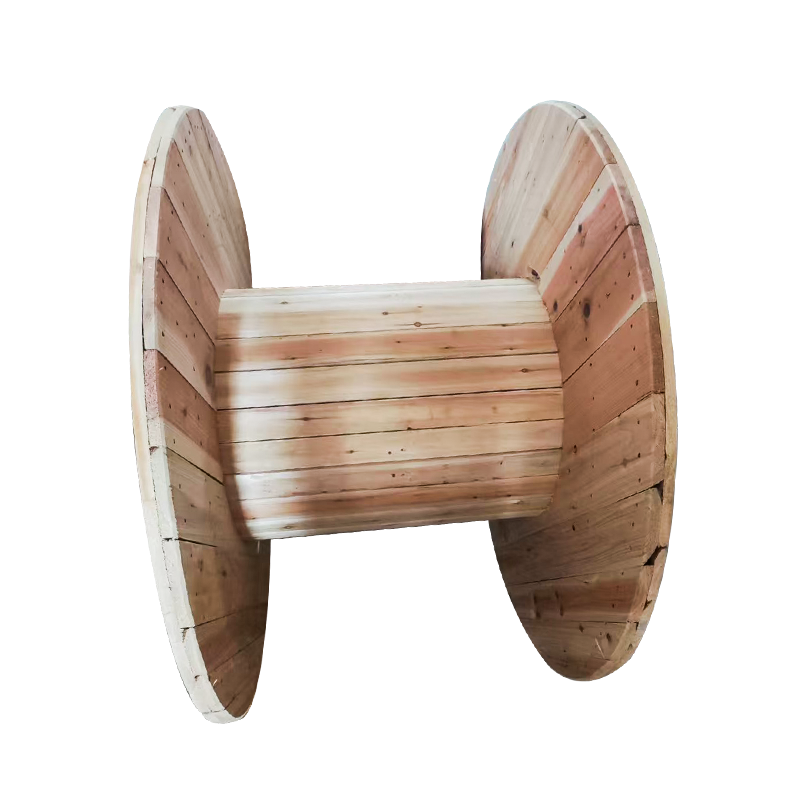
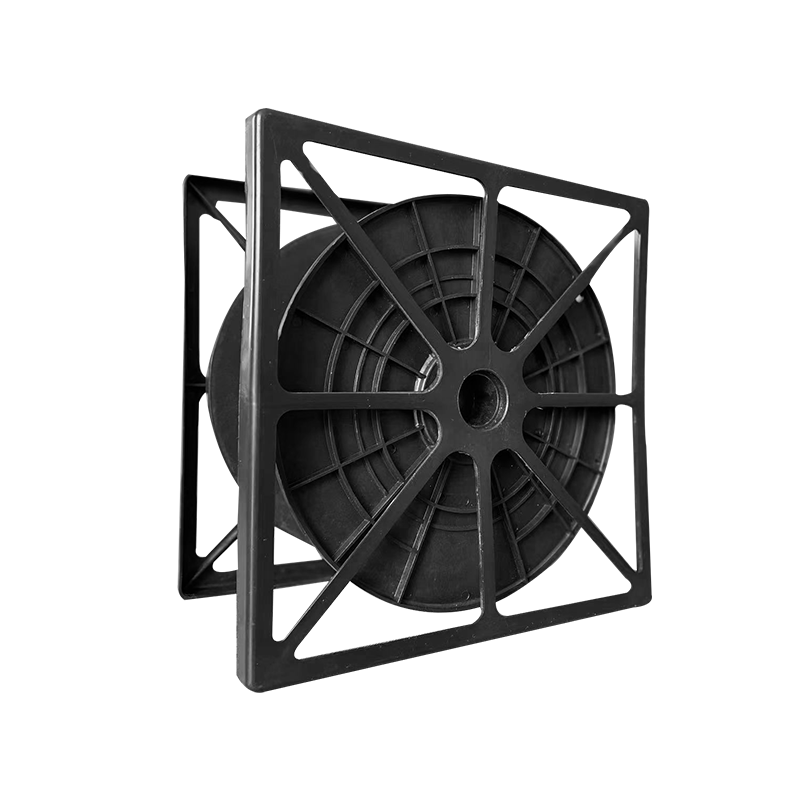
Examine the drum for physical damage: cracked or splintered wood on timber drums, dents, bends, or severe rust on steel drums, and cracks or deformities on plastic drums. Pay particular attention to the integrity of the flanges (side plates) and the spool (barrel). Ensure all fasteners (bolts, nails, lagging) are present, secure, and not corroded. The drum must be clearly labeled with its maximum load capacity and weight; never exceed this. Check that the cable is properly wound and secured to the drum, with no loose coils or severe crossovers that could snag.
Documentation and Site Assessment
Review any shipping documents or drum manifests for gross weight. Assess the worksite for adequate space, firm and level ground, and clear travel paths. Identify overhead hazards like power lines and ensure the area is demarcated from unauthorized personnel.
Safe Manual Handling and Movement Techniques
Even with mechanical aids, manual effort is often involved. The goal is to minimize strain and prevent loss of control.
- Team Lifting: Never attempt to move a drum alone. Use a coordinated team with a designated leader calling movements. Lift with your legs, keeping your back straight.
- Rolling on Rim: Only roll an empty or very lightly loaded drum on its rim. For loaded drums, this is extremely hazardous and likely to damage the cable. Always roll in the direction indicated by arrow markings on the flange, if present.
- Using Levers: When using pry bars or drum dogs to position a drum, ensure tools are in good condition. Position your body to avoid being struck if the tool slips or the drum shifts suddenly.
- Chocking: Immediately after moving a drum to its desired location, securely chock it on both sides with substantial wooden or metal chocks to prevent any unintended rolling.
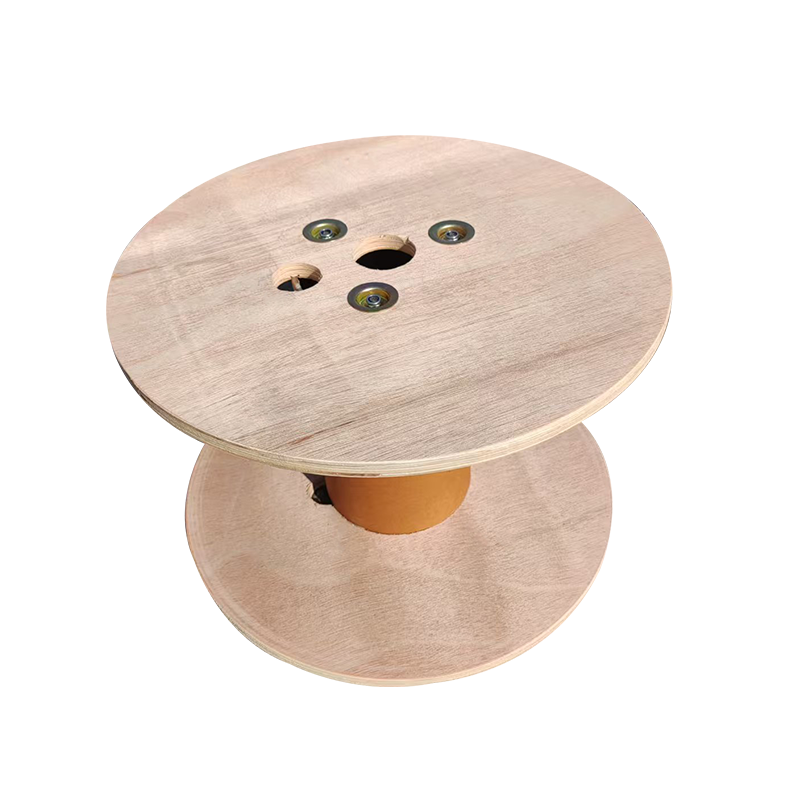
Mechanical Handling with Proper Equipment
For all but the smallest drums, mechanical handling is mandatory. Selecting and using the correct equipment is non-negotiable for safety.
Forklifts and Drum Handlers
Use a forklift with a drum handler attachment or a dedicated drum truck. Ensure the forklift's capacity exceeds the total weight of the drum. The lifting device must engage the drum's steel spindles (if designed for it) or cradle the drum barrel securely. Never lift a drum by inserting forks under the flanges alone, as this can split the wood or deform the metal. Always transport the drum with its axis horizontal and as close to the ground as possible.
Cranes and Slings
When using a crane, employ a spreader bar with shaft attachments that insert into the drum's core. If using slings, use a cradle configuration that supports the drum's full width to prevent crushing the flanges. Always refer to the drum manufacturer's lifting points. Use tag lines to control rotation during lifting and landing.
Secure Storage and Positioning
Improper storage creates latent hazards that can cause injury days or weeks later.
Store drums on a firm, level, and drained surface. Stack only empty drums, and never more than two high, aligning them precisely. Loaded drums must always be stored individually on their flanges (upright) or securely chocked on their side. When stored outdoors, consider covering to prevent water accumulation on top drums or within the cable, which can drastically increase weight and cause rust. The storage area should be organized to allow safe access for mechanical equipment without complex maneuvering.
| Storage Method | Key Safety Action | Risk Mitigated |
| Upright (on flange) | Ensure floor is perfectly level; drum is not leaning. | Prevents tipping over. |
| On its side (horizontal) | Use sturdy chocks on BOTH sides of the drum. | Prevents rolling in either direction. |
| Stacked (empty only) | Limit height to two; ensure bottom drum is stable. | Prevents collapse of stack. |
Controlled Cable Pay-In and Pay-Out
The process of unwinding or rewinding cable is a high-risk phase where tension, movement, and equipment interact.
- Use a Braked Drum Jack or Turntable: Never allow a loaded drum to free-spin during payout. Use a mechanically braked jack stand to control rotation. For heavy drums, a powered turntable with tension control is essential.
- Maintain Cable Bend Radius: Use cable guides or sheaves to ensure the cable does not bend tighter than its minimum bend radius during pulling, which can cause immediate and permanent damage to insulation and conductors.
- Clear the Line of Fire: Personnel must never stand in the "bight" of the cable (the area inside a curved loop) or directly in front of the drum during tensioning. A snapped cable or sudden release stores enormous whipping energy.
- Secure the Cable End: The free end of the cable must be securely fastened to the drum before and during movement to prevent it from snapping out or uncoiling uncontrollably.
Personal Protective Equipment (PPE) and Training
Technical measures must be supported by personal protection and competency.
Mandatory PPE for cable drum handling includes steel-toed safety boots (ANSI/ISEA rated), heavy-duty gloves to protect from cuts and abrasions, and high-visibility clothing. Eye protection is required when using tools, and hard hats are necessary in any lifting or storage area. Critically, all personnel involved must receive task-specific training. This training should cover risk identification, proper use of handling equipment, hand signals for crane/forklift operations, and emergency procedures for a runaway drum or cable snap. Regular refresher training ensures protocols remain top-of-mind.