Mar 12, 2026
Content
Cable reels are used every day across power, telecommunications, construction, and industrial manufacturing — and in the vast majority of cases, they perform without incident. But "safe" is never automatic. Whether a reel is wooden, paper, or plastic, its safety depends on a combination of material quality, structural design, proper handling, and storage conditions. As a manufacturer with over 24 years of experience producing cable reels for domestic and international clients, we want to give you a straight answer: yes, cable reels are safe — when they are correctly specified, maintained, and handled.
The risks that do exist are almost always traceable to one of three causes: poor-quality materials, incorrect loading beyond rated capacity, or unsafe handling during transport and deployment. Understanding these risks is the first step toward eliminating them.
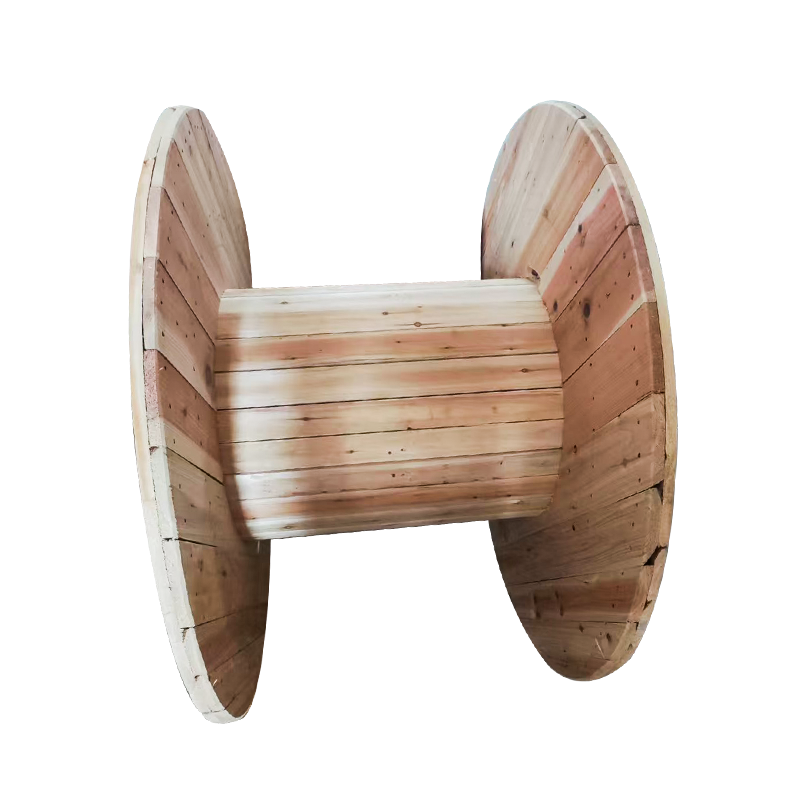
A cable reel must support not only the weight of the wound cable but also the dynamic stresses of rolling, lifting, and transport. For wooden reels — which are the most widely used type for heavy-duty cable packaging — structural safety depends on several measurable factors.
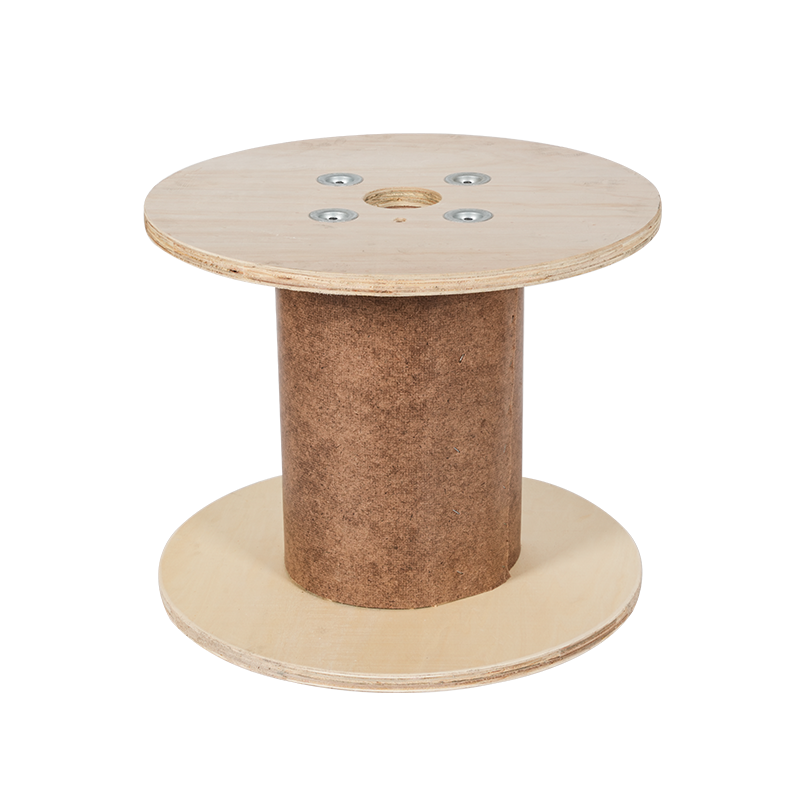
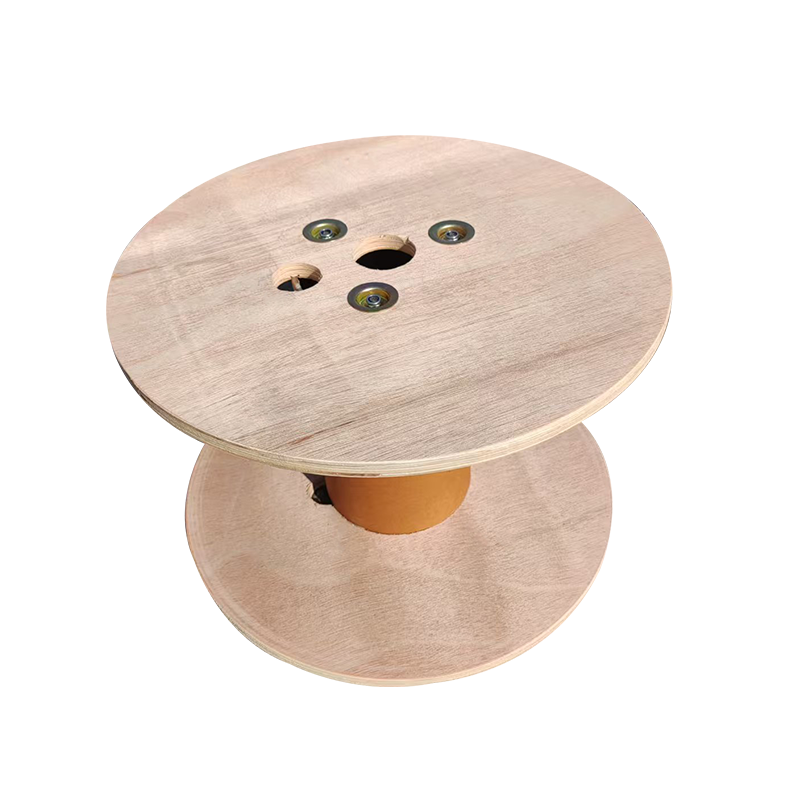
The flanges (the large discs on each side of the reel) bear the most stress during transport. Plywood flanges are typically engineered from multiple bonded layers, which distributes load more evenly than solid wood and resists splitting under impact. A well-manufactured plywood flange for a medium-to-large reel typically uses 9–15 bonded layers, with cross-grain orientation to prevent directional weakness. Reels with under-specified flange thickness — often found in low-cost, unregulated supply chains — are a known cause of flange failure during transit.
The central drum or core must resist radial compression from tightly wound cable. In heavy-gauge power cable reels, core collapse under load pressure is a real risk if barrel stave thickness is insufficient. Standard practice is to size the core diameter and stave thickness relative to the total wound cable weight — a reel carrying 500 kg of cable requires a significantly more robust core than one carrying 50 kg.
Flange-to-barrel joints secured with low-grade nails or insufficient adhesive bonding can loosen during road transport, especially over rough terrain. Industrial-grade reels use galvanized nails combined with structural adhesive, ensuring joints hold under vibration and impact loads common in logistics environments.
Different reel materials carry different safety profiles depending on application. Here is a practical comparison:
| Material | Load Capacity | Moisture Resistance | Impact Resistance | Best Use Case |
|---|---|---|---|---|
| Plywood (Poplar / Okoume) | High | Moderate | High | Medium-to-large power & telecom cables |
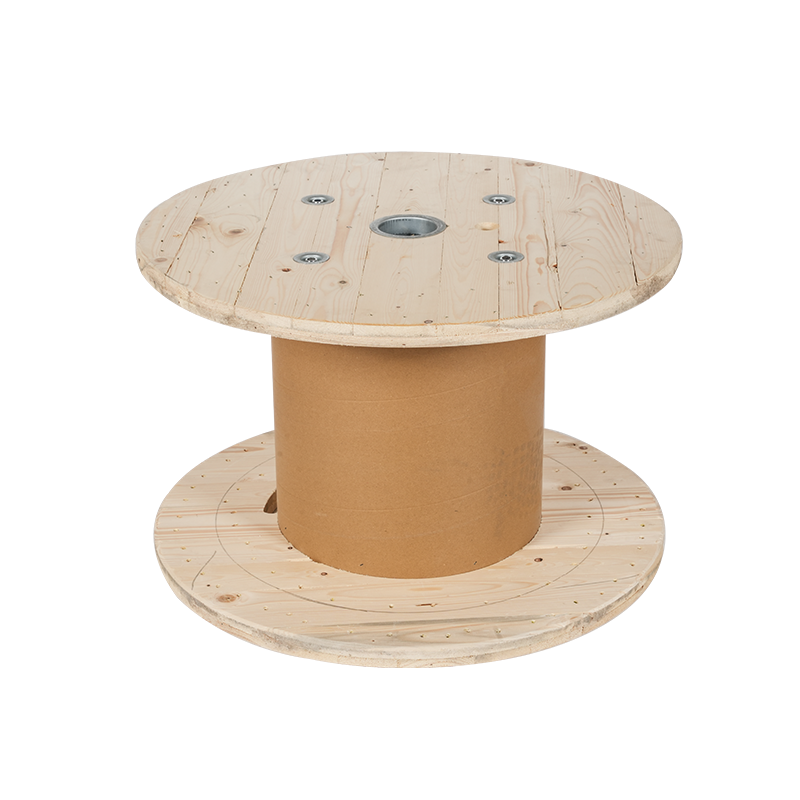
| Fumigated Solid Wood | Very High | Moderate | Very High | Heavy cable, export shipments (ISPM 15 compliant) |
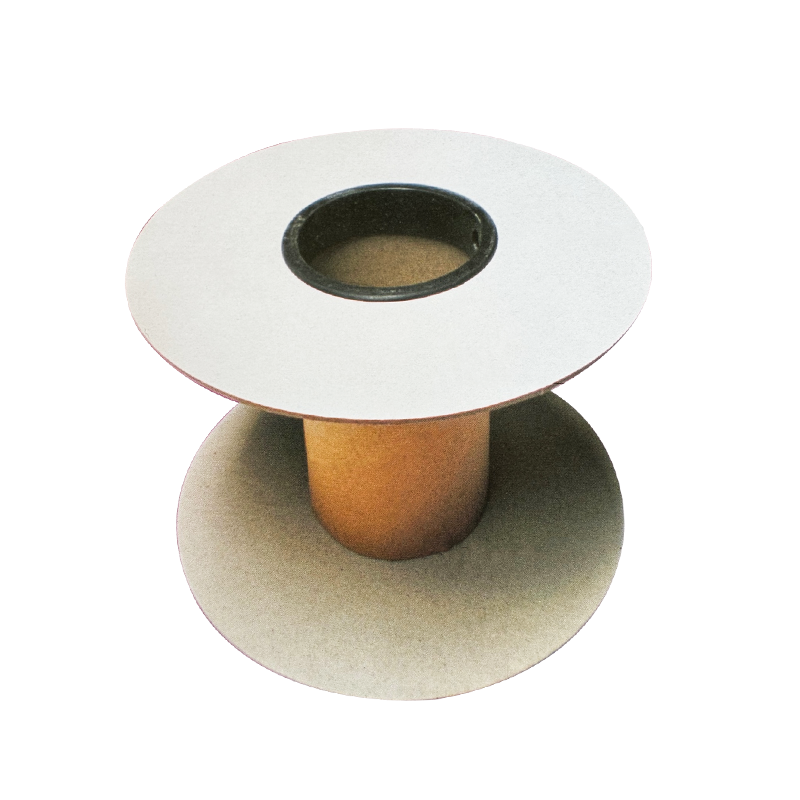
| Paper / Cardboard | Low–Medium | Low | Low–Moderate | Light wire, indoor short-term storage |
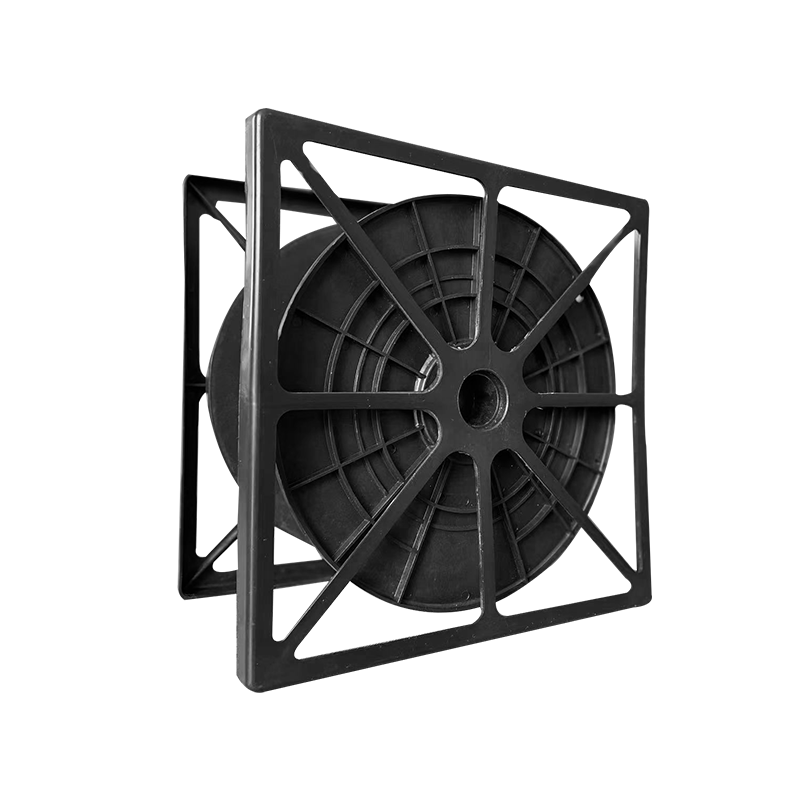
| Plastic | Medium | High | Moderate | Outdoor exposure, corrosive environments |
For cross-border shipments, fumigation compliance is a safety and legal necessity. Wooden packaging — including cable reels — entering most international markets must comply with ISPM 15 (International Standards for Phytosanitary Measures), which requires heat treatment or methyl bromide fumigation to prevent pest transfer. Using non-compliant reels can result in shipment holds, destruction of goods, and regulatory penalties — not just at the border, but for the end client as well.
Even a structurally sound reel can become a hazard if handled incorrectly on site. The following practices reflect industry standards and what we consistently advise our customers to follow.
A cable reel in poor storage condition can present hidden structural risks that only become apparent under load. Improper storage is responsible for a significant share of reel-related incidents that are often misattributed to manufacturing defects.
One of the most preventable safety issues we see in the field is the use of an undersized or wrong-type reel for a given application. Cable purchasing teams sometimes select reels based on price rather than specification, leading to overloading or mismatched dimensions that create real risks.
The key matching parameters are:
If you are sourcing reels for power, telecom, or industrial applications and want to ensure the specification is correct from the start, our cable drum product page covers the range of wooden cable reels we manufacture, including plywood and fumigated solid wood options for both domestic and export use.
We recommend the following pre-use checks as standard practice on any job site receiving cable on reels. This takes less than five minutes and can prevent a significant proportion of handling incidents.
| Check Item | What to Look For | Action if Issue Found |
|---|---|---|
| Flange condition | Cracks, delamination, missing sections | Do not lift or roll; contact supplier |
| Flange-to-barrel joints | Looseness, visible nail pull-out, gaps | Do not use; structural failure risk |
| Cable fill level | Cable protruding beyond flange edge | Remove excess cable before transport |
| Moisture damage | Swelling, discoloration, mold on wood | Assess structural integrity before use |
| Center bore / spindle hole | Damage, distortion, incorrect diameter for spindle | Do not lift until spindle fit is verified |
| Labeling / weight markings | Gross weight and cable spec visible | Confirm weight before lifting if missing |
Safety is not purely an end-user responsibility. As a manufacturer, we believe our role extends well beyond producing a reel that meets dimensional specs. It includes selecting the right timber grades, maintaining consistent adhesive application, performing load testing on representative samples, and ensuring export reels meet international phytosanitary standards.
For clients operating across multiple markets, this also means being transparent about material sourcing and treatment certifications. Spruce, Cryptomeria, Okoume, and Poplar each carry different mechanical properties, and the right choice depends on your cable weight, shipping route, and storage environment. We work with customers at the specification stage to recommend the correct reel type, not simply supply whatever is cheapest at the time of order.
If you are looking for cable reels across a range of materials and sizes — including paper cable reels for lighter wire applications and plastic cable drums for high-moisture environments — we manufacture all major reel types and can advise on the safest specification for your application.
Cable reels are safe. But like any load-bearing packaging product operating in industrial environments, their safety is a function of quality, correct specification, and proper handling. Getting all three right is what separates incident-free operations from costly and preventable failures.
Related Products

Contact us
Address
No. 19, Hualong Industrial Park, Linglong Street, Lin'an District, Hangzhou City, Zhejiang Province, China
Phone
+86-13357115977
QR CODE
 Cable Reel Manufacturers, Cable Packaging Reel Factory

 English
 中文简体
中文简体