Mar 06, 2026
Content
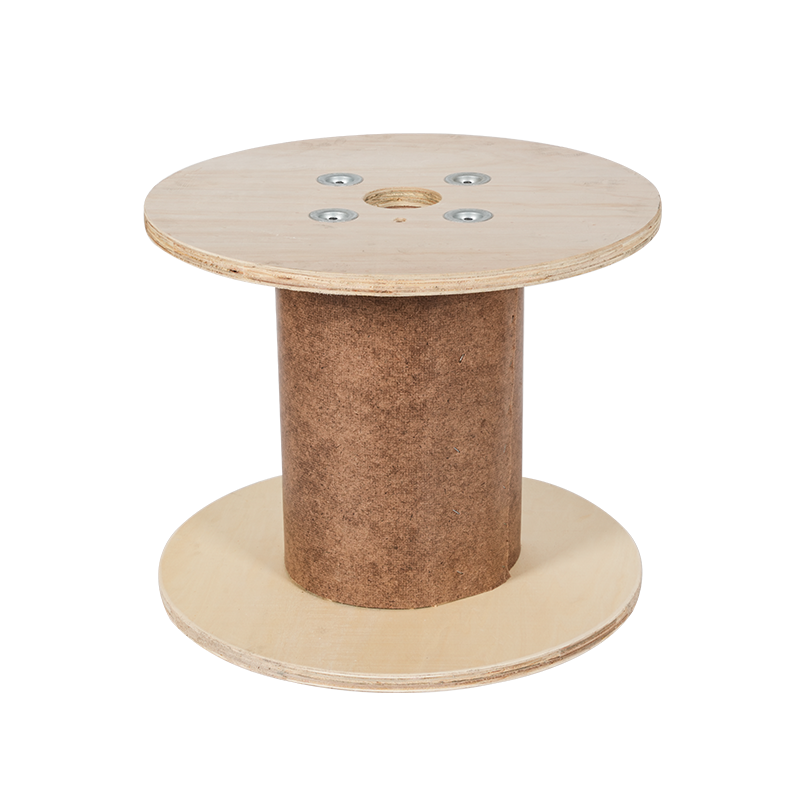
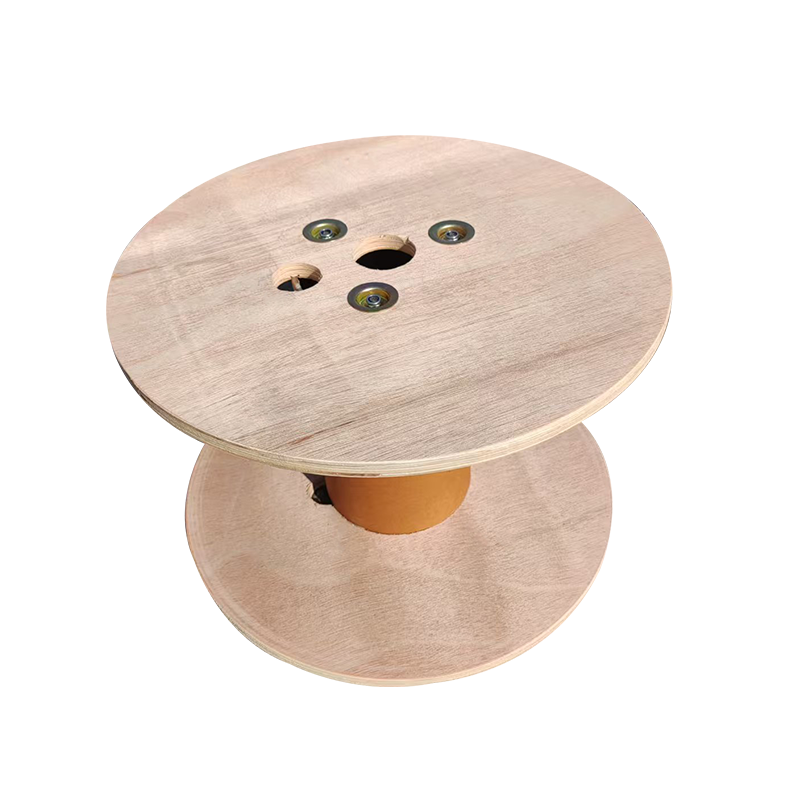
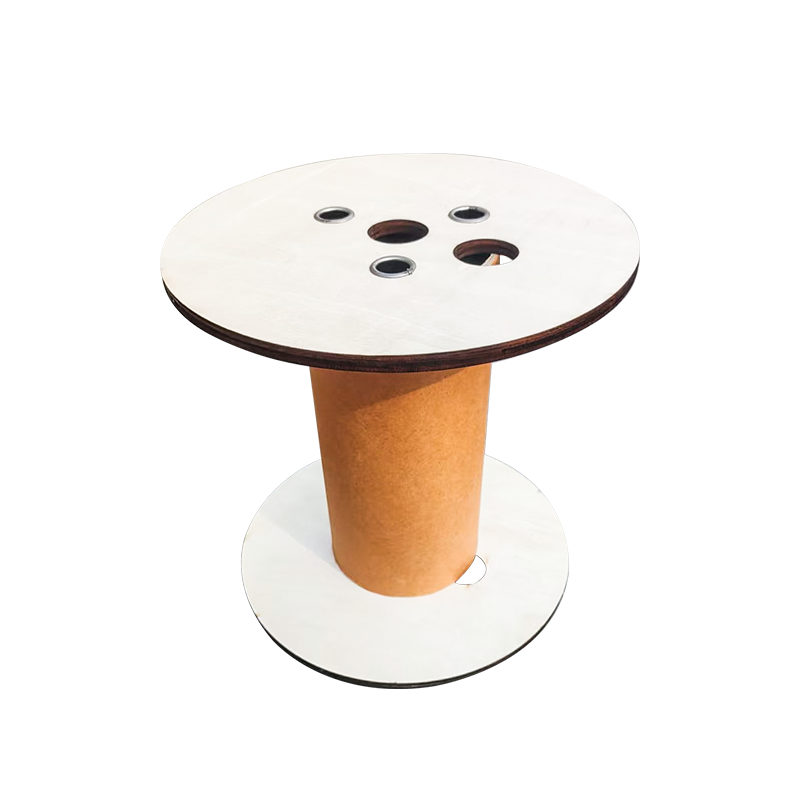
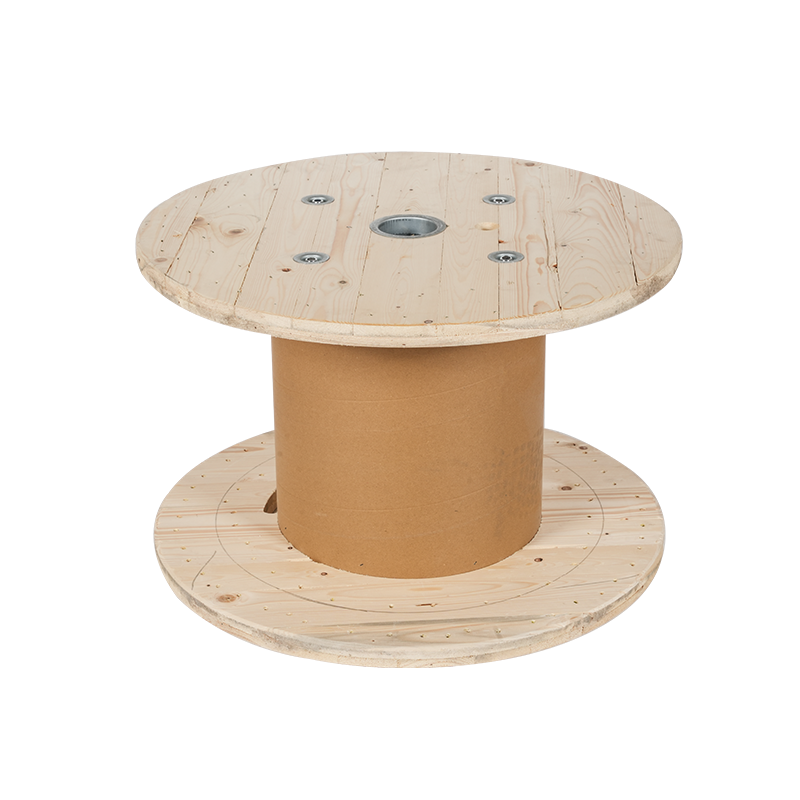
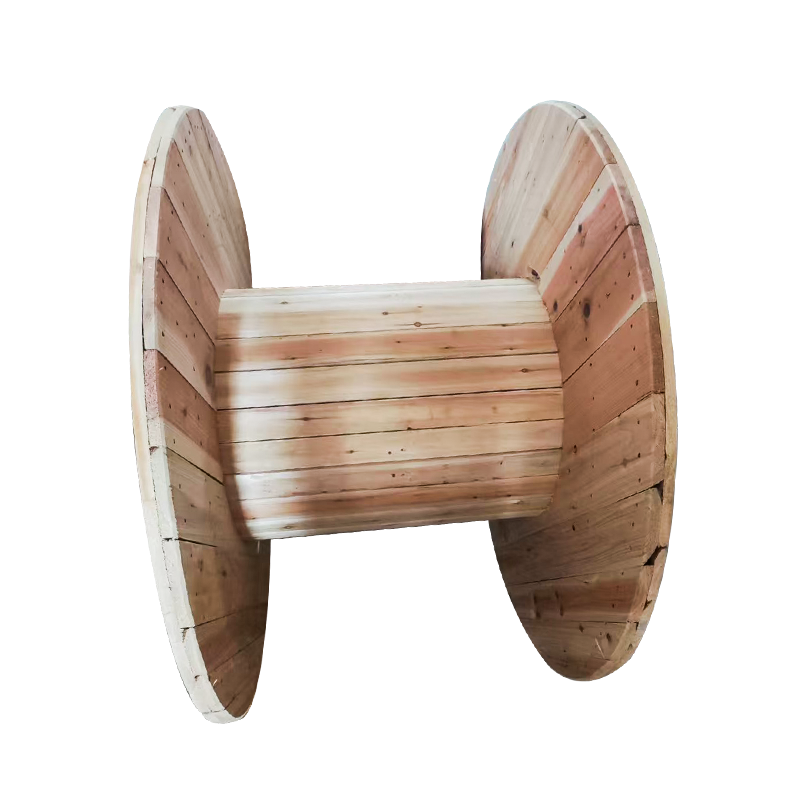
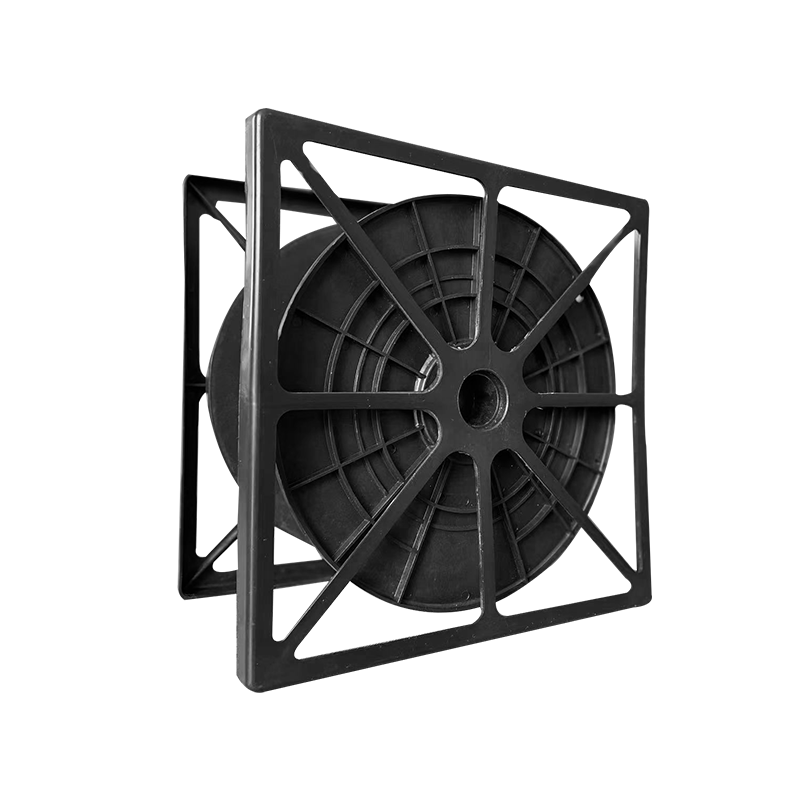
A cable wooden reel is a large cylindrical spool made from timber, engineered specifically to store, transport, and dispense heavy electrical cables, fiber optic lines, and industrial wire. For most infrastructure and construction projects, a properly rated cable wooden reel is the most reliable and cost-effective solution for managing cable loads ranging from 500 kg to over 10,000 kg. Unlike steel or plastic alternatives, wood provides natural shock absorption, is easy to repair on-site, and meets global shipping standards without specialized handling equipment.
This article breaks down everything you need to know: how these reels are built, what standards govern them, how to choose the right size, and how to handle and dispose of them responsibly.
Cable reels come in three primary materials: steel, plastic, and wood. Each has distinct characteristics that make it suitable for different applications. Wooden reels dominate the heavy cable segment globally for several practical reasons.
Wood naturally dampens vibration and impact forces. When a loaded reel rolls over uneven terrain or drops during unloading, the timber flanges flex slightly and absorb energy rather than transferring it directly to the cable. Steel reels, while stronger, transmit shocks more efficiently and can cause cable jacket damage on high-voltage lines.
Plastic reels are lightweight and corrosion-resistant but are generally limited to loads under 200 kg. For power transmission cables, submarine cables, or large-diameter armored cables, wood remains the dominant choice. A survey of European cable manufacturers found that over 70% of cables above 35 kV are still shipped on wooden reels, a figure that has remained stable for over two decades despite advances in composite materials.
Understanding the parts helps when specifying or inspecting a reel:
Wooden cable reels are manufactured according to customer specifications or international standards. The most commonly referenced standard is IEC 62153 for cable drums and the German DIN 46395, which categorizes reels by flange diameter and barrel diameter. Below is a practical reference table for common reel sizes and their typical load capacities.
| Flange Diameter (mm) | Barrel Diameter (mm) | Traverse Width (mm) | Max Load (kg) | Typical Cable Type |
|---|---|---|---|---|
| 630 | 315 | 400 | 500 | LV distribution, fiber optic |
| 1000 | 500 | 630 | 2,000 | MV cables, armored LV |
| 1600 | 800 | 1000 | 5,000 | HV cables, submarine cables |
| 2500 | 1250 | 1600 | 10,000 | EHV, offshore power cables |
| 3500+ | Custom | Custom | 15,000+ | Subsea, wind farm export cables |
The ratio of barrel diameter to flange diameter is typically 1:2. This ratio is not arbitrary: it directly relates to the permissible bend radius of the cable. Most medium-voltage cables require a minimum bend radius of 15 times the cable outer diameter. Choosing a barrel that is too narrow risks permanent deformation of the cable insulation, which can lead to premature dielectric failure in service.
Not all wood is suitable for cable reel construction. The timber must be strong enough to bear the load, resistant to splitting during fastening, and treated to prevent pest introduction during international shipping.
The choice of wood varies by region based on local availability, but performance requirements are consistent:
Any cable wooden reel crossing an international border must comply with ISPM 15 (International Standards for Phytosanitary Measures No. 15), issued by the International Plant Protection Convention. This standard requires that all raw wood packaging material, including cable reels, be treated to eliminate harmful organisms such as pine wood nematode and bark beetles.
Two approved treatment methods exist:
Treated reels must bear the IPPC mark, a stamp showing the country code, producer registration number, treatment method (HT or MB), and the wheat stalk and letters DB (debarked). Without this mark, reels can be held at customs or refused entry, causing significant project delays. For a 500 MW offshore wind project, a delay of even two weeks at port due to phytosanitary non-compliance can cost upwards of 1 million USD in standby vessel charges.
Selecting the wrong reel is a common and costly mistake. The most frequent errors are choosing a barrel diameter too small for the cable bend radius requirement, or underestimating the total cable weight due to inaccurate length calculations.
Follow this specification sequence:
| Application | Typical Cable OD (mm) | Min Barrel Dia (mm) | Reel Weight Range (kg) |
|---|---|---|---|
| Residential LV distribution | 20 to 40 | 300 to 600 | 200 to 800 |
| Urban MV network | 50 to 80 | 800 to 1200 | 1,500 to 4,000 |
| Transmission HV cable | 90 to 150 | 1500 to 2500 | 5,000 to 12,000 |
| Offshore wind export cable | 150 to 250+ | 3000+ | 15,000 to 50,000+ |
Improper handling is one of the leading causes of cable damage before installation. A reel loaded with 5,000 kg of cable can catastrophically roll and crush equipment or personnel if not correctly secured during transport.
For road transport, reels are lashed to flatbed trailers using ratchet straps rated to at least 1.5 times the reel gross weight, applied at the spindle and not across the cable surface. For sea freight, reels must be secured with steel lashing wires and anti-roll chocks welded to the vessel deck, as dynamic forces during rough sea conditions can generate lateral loads far exceeding the static weight. Most marine surveyors require a lashing calculation signed by a certified rigger for any reel exceeding 3,000 kg gross weight.
Upon delivery, a structured inspection reduces the risk of installing a cable that was damaged during transit. Use the following checklist before signing the delivery note:
Empty cable wooden reels generate significant volumes of waste material at project sites. A single large infrastructure project can accumulate 50 to 200 empty reels, each weighing between 300 and 3,000 kg of structural timber. Managing this responsibly is both an environmental obligation and a practical cost issue.
Many cable manufacturers operate reel return programs where the customer pays a deposit on delivery and receives a refund on return of the empty reel in serviceable condition. Reels in good condition are refurbished: damaged boards are replaced, bolts are retightened, and the IPPC treatment is reapplied before the reel is reloaded. A high-quality wooden reel can complete four to six loading cycles before the timber degrades to a point where repair is no longer economical. Given that a large reel can cost between 500 and 4,000 USD to manufacture, the economics of return schemes are compelling for both parties.
When reels are too worn for cable use, the structural timber retains significant value:
Direct landfill disposal of wooden reels is increasingly restricted under European waste regulations and equivalent legislation in other regions. Heat-treated timber (HT under ISPM 15) is generally classified as clean wood waste and can enter standard wood recycling streams. Methyl bromide treated timber may require segregation depending on local hazardous waste rules.
The environmental case for wooden cable reels is stronger than it might first appear. When sourced from responsibly managed forests certified under FSC (Forest Stewardship Council) or PEFC (Programme for the Endorsement of Forest Certification), the timber used in reel production represents a carbon store rather than a carbon source.
A lifecycle analysis published by a European timber packaging association estimated that the carbon footprint of a standard pine reel is approximately 60 to 80% lower than an equivalent steel reel when accounting for production energy, transport weight, and end-of-life recovery. Wood requires significantly less energy to manufacture than steel, and at end of life, wood can be composted, burned for energy, or reused, whereas steel recycling, while efficient, is energy-intensive.
The primary sustainability risk is irresponsible sourcing. Purchasing reels without verified certification means there is no guarantee the timber was not harvested from protected forests or areas subject to illegal logging. For project owners with environmental reporting obligations, specifying FSC or PEFC certified reels in procurement contracts is a straightforward risk mitigation step.
Cable wooden reels are a mature, well-understood technology, but errors in specification, handling, and disposal remain common and costly. The core principles to keep in mind are:
When these factors are addressed systematically, the cable wooden reel does exactly what it was designed to do: deliver cable safely, intact, and ready for installation, regardless of where in the world the project is located.
Related Products

Contact us
Address
No. 19, Hualong Industrial Park, Linglong Street, Lin'an District, Hangzhou City, Zhejiang Province, China
Phone
+86-13357115977
QR CODE
 Cable Reel Manufacturers, Cable Packaging Reel Factory

 English
 中文简体
中文简体