Mar 20, 2026
Content
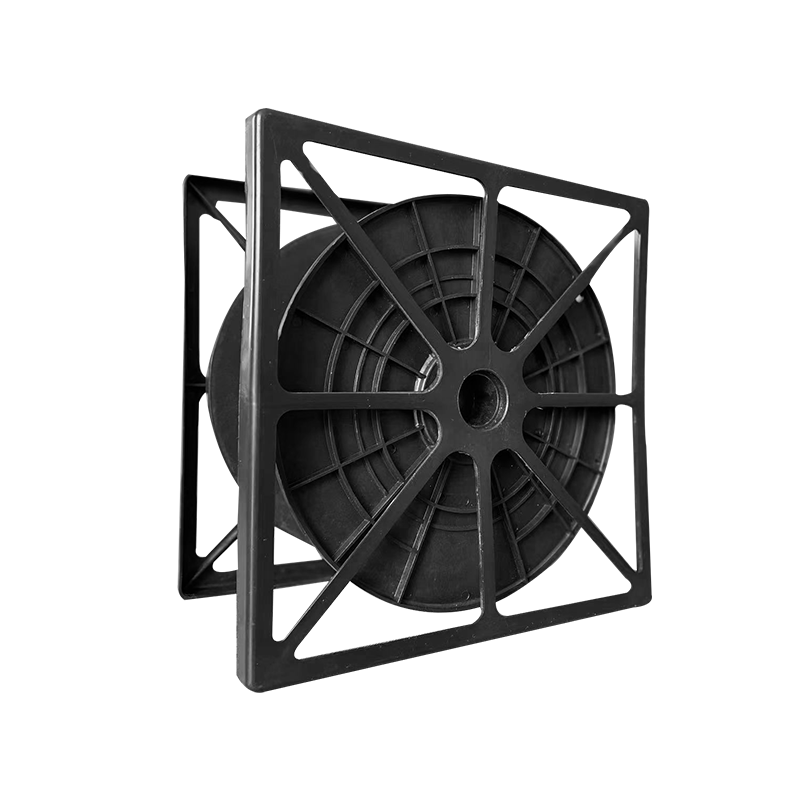
A paper cable reel is a cylindrical spool made primarily from paperboard or compressed paper materials, designed to wind, store, and transport cables, wires, cords, or filaments. Unlike wooden or plastic reels, paper reels offer a lightweight, cost-efficient, and increasingly eco-friendly alternative that suits a broad range of industrial and commercial applications.
The core construction typically consists of a paper tube barrel flanked by two circular paper or composite flanges. The barrel provides structural support for the wound material, while the flanges prevent slippage and protect the wound product during transit and storage. Despite their relatively simple appearance, well-engineered paper cable reels can support significant load-bearing demands — often accommodating cable payloads ranging from a few kilograms to well over 100 kg depending on the specification.
The shift toward paper-based reels has accelerated in recent years. Global paperboard packaging demand is projected to reach over 270 million metric tons by 2028, driven largely by sustainability mandates and brand commitments to reduce plastic use. Cable and wire manufacturers have followed suit, increasingly specifying paper reels in procurement contracts as part of their ESG reporting frameworks.
Paper cable reels are not a single uniform product. They vary by construction method, flange material, and intended load, each suited to different cable types and industry requirements.
Both the barrel and the flanges are constructed from layered paperboard. These are the lightest option and fully recyclable, making them ideal for lightweight wire products such as communication cables, enameled wires, and small-diameter coaxial cables. All-paper reels are generally used for payloads under 20 kg.
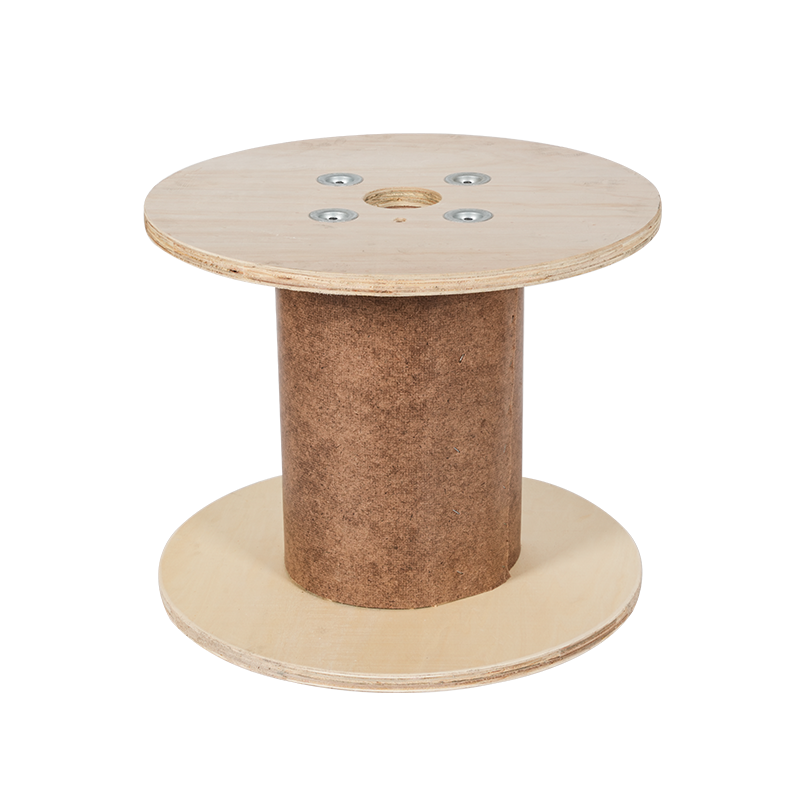
The barrel remains a paper tube, but the flanges incorporate wood fiber board, MDF, or reinforced recycled composite materials. This hybrid approach significantly increases the reel's load capacity without abandoning recyclability. Medium-weight electrical cable, automotive wiring harnesses, and fiber optic cable are common applications.
These are constructed from densely wound paper layers, sometimes bonded with adhesives or resins to form an exceptionally rigid structure. They approach the strength of lightweight wooden reels while maintaining a considerably lower carbon footprint. Applications include power cables, welding wire, and specialty industrial cord products.
| Reel Type | Typical Load Capacity | Best For | Recyclability |
|---|---|---|---|
| All-Paper | Up to 20 kg | Light wire, enameled wire | Fully recyclable |
| Paper Tube + Composite Flanges | 20–80 kg | Electrical cable, fiber optic | Largely recyclable |
| Heavy-Duty Wound Paper | 80–150+ kg | Power cable, welding wire | Mostly recyclable |
Paper cable reels serve a wide spectrum of industries, and understanding where demand is concentrated can help procurement teams make better sourcing decisions.
The case for paper cable reels extends beyond environmental preference. There are concrete operational and financial reasons why manufacturers and distributors are shifting their specifications.
Wooden and plastic reels often require reverse logistics programs — reels must be returned to suppliers or processed through specialized recycling streams. Paper reels can be collapsed and processed through standard recycling channels, eliminating the cost and complexity of reel return programs. In high-volume environments, this saving can be substantial.
Paper reels weigh significantly less than wooden equivalents of the same dimensions. For freight-sensitive shipments — particularly in air freight or LTL trucking — this directly reduces shipping costs per unit. Some estimates suggest paper reels can reduce packaging tare weight by 30–50% compared to wood, translating into meaningful freight savings across large order volumes.
Paper surfaces accept high-quality printing easily. Manufacturers can brand their reels with logos, technical specifications, QR codes, and traceability data without secondary labeling operations. This is particularly valuable in sectors where product identification and batch traceability are compliance requirements.
Increasingly, multinational buyers require suppliers to demonstrate sustainable packaging practices as a condition of procurement. Paper cable reels align with EU packaging regulations, Extended Producer Responsibility (EPR) frameworks, and corporate sustainability commitments in ways that plastic alternatives do not.
Not all paper cable reels are created equal. Evaluating suppliers requires attention to several technical and commercial factors that directly affect performance and total cost of ownership.
Engaging suppliers who offer engineering samples and load testing data before full production commitment is a reliable way to validate specification fit before scaling orders.
Related Products

Contact us
Address
No. 19, Hualong Industrial Park, Linglong Street, Lin'an District, Hangzhou City, Zhejiang Province, China
Phone
+86-13357115977
QR CODE
 Cable Reel Manufacturers, Cable Packaging Reel Factory

 English
 中文简体
中文简体