Apr 03, 2026
Content
Cable drums are the backbone of cable logistics — but only when handled and stored correctly. Whether you're managing plywood reels on a construction site or steel drums in a warehouse, improper practices can silently compromise cable integrity, void manufacturer warranties, and create serious safety hazards for workers. This guide covers every stage of the cable drum lifecycle: lifting, transport, storage, unreeling, and long-term maintenance, with practical steps your team can implement immediately.
Cable drums are not just packaging — they are structural protection for high-value electrical assets. A single mishandled drum can result in invisible insulation damage that only manifests during installation or, worse, during live operation. Beyond cable damage, improper handling creates real risks for workers, including drums rolling off vehicles, crush injuries from unsecured loads, and cable tangling during unreeling.
The financial stakes are equally significant. Mishandling cable drums can void manufacturer warranties if the cables are found to be compromised as a result. For contractors and distributors handling large cable orders, this represents a substantial financial exposure. Understanding the common uses of cable drums across industries helps frame why consistent handling standards matter at every stage of the supply chain.
The most frequent source of drum damage is improper lifting. These rules are non-negotiable on any professional site:
If neither forklift nor crane is available, a temporary ramp with an approximate inclination of 1:4 can be constructed. Use ropes or winches to guide the drum, and consider adding a sand bed at the ramp's base to decelerate rolling. This approach is a last resort and requires additional personnel for safe execution.
During road, rail, or sea transport, movement and vibration are the primary threats. Follow these principles to protect drums in transit:
Where and how you store cable drums has a direct impact on cable lifespan and usability. Apply these standards to every storage area:
Every professionally manufactured cable drum carries markings that contain critical operational information. Misreading or ignoring these markings is one of the most avoidable sources of cable damage.
| Marking | Meaning | Why It Matters |
|---|---|---|
| Arrow (Roll This Way) | Direction to roll the drum | Rolling against the arrow loosens the cable wind, risking kinking |
| Cable end marker | Indicates which end to start from | Ensures correct installation sequencing |
| Drum weight / total weight | Combined drum and cable weight | Required for selecting correct lifting equipment |
| Drum number / production code | Unique identifier | Essential if cable is transferred to another drum — traceability is lost without it |
| Cable type and length | Specifications of wound cable | Confirms correct reel for the installation |
Note that during unreeling, the rolling direction arrow will point opposite to the drum's rotation — this is normal and expected behavior, not an error.
Even drums that have been perfectly stored can be damaged during unreeling if the process is rushed or executed incorrectly. Follow this sequence for safe cable payout:
When cables must be stored for extended periods, proactive maintenance prevents gradual degradation that would otherwise go unnoticed until installation.
Not all cable drums are identical, and handling adjustments should reflect the drum's construction material and design.
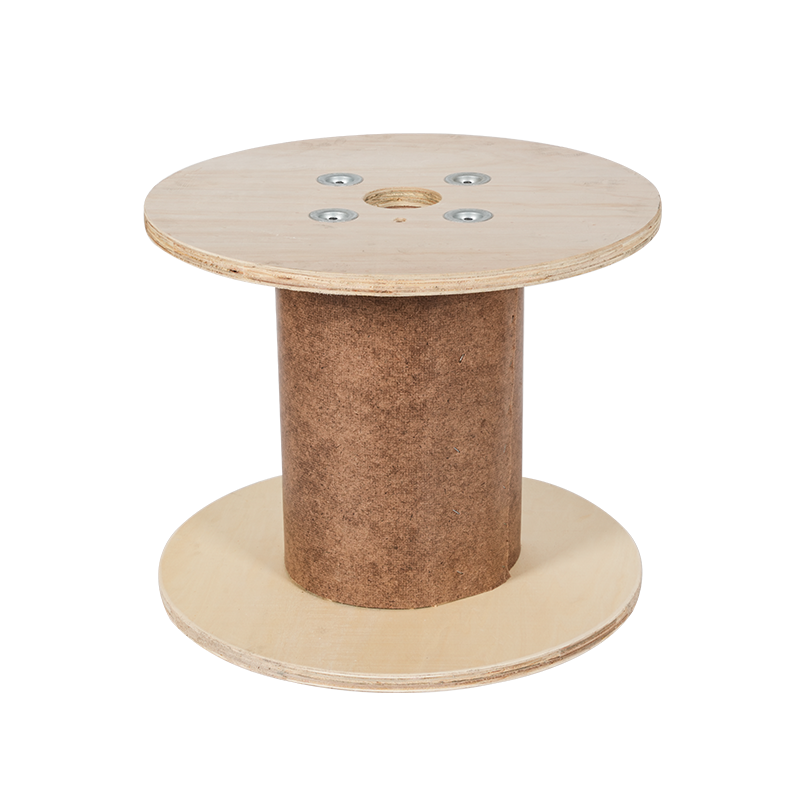
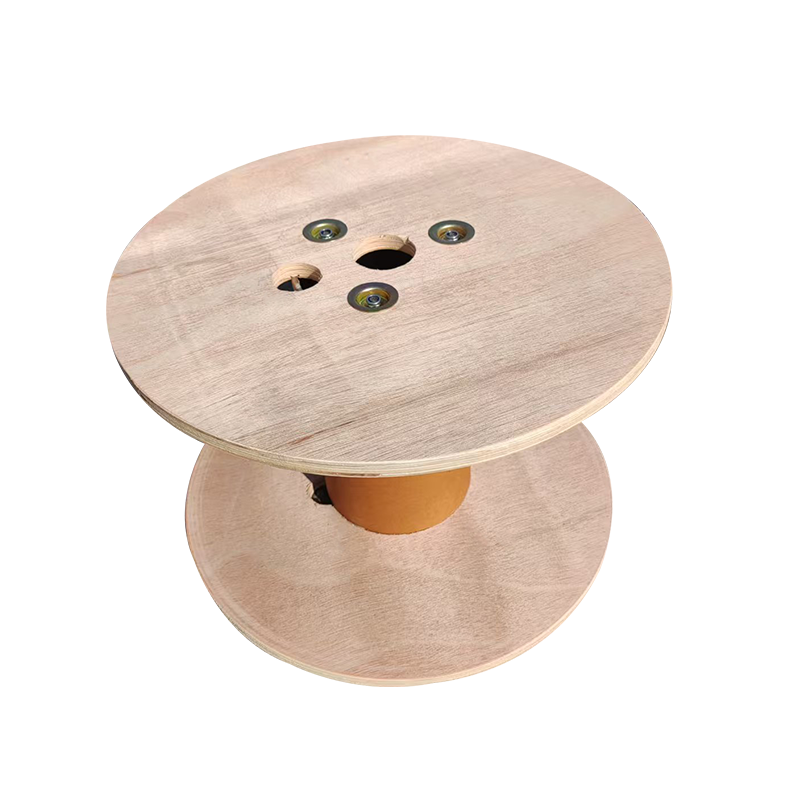
Plywood Cable Reels are the most widely used type for light-to-medium cable weights. They offer good moisture resistance when treated and are suited to standard forklift handling. Their plywood flanges are more resilient to point loads than solid timber but still require flange-side lifting to avoid delamination. The Plywood Cable Reel product range covers a broad spectrum of capacities for different cable applications.
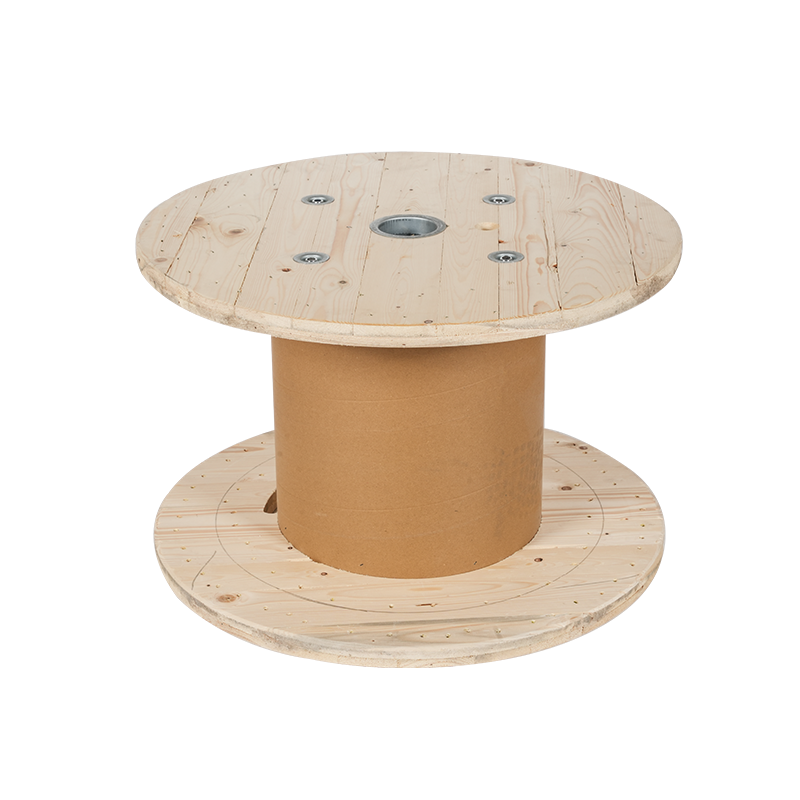
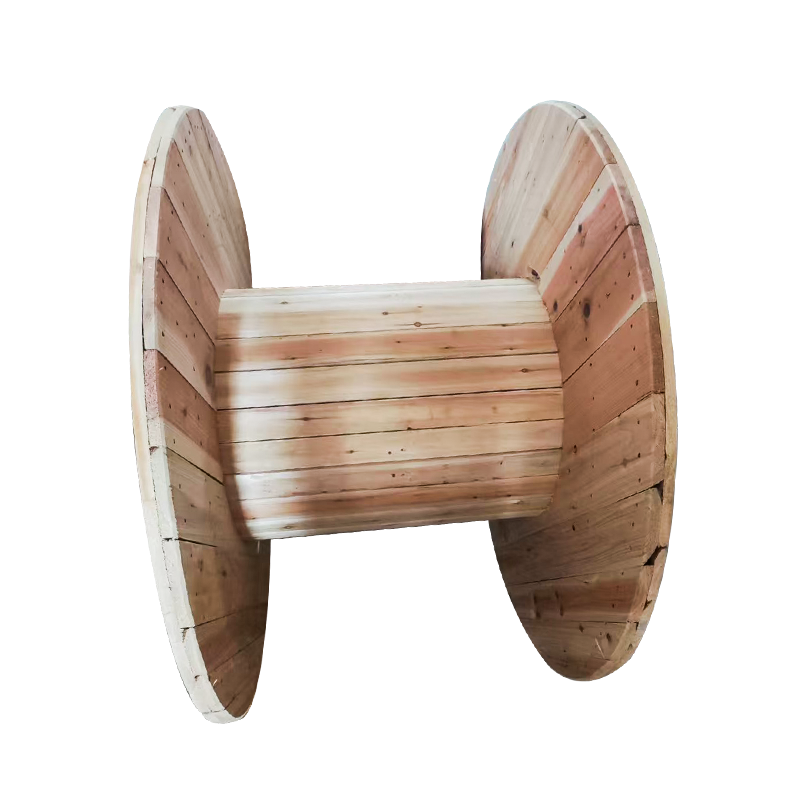
Fumigated Solid Wood Cable Reels are designed for international shipment compliance (ISPM 15). The fumigation treatment means no special handling is required beyond standard protocols, but the stamp should be verified before export to avoid customs delays.
Steel Drums, typically used for cable weights exceeding 10 tonnes, require higher-capacity lifting equipment. A forklift rated for at least 12 tonnes (plus contingency) is recommended. Steel drums are more resistant to environmental degradation but are heavier and require more robust transportation securing.
Paper Cable Reels are for lighter-duty applications and are more susceptible to moisture damage. Elevated storage on pallets is especially important for paper reels, and exposure to rain or standing water should be avoided entirely.
Consistent application of handling and storage best practices protects your cable investment, keeps your team safe, and ensures cables arrive at installation in optimal condition. The core rules are straightforward: always lift from the flanges, always store upright, always secure against rolling, and always reseal cable ends after cutting. Applying these standards across your operation — from warehouse to job site — eliminates the most common and costly sources of cable drum damage.
Related Products

Contact us
Address
No. 19, Hualong Industrial Park, Linglong Street, Lin'an District, Hangzhou City, Zhejiang Province, China
Phone
+86-13357115977
QR CODE
 Cable Reel Manufacturers, Cable Packaging Reel Factory

 English
 中文简体
中文简体