Mar 25, 2026
Content
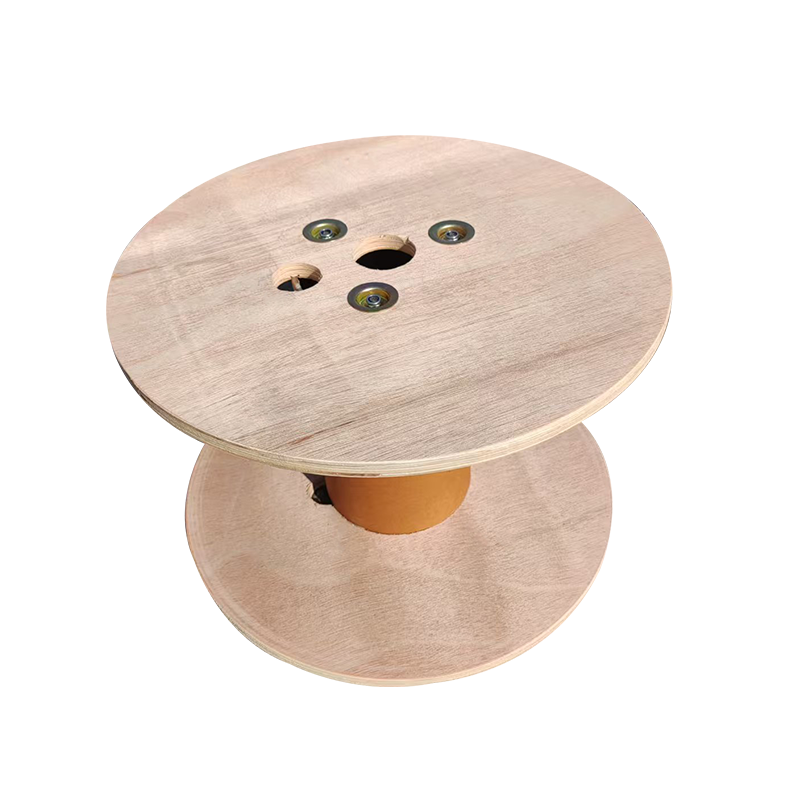
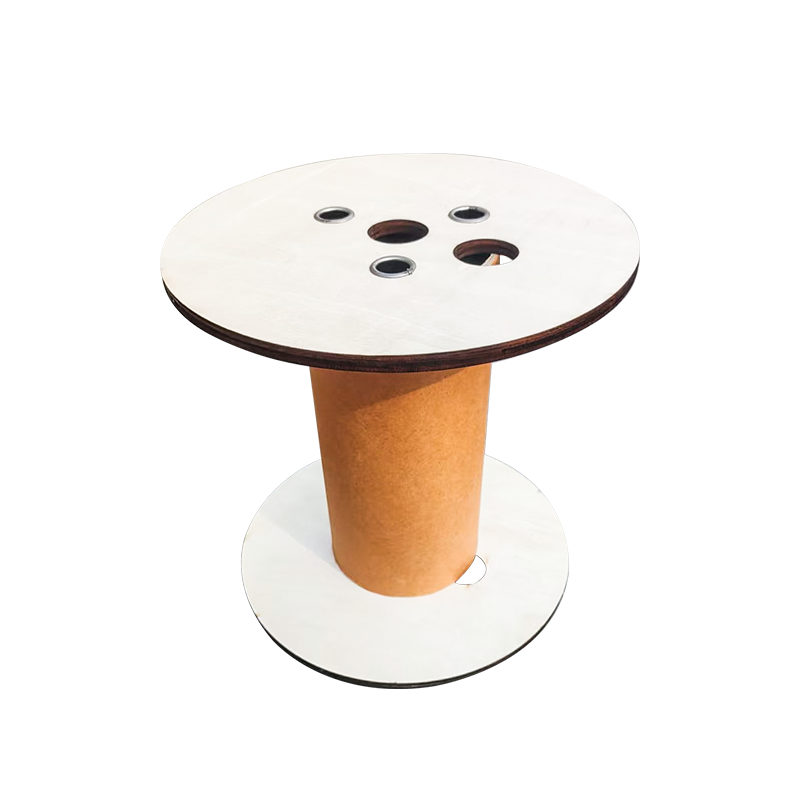
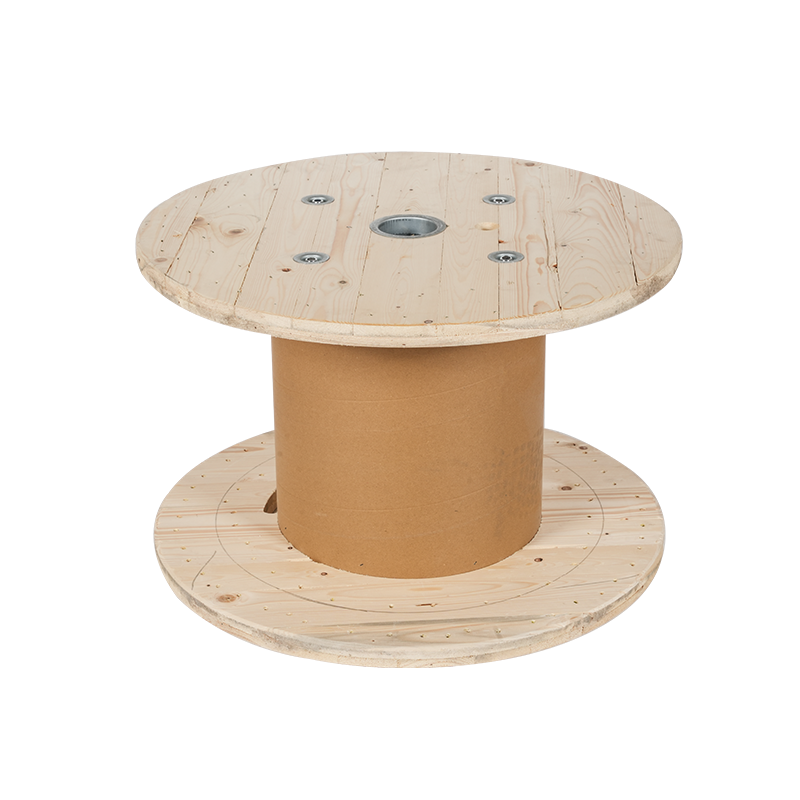
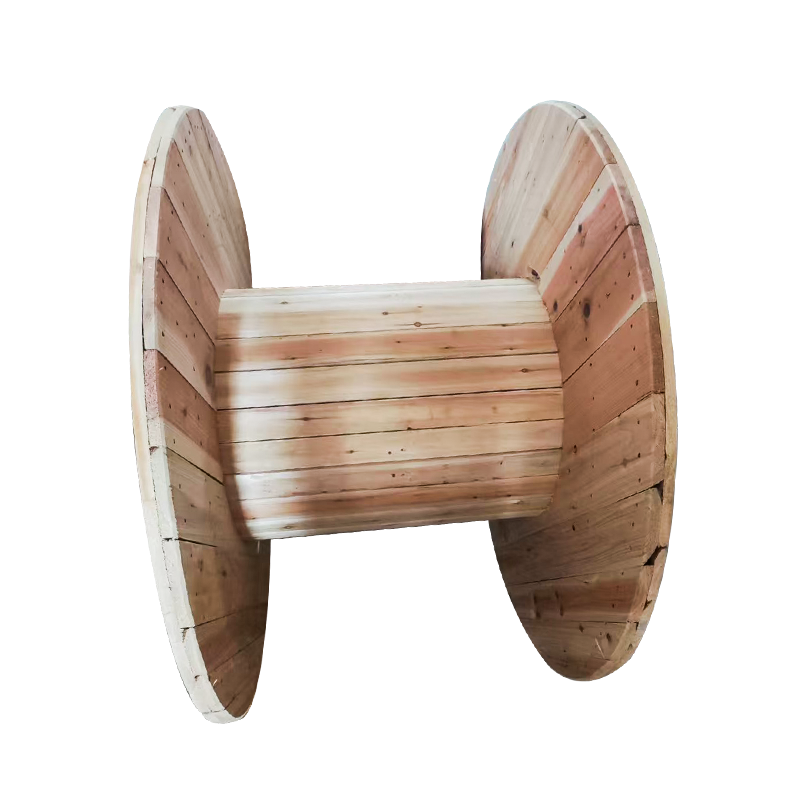
A plywood cable reel is a spool-shaped structure made from layered wood panels, engineered specifically to store, transport, and dispense electrical cables, fiber optic lines, steel wires, and similar long, flexible materials. Unlike metal or plastic alternatives, plywood reels offer a compelling balance of structural rigidity, cost efficiency, and environmental sustainability — making them one of the most widely used cable packaging solutions across the global wire and cable industry.
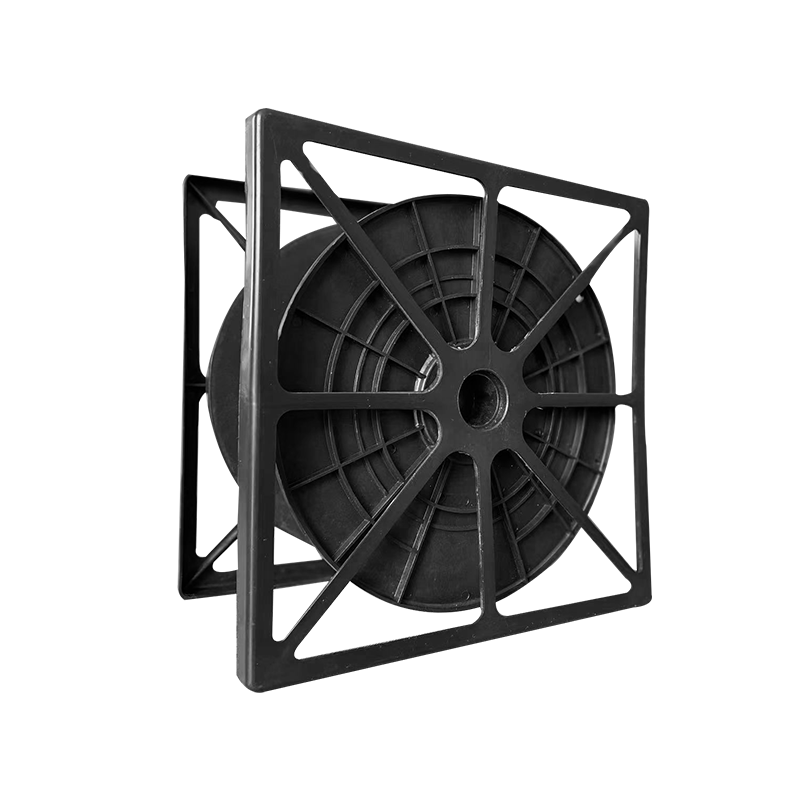
A typical plywood cable reel consists of two circular flanges connected by a central barrel (drum). Cables are wound tightly around the barrel, while the flanges prevent lateral slipping during transit. The entire assembly is fastened with bolts, nails, or wooden pins depending on the load specification and reel size.
Standard reel diameters range from as small as 300 mm for light-duty telecom cables up to 3,000 mm or more for high-voltage power cables — and custom dimensions are routinely manufactured to match specific conductor lengths and winding requirements.
The performance of a plywood cable reel depends heavily on the grade and construction of the plywood used. Most manufacturers specify phenolic film-faced plywood or marine-grade plywood for heavy-load applications, as these variants deliver superior moisture resistance, consistent layer bonding, and high radial compression strength.
Flanges bear the majority of impact and stacking loads. They are typically cut from multi-layer plywood with a thickness between 12 mm and 30 mm, depending on reel diameter. Oversized or heavy reels may use laminated flanges where two or more plywood sheets are bonded together for added strength.
The barrel is the central cylinder around which the cable is wound. It is commonly constructed from curved plywood segments, solid wood staves, or wooden boards assembled into a polygonal form. Barrel diameter directly determines the minimum bending radius that the wound cable must tolerate — a critical factor for cables with rigid or foam-insulated jackets.
Internal cross-boards connect the two flanges and maintain their parallel alignment under load. Ledger boards on the outer reel edge protect the cable end and facilitate safe ground rolling. These components are essential for maintaining structural integrity during long-haul sea freight and rough-terrain site delivery.
Choosing the right reel material involves weighing load capacity, cost, weight, and end-of-life options. The table below summarizes the core trade-offs:
| Attribute | Plywood Reel | Steel Reel | Plastic Reel |
|---|---|---|---|
| Load Capacity | Medium–High | Very High | Low–Medium |
| Unit Weight | Light | Heavy | Very Light |
| Material Cost | Low | High | Medium |
| Reusability | Limited (3–5 cycles) | High (10+ cycles) | Medium |
| End-of-Life Disposal | Recyclable / Biodegradable | Scrap Metal Recyclable | Variable |
| Moisture Resistance | Moderate (treated grades: good) | Poor (corrosion risk) | Excellent |
For most one-way export shipments and single-use project deployments, plywood reels deliver the best cost-per-performance ratio. Steel reels justify their premium only when depot return logistics are well-established or when cable weights exceed 5,000 kg per reel.
Plywood cable reels are specified by engineers and procurement teams across a broad range of sectors:
In international trade, plywood reels are the dominant export packaging format because they comply with ISPM 15 phytosanitary treatment requirements (heat treatment or methyl bromide fumigation), allowing customs clearance in over 180 importing countries without additional wood packaging declarations.
When sourcing plywood cable reels, specifying the following parameters upfront prevents costly mismatches between reel capacity and actual cable dimensions:
Buyers who provide cable outer diameter, cable length, and unit cable weight can expect suppliers to back-calculate reel geometry and confirm load compliance — this is standard practice for custom reel orders above 50 units.
Plywood cable reels should be stored upright on flat, dry surfaces. Prolonged outdoor exposure without protective sheeting accelerates delamination at flange edges, especially in tropical climates where humidity regularly exceeds 80%. Applying a waterproof edge sealant during manufacture can extend outdoor storage life by 6 to 12 months without significant cost impact.
For site handling, reels with an OD above 1,000 mm are typically rolled on their flanges rather than lifted. Ensure the ground surface is free of protruding rebar or sharp aggregate that could crack flange edges. Reels above 1,500 mm OD generally require a lifting spindle through the barrel bore — never attempt crane lifts by hooking the cable.
From a sustainability standpoint, plywood cable reels sourced from FSC-certified or PEFC-certified timber allow end users to include packaging in corporate ESG reporting. After the cable is fully dispensed, empty reels are commonly repurposed as workshop furniture, garden planters, or site fencing panels — reducing landfill contribution and delivering secondary value to end-users on long-duration infrastructure projects.
Related Products

Contact us
Address
No. 19, Hualong Industrial Park, Linglong Street, Lin'an District, Hangzhou City, Zhejiang Province, China
Phone
+86-13357115977
QR CODE
 Cable Reel Manufacturers, Cable Packaging Reel Factory

 English
 中文简体
中文简体