Jun 24, 2026
Content
A customs inspector in Rotterdam finds no ISPM 15 mark on the wooden cable drum. The shipment gets pulled. Your client waits. You pay for re-fumigation, delayed freight, and an emergency repack — costs that dwarf the price of a compliant reel from the start.
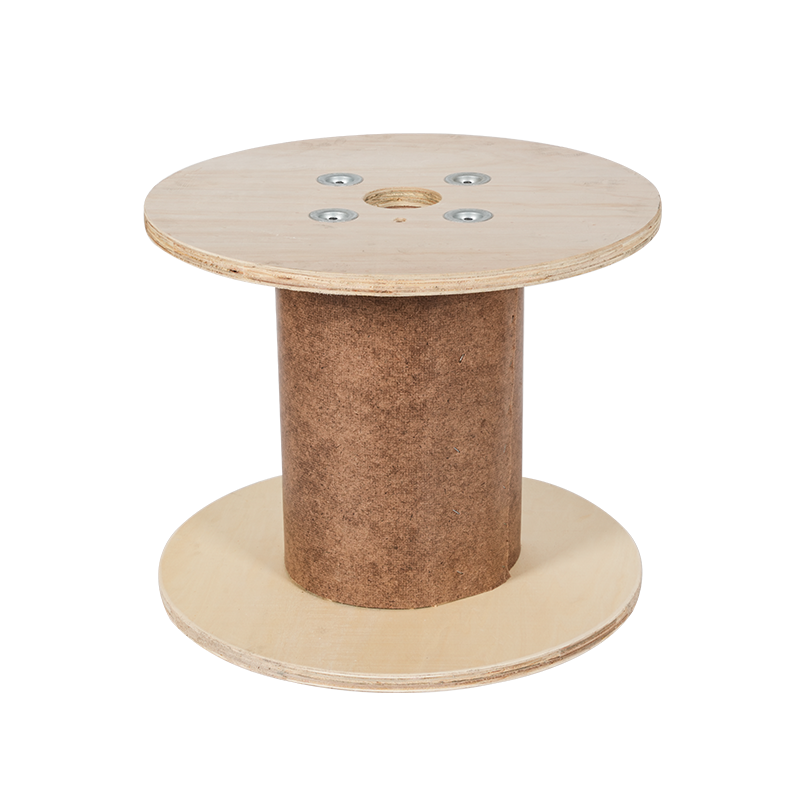
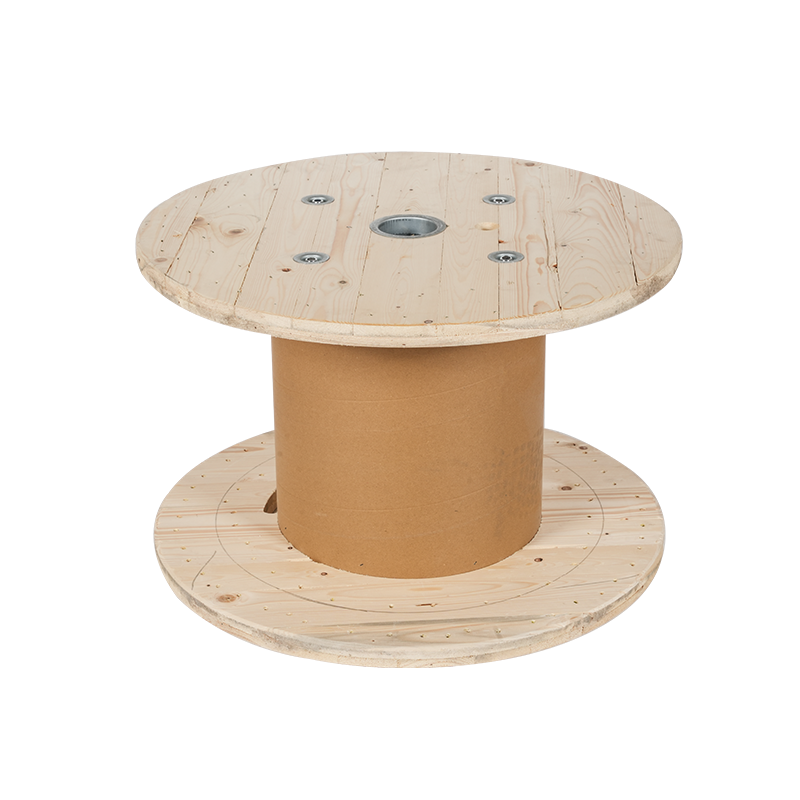
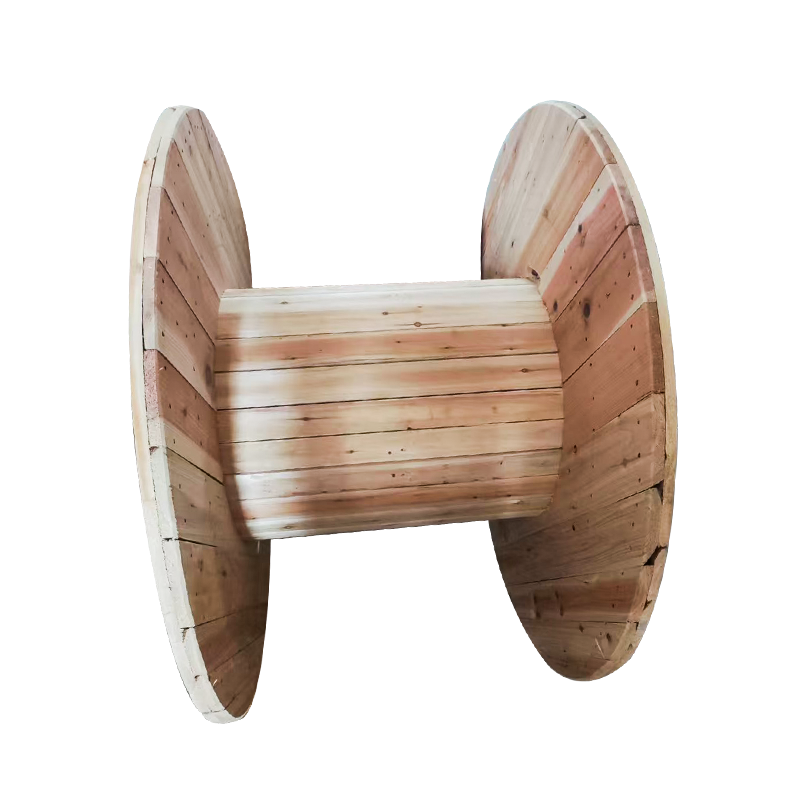
This is the scenario that makes phytosanitary compliance the first thing to verify, not the last. Fumigated Solid Wood Cable Reels built to ISPM 15 standards carry an official IPPC mark — the internationally recognized proof that the wood was treated to eliminate pests before it ever left the factory. More than 130 countries currently require this certification for all solid wood packaging materials, including reels and cable drums used in cross-border shipments.
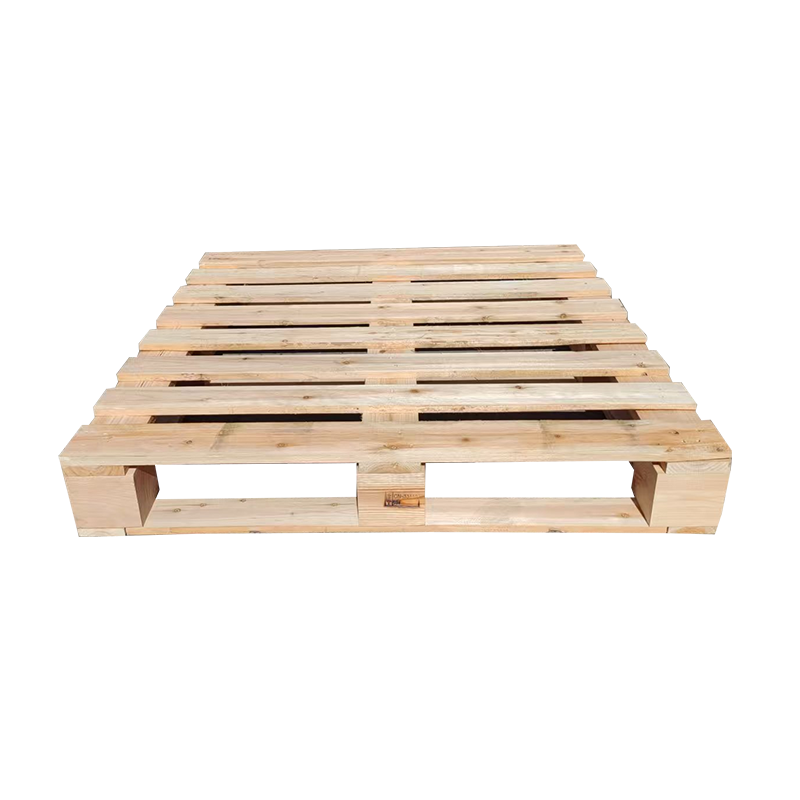
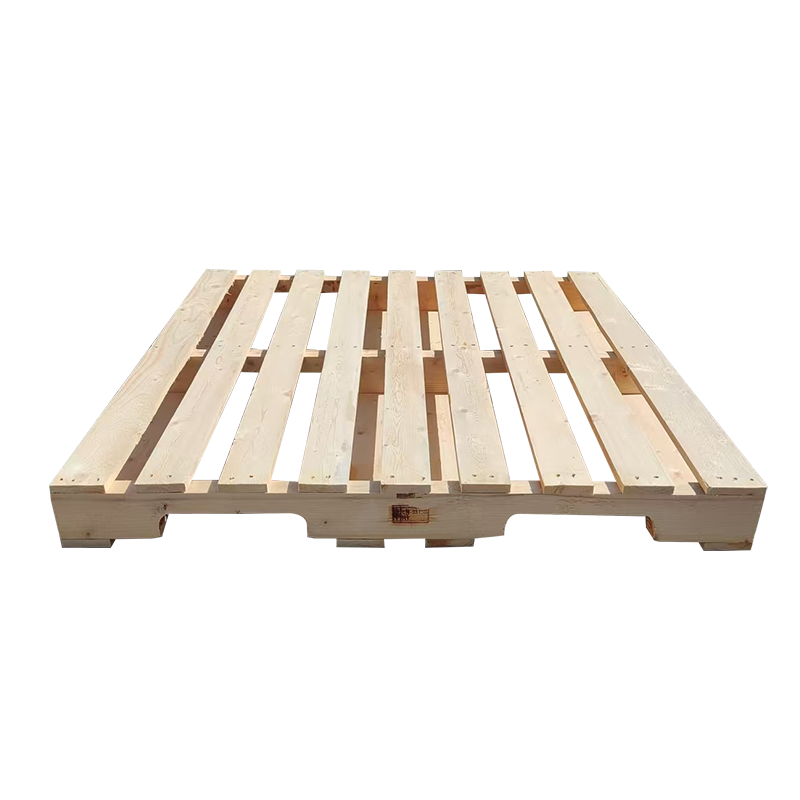
The International Standard for Phytosanitary Measures No. 15 mandates that solid wood packaging — reels, crates, pallets, dunnage — be treated to kill wood-boring insects and pathogens before international transit. Two methods meet the standard: heat treatment to a minimum core temperature of 56°C for at least 30 minutes, and methyl bromide (MB) fumigation.
Fumigation involves sealing the wood in a contained space and introducing the fumigant gas until pests are fully eliminated. Once treated and officially marked, the certification does not expire — which means a compliant reel can be reused across multiple shipments without retreating, as long as it hasn't been repaired or remanufactured. For buyers procuring in volume, that reusability carries real cost value.
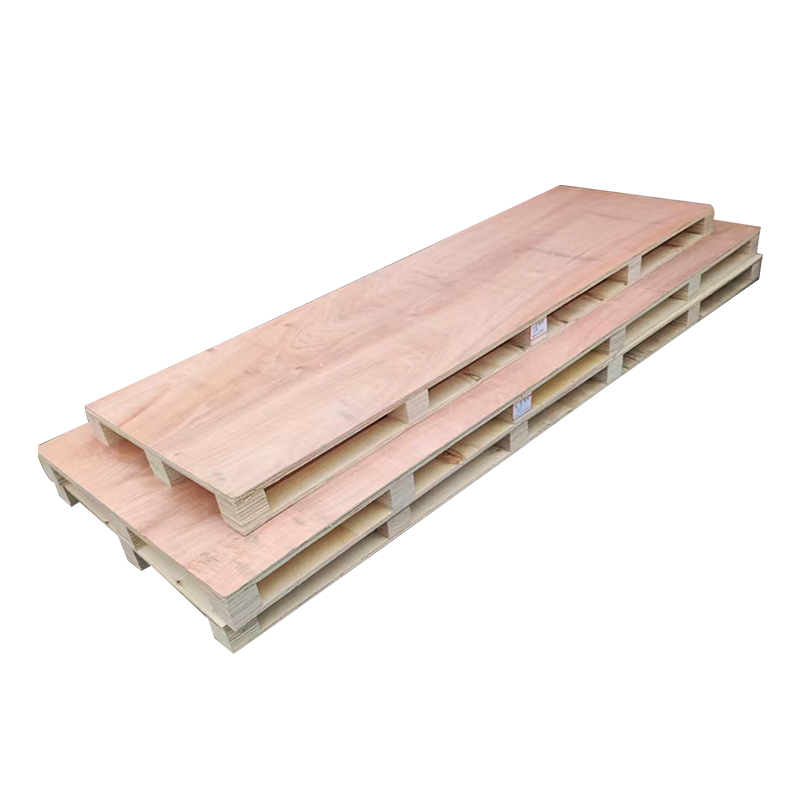
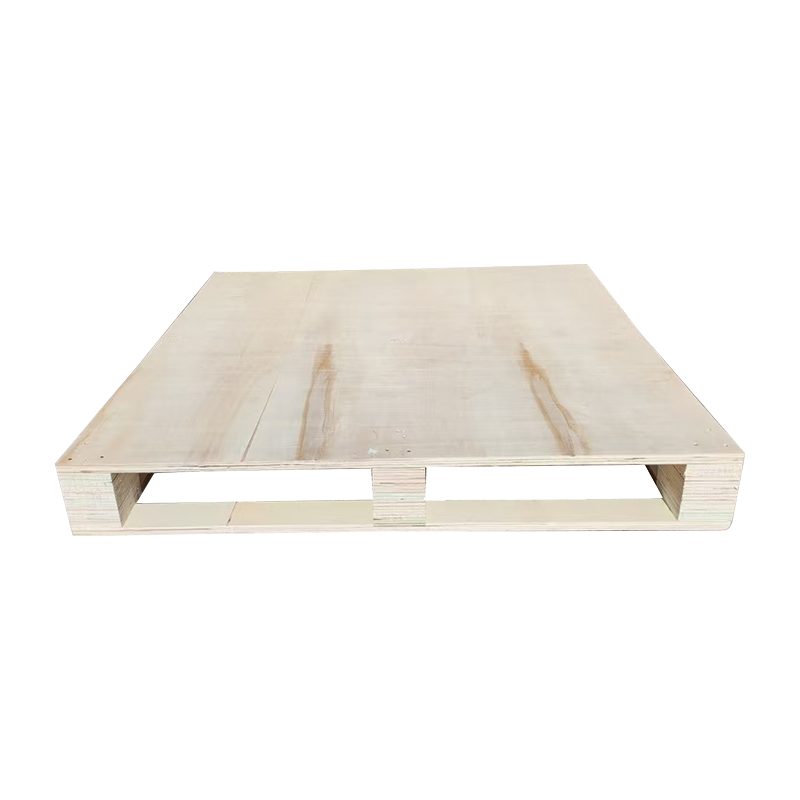
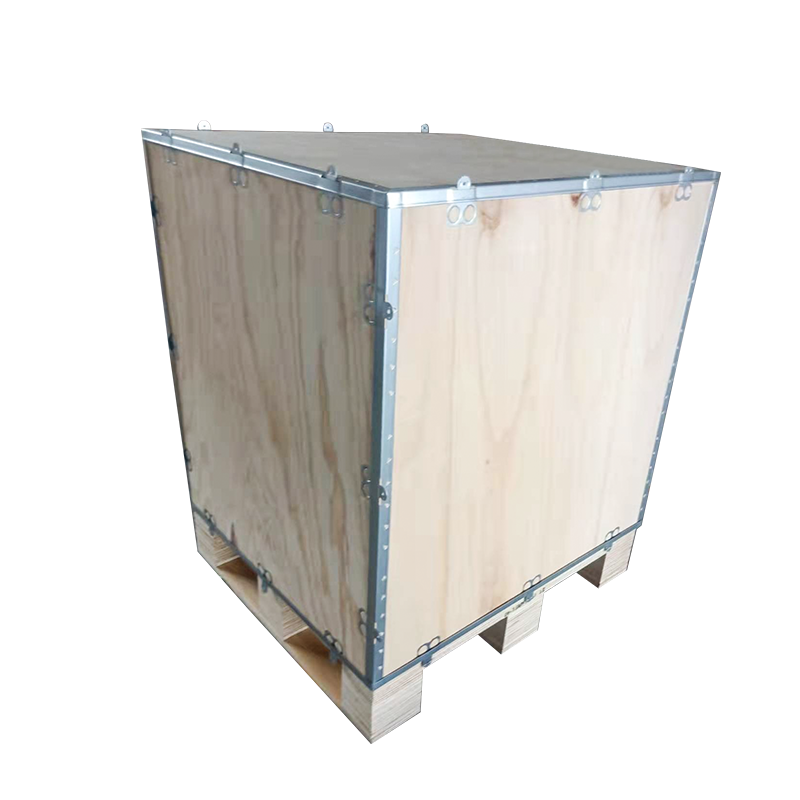
It's worth noting that processed wood products like plywood are exempt from ISPM 15 because the heat and pressure in their manufacturing process already meets phytosanitary requirements. Solid wood cable reels, by contrast, must be treated and stamped — no exceptions for the EU, the United States, or most major trading partners. You can verify current country requirements through the USDA APHIS wood packaging material guidelines, which list all countries that enforce the standard.
Both imported Spruce and Cryptomeria fortunei are solid wood species used in large-format fumigated cable reels. They share the same dimensional range — flange diameters from 650 mm to 1,300 mm, board thickness from 20 mm to 40 mm, with core options including thickened paper tube and solid wood strip core — but their mechanical properties differ in ways that matter for specific applications.
| Property | Imported Spruce | Imported Cryptomeria Fortunei |
|---|---|---|
| Primary strengths | Tough, wear-resistant, high pressure resistance | Lightweight, high-strength, dimensionally stable |
| Best for | Heavy cables, high load-bearing transport | Fiber optic cables, applications where weight matters |
| Deformation risk | Low | Very low — Cryptomeria is notably stable over time |
| ISPM 15 compliant | Yes | Yes |
Spruce is the go-to choice when your cable payload is dense and heavy — power cables, armored cables, or large conductor bundles that push flange load limits. Cryptomeria is preferred where reducing drum weight improves handling efficiency, particularly for fiber optic or lighter signal cables where dimensional precision matters more than brute load capacity.
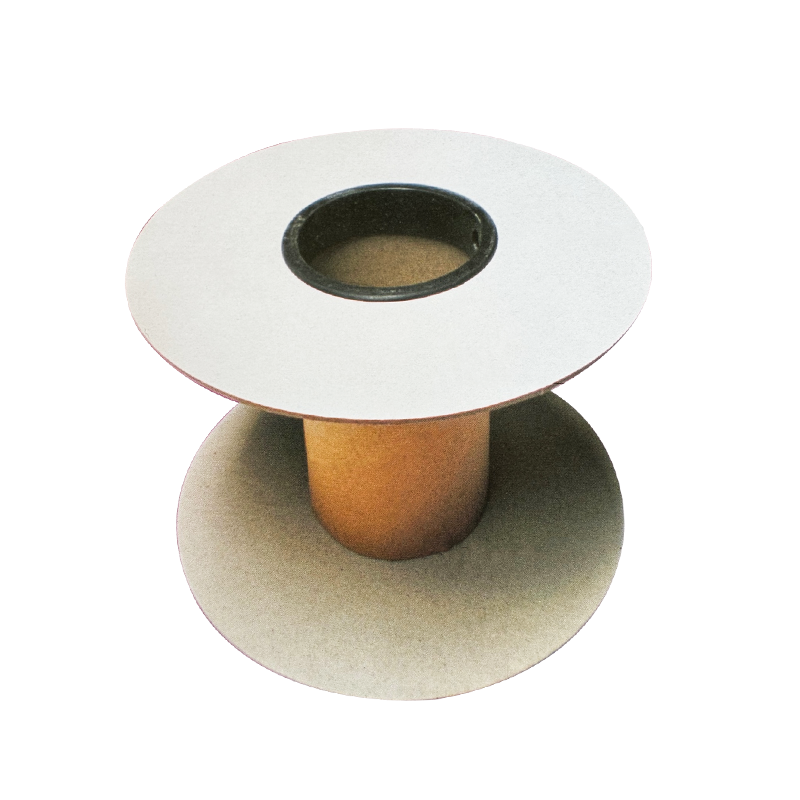
For any Cable Wooden Reel intended for export, four dimensions define compatibility: flange diameter, traverse (barrel width), barrel diameter, and board thickness. A mismatch on any one of them can make a reel incompatible with a customer's de-reeling equipment or exceed pallet weight limits at the destination warehouse.
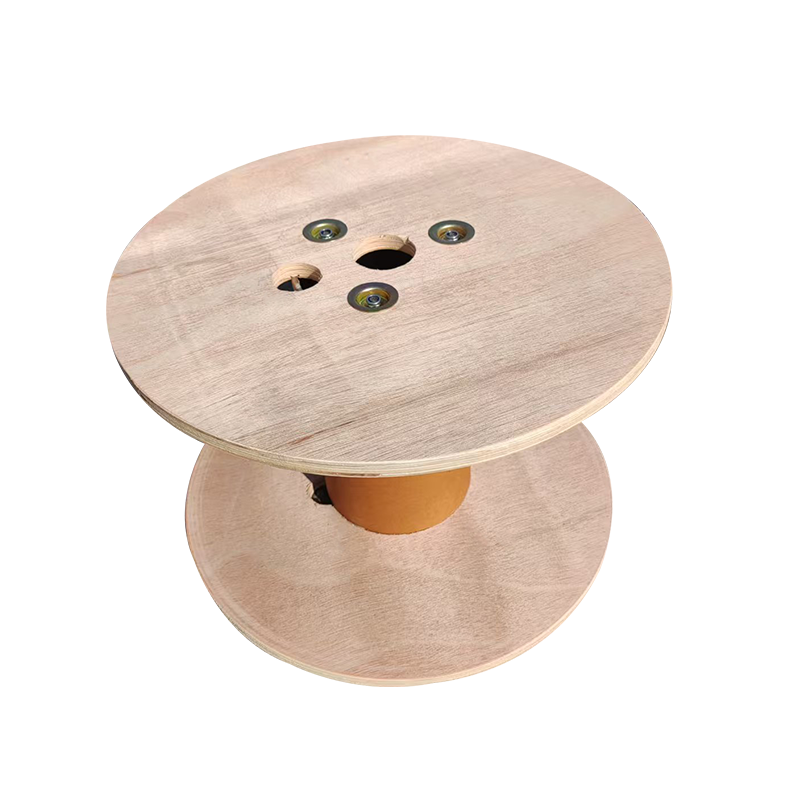
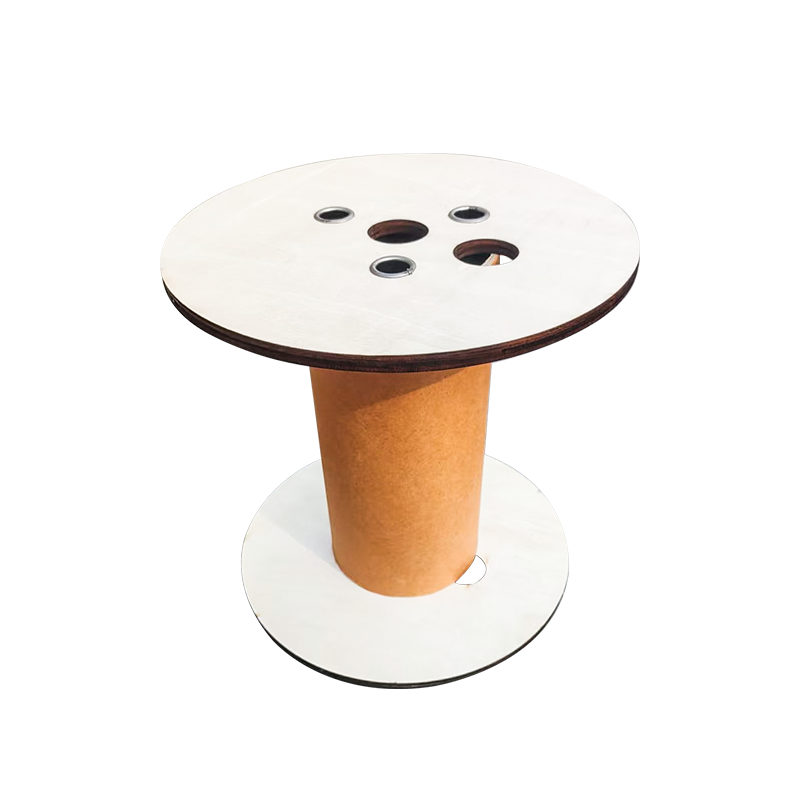
Solid wood cable reels carry higher structural mass than plywood alternatives, which translates to greater rigidity under compression during ocean freight stacking. Plywood reels have their own advantages — they're exempt from ISPM 15, which simplifies export paperwork — but their layered construction can delaminate in high-humidity environments if the veneer adhesive isn't rated for exterior exposure. You can explore the difference in depth on the plywood cable reel product range, which covers panel grades and core types suited to different environments.
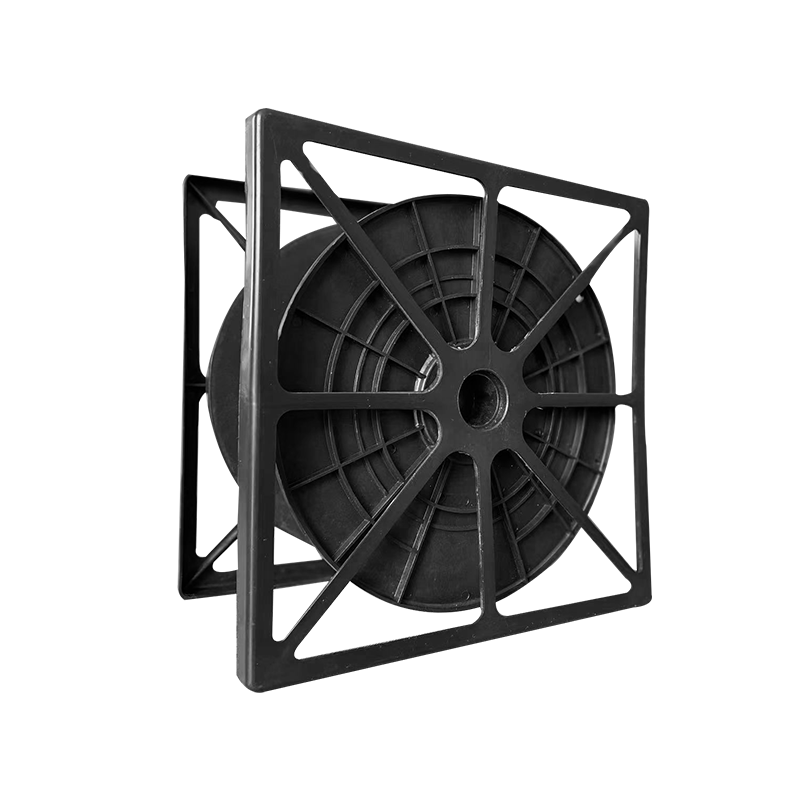
Plastic drums offer full moisture immunity and are also ISPM 15 exempt, but they're significantly more expensive at large diameters and aren't suited to applications where on-site cutting or custom marking is required.
The decision usually comes down to destination regulations, cable weight, and reuse requirements. For exporters shipping regularly to the EU, US, or Australia — where ISPM 15 enforcement is strict — a pre-compliant fumigated solid wood reel eliminates one of the most common causes of border delays.
A fumigated solid wood cable reel is not just a spool of wood. For international cable supply chains, it's a compliance document, a load-bearing structure, and a brand vehicle — all in one unit. Specifying it correctly the first time is the lowest-cost decision you'll make in the process.
Related Products

Contact us
Address
No. 19, Hualong Industrial Park, Linglong Street, Lin'an District, Hangzhou City, Zhejiang Province, China
Phone
+86-13357115977
QR CODE
 Cable Reel Manufacturers, Cable Packaging Reel Factory

 English
 中文简体
中文简体