Oct 24, 2025
Content
When it comes to storing and transporting cables, the choice of reel is crucial. Plywood cable reel is widely used in various industries, from electrical installation to telecommunications. However, when dealing with heavy-duty cables, questions arise about the suitability, durability, and safety of plywood reels.
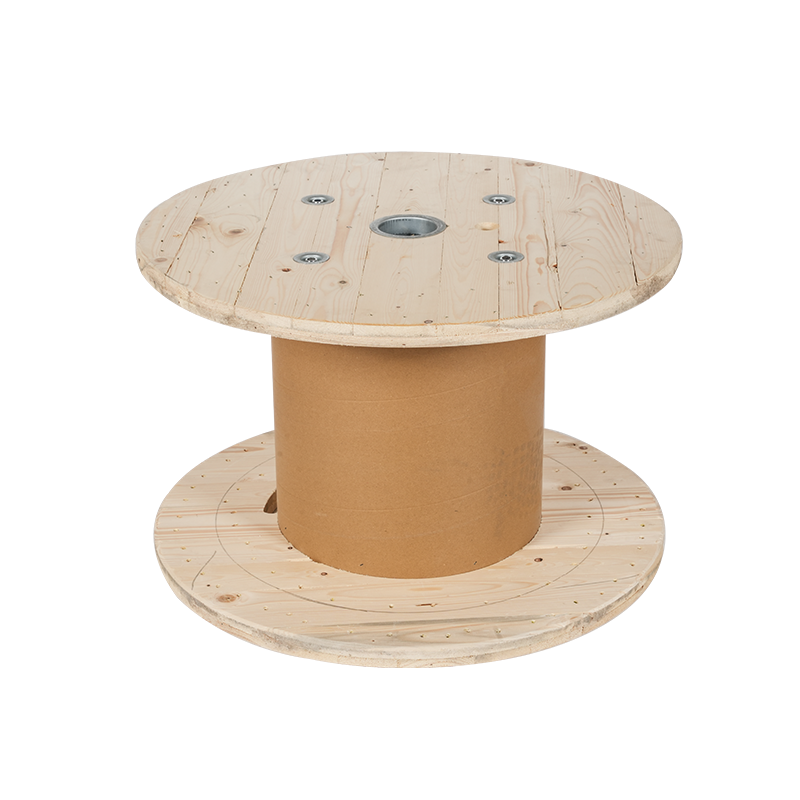
A plywood cable reel is a spool-like structure made primarily from plywood. It consists of two circular end flanges connected by a cylindrical core, around which cables are wound. These reels are widely favored for their cost-effectiveness, lightweight nature, and environmental friendliness compared to metal or plastic reels.
Plywood cable reels vary in size and thickness, and manufacturers can produce them to handle specific cable weights and diameters. Standard features include:
Understanding these basic attributes is crucial when evaluating their suitability for heavy-duty cables.
Heavy-duty cables are typically used in industrial, commercial, and high-power applications. They are distinguished by:
These characteristics place additional stress on the reels used to store and transport them. Therefore, the reel’s structural integrity is a key factor.
The answer is: it depends. Plywood cable reels can be used for heavy-duty cables, but there are certain considerations to ensure safety and longevity.
The strength of a plywood reel depends on the thickness of the plywood, the quality of the wood, and the design of the reel. Standard plywood reels can handle medium-weight cables comfortably, but heavy-duty cables require reinforced reels. Manufacturers often:
Without these reinforcements, a plywood reel may warp, crack, or collapse under the weight of heavy-duty cables.
Heavy-duty cables often require larger reel diameters and widths to avoid tight bending, which can damage the cable over time. Plywood reels can be manufactured in custom sizes to meet these requirements. Using a reel that is too small can put excessive stress on both the reel and the cable.
Plywood reels are lighter than steel or plastic reels, which is an advantage for manual handling. However, heavy-duty cables add significant weight, which can make the reels harder to move safely. Using forklifts, pallet jacks, or specialized reel movers is recommended to prevent accidents or reel damage.
Plywood is susceptible to moisture, temperature changes, and prolonged outdoor exposure. Heavy-duty cables are often used in construction sites, outdoor installations, and harsh industrial environments. To prevent the reel from weakening, manufacturers may:
Failure to consider environmental factors can compromise the structural integrity of the reel when loaded with heavy cables.
One key advantage of plywood cable reels is their reusability, but this depends on the stress they undergo. Heavy-duty cables accelerate wear and tear on the reels. Frequent loading, moving, and rewinding may reduce the reel’s lifespan compared to lighter cables. Inspections and occasional reinforcement are necessary for long-term use.

Despite the challenges, plywood cable reels offer several advantages even when used for heavy-duty applications:
These benefits make plywood reels a popular choice for projects where budget, transport, and customization matter.
While plywood reels can support heavy-duty cables under the right conditions, there are limitations and risks:
Understanding these risks ensures that users take preventive measures to maintain safety and efficiency.
To maximize safety and performance, follow these guidelines:
By following these practices, plywood cable reels can effectively serve heavy-duty applications without compromising cable integrity or worker safety.
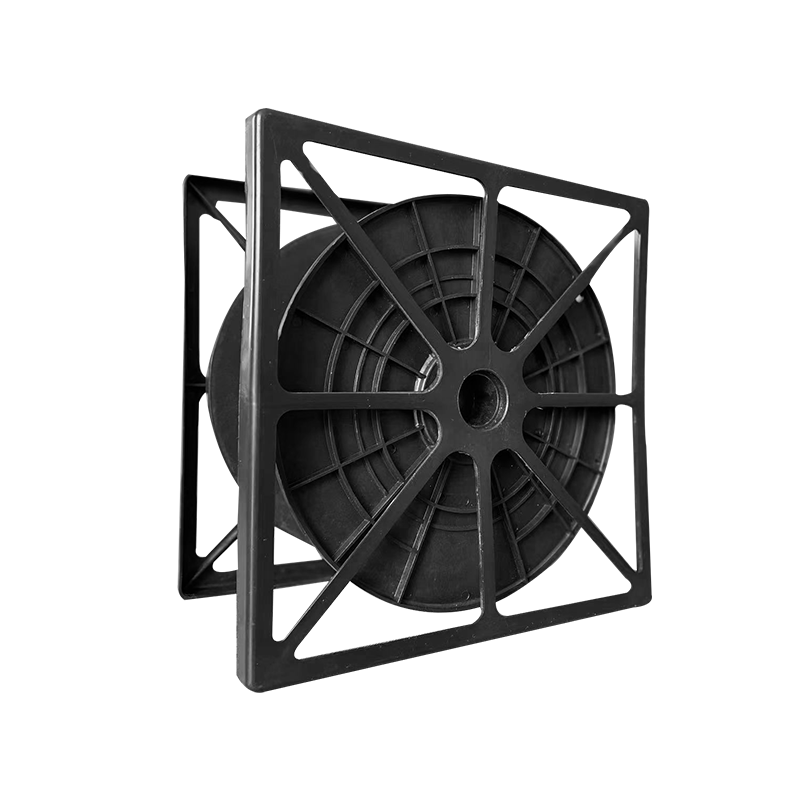
If the application involves extremely heavy cables or harsh environmental conditions, other reel options may be considered:
Choosing the right type depends on the project’s cable weight, environmental conditions, and handling requirements.
Can plywood cable reels be used for heavy-duty cables? The answer is yes, but with important considerations. When reinforced, properly sized, and correctly handled, plywood reels can store and transport heavy-duty cables effectively. They offer cost savings, flexibility, and environmental benefits compared to steel or plastic alternatives.
However, for extremely heavy or long-term storage, or in wet and harsh environments, alternative reel types may provide better durability and safety. By following best practices, inspecting reels regularly, and matching reel specifications to cable requirements, plywood cable reels remain a viable and practical solution for many heavy-duty cable applications.
Related Products

Contact us
Address
No. 19, Hualong Industrial Park, Linglong Street, Lin'an District, Hangzhou City, Zhejiang Province, China
Phone
+86-13357115977
QR CODE
 Cable Reel Manufacturers, Cable Packaging Reel Factory

 English
 中文简体
中文简体