Oct 17, 2025
Content
In modern warehouses, storage efficiency and material handling are crucial to smooth operations. Choosing the right type of tray for storing and transporting goods can make a significant difference in durability, cost, and usability. Warehouse trays are typically made of wood, plastic, or metal, each offering unique advantages and limitations. This article explores how warehouse wooden trays differ from plastic and metal trays, highlighting considerations for warehouse managers and staff in selecting the best option for their storage needs.
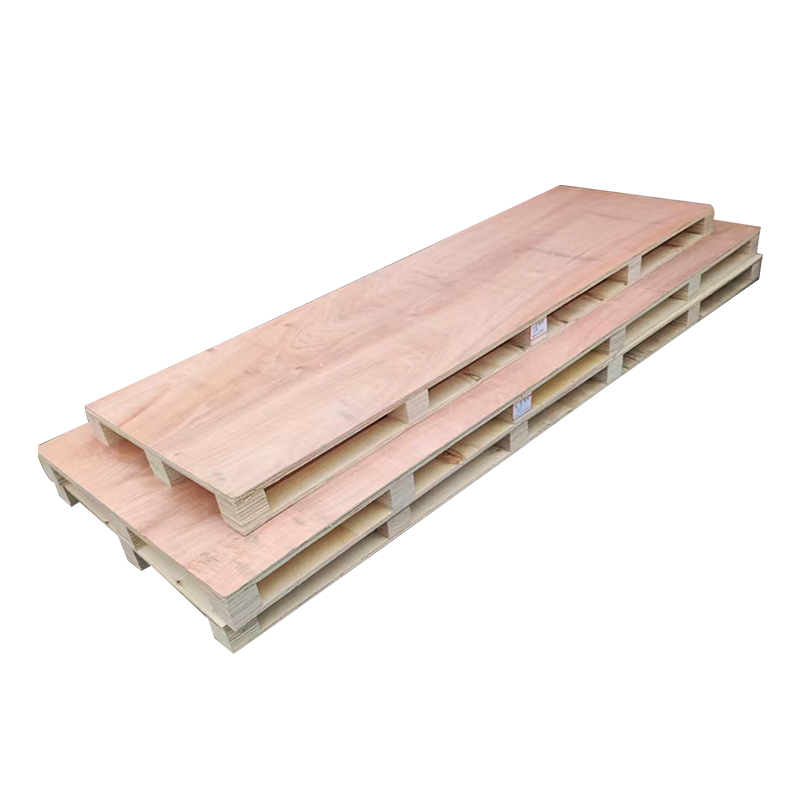
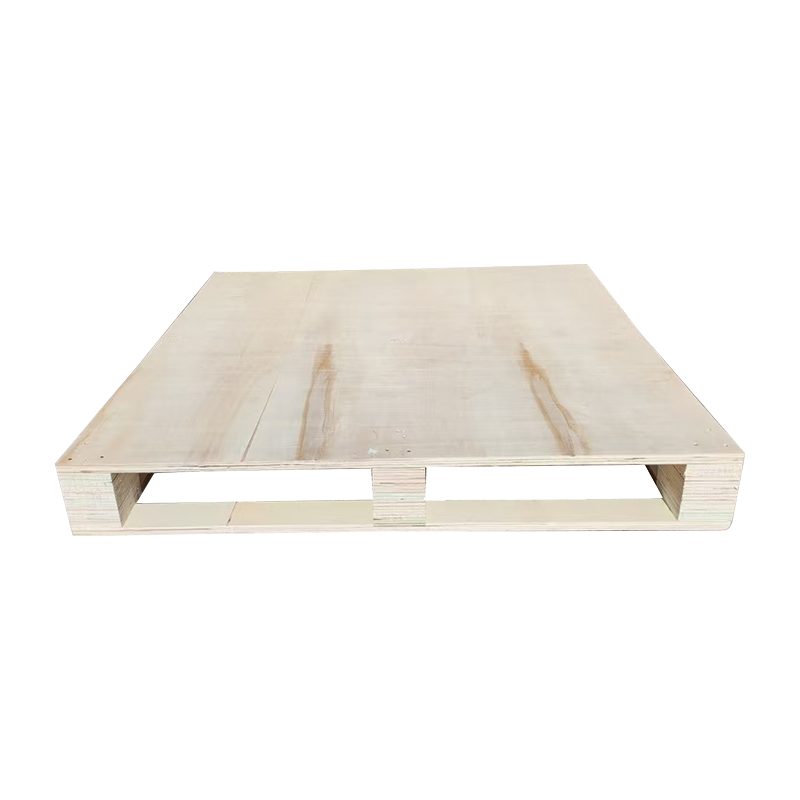
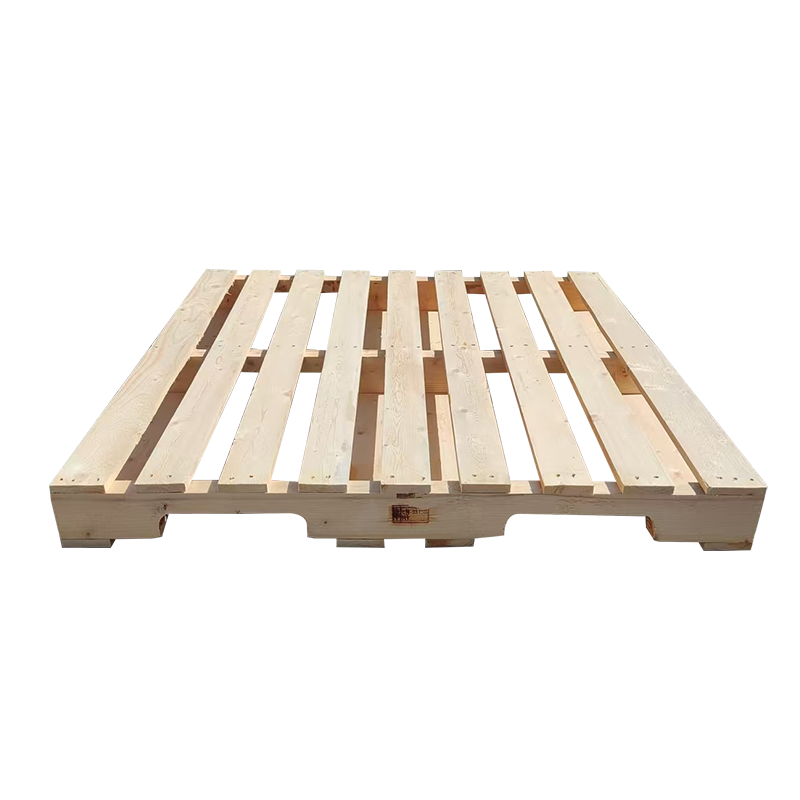
Warehouse wooden trays are usually made from solid wood, plywood, or engineered wood products. Common types include pine, oak, and birch, chosen for strength and affordability. Wood is a renewable and biodegradable material, making wooden trays environmentally friendly. At the end of their lifecycle, wooden trays can be recycled, repurposed, or disposed of with minimal environmental impact.
Plastic trays are made from materials like polyethylene (PE), polypropylene (PP), or polycarbonate. These trays are lightweight, moisture-resistant, and easy to clean, but they are derived from non-renewable petroleum resources. While some plastic trays can be recycled, many end up in landfills, contributing to environmental concerns.
Metal trays are generally made from stainless steel or aluminum. These trays are extremely durable and resistant to impact, but they are heavier and more energy-intensive to produce. Recycling metal trays is easier than plastic, but the initial environmental footprint is higher compared to wood.
Key Difference: Wooden trays offer a more sustainable and eco-friendly option compared to plastic and metal, while plastic provides water resistance, and metal provides long-term durability.
Wooden trays tend to be heavier than plastic trays but lighter than solid metal trays, depending on the wood type and tray design. They are sturdy enough to handle medium to heavy loads, making them suitable for bulk storage. Wooden trays often have handles or cutouts for easier manual handling.
Plastic trays are lightweight, which reduces manual lifting strain and makes them ideal for high-volume handling. However, very thin plastic trays may warp or crack under heavy loads.
Metal trays are heavier and harder to lift, which can pose ergonomic challenges in a warehouse setting. They are best suited for mechanical handling, such as forklifts or conveyor systems, rather than manual lifting.
Key Difference: Wooden trays strike a balance between weight and strength, offering moderate durability without being excessively heavy like metal trays.
Wooden trays are strong and can bear considerable weight, especially when reinforced or made from hardwood. However, they are susceptible to moisture damage, cracking, and splintering over time, which can compromise structural integrity.
Plastic trays generally have lower load-bearing capacity than wood or metal. They can bend under heavy weight and may break if overloaded. However, plastic is resistant to chemical spills and moisture, making it useful for liquids or food storage.
Metal trays have the highest load-bearing capacity among the three materials. They are resistant to impacts and do not deform easily, making them ideal for heavy machinery parts or industrial components.
Key Difference: Wooden trays offer strong, reliable support for moderate loads, while metal trays excel in heavy-duty applications, and plastic trays are better for lighter, moisture-sensitive items.
Wood is porous, meaning it can absorb moisture and may warp, crack, or grow mold if not treated. Wooden trays can also be damaged by certain chemicals. However, with coatings, varnishes, or heat treatments, wood can become more resistant to moisture and pests.
Plastic trays are non-porous, making them resistant to water, mold, and most chemicals. They are ideal for environments where hygiene is critical, such as food storage or pharmaceutical warehouses.
Metal trays are generally resistant to moisture and chemicals, especially stainless steel. However, some metals can corrode or rust if exposed to water without proper treatment.
Key Difference: Plastic trays excel in moisture and chemical resistance, wooden trays require treatment to resist environmental factors, and metal trays are naturally durable but heavier.
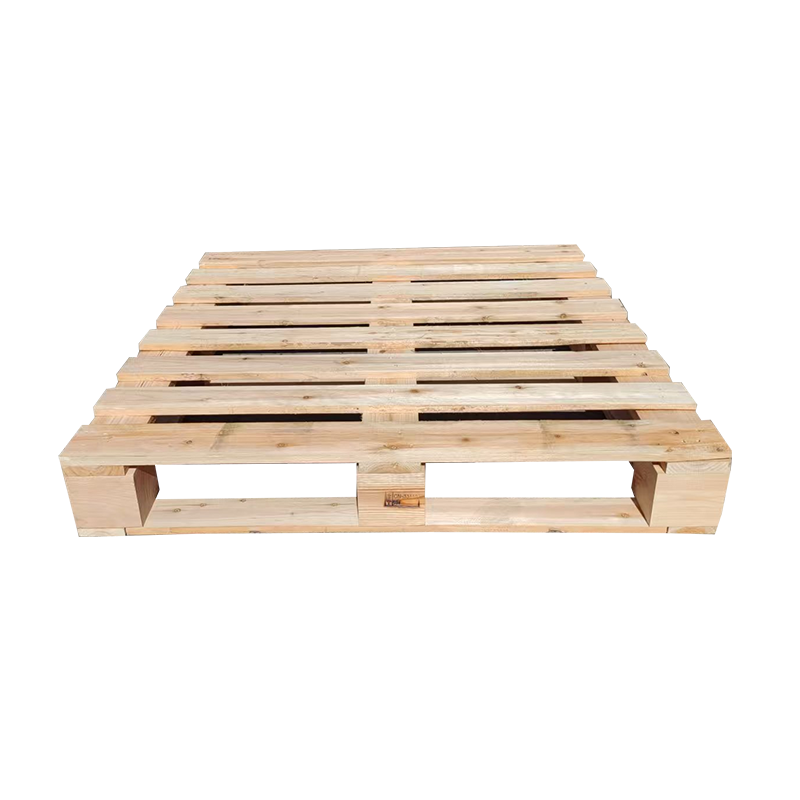
Wooden trays are typically affordable, especially when using softwoods like pine. They offer good value for moderate durability and can often be repaired if damaged, extending their lifespan. However, high-quality hardwood trays can be more expensive.
Plastic trays can vary in price, with mass-produced trays being cost-effective. However, high-quality, durable plastic trays designed for industrial use may be more expensive. Over time, frequent replacement due to cracking can increase overall costs.
Metal trays are the most expensive option upfront due to material costs and manufacturing processes. However, their long lifespan can justify the initial investment, especially for heavy-duty or industrial applications.
Key Difference: Wooden trays are cost-effective and repairable, plastic trays are affordable but may wear faster, and metal trays have high upfront costs but excellent long-term durability.
Wooden trays require regular inspection and cleaning, particularly if used for food or moisture-sensitive items. They can absorb spills, which may require sanding or coating. Treated wood is easier to maintain and less prone to contamination.
Plastic trays are easy to clean and sanitize, often suitable for wash-downs with water or mild detergents. Their non-porous surface prevents contamination, making them ideal for industries like food, pharmaceuticals, and chemicals.
Metal trays are durable and easy to clean, especially stainless steel versions. They can withstand high-temperature cleaning and disinfecting processes. However, untreated metals can rust if exposed to moisture over time.
Key Difference: Wooden trays require more maintenance than plastic or metal, which are easier to clean and sanitize.
Wood is highly versatile, allowing customization in size, shape, and compartment design. Wooden trays can also be easily labeled or modified with dividers to suit specific inventory needs.
Plastic trays can be injection-molded into precise shapes and often come in standardized sizes. Some plastic trays have modular designs but may have limited customization options compared to wood.
Metal trays are less flexible for custom shapes, as cutting or bending metal requires specialized equipment. They are generally produced in standard sizes suitable for industrial applications.
Key Difference: Wooden trays offer the greatest flexibility for customization, while plastic and metal are more standardized.
Wooden trays can splinter or crack, posing minor safety risks. They may also harbor bacteria if not properly cleaned. Proper treatment and maintenance reduce these risks.
Plastic trays are less likely to cause injuries and are safe for most environments. However, cracked plastic can create sharp edges over time.
Metal trays are resistant to splintering, but sharp edges on damaged trays can cause injuries. They are also heavier, which increases the risk of injury if dropped.
Key Difference: Wooden trays require careful handling, plastic trays are generally the safest, and metal trays need proper handling due to weight.
Choosing the right warehouse tray depends on a combination of load requirements, environmental conditions, cost considerations, and maintenance preferences.
By understanding the strengths and limitations of each material, warehouse managers can make informed decisions, improving storage efficiency, worker safety, and long-term operational cost management.
Related Products

Contact us
Address
No. 19, Hualong Industrial Park, Linglong Street, Lin'an District, Hangzhou City, Zhejiang Province, China
Phone
+86-13357115977
QR CODE
 Cable Reel Manufacturers, Cable Packaging Reel Factory

 English
 中文简体
中文简体