Nov 19, 2026
Content
An EV charger cable retractor is a spring-loaded or motorized cable management assembly that carries a charging cable above the ground and retracts it after use. It does not deliver power. It controls cable weight, reach, and parked position so the driver handles only the connector, not the full cable load.
A retractor takes the cable load away from the driver and keeps the cable out of standing water, tire paths, and snow piles. That sounds simple, but the daily benefit is practical: less cable drag, less connector damage, and a cleaner charging bay.
Spring retractors use a tension spring with a ratchet, brake, or friction clutch. The driver pulls the cable out, plugs in, and the unit holds position until the cable is guided back. Motorized units use a drive system and are often chosen for heavy DC cables or high-use public hubs where staff want consistent return speed and lower physical effort.
Sizing starts with measured cable weight and outside diameter, then adds connector weight, required travel, and mounting height. A unit selected only by cable length will often feel wrong in service.
| Selection factor | Why it matters | Practical check |
| Cable weight | The spring or motor must carry the cable without creeping or snapping back. | Weigh the cable with the connector attached, not just the bare cable. |
| Cable diameter | A tight guide can crush insulation or make retraction stiff. | Compare the cable outside diameter with the guide and drum radius. |
| Travel length | Too little travel forces drivers to stretch the cable or park badly. | Measure from the parked connector to the farthest realistic charge port. |
| Connector mass | DC connectors are heavier and can pull the cable out of the holster. | Test with the actual connector, cable stiffener, and holster. |
| Mounting height | Low mounting leaves cable on the ground; high mounting causes swing. | Set the parked connector between accessible chest and shoulder height. |
| Environment | Rain, dust, salt, and washdown shorten the life of unprotected hardware. | Specify sealed bearings, UV-rated guides, and stainless fasteners where needed. |
Spring units are simpler and usually lower cost, while motorized units handle heavy DC cables and high-use public sites with less physical effort. The right choice depends on cable weight, cycle count, and who will maintain the equipment.
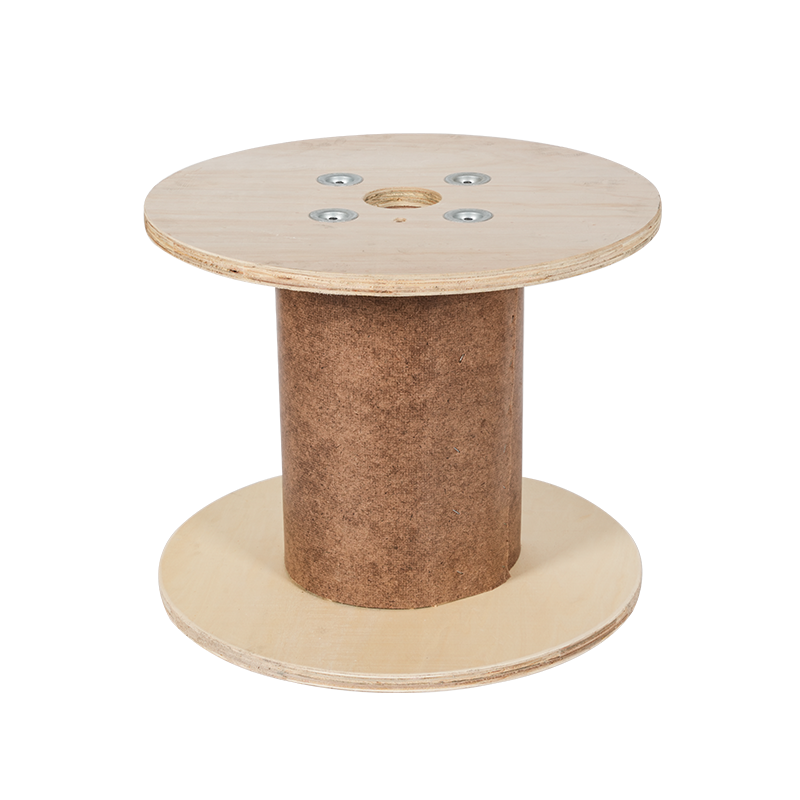
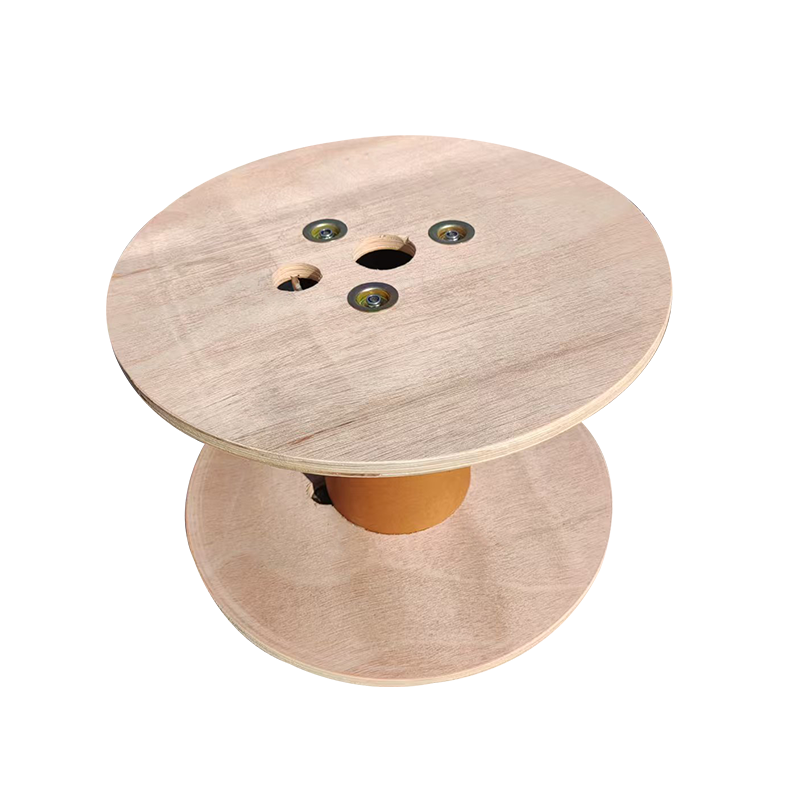
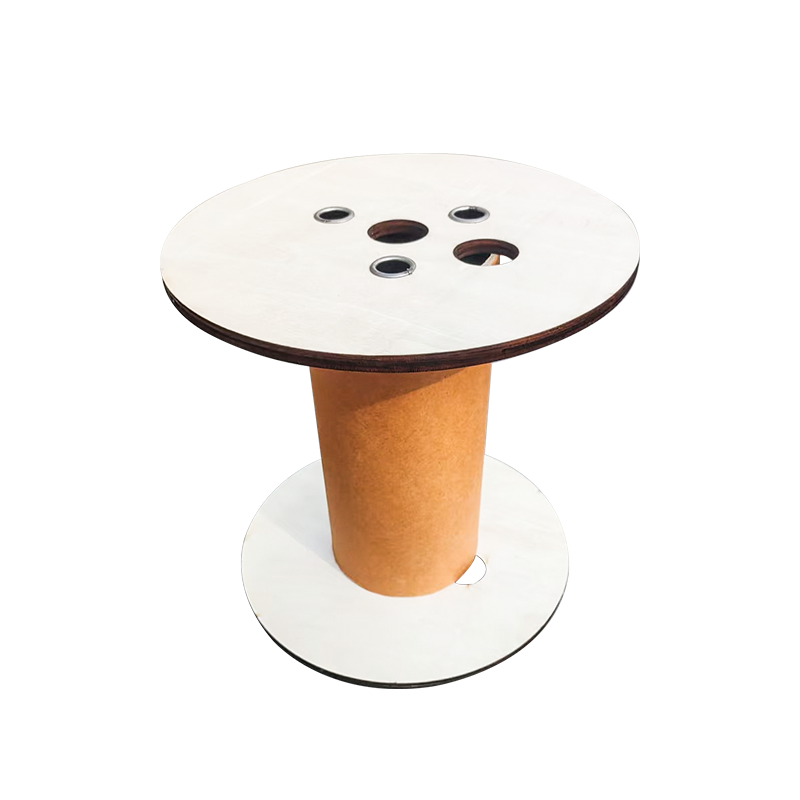
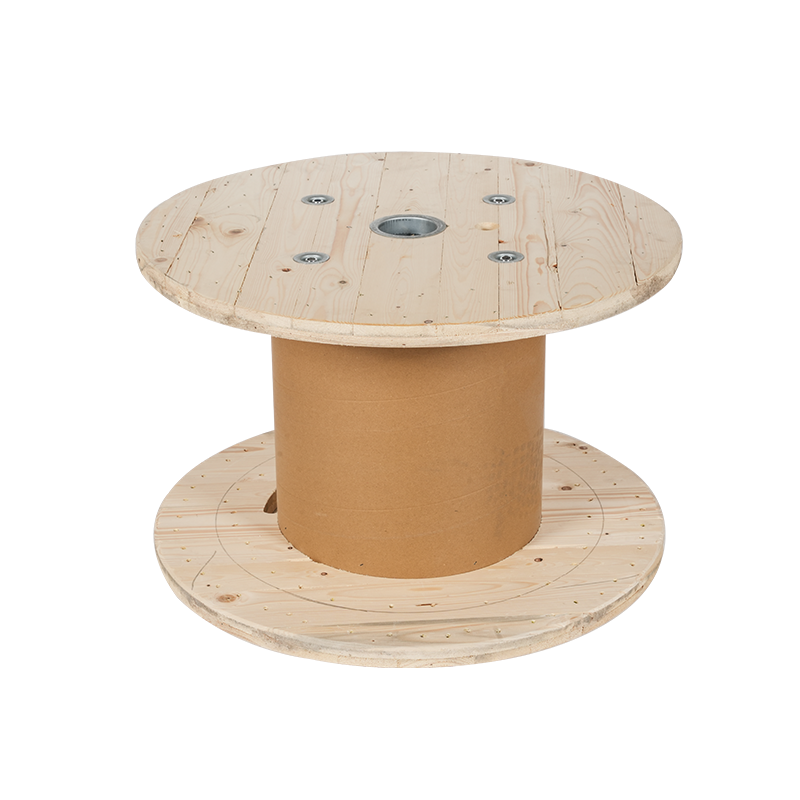
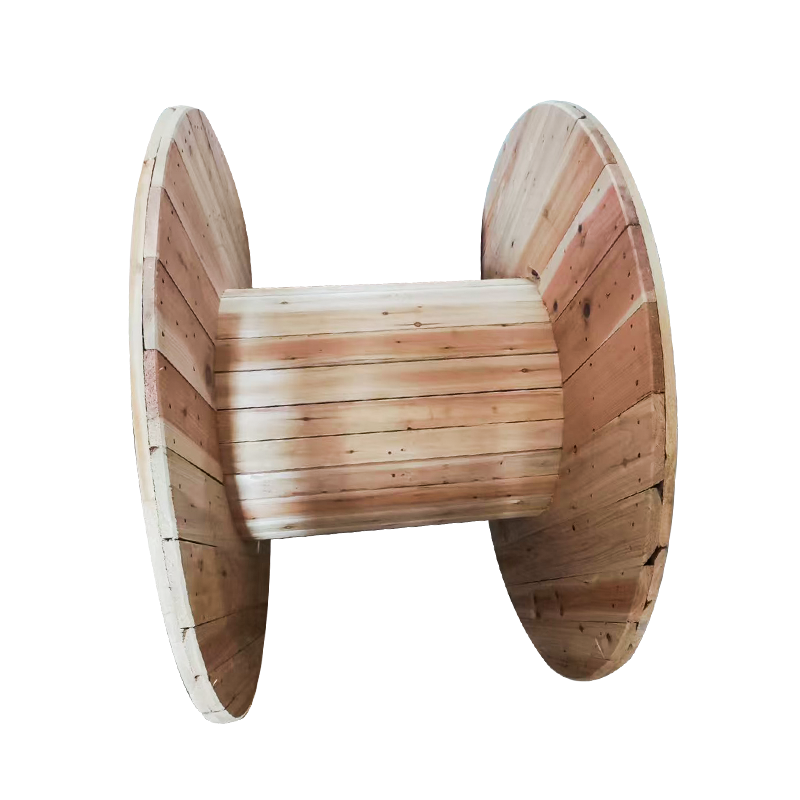
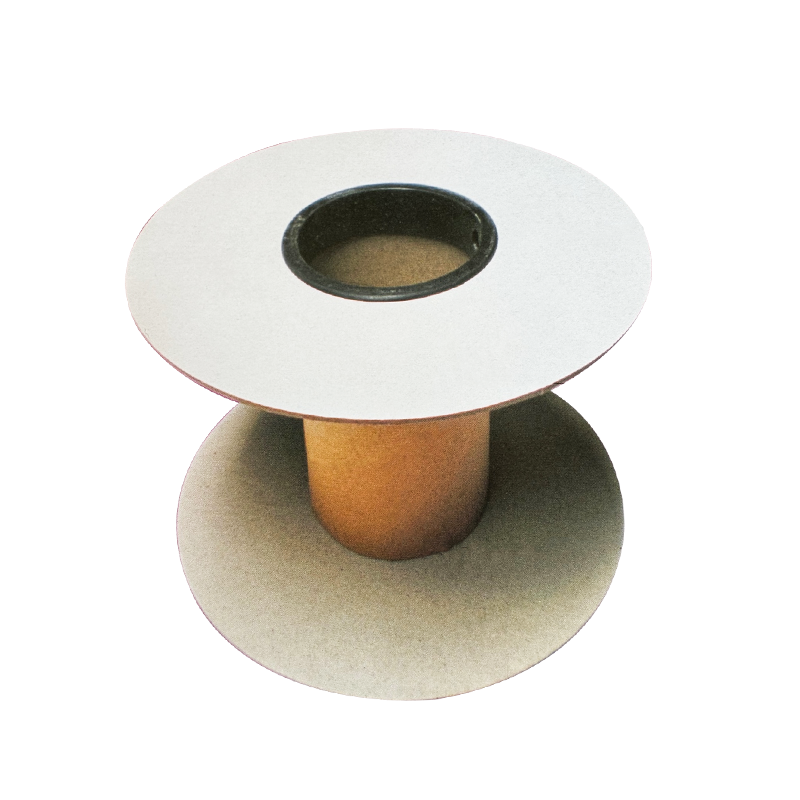
A retractor manages one live charging cable, while a cable reel or cable drum stores bulk cable, spare lengths, or cable removed from service. They are related cable handling products, but they are not interchangeable.
Use a retractor at the charging point. Use a cable reel or drum when cable must be wound, transported, protected in storage, or kept ready for a project. A charging site may need both: retractors at the bays and proper reels in the maintenance store.
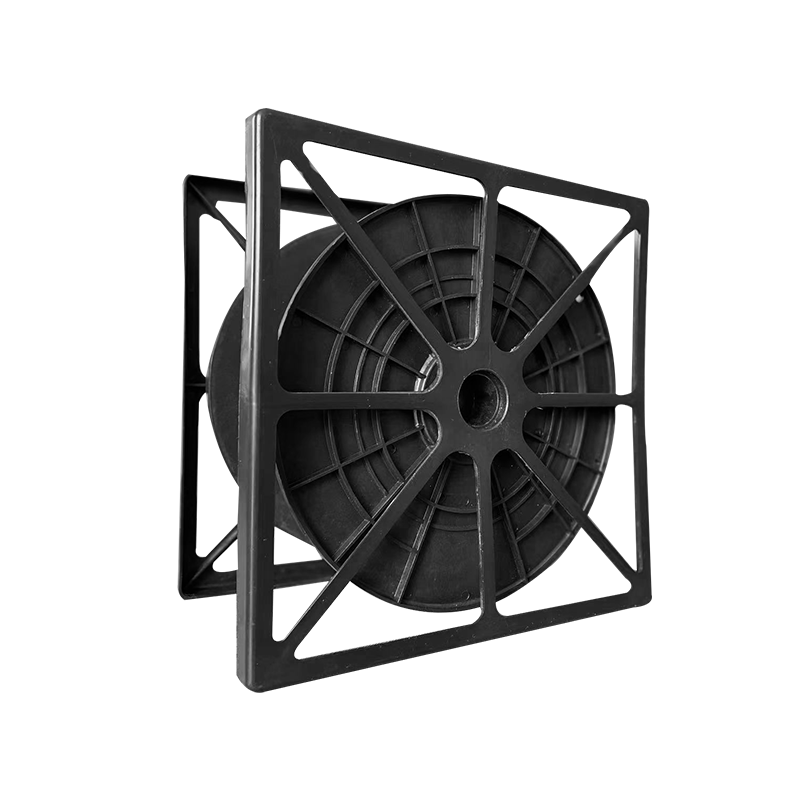
For projects that also keep spare charging cable or bulk cable on site, a moistureproof plastic cable reel is a practical storage choice because it resists damp conditions and keeps coils off the floor.
 Moisture-Proof Plastic Cable Reel for Cable StorageA lightweight, corrosion-resistant plastic reel for storing, turning over, and transporting wires and cables, helping keep coils off damp floors.View Product →
If you need broader guidance on selecting reels for organized cable handling, read our cable management and storage guide.
Mount the retractor so the parked connector stays accessible and the cable clears the ground at its lowest point, then commission the unit with the actual cable and connector fitted. The final check is not the drawing. It is how the cable behaves after repeated pulls.
Use the working load stated for the complete cable and connector assembly. A unit rated for a light 5 kg cable may not control a stiff 8 kg DC cable, even if the cable length looks similar.
Usually yes, if the post, canopy, or wall has enough structural strength and the cable path is clear. Check anchor capacity, cable guide clearance, and service access before ordering hardware.
Yes, provided the holster, strain relief, and cable guide match the connector shape and weight. Test the actual plug because latch position and connector mass vary significantly.
Inspect monthly at low-use private sites and weekly at public high-use sites. Check cable jacket condition, return speed, swivel movement, fasteners, and holster fit after any impact or severe weather.
Related Products

Contact us
Address
No. 19, Hualong Industrial Park, Linglong Street, Lin'an District, Hangzhou City, Zhejiang Province, China
Phone
+86-13357115977
QR CODE
 Cable Reel Manufacturers, Cable Packaging Reel Factory

 English
 中文简体