Nov 13, 2026
Content
Most enquiries we handle in the factory start the same way. Someone has 800 metres of four-core armoured cable to send to a site, the drum it arrived on was crushed by a forklift, and the replacement has to be on a truck by Friday. Or a cable maker needs 500 small plywood reels a month for a new line and wants to know whether the same reel can be reused for returnable packaging.
Both are empty reel purchases, and both are settled by four numbers: drum diameter, barrel diameter, traverse and rated load. Get those right and material choice, treatment and freight mostly sort themselves out.
An empty electric cable reel is any drum, spool or reel delivered without cable on it, built to carry a stated length and weight of conductor once the buyer winds the cable on under tension.
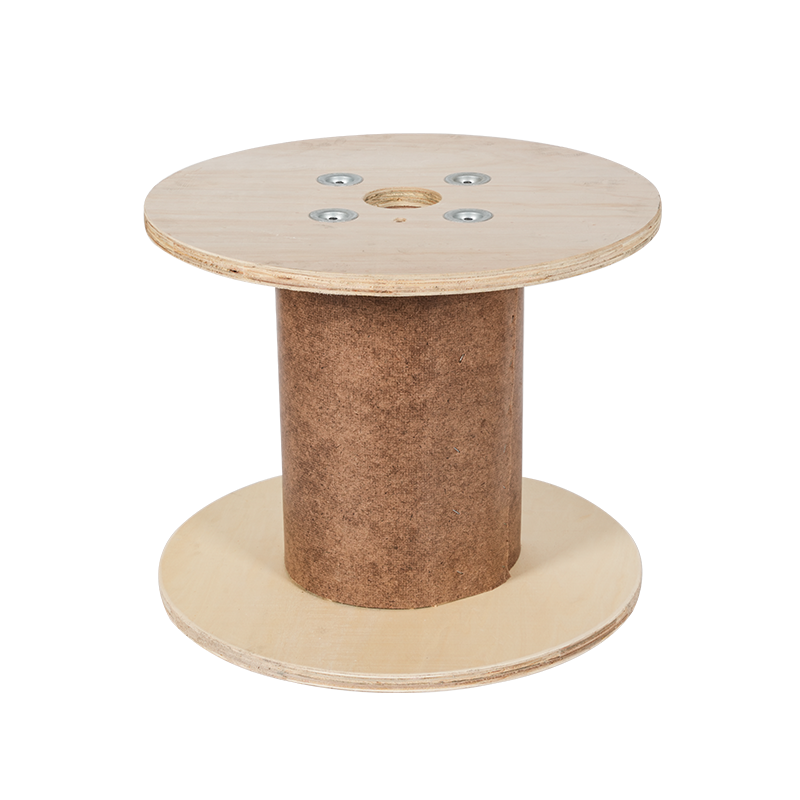
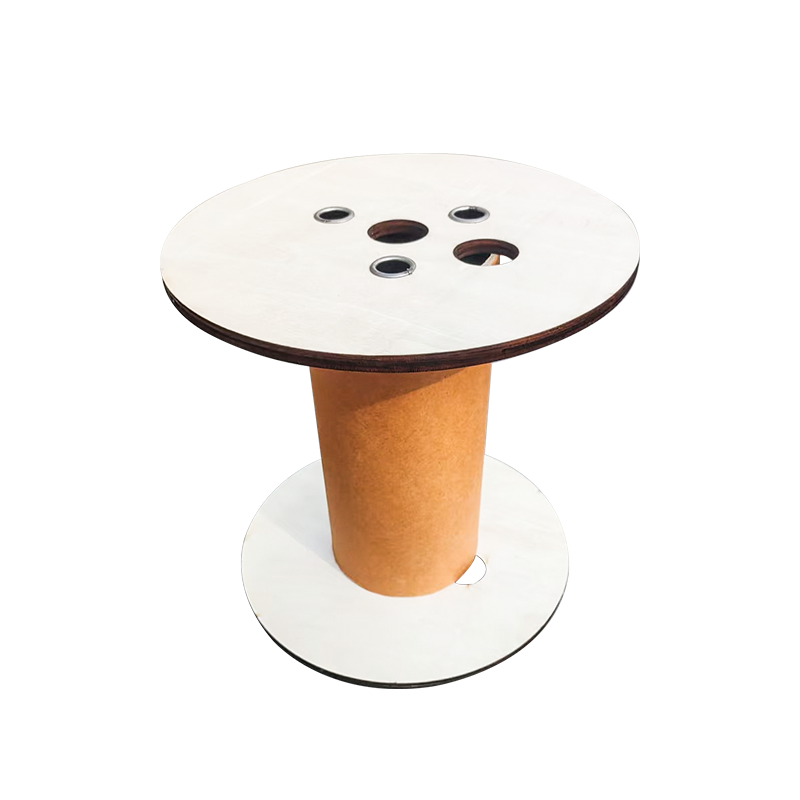
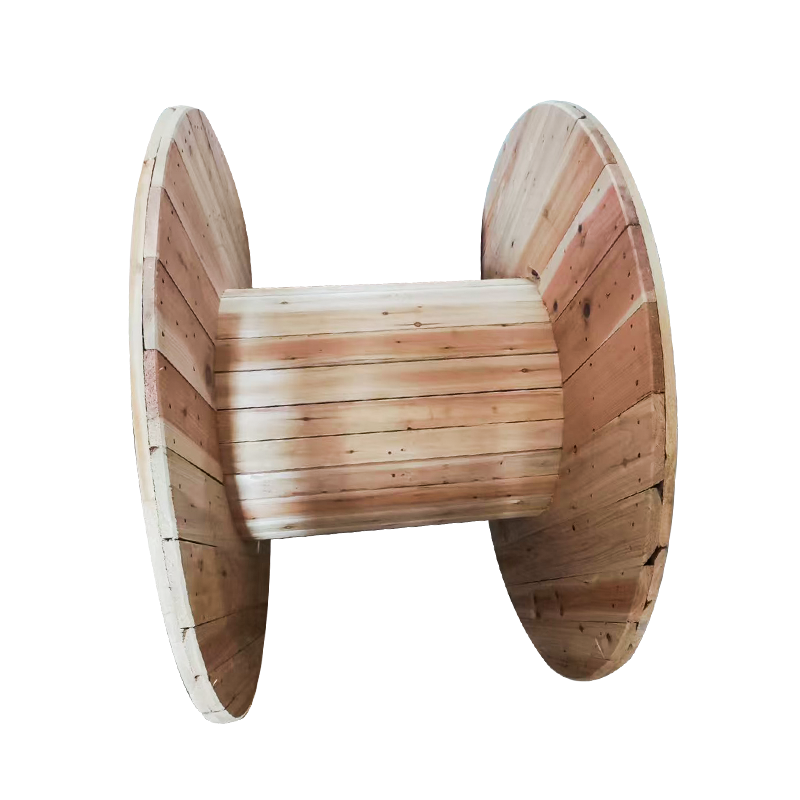
The parts that decide whether a reel suits your job are the same on a 200 mm plywood spool and a 2.5 m returnable drum:
Most empty reels are bought to be filled: cable makers buy them for their own output, contractors buy them to rewind cable that arrived damaged, and rental fleets buy them to hold stock cable between jobs.
Lowest cost per unit. Usually solid wood or plywood, treated once and shipped loaded, then broken down or resold at destination. Best for single shipments where return freight is not worth paying.
Higher unit cost, built for repeated lifts and handling. Heavy plywood or plastic construction, tracked between trips and inspected on each return. Pays back after roughly six to ten cycles.
Material is the second decision, after size, and it settles three things at once: how much the empty reel can carry, how it behaves in humid storage, and whether it needs export treatment.
| Material | Typical rated load | Moisture behaviour | Export treatment | Where it fits |
| Plywood | 500 to 2,000 kg | Glued plies resist humidity and keep shape | Treated wood rules usually not applied | Export drums, power cable, repeated rewind |
| Fumigated solid wood | 1,000 to 5,000 kg | Moves with humidity, needs dry storage | Heat treatment or fumigation plus IPPC mark | Heavy armoured cable, steel wire, heavy export |
| Paper | 50 to 300 kg | Softens quickly if damp, indoor use only | None required | Small distribution cable, indoor production |
| Plastic | 100 to 800 kg | Waterproof, UV life depends on grade | None required | Wet sites, washdown areas, chemical plants |
Plywood sits in the middle of that table for a reason. Cross-laminated plies hold their shape better than solid timber in a humid container, and because the wood has been processed, plywood reels sit outside the solid wood treatment rules in most markets. If you want to see how flanges are pressed and barrels are assembled before committing to a container load, a factory visit answers more than a spec sheet.
The barrel diameter sets the minimum bend radius, and the flange diameter plus traverse sets the volume, so both must be matched to the cable before a single reel is ordered.
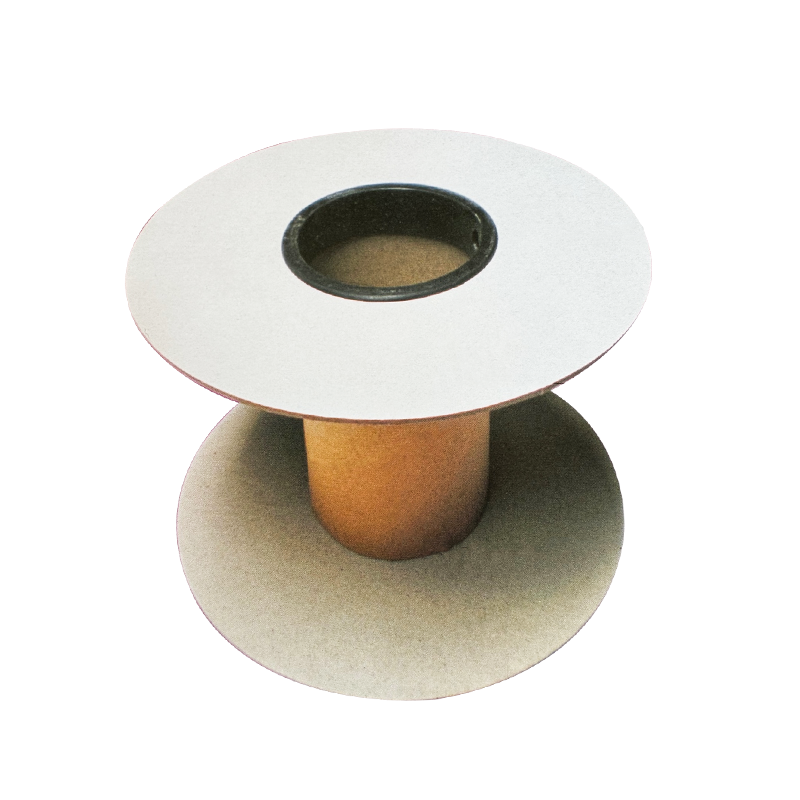
Shorter distribution lengths rarely justify a heavy drum. Indoors, a lightweight paper reel keeps handling manageable and recycles with the packaging stream, while large power cable belongs on plywood or solid wood. Our plywood cable reel sizing guide covers the flange and traverse combinations that most often go wrong.
 Lightweight Paper Cable Reel for Indoor Cable HandlingLightweight, recyclable paper reel suited to shorter indoor cable runs and manageable handling, with printable surfaces and customizable options.View Product →
Solid wood reels need treatment and a legible IPPC mark before they cross a border, while plywood, paper and plastic reels are generally exempt because the wood has already been processed.
Heat treatment is the common route. The treated reel is then stamped with the IPPC mark, country code and producer number. Methyl bromide fumigation still appears in some markets but is being phased out, and certain destinations now refuse it outright, so confirm the accepted method before booking freight.
Inspect flanges, barrel, bore and treatment marks on arrival, then store each empty reel upright on one flange, clear of wet ground and standing water.
For sites that wash down equipment or keep cable outdoors, a moistureproof plastic drum removes the problem at the source and survives repeated handling without swelling.
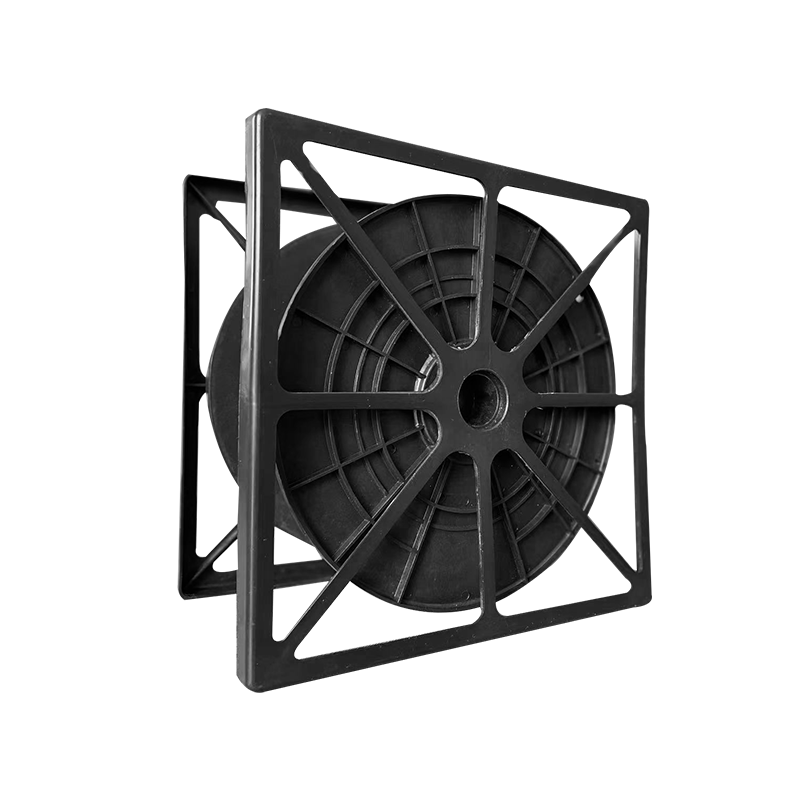 Moisture-Proof Plastic Cable Reel for Outdoor StorageLightweight, corrosion-resistant plastic reel for damp or washdown environments, helping protect cable storage and repeated handling without swelling.View Product →
It depends on three numbers: flange inside diameter, barrel diameter and traverse. A 1000 mm flange with a 500 mm barrel and 800 mm traverse holds roughly 1,100 metres of 20 mm cable at a 0.75 packing factor, and far less of a stiff 40 mm conductor. Always calculate against the measured cable diameter rather than the nominal size.
In most markets, no. Plywood is processed wood and falls outside the solid wood treatment requirement, so a plywood reel ships without a treatment stamp. Solid wood reels do need heat treatment or fumigation plus a legible IPPC mark.
Yes, provided the flanges are sound, the barrel is not crushed and the treatment mark remains intact. Returnable plywood and plastic reels commonly complete five to ten trips, while one-way solid wood reels are usually broken down or resold after a single loaded shipment.
From small spools around 200 mm flange diameter up to drums above 2,500 mm, with rated loads from a few kilograms to several tonnes. Bore, traverse and drive hole are normally built to the customer's winding equipment rather than picked from a catalogue.
Related Products

Contact us
Address
No. 19, Hualong Industrial Park, Linglong Street, Lin'an District, Hangzhou City, Zhejiang Province, China
Phone
+86-13357115977
QR CODE
 Cable Reel Manufacturers, Cable Packaging Reel Factory

 English
 中文简体