Jun 12, 2026
Content
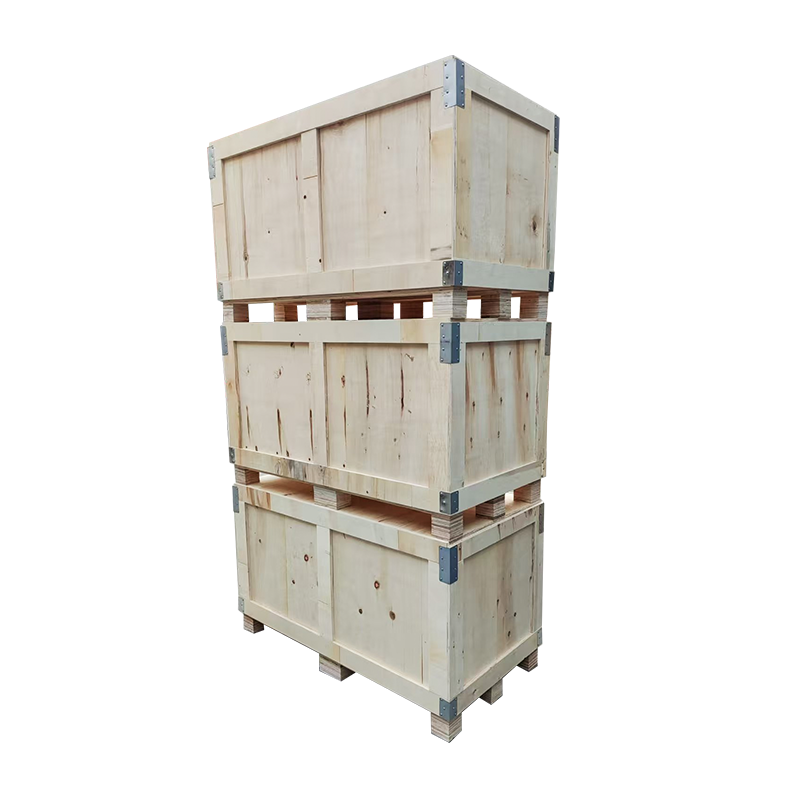
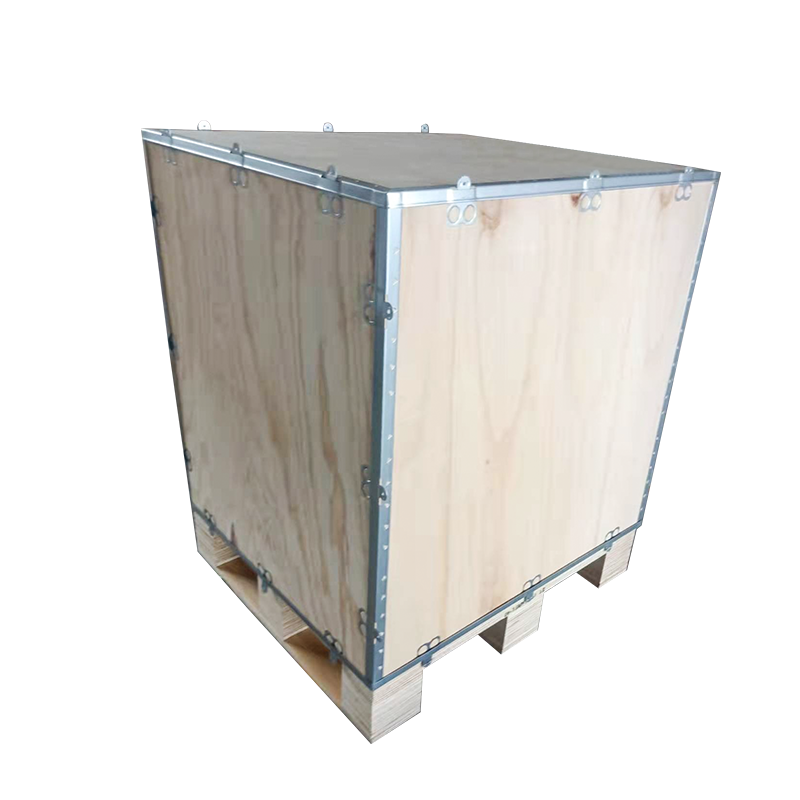
When a generator, transformer, or industrial cable reel has to cross an ocean, the packaging often determines whether it arrives ready to use or damaged beyond repair. A Steel-Strapped Wooden Crate solves this by combining a solid timber frame with steel banding around the edges and corners. The wood absorbs shock and vibration, while the steel straps lock the panels together and prevent racking under stacking pressure. For cargo weighing several hundred kilograms to multiple tons, this hybrid design outperforms standard plywood boxes or cardboard packaging on every key metric: load capacity, impact resistance, and stack stability during multi-leg transport.
The core benefit of a steel-strapped wooden crate is its rigidity. Steel bands wrapped around the crate's perimeter act like a cage, distributing external pressure evenly across the structure instead of concentrating it on weak joints or nail points. This matters most in three scenarios:
Crates built with compression-style steel strapping, like the designs used by Hangzhou Lin'an Yimin Cable Reel Factory, are engineered specifically to handle these stresses without adding excessive weight — keeping freight costs manageable while protecting the cargo inside.
Any wooden packaging crossing international borders must meet ISPM 15 standards, which require the wood to be heat-treated or fumigated to eliminate pests. Customs authorities in major ports routinely inspect crates for the IPPC stamp, and non-compliant shipments can be held, fumigated on arrival at the importer's cost, or rejected outright. Before placing an order, buyers should confirm two things with their supplier:
A reliable manufacturer should be able to provide this documentation as a standard part of the order, not as an add-on negotiated after the fact.
One often-overlooked advantage of the steel strapping design is disassembly and reuse. Unlike nailed or glued crates that typically get discarded after one trip, steel-strapped panels can be unbolted, flat-packed, and shipped back or reused for the next outbound load. For companies that run regular export routes — say, shipping cable reels or machinery components on a monthly basis — this cuts packaging spend significantly over a year.
When comparing quotes, buyers should weigh price per crate against expected reuse cycles, not just the upfront cost. A crate priced 15-20% higher but rated for 5+ round trips is almost always cheaper per shipment than a single-use alternative.
Look for a manufacturer that offers custom sizing rather than fixed dimensions only — heavy machinery and large cable reels rarely fit standard box sizes. Hangzhou Lin'an Yimin Cable Reel Factory, for example, builds Steel-Strapped Wooden Crate packaging tailored to the exact dimensions and weight distribution of the cargo, which avoids the wasted space and excess strapping that drive up shipping costs on generic boxes.
In short: for any shipment where damage means lost revenue or rejected customs paperwork, a properly specified, ISPM 15-compliant steel-strapped wooden crate is one of the cheapest insurance policies available in industrial logistics.
Related Products

Contact us
Address
No. 19, Hualong Industrial Park, Linglong Street, Lin'an District, Hangzhou City, Zhejiang Province, China
Phone
+86-13357115977
QR CODE
 Cable Reel Manufacturers, Cable Packaging Reel Factory

 English
 中文简体
中文简体