Jun 18, 2026
Content
A freight forwarder rejects a drum at the dock because the flange diameter doesn't match the declared cable weight. The cable inside has already started to kink from uneven winding. Now the order sits in a warehouse while someone scrambles for a replacement.
This happens more often than buyers expect, and almost always for the same reason: the reel was chosen by cable length alone, without checking whether the disk diameter and tube core could actually carry that load. A properly sized plywood cable reel is the difference between a shipment that leaves on schedule and one that gets held up for repacking.
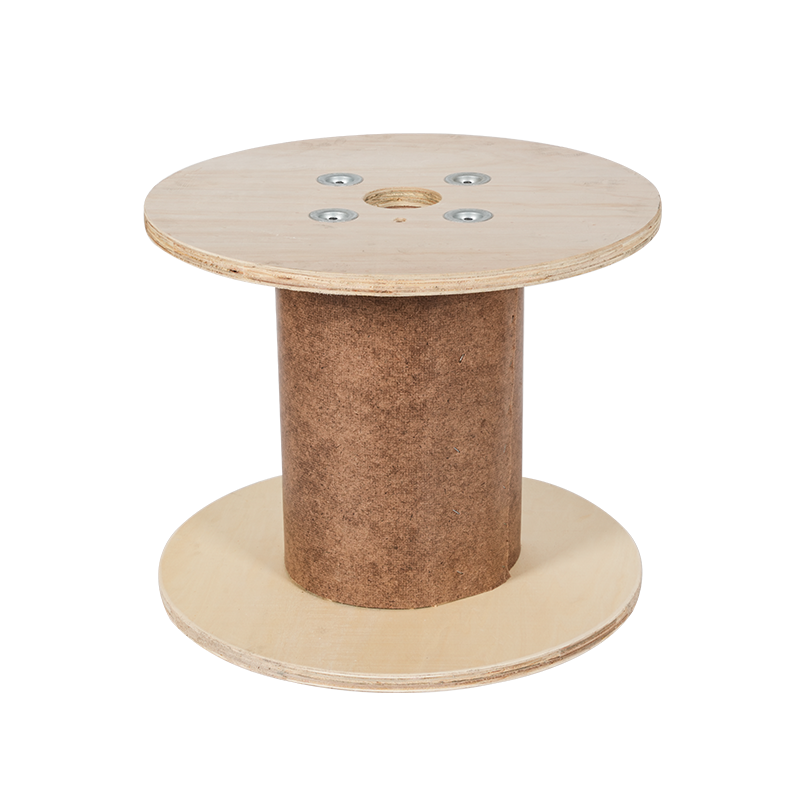
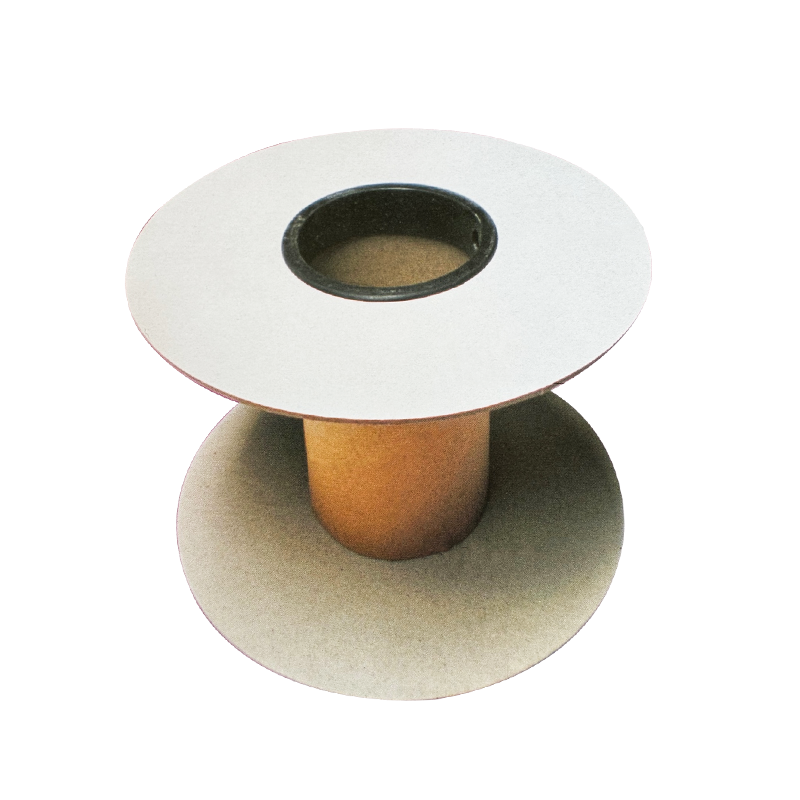
Plywood reels split into two practical categories, and the spread between them is wide. Lighter loads — fiber optic cable, low-voltage wire, hose — typically run on a compact okoume plywood cable reel, where the disk diameter sits between 200mm and 600mm and board thickness ranges from 6mm to 20mm, with 6mm, 8.8mm, and 11.5mm as the common stock thicknesses.
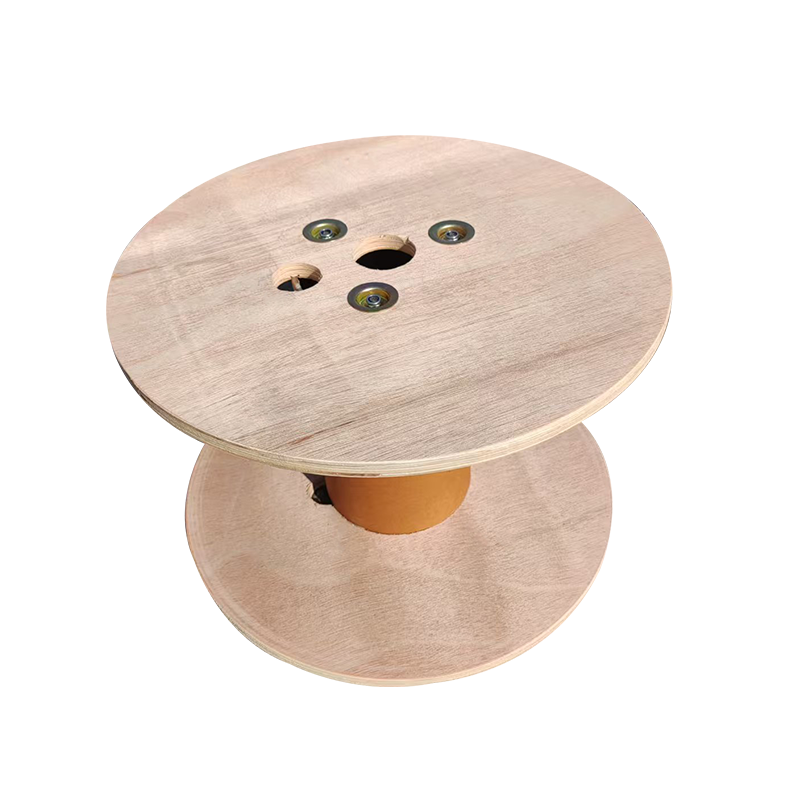
Heavier multi-core power cable needs more flange to spread the load. That's where a large-diameter bleached poplar plywood cable reel comes in, scaling from 650mm to 1300mm in diameter with 20mm to 40mm board thickness. The whole-core poplar veneer construction resists cracking under that extra weight, and an E0/E1 rating keeps it usable straight off the line without added fumigation.
| Reel Type | Disk Diameter | Board Thickness |
|---|---|---|
| Small (fiber, wire, hose) | 200mm–600mm | 6mm–20mm |
| Large (power cable) | 650mm–1300mm | 20mm–40mm |
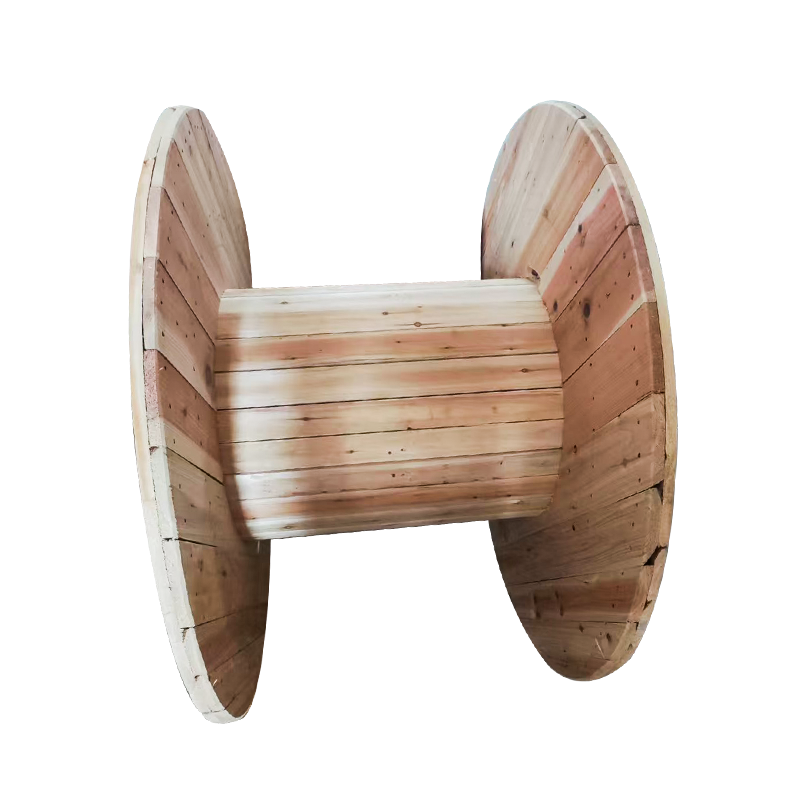
Solid wood pallets and crates almost always need heat treatment or fumigation before they cross a border, and that stamp takes time to arrange. Plywood is made under heat and pressure during manufacturing, which is already enough to deal with the pest risk that triggers those phytosanitary rules for raw timber.
For an exporter shipping cable on a deadline, that one detail removes a whole step from the pre-shipment checklist — no treatment certificate to chase, no risk of a drum getting flagged at inspection over paperwork that solid wood packaging would otherwise require.
The flange diameter gets most of the attention, but the tube running through the center decides how the reel holds up in transit. Paper tube cores, built from multi-layer kraft paper, work well for single-trip shipments and keep costs down. PVC tube cores — commonly 75mm, 110mm, 160mm, or 200mm — add moisture resistance for damp warehouses or coastal routes.
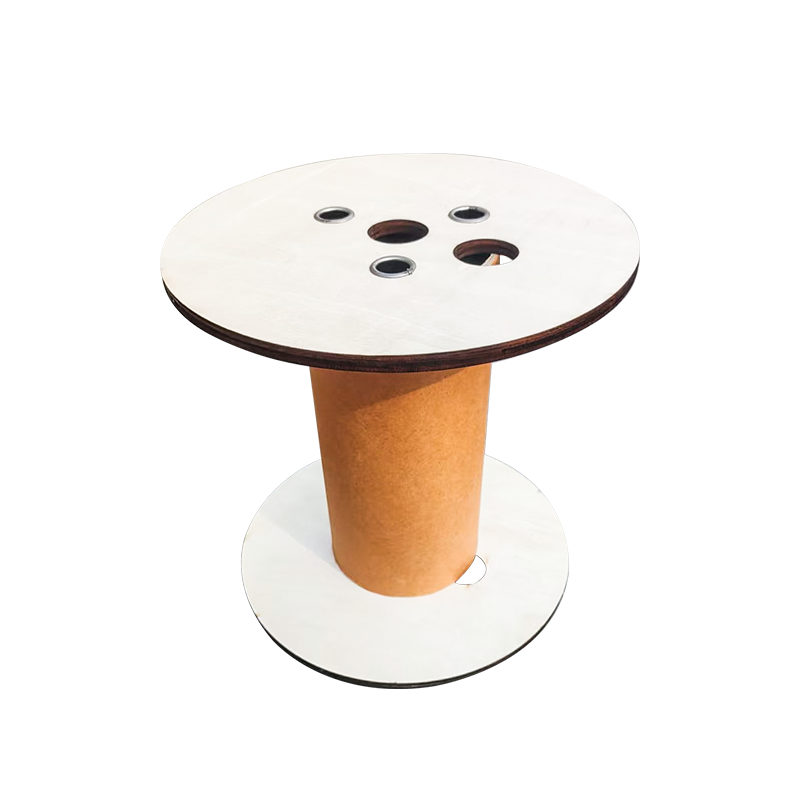
For repeated handling or rough job sites, a laser-engraved steel-tube plywood cable reel swaps in a steel core for extra rigidity, with laser engraving doubling as permanent branding that won't wear off like a printed label. Flanges connect to the tube with double-head cross screws, sized M5 through M14 depending on the load — small enough hardware and the flange will work loose under vibration; oversized hardware and you're paying for strength you don't need.
Run through these before confirming a purchase order, not after the reel has already shipped:
If you're still weighing a plywood cable drum against other drum materials for a specific project, this cable drum selection guide breaks down the tradeoffs across types and specs in more detail.
Related Products

Contact us
Address
No. 19, Hualong Industrial Park, Linglong Street, Lin'an District, Hangzhou City, Zhejiang Province, China
Phone
+86-13357115977
QR CODE
 Cable Reel Manufacturers, Cable Packaging Reel Factory

 English
 中文简体
中文简体