Jun 05, 2026
Content
Pick the wrong pallet for an export shipment, and customs may reject your cargo before it ever boards a vessel. Pick the wrong warehouse tray for high-bay racking, and a collapsed stack can damage inventory worth far more than the pallet itself. Transport wooden pallets and wooden trays solve different problems — and knowing which one you actually need saves money, prevents delays, and keeps your supply chain compliant.
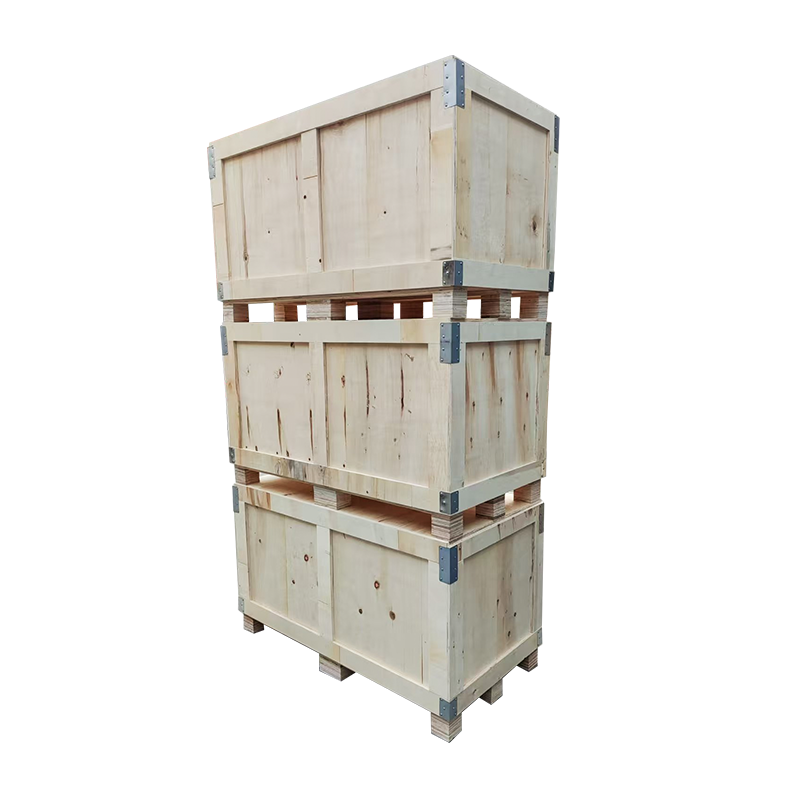
Transport wooden pallets are designed to withstand the full stress of logistics: forklift handling, container loading, cross-border customs, and long-distance vibration. Their structural requirements go well beyond what a stationary warehouse tray needs to deliver.
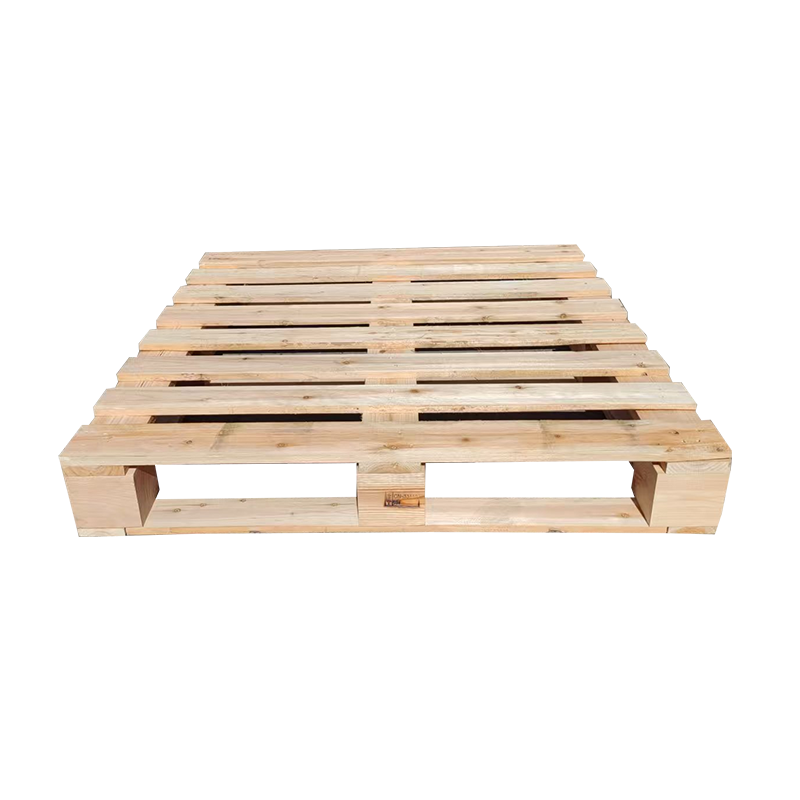
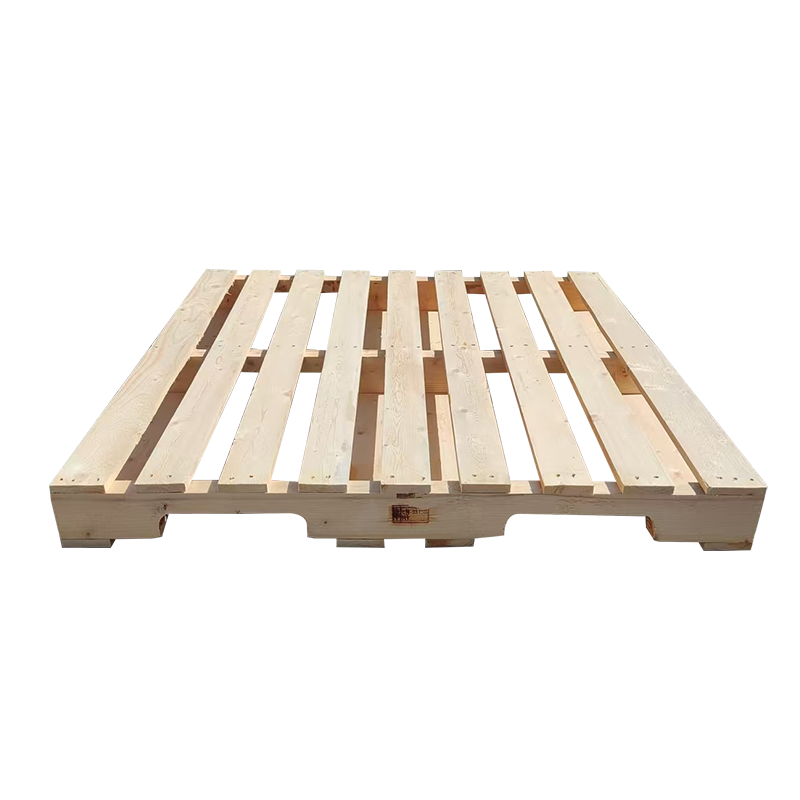
The most critical distinction is fork entry. A four-way solid wood fumigated pallet allows forklift entry from all four sides, with free fork holes ≥100mm and secondary fork holes ≥90mm, and a diagonal tolerance of ≤3mm — precision specs that matter when automated warehouse systems or tight container bays are involved. Two-way pallets only permit access from two directions, which is sufficient for straightforward trucking but limiting in multi-directional handling environments.
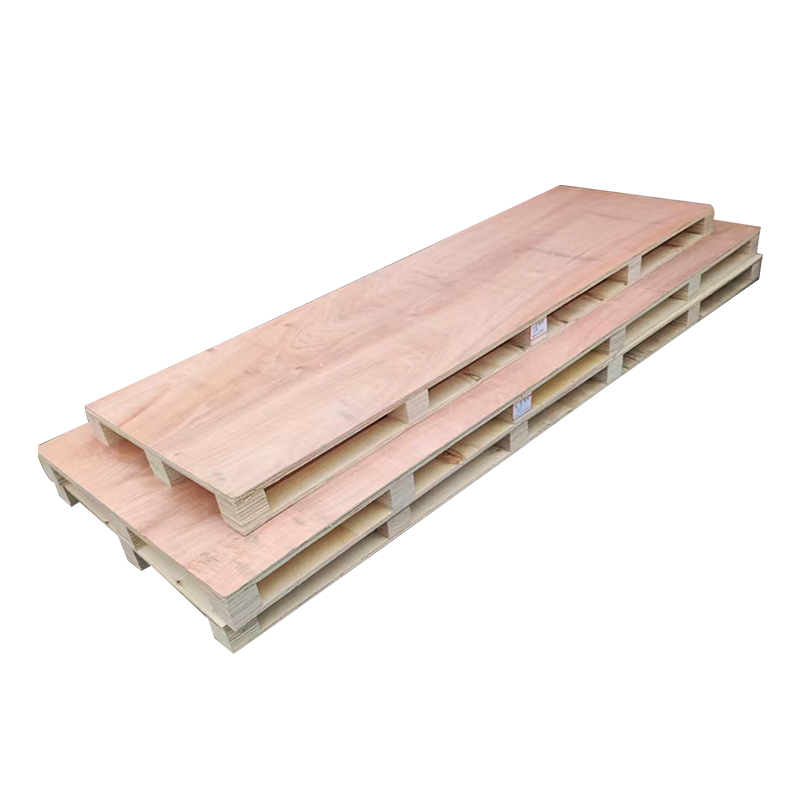
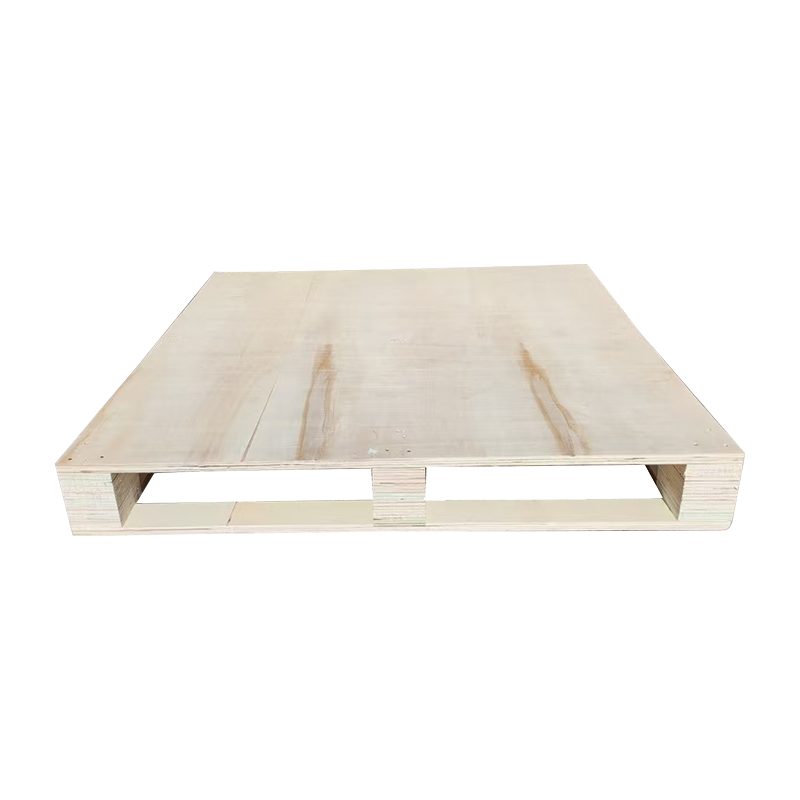
Material structure matters just as much as geometry. Solid wood pallets made from pine or hemlock carry heavier loads and resist compression under stacking. Plywood pallets — especially those built from Okoume hardwood face layers over poplar or eucalyptus cores — offer a lighter alternative with excellent strength-to-weight ratios, making them well suited for air freight or weight-sensitive shipments.
Any solid wood pallet used in cross-border trade must comply with ISPM 15, the international phytosanitary standard established by the International Plant Protection Convention. The rule is straightforward: all solid wood packaging thicker than 6mm must be heat-treated (HT) to 56°C for a minimum of 30 minutes at the wood core, or fumigated with methyl bromide (MB), then marked with an official IPPC compliance stamp.
Non-compliant pallets arriving at destination ports can be confiscated, returned, or destroyed — entirely at the shipper's expense. Countries like Australia and New Zealand enforce particularly strict biosecurity checks. Fumigated pallets resolve this entirely: the heat treatment process eliminates insects and larvae without leaving chemical residue, and simultaneously reduces wood moisture content, improving durability and reducing the risk of mold during ocean transit.
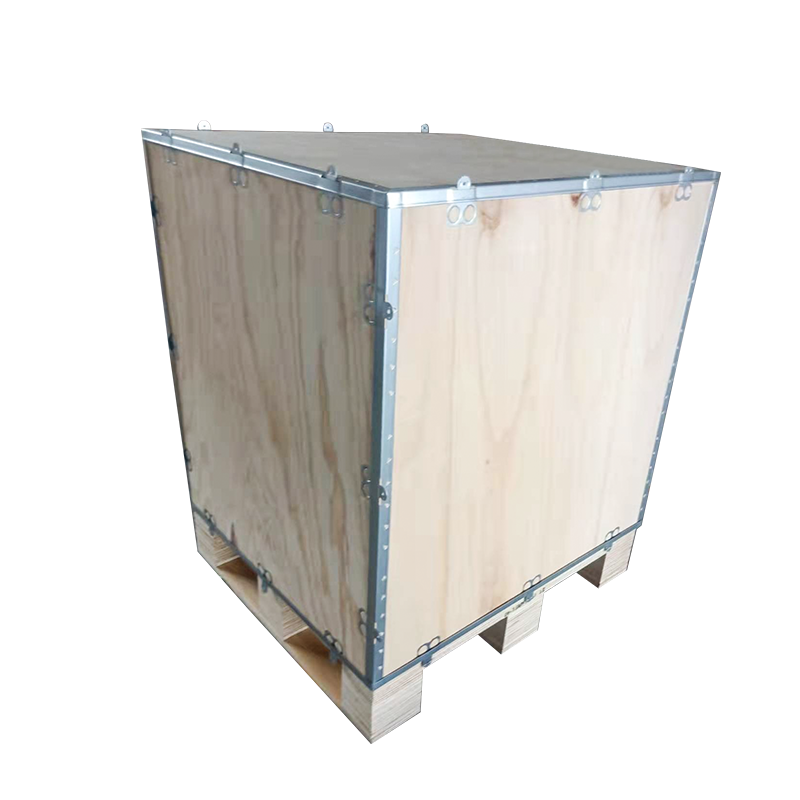
Plywood pallets carry a natural advantage here. Because plywood is a manufactured wood product, it is generally exempt from ISPM 15 treatment requirements — a significant compliance and cost benefit for exporters sourcing packaging at scale.
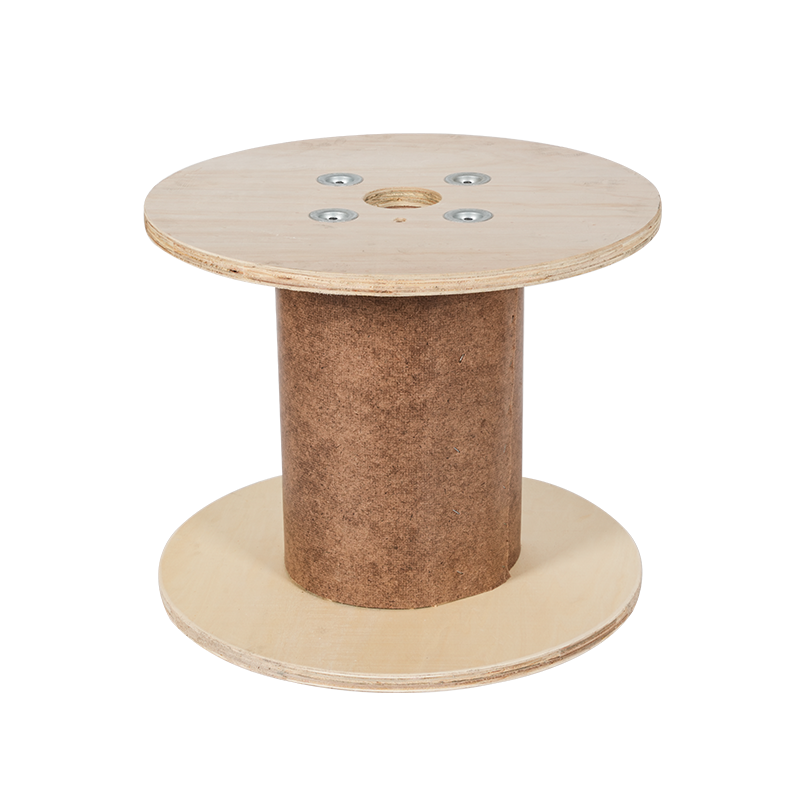
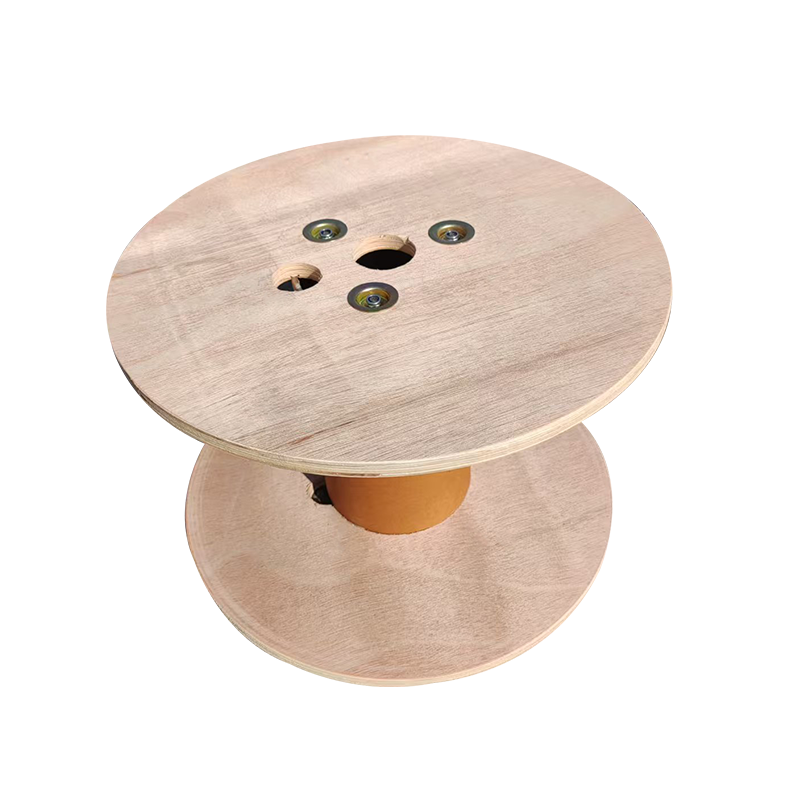
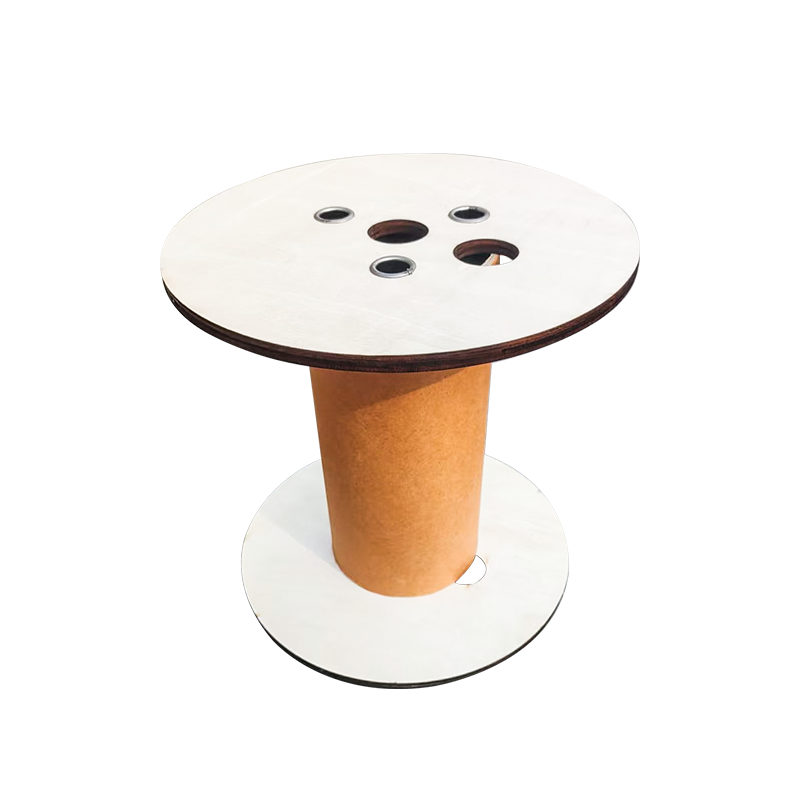
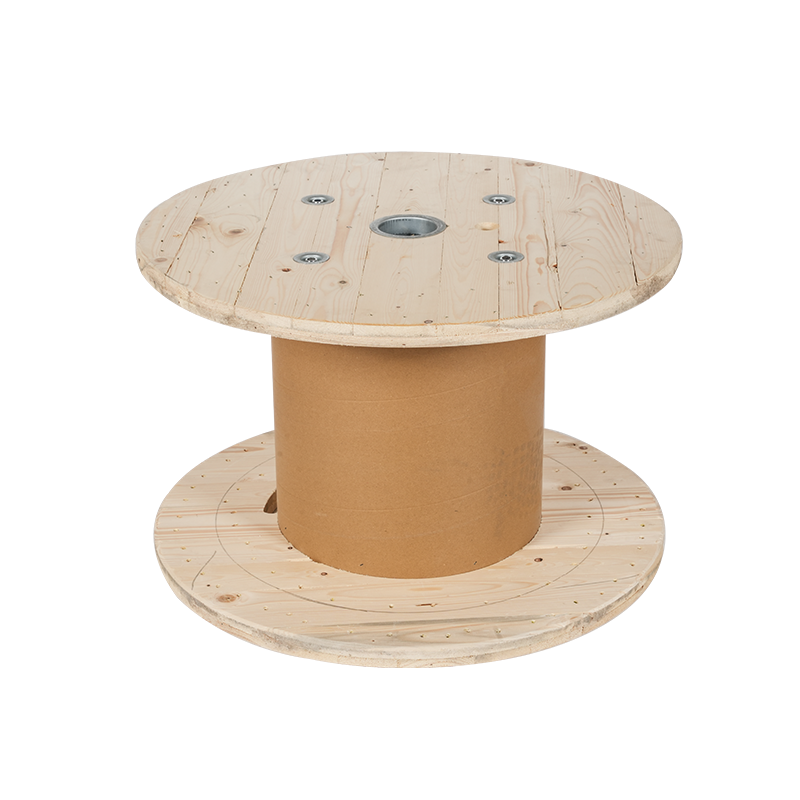
A warehouse wooden tray — sometimes called a cable tray or storage tray in industrial contexts — is designed for a different environment entirely. Its primary role is to organize and support goods within a fixed storage system: racking, shelving, or floor stacking inside a controlled facility.
Trays prioritize load distribution and stackability over transport durability. The Okoume plywood pallet is a strong performer in this category — its multi-layer construction provides consistent load-bearing without the weight penalty of full solid wood, and it contains minimal adhesive with no formaldehyde, which matters in enclosed warehouse environments where air quality affects workers daily.
Poplar plywood trays offer a more economical alternative for lighter storage loads, while still providing the dimensional stability needed for precise shelf fits. Both types can be customized to match specific rack dimensions — a practical necessity when standard sizes don't align with your storage system layout.
| Factor | Transport Wooden Pallet | Warehouse Wooden Tray |
|---|---|---|
| Primary Use | Export shipping, container loading, cross-border logistics | Indoor storage, racking, inventory management |
| Fork Entry | 2-way or 4-way; precision fork hole tolerance required | Standard entry; less critical |
| ISPM 15 Compliance | Mandatory for international solid wood pallets | Not required for domestic warehouse use |
| Material Options | Fumigated solid wood (pine, hemlock), Okoume plywood | Okoume plywood, poplar plywood |
| Customization | Size, load rating, fork configuration | Dimensions, board density, surface finish |
The decision comes down to where the pallet travels. If goods cross international borders on solid wood pallets, fumigation certification is mandatory — no exceptions. If the pallet only moves within your facility or domestic network, plywood trays deliver better value without the compliance overhead.
Confirm your destination country's biosecurity rules before sourcing solid wood pallets. Requirements vary significantly: Australia, New Zealand, and the EU all have specific enforcement protocols beyond the baseline ISPM 15 stamp.
Match fork entry type to your actual handling equipment. A four-way pallet is more versatile and integrates with automated systems, but if your operation exclusively uses standard forklifts in one-directional loading bays, a two-way design at lower cost may be sufficient. For warehouse trays, measure your rack bay dimensions precisely — a 5mm misfit can cause alignment problems that slow pick-and-pack operations every single day.
Finally, consider reuse cycles. Higher-quality plywood pallets — particularly Okoume-faced — withstand more handling cycles before replacement, which can reduce per-unit packaging costs by a meaningful margin over a full year of operations. The full range of wooden tray and pallet solutions covers both transport and warehousing needs, with customizable specs to match specific load and compliance requirements.
Transport wooden pallets and warehouse wooden trays are not interchangeable tools. Using an uncertified solid wood pallet in an export shipment risks customs rejection. Using a heavy transport pallet where a lighter warehouse tray would do wastes cost and handling capacity. Get the classification right first, then optimize within it — material, fork configuration, load rating, and compliance status — and your packaging becomes a quiet advantage rather than a recurring problem.
Related Products

Contact us
Address
No. 19, Hualong Industrial Park, Linglong Street, Lin'an District, Hangzhou City, Zhejiang Province, China
Phone
+86-13357115977
QR CODE
 Cable Reel Manufacturers, Cable Packaging Reel Factory

 English
 中文简体
中文简体