Oct 23, 2026
Content
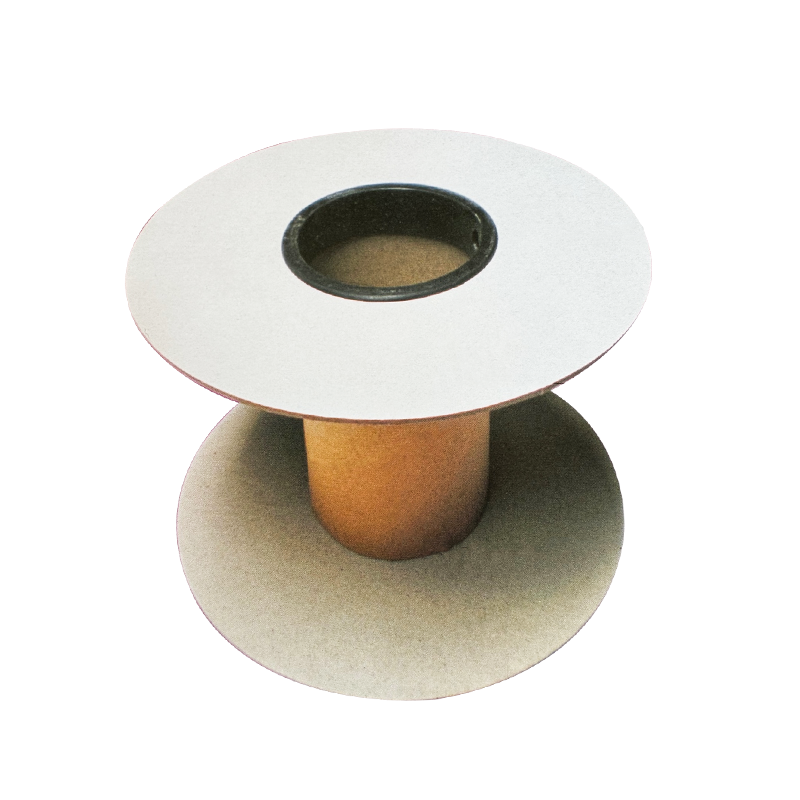
An industrial cable reel is a drum with a barrel, two flanges and a drive hole, built to wind, store, transport and pay out cable without exceeding the cable's bend radius or compression limit.
Working definition: the reel's rating is set by barrel crush strength and flange stiffness. Outside diameter and traverse describe the package, not what the reel can carry.
Barrel diameter controls the bend radius. A 33 kV cable with a 40 mm outside diameter needs a barrel of roughly 480 mm to 800 mm for repeated reeling. A 300 mm barrel forces the cable into a tighter bend that can damage insulation and screen layers. Flange diameter then has to cover the wound cable with 40 mm to 50 mm of radial clearance, because the cable expands slightly under tension and settles in transit.
Six variables belong on every reel drawing:
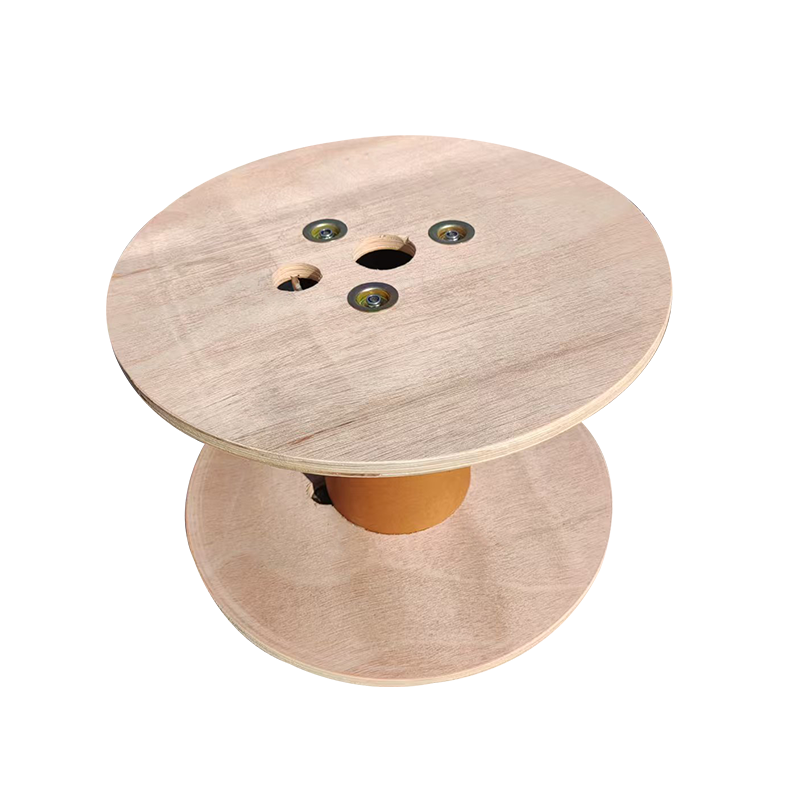
For a large export drum, plywood is often the practical starting point because it holds stiffness at a lower tare weight. A bleached poplar plywood large cable reel is one example of that format.
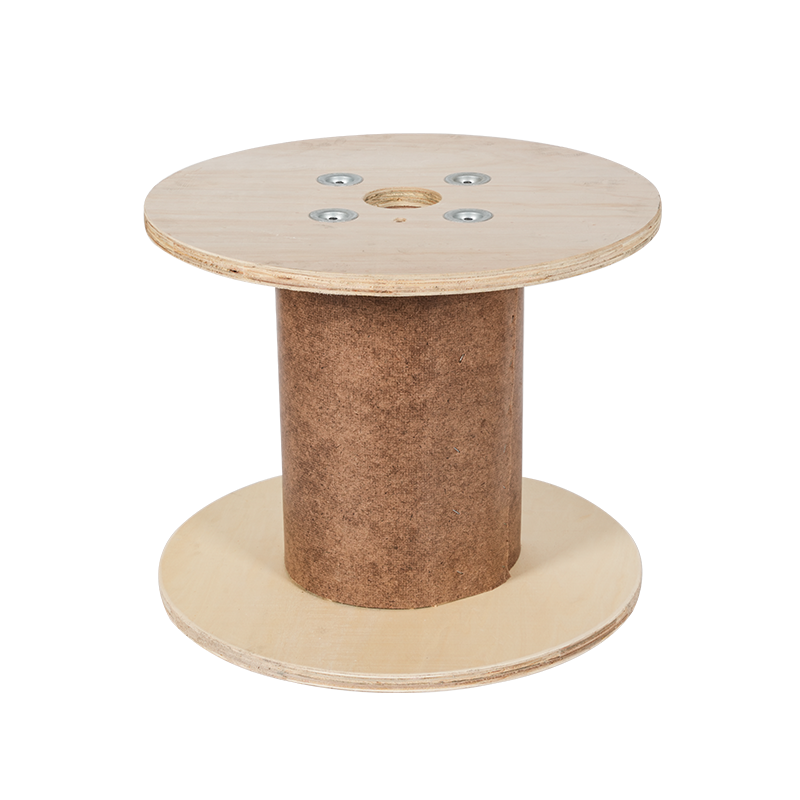 Bleached Poplar Plywood Large Cable ReelPoplar plywood large reel with bleached surface and whole-core build for export drums; customizable diameters, thickness and branding.View Product →
Plywood gives the best stiffness-to-weight for most export reels, fumigated solid wood carries the heaviest loads, paper suits light single-trip cable, and plastic handles moisture and repeated handling.
| Material | Flange range | Static load | Export note | Best fit |
| Plywood | 400 to 3,000 mm | 500 to 6,000 kg | Processed veneer is usually outside ISPM 15, but confirm destination rules. | Export power and control cable |
| Fumigated solid wood | 800 to 3,500 mm | 2,000 to 8,000 kg | ISPM 15 mark and treatment record normally required. | Heavy power cable, re-use, long storage |
| Paper | 200 to 800 mm | 20 to 500 kg | No wood treatment, but the reel must stay dry. | Single-trip fiber optic and building wire |
| Plastic | 200 to 1,200 mm | 50 to 1,500 kg | No treatment, but verify UV stabilization for outdoor use. | Washdown plants, humid yards, repeated handling |
For a fuller comparison of drum types, sizes and selection criteria, see this cable drum selection guide.
A 3,000 mm plywood flange that measures 25 mm at the rim but 18 mm at the hub will deflect under load. Ask for a section drawing with flange thickness and barrel wall thickness, not only a diameter.
Size from cable OD and length first; barrel diameter, traverse and flange diameter follow, and the load rating is checked last against the wound weight.
Calculate wound weight as cable mass per meter multiplied by length, plus reel tare. A 2,000 m length of 1.2 kg/m cable adds 2,400 kg before the drum is counted. If the reel weighs 350 kg, the lifting gear sees 2,750 kg, and the dynamic factor during a crane lift can push the effective load higher.
Check the dynamic case, not only the static case. A reel rated 5,000 kg static may be limited to 3,000 kg during a two-point lift, and the pay-out brake can add another point load at the flange.
Most export reel failures are paperwork and moisture failures, not strength failures: ISPM 15 marking, fumigation records and container lashing must be settled before the first drum is built.
Rule of thumb: solid wood reels shipped to the EU or US need ISPM 15 marking on at least two visible sides, plus a treatment record that matches the drum batch. A missing mark can turn a full container into scrap or a return shipment.
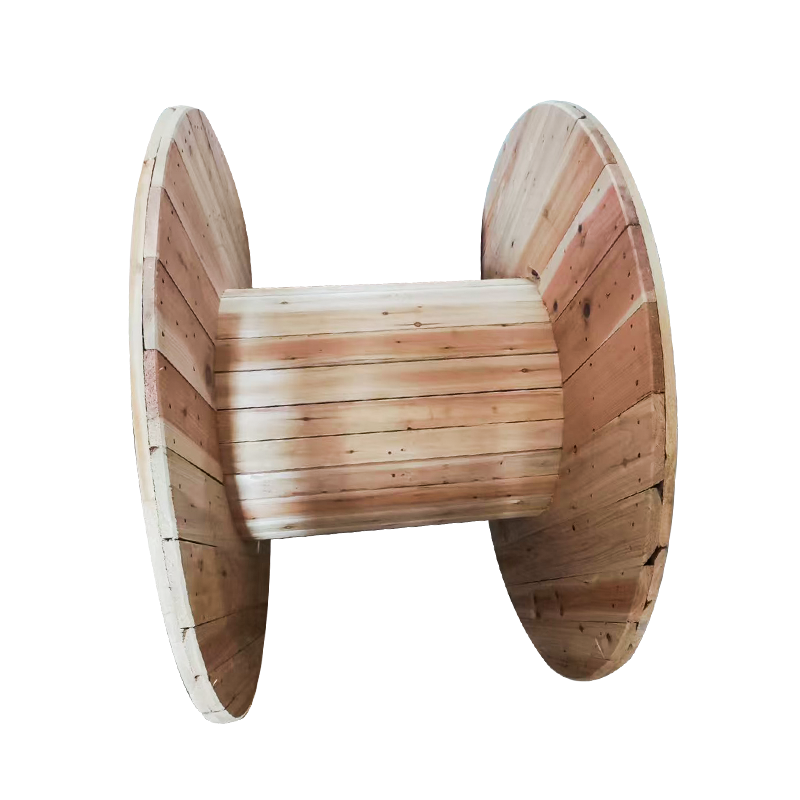
Heavy cable also needs a reel that can take the lashing load without flange cracking. An imported spruce solid wood large fumigated cable reel is the type normally specified for that duty.
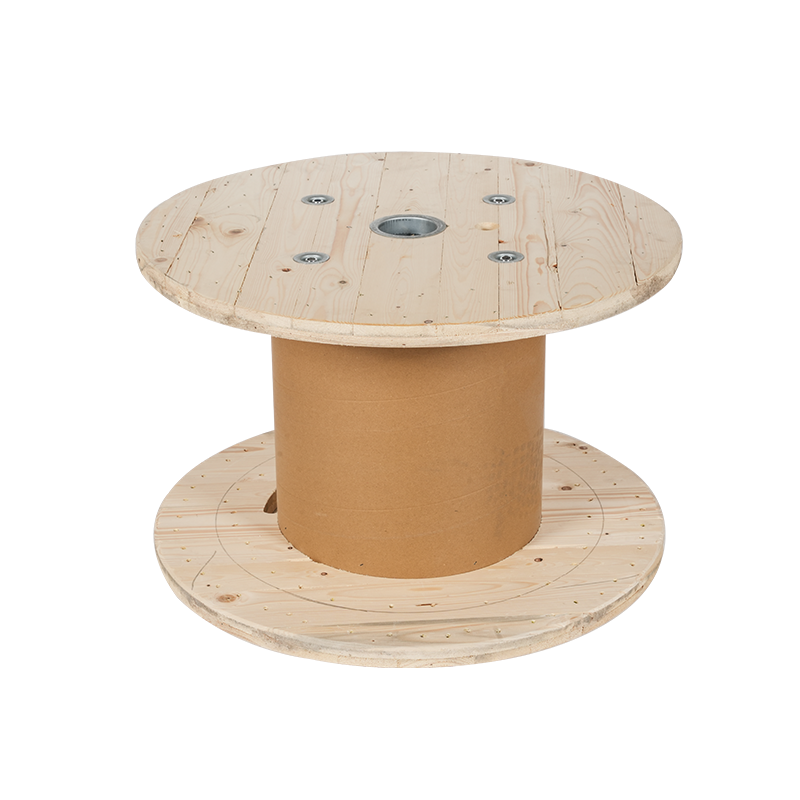 Imported Spruce Solid Wood Fumigated Cable ReelSpruce solid-wood reel fumigated to ISPM 15 for heavy cable lashing loads; customizable diameters, core options and branding.View Product →
A reel order that avoids rework states six variables on one drawing: cable OD, cable length, barrel diameter, traverse, load rating and treatment.
Give outside diameter, weight per meter, minimum bend radius and total length. Voltage class alone does not define the reel.
Confirm barrel diameter, flange thickness, traverse and concentricity. A 10 mm run-out can cause pay-out vibration at speed.
State the destination country and whether the wood must carry ISPM 15 marking. Put the requirement on the purchase order, not in a later email.
Match the drive hole to the customer's pay-out rig. Confirm sling positions and whether the reel will be lifted by forklift, crane or both.
Load the first drum to the rated weight, lift it, and inspect flange deflection and barrel crush before releasing the batch.
The most expensive phrase in reel procurement is "standard size". A 50 mm change in traverse can force a new container plan, a new freight quote and a second production run.
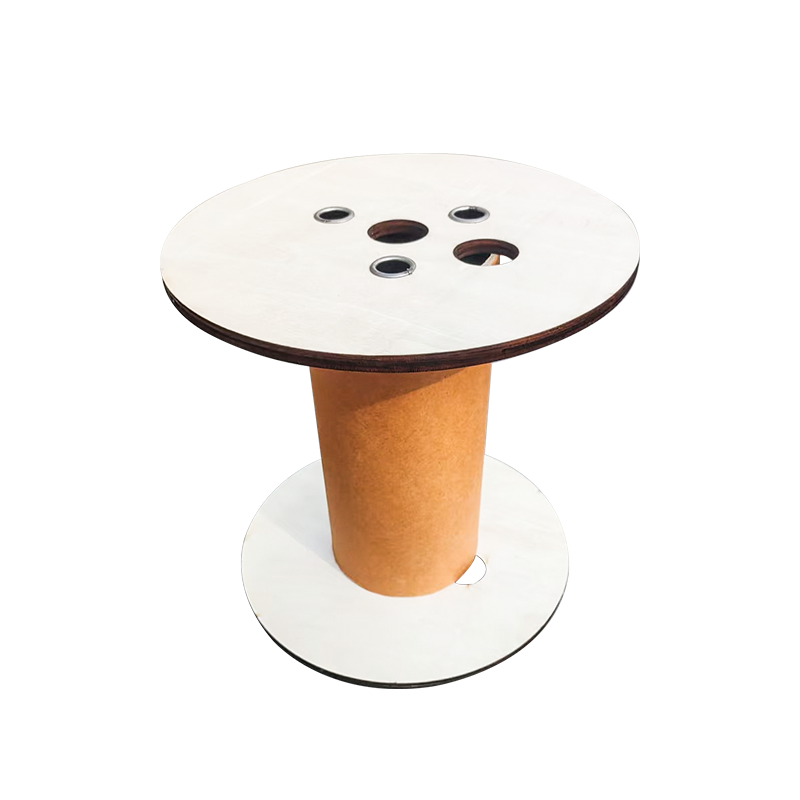
Where washdown, humidity or repeated handling is normal, a moistureproof plastic cable reel can remove the wood-treatment question entirely.
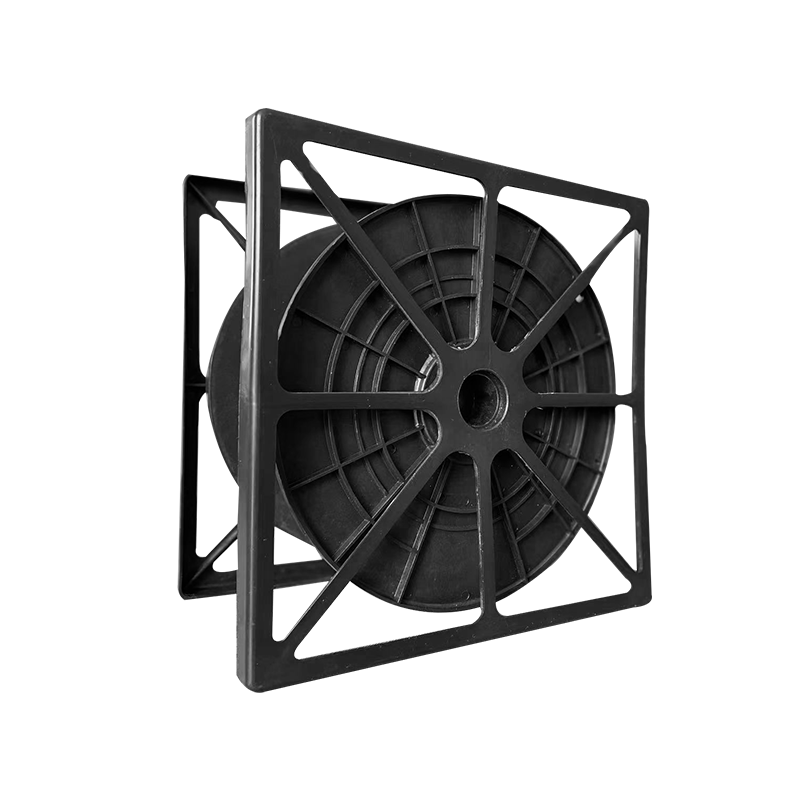 Moisture-Proof Engineering Plastic Cable ReelLightweight corrosion-resistant plastic reel for cable storage and turnover; suits humid or washdown handling without wood treatment.View Product →
Most industrial cable reel questions come down to three issues: load rating, wood treatment and usable winding capacity.
In most industrial buying, the terms are interchangeable: both mean the flanged drum that carries cable. Some suppliers use reel for a lighter returnable spool and drum for a heavy export unit, but the drawing and load rating matter more than the label.
Capacity depends on traverse width, barrel diameter, flange diameter and cable cross-section. The reliable method is to ask for a winding chart for the exact cable OD; a 1,000 mm traverse with 40 mm cable will not hold the same length as the same traverse with 12 mm cable.
Plywood is generally treated as processed wood and is often outside ISPM 15, but destination customs make the final call. Keep the veneer grade and glue type on file, and confirm the rule with your broker before shipping.
Specify the dynamic load, not only the static load. Give the supplier the lifting method, the number of re-handles and the maximum stacked height, then ask for the calculated rating rather than a nominal size.
Ask for the treatment certificate before the drums leave the yard. Document checks at the port are cheaper than a rejected container.
Related Products

Contact us
Address
No. 19, Hualong Industrial Park, Linglong Street, Lin'an District, Hangzhou City, Zhejiang Province, China
Phone
+86-13357115977
QR CODE
 Cable Reel Manufacturers, Cable Packaging Reel Factory

 English
 中文简体