Jul 17, 2026
Content
A 1200mm diameter plywood cable reel routinely handles over 6 tonnes of radial winding pressure while weighing less than 130 kg — roughly 40% lighter than a comparable steel drum. That weight reduction directly cuts freight charges and improves on-site handling without sacrificing payload integrity.
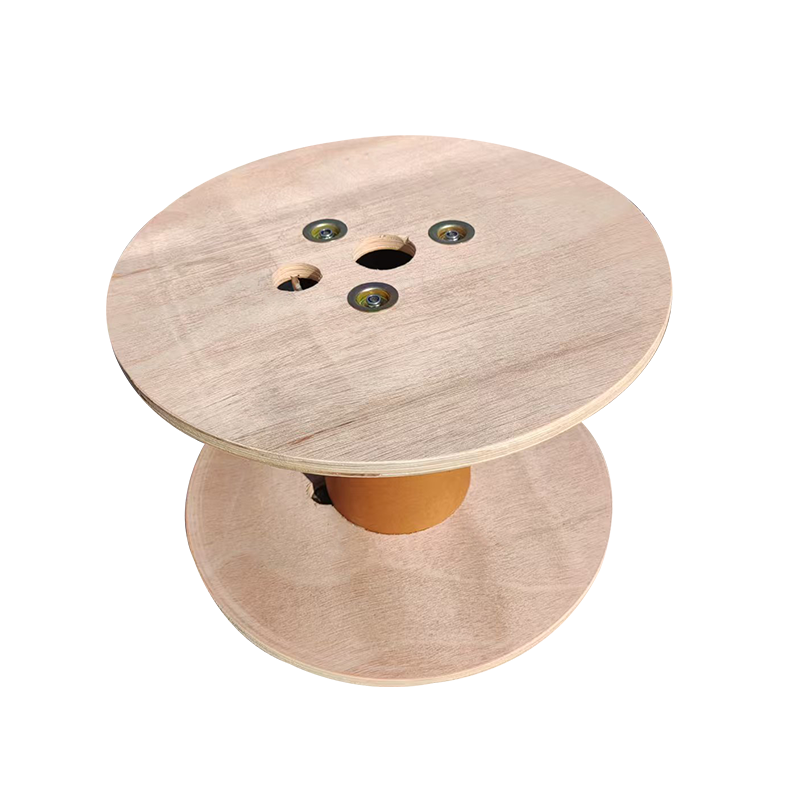
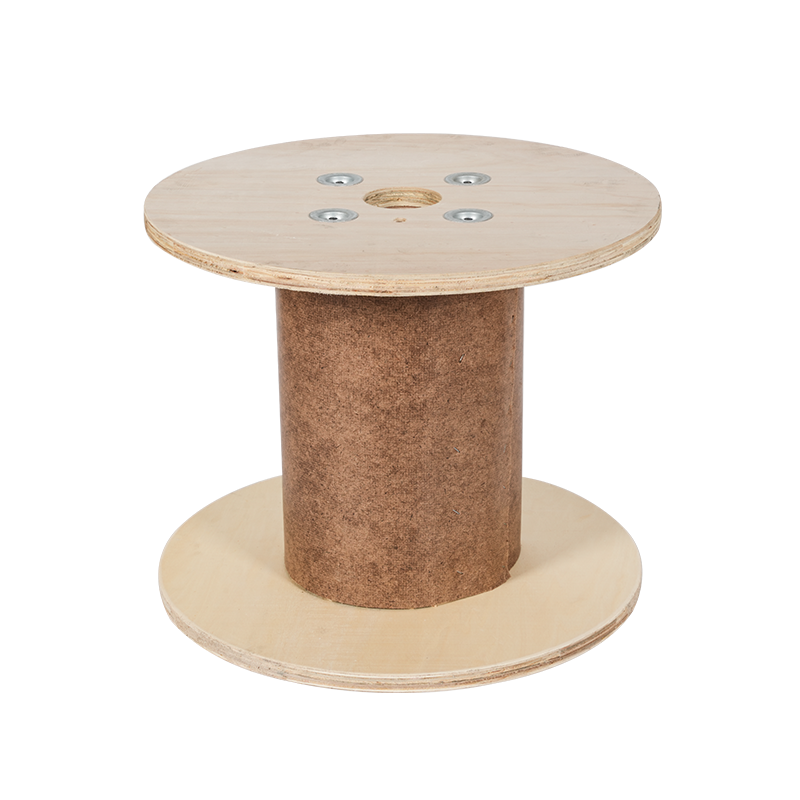
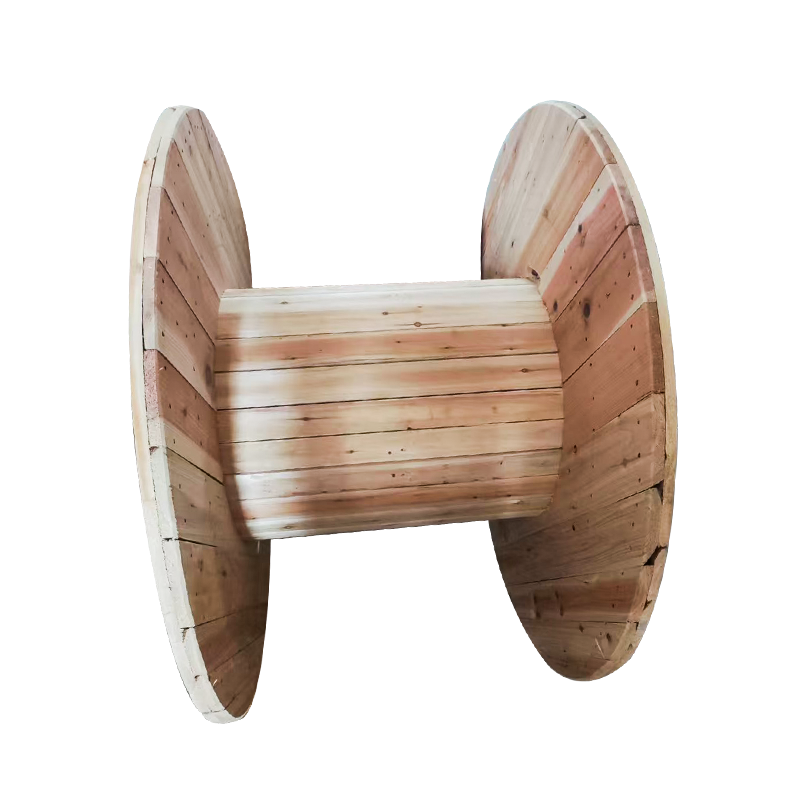
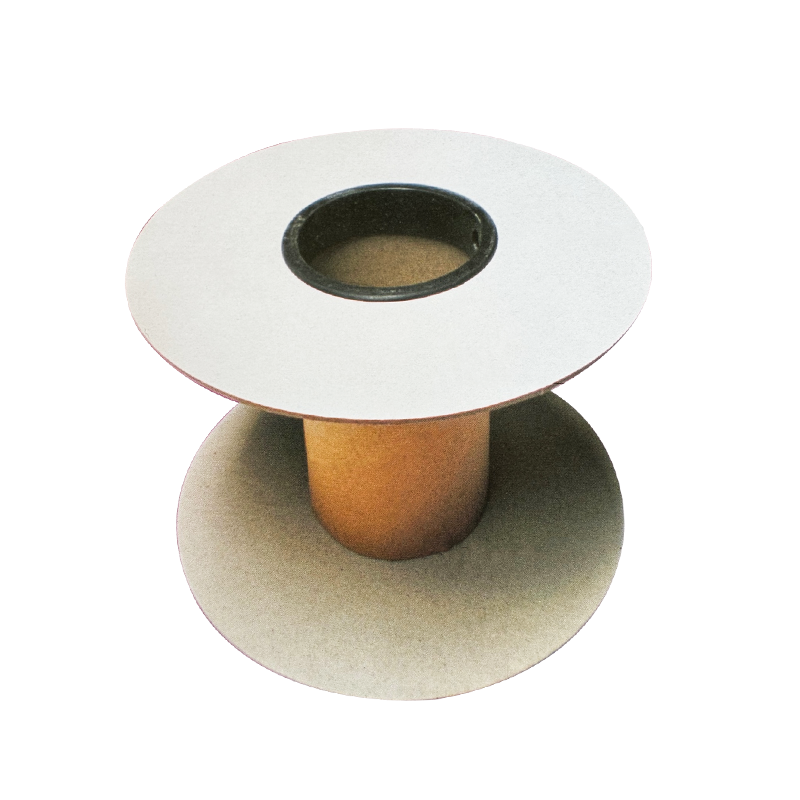
Plywood cable reels achieve this balance through a laminated veneer construction that distributes stress across multiple grain layers. Unlike solid timber, plywood resists splitting and warping under cyclic loads, making it the default choice for export packaging of power cables, fiber optic lines, and steel wire rope. The use of hardwood face veneers, high-bond phenolic adhesives, and precision CNC flange cutting ensures consistent dimensional tolerance and dependable performance across thousands of wind-unwind cycles.
Not all plywood reels are built from the same sheet. The core material directly influences weight, moisture resistance, and cost. Three configurations dominate the market:
For a deep dive into specific models, the okoume panel small cable reel demonstrates how light density wood reduces overall packaging weight for sensitive instrumentation wire, while the bleached poplar plywood large cable reel leverages thick veneers and steel reinforcement rings to sustain payloads up to 8 tonnes.
The load-bearing capacity of a plywood cable reel is not a single number. It depends on flange diameter, barrel diameter, flange thickness, and the number of bolts or tie rods. In practice, a well-engineered reel carries its full rated load only when the cable is wound evenly and the reel is supported on both flanges. Static stacking strength in storage can exceed 2.5 times the reel’s own weight plus payload, provided the interlocking design prevents point loading.
Engineers evaluate three primary metrics: radial crush resistance of the barrel, bending moment capacity of the flange when face-wound, and shear strength of the plywood-to-barrel joint. Top-tier manufacturers reinforce these joints with galvanized bolts and steel insert nuts rather than relying solely on adhesive. This yields a repeatable minimum ultimate torque of 3,200 N·m on a 1600mm reel, sufficient for moderate-tension power cable take-up.
Plywood cable reels automatically satisfy ISPM 15 regulations because the engineered wood process — heat and pressure during veneer lamination — achieves the required core temperature for pest eradication. No methyl bromide fumigation is needed, which eliminates off-gassing risks and costly treatment certificates. Customs authorities in the EU, North America, and Asia-Pacific accept plywood reels with a simple manufacturer’s stamp indicating compliance.
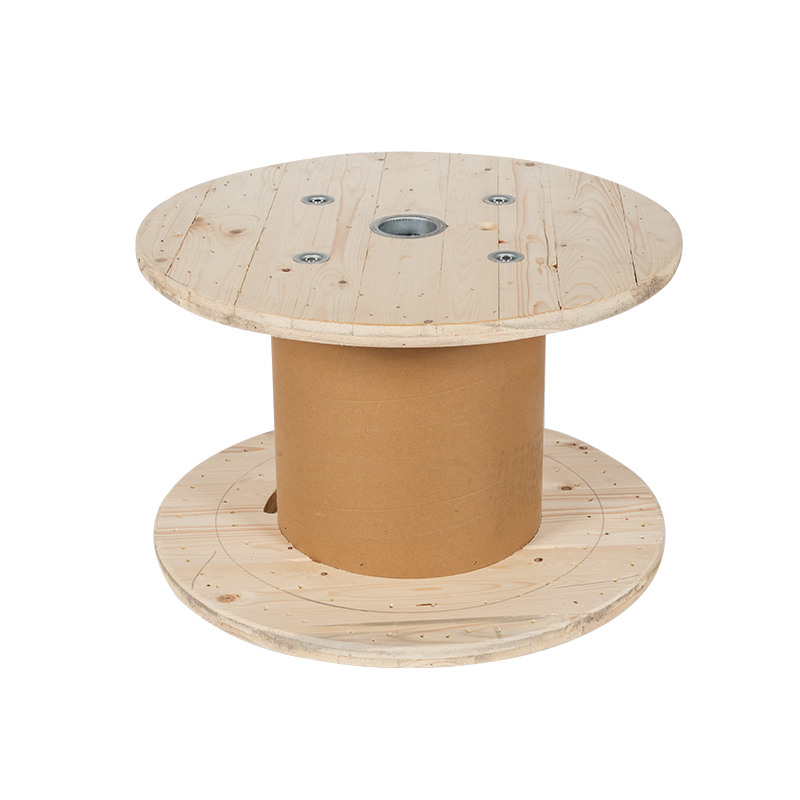
That compliance advantage eliminates the delays common with solid timber drums. For companies that still require solid wood options for specialized load profiles, fumigated alternatives exist — such as fumigated solid wood cable reels — but the paperwork and inspection burden are notably higher. Plywood remains the lower-friction route for time-sensitive export shipments.
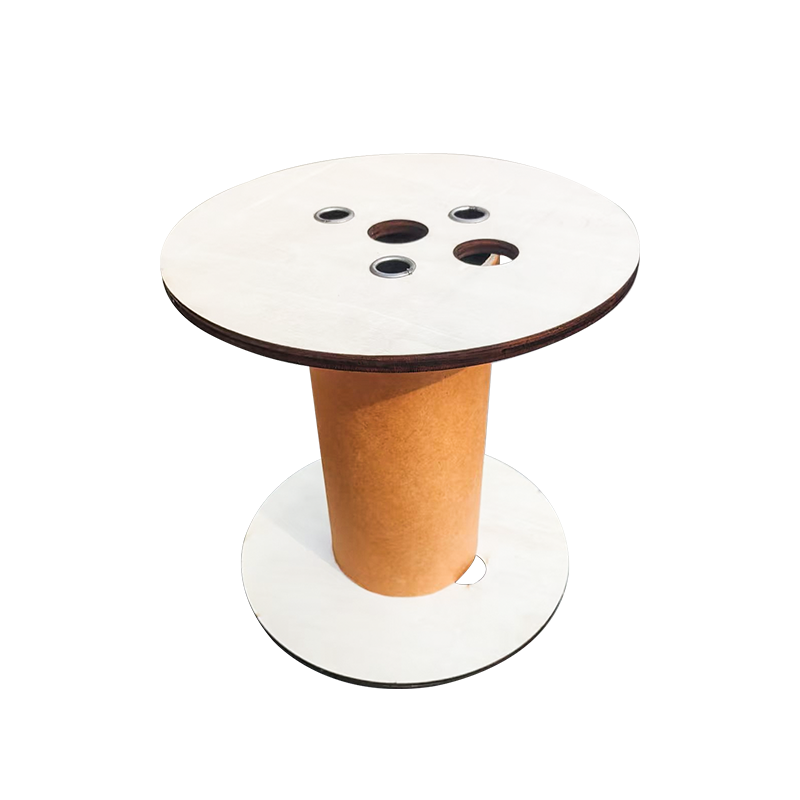
Beyond baseline configurations, plywood cable reels can be tailored for visibility, corrosion resistance, and modular maintenance. Laser engraving on flange surfaces permanently etches company logos, serial numbers, and tracking barcodes without weakening the wood structure. This is especially valuable for returnable reel programs where asset tracking over multiple trips is critical. A laser-engraved steel tube plywood small cable reel combines this traceability with a robust central steel hub that tolerates higher rotational speeds during automated winding.
Protective coatings further extend service life. Water-based polyurethane varnishes add moisture repellency without interfering with laser-etched markings, while edge banding with PVC or aluminum foil prevents delamination in high-humidity container shipments. These modifications add marginal cost but can double the reel’s usable return cycles.
| Parameter | Plywood | Steel | Plastic | Solid Wood (Fumigated) |
|---|---|---|---|---|
| Weight-to-strength ratio | High | Highest | Moderate | Moderate |
| ISPM 15 automatic compliance | Yes | N/A | Yes | No (requires fumigation) |
| Typical reuse cycles | 5–10 | 15+ | 3–6 | 3–8 |
| Repairability in field | Yes (flange replacement) | Yes (welding) | Limited | Yes (re-screwing) |
| Moisture sensitivity | Low when coated | Corrosion risk | Negligible | Moderate |
| Cost for 1200mm reel (index) | 1.0 | 2.2 | 0.9 | 1.3 |
The table reveals plywood’s sweet spot: it delivers substantial strength and reusability at a cost that keeps landed budget under control. Steel wins in sheer longevity, but for one-way export or limited-return models, plywood’s lighter weight and tariff-friendly classification often translate to lower total logistics spend.
Start with the cable type and shipping destination. Armored power cable calls for thick poplar flanges and steel tie rods; a small-diameter control wire may need nothing more than a compact okoume reel. Match flange outer diameter to the minimum bend radius of the cable to avoid deformation during winding. Next, verify stacking and handling requirements — if the reel will be lifted by a forklift from the barrel, insist on a steel tube core to prevent crushing. Environmental conditions matter too: uncovered ocean transit demands sealed edges and a full moisture-resistant coating.
Procurement teams should request documented load test reports, plywood grade certificates (often EN 636 or equivalent), and ISPM 15 stamps as part of the supplier qualification. A reliable manufacturer will also offer design validation through finite element analysis, confirming the reel meets the specific winding tension and storage stack scenarios of your operation.
Related Products

Contact us
Address
No. 19, Hualong Industrial Park, Linglong Street, Lin'an District, Hangzhou City, Zhejiang Province, China
Phone
+86-13357115977
QR CODE
 Cable Reel Manufacturers, Cable Packaging Reel Factory

 English
 中文简体
中文简体