Jul 24, 2026
Content
A production line halts because a cable drum flange cracked under load. That instant of failure costs time, money, and safety. Choosing the right cable reel drum prevents such breakdowns, but it starts with understanding what you’re really buying.
A cable reel drum is the cylindrical core around which electrical, fiber optic, or communication cable is wound. It’s the load‑bearing heart of a complete cable reel assembly—the part that determines minimum bend radius, payout performance, and how many meters of cable you can store on a single spool. The side flanges, axle tube, and fastenings complete the finished reel, but the drum defines the real engineering.
In industrial procurement, the terms “cable reel drum” and “cable drum” are often used interchangeably, though precision matters. A drum is a component; a reel is the full package ready for transport and deployment. Knowing this difference helps when specifying dimensions with a manufacturer. Before you compare materials, it’s useful to review the fundamental types of cable reels and how they mate with different drum constructions.
Drum material dictates weight capacity, weather resistance, reusability, and export eligibility. The four options below cover most commercial and industrial applications.
| Material | Typical Load Capacity | Moisture Resistance | Best For |
|---|---|---|---|
| Plywood | Medium to high | Good (with sealer) | General cabling, custom sizes, export |
| Solid Wood (Fumigated) | Very high | Moderate | Heavy‑duty cable, international shipping |
| Plastic | Low to medium | Excellent | Wet or corrosive environments, re‑use |
| Paper | Low | Poor | Light cables, one‑way shipping, eco‑goals |
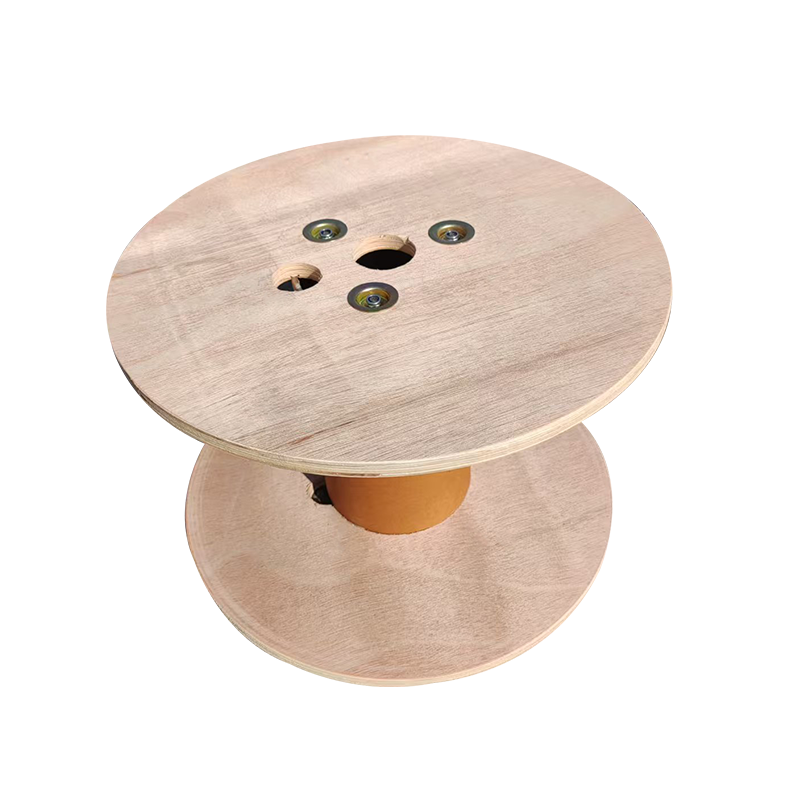
Plywood drums combine a high strength‑to‑weight ratio with on‑demand customisation. Because the drum body and flanges are built up from rotary‑peeled veneers and structural adhesives, the resulting cylinder resists splitting and withstands dynamic handling far better than sawn lumber of the same mass. This makes plywood the go‑to choice when you need a drum tailored to an exact barrel diameter and traverse width, yet still export‑ready after fumigation. For an exhaustive look at construction and use cases, see in our detailed plywood cable reel guide. You can also browse our standard plywood cable reel drums to match typical cable winding requirements.
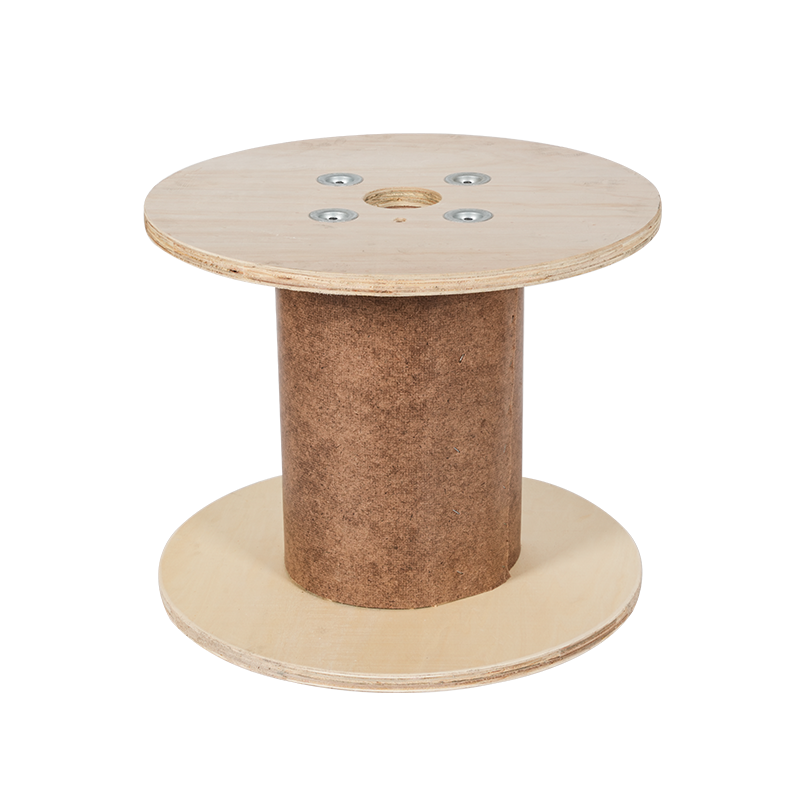 Plywood Cable Reel Manufacturers, Plywood Cable Drum FactoryHangzhou Lin'an Yimin Cable Reel Factory is China Custom Plywood Cable Reel Manufacturers, Plywood Cable Drum Factory,supply Plywood Cabl...View Product →
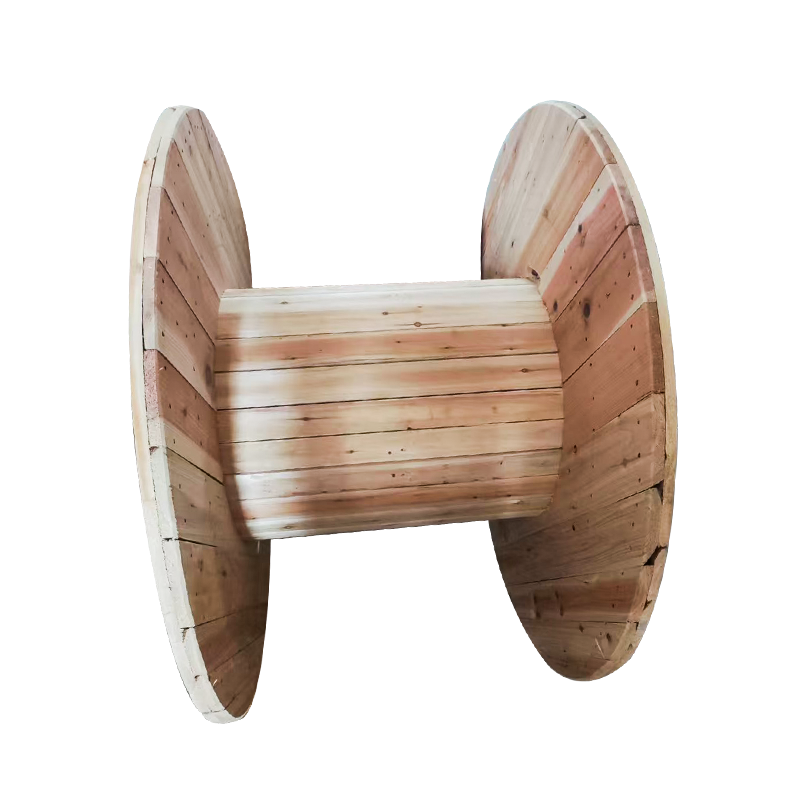
When you’re spooling submarine power cable or large‑diameter armoured conductors, solid wood drums deliver the ultimate load capacity. Machined from dense species like imported spruce or cryptomeria, the drum’s monolithic grain structure absorbs shock and spreads stress without the adhesive layers found in plywood. For any shipment crossing international borders, fumigated solid wood drums satisfy ISPM 15 regulations by default—eliminating the risk of customs rejection. Before you finalise a heavy‑duty order, fumigated solid wood cable reels reveal how treatments affect structural integrity, and read more about fumigated wood reels for export to avoid documentation gaps. For a direct product view, view our fumigated solid wood cable reel options.
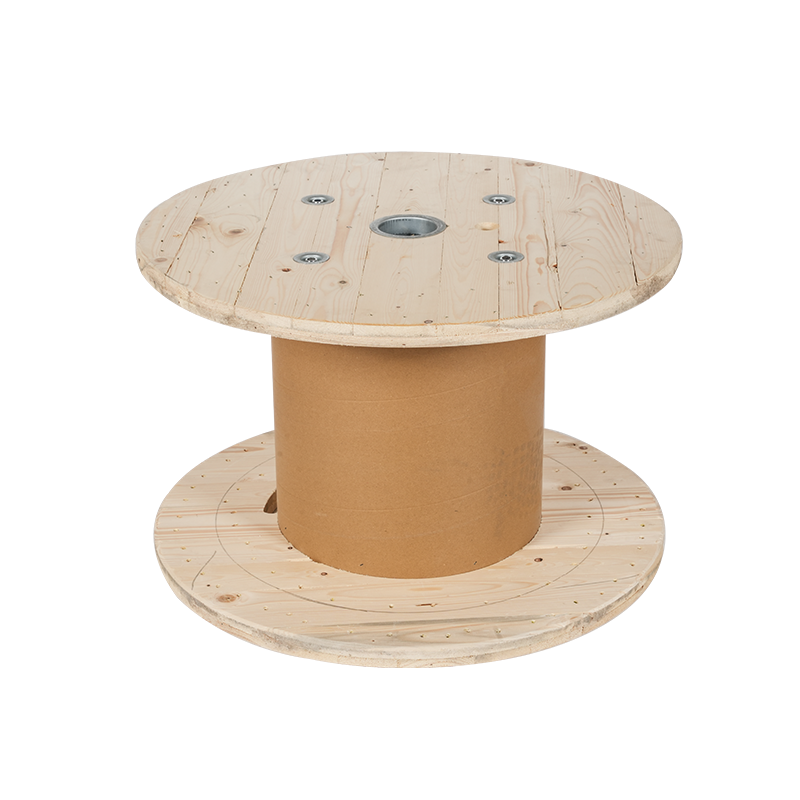 Fumigated Solid Wood Cable Reel Manufacturers, FactoryAs China Custom Fumigated Solid Wood Cable Reel Manufacturers, Cable Wooden Reel Factory, Lin'an Yimin supply Fumigated Solid Wood Cable ...View Product →
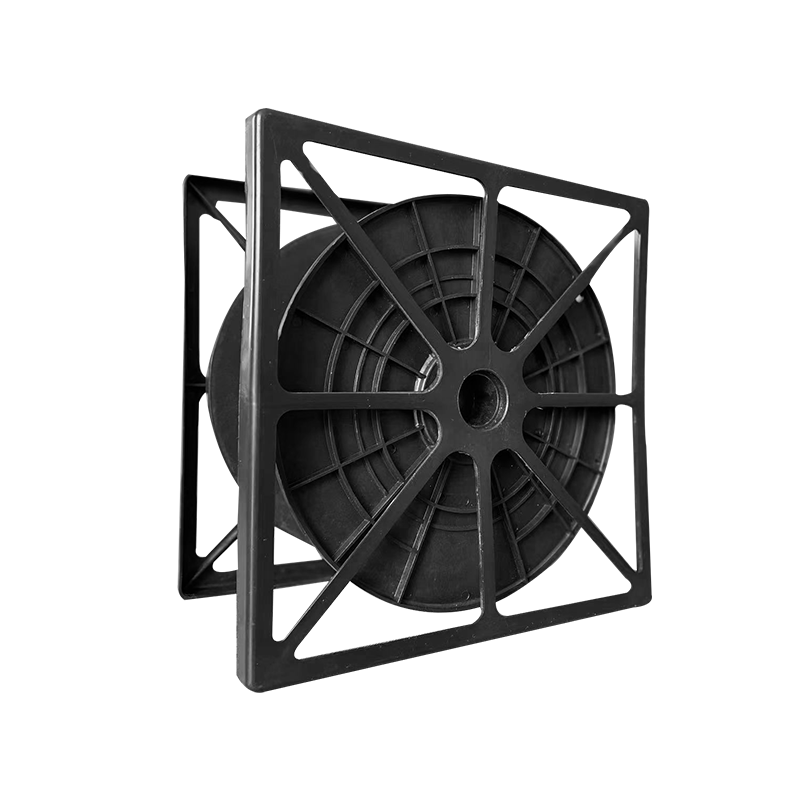
Plastic drums—typically injection‑moulded polyethylene or polypropylene—excel where moisture, chemicals, or repeated re‑use dominate. They won’t delaminate, warp, or harbour pests, which makes them popular inside cable factories, cleanrooms, and outdoor laying operations that follow a return‑and‑rewind model. However, their load rating drops off sharply under elevated temperatures, so you must check the thermal envelope if the drum will sit in direct sun or near process heat.
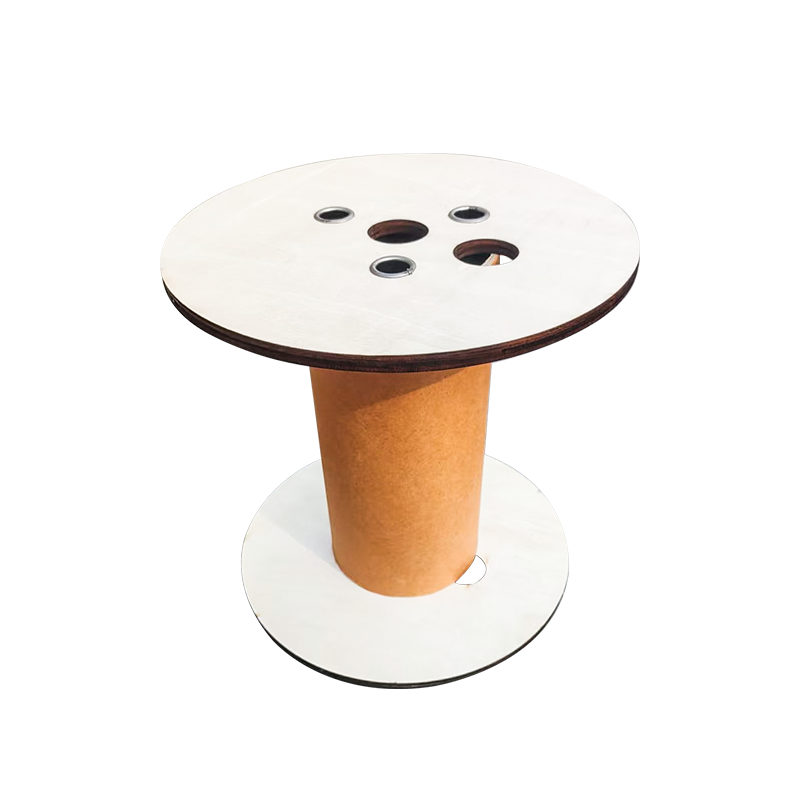
Paper drums serve one‑way logistics beautifully: they’re lightweight, recyclable, and cost‑effective for light‑gauge fibre or electrical cable where the drum isn’t expected to survive return freight. At the opposite extreme, steel welded drums handle mill‑scale loads and can be engineered for truly cavernous cable capacities, though the per‑unit cost and corrosion risk limit their use to heavy industrial and marine projects. For forward‑thinking packaging strategies, learn about sustainable paper cable reels.
Selecting a drum isn’t a guessing game. These three steps turn a spec sheet into a confident purchase order.
Start with the heaviest master‑length you’ll ever ship. The drum’s barrel diameter must be at least 10–12 times the cable’s outer diameter to prevent insulation damage, while the flange must support the full winding tension without permanent deformation. Skip this calculation and you risk kinking, conductor fracture, or a catastrophic flange collapse during payoff. For a deeper walk‑through of all parameters, how to choose the right cable drum covers everything from flange‑to‑drum ratios to arbor hole dimensions.
Will the drum sit outdoors on a damp site, or travel inside a climate‑controlled container? Will it be forklifted daily or craned once? These answers steer you toward the correct material and structural add‑ons. A plywood drum with moisture‑resistant sealer and steel‑bushed arbor plates survives months of yard storage, whereas an untreated paper drum will collapse after one rain. Transport vibration and repeated handling demand a drum that maintains concentricity under load—uneven winding leads to payout snags and scrap cable. For best practices that cut damage rates, review cable drum handling and storage.
Off‑the‑shelf sizes work for standard building wire; large‑scale or unusual cable constructions almost always need a custom barrel diameter, traverse width, or flange style. Plywood drums lead in this category because the lay‑up process easily adapts without retooling. Solid wood drums can also be custom‑turned, but lead times run longer. Plastic drums, on the other hand, rely on pre‑existing moulds, so customisation is limited to colour and branding.
Sometimes the standard three options don’t quite fit. If you’re coiling flexible trailing cable for a mining dragline that will be re‑reeled hundreds of times, a steel drum’s fatigue resistance justifies the higher price. If you’re shipping lightweight fibre drop cable to a remote site and the drum is single‑use, a paper drum cuts packaging waste and freight cost simultaneously. And if the job site involves constant chemical washdowns, a plastic drum’s inert surface outperforms even the best‑sealed wood. Matching the material to the abuse the drum will actually face—not the idealised spec sheet—is the hallmark of an experienced buyer.
Related Products

Contact us
Address
No. 19, Hualong Industrial Park, Linglong Street, Lin'an District, Hangzhou City, Zhejiang Province, China
Phone
+86-13357115977
QR CODE
 Cable Reel Manufacturers, Cable Packaging Reel Factory

 English
 中文简体
中文简体