May 26, 2026
Content
Choose the wrong pallet for an export shipment, and you may face customs rejection before your goods ever leave the port. Wooden pallets sit at the foundation of global logistics — yet most buyers treat them as an afterthought. Whether you're optimizing a warehouse workflow or planning an international shipment, understanding the key differences between transport wooden pallets and warehouse wooden trays saves money, prevents compliance failures, and keeps operations moving.
Transport pallets and warehouse trays may look similar, but they're engineered for distinct demands. Transport pallets must withstand road vibration, container loading, stacking pressure, and — critically — international phytosanitary inspections. Warehouse trays, on the other hand, are built for repeated internal handling: forklift turnover, rack compatibility, and long-term storage stability.
Mixing these up is a common and costly mistake. A tray rated for rack storage may lack the structural rigidity for a bumpy 2,000-kilometer road shipment. A heavy fumigated export pallet used purely for internal warehouse movement adds unnecessary weight and cost per cycle.
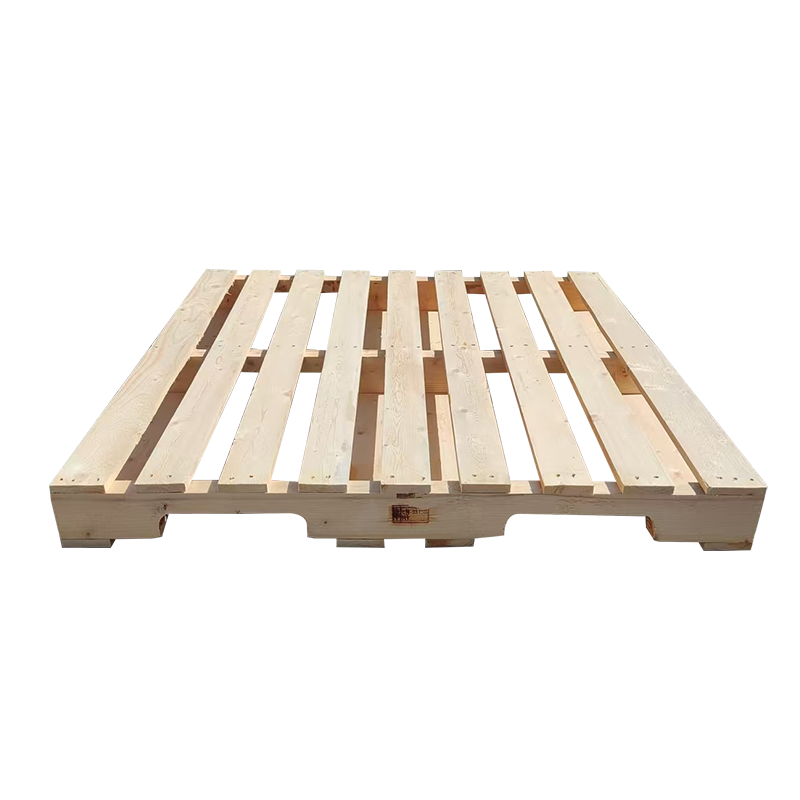
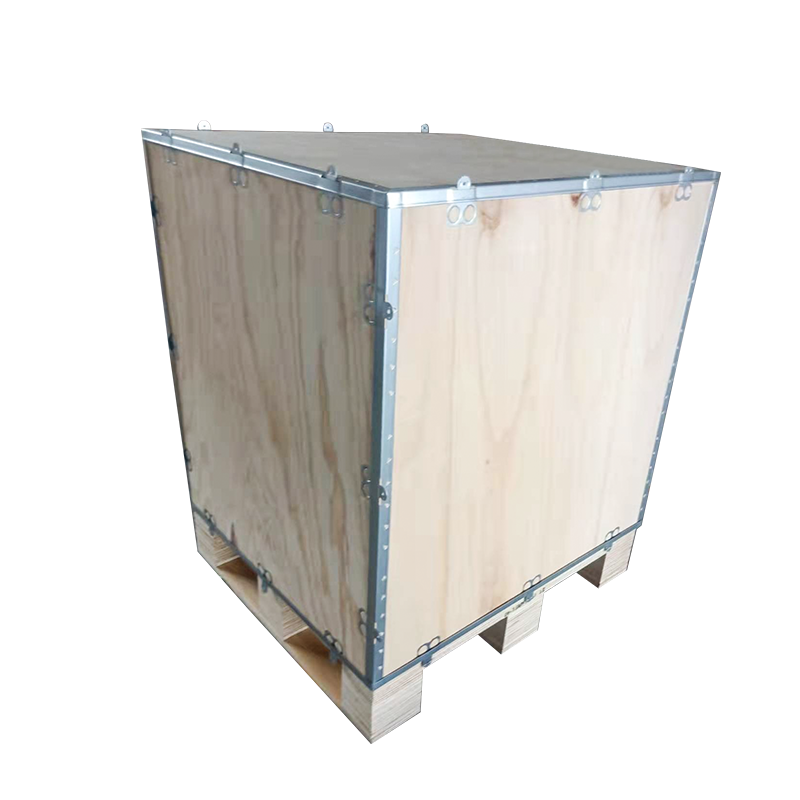
For cross-border shipments, compliance is non-negotiable. ISPM 15 — the international standard managed by the IPPC — mandates that all solid wood packaging, including pallets, be either heat-treated (HT) or fumigated before entering over 180 signatory countries. Non-compliant pallets are held at customs, returned, or destroyed at the shipper's expense.
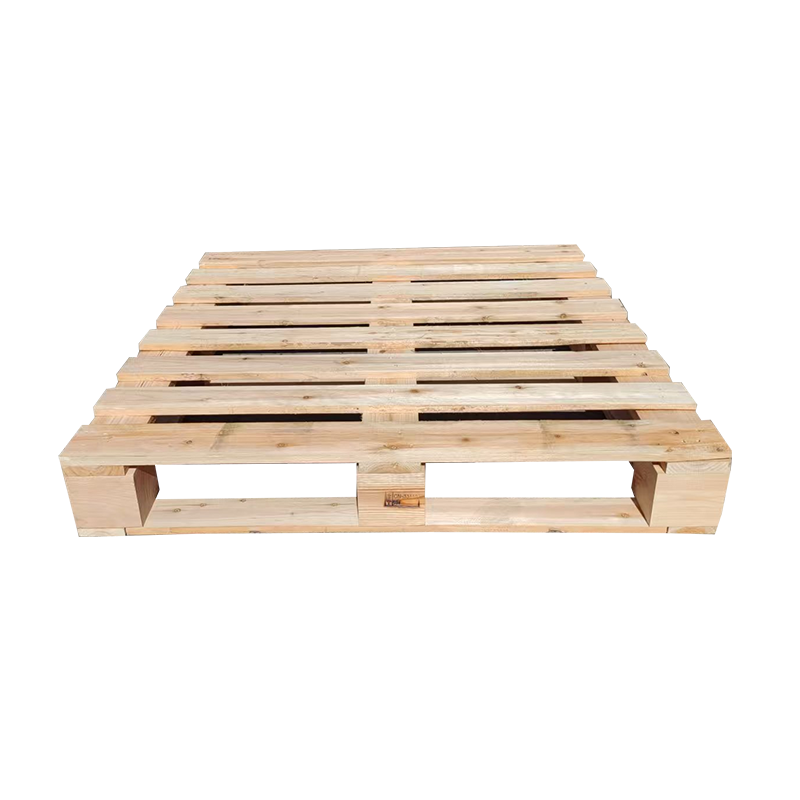
There are two main options on the market:
For most export scenarios involving container loading and forklift handling, four-way entry pallets are the practical default — forklifts can access from any side, reducing unloading time and the risk of improper handling under time pressure.
Inside a warehouse, the calculus shifts. The priority becomes cycle efficiency — how many times a tray can be used, how easily it integrates with racking systems, and how well it handles repeated forklift engagement without warping or splitting.
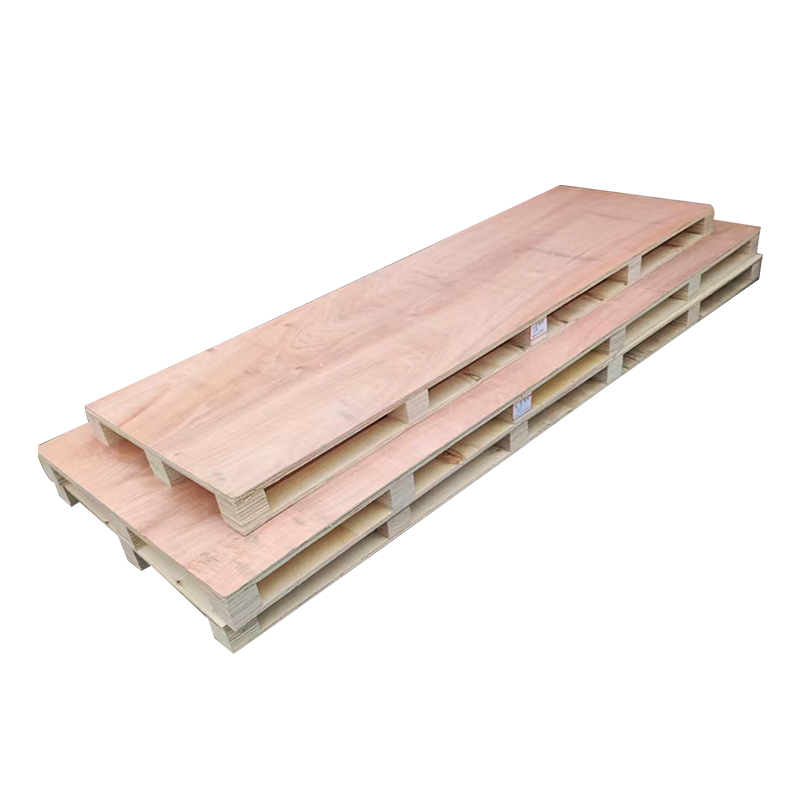
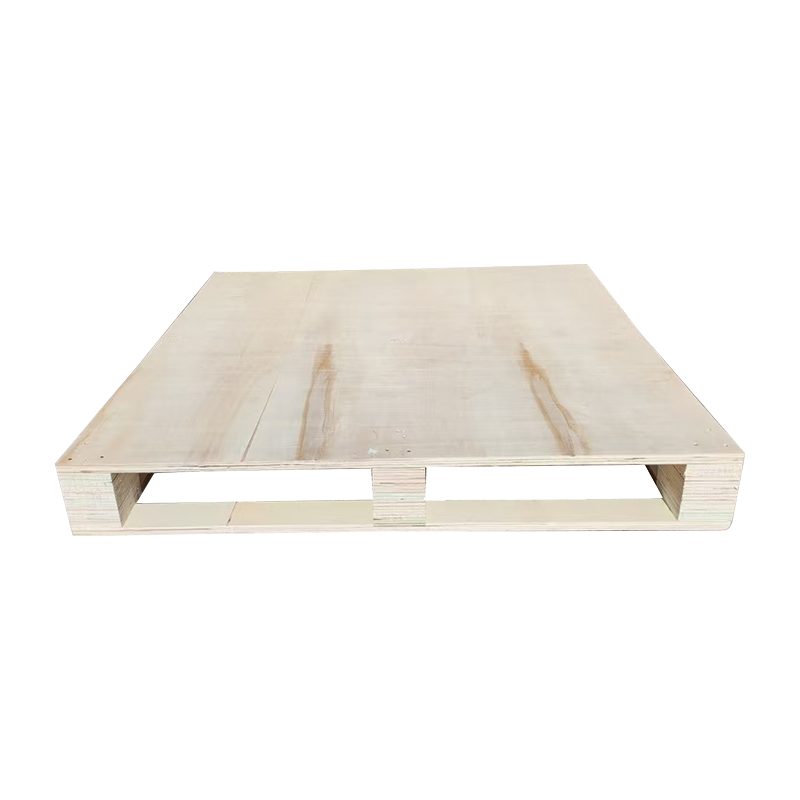
Two structural formats dominate warehouse use:
Plywood warehouse trays — particularly poplar plywood pallets built for forklift-compatible rack turnover — perform well in high-cycle environments because the glued laminate construction resists splitting even after hundreds of load-unload cycles. The 18mm thickness variant offers a flat, stable surface well-suited to automated conveyor lines.
| Criteria | Transport Wooden Pallet | Warehouse Wooden Tray |
|---|---|---|
| Primary use | Export, container loading | Internal storage & rack turnover |
| ISPM 15 compliance | Required (HT or fumigated) | Not required for domestic use |
| Recommended material | Fumigated solid wood or plywood | Plywood (poplar or okoume) |
| Fork entry | Four-way preferred | Two-way or four-way |
| Cost focus | Compliance + load strength | Cycle durability + weight |
Three errors show up repeatedly in procurement decisions. First, assuming any wooden pallet qualifies for export — solid wood without an ISPM 15 stamp will be flagged at customs in 180+ countries. Second, over-specifying for warehouse use — using heavy fumigated solid wood pallets for internal turnover drives up forklift energy consumption and floor loading without adding operational value. Third, ignoring diagonal tolerance — a pallet with a diagonal error above 3mm causes misalignment on automated conveyor systems, triggering jams and slowdowns that ripple through throughput.
For export operations, always verify the ISPM 15 stamp is visible on two opposite sides of the pallet. For warehouse operations, verify rack compatibility dimensions before bulk ordering — a non-rackable pallet in a racking-heavy facility creates significant safety risk.
The right pallet is determined by where it goes, not just what it carries. For international freight, fumigated solid wood or compliant plywood pallets with four-way entry are the lowest-risk choice. For internal warehouse logistics, plywood trays in the 12–18mm thickness range offer the best cycle economy. When both uses exist in the same operation, maintaining two separate pallet pools — rather than trying to use one design for everything — is almost always the more cost-effective decision over a full year of operations.
Suppliers that offer both ISPM 15-compliant fumigated pallet options and configurable plywood warehouse trays give procurement teams the flexibility to match pallet specification to actual logistics requirements — rather than forcing a compromise that underserves both applications.
Related Products

Contact us
Address
No. 19, Hualong Industrial Park, Linglong Street, Lin'an District, Hangzhou City, Zhejiang Province, China
Phone
+86-13357115977
QR CODE
 Cable Reel Manufacturers, Cable Packaging Reel Factory

 English
 中文简体
中文简体