Sep 23, 2026
Content
Thirty minutes before a shift starts, someone drags a 100-foot cord out of a truck bed. It was wrapped around an elbow last week, so it comes out with three kinks, a flat spot, and a scuffed jacket near the plug.
An extension cord winder fixes that specific problem well: it holds the cord at a controlled bend radius, keeps the plug ends out of the dirt, and lets one person lay out a long cord in under twenty seconds. What it cannot do is change the cord's electrical limits. The same 16 AWG cord that runs a saw all afternoon when unrolled can feel warm after ten minutes on a tight drum, because a coil holds the heat that an open run sheds into the air.
The decision therefore has two halves: pick a winder that matches cord length, gauge, and minimum bend radius, then use the winding and deployment habits that keep the conductor cool.
A winder is a handling and storage tool, not an electrical upgrade. It earns its place on the handling side and changes nothing on the electrical side.
What it fixes: twist memory that makes a cord fight you during layout, abrasion where a loose pile grinds against concrete, plug-end damage from being run over, and the daily minutes lost to untangling. A flanged drum also gives you a surface to write length, gauge, and inspection date on, which matters on a site where four people share the same cords.
What it does not fix: an undersized conductor, a cut jacket, or voltage drop over a long run. A 100-foot 16 AWG cord carrying 10 A loses roughly 7 to 8 volts end to end, and a 12 AWG cord of the same length loses about a third of that. A neat wrap also hides damage, so inspect the cord before you wind it, not after.
Most products fall into four families, and the differences show up the first time you run a heavy tool.
| Winder type | Typical capacity | Power while wound | What to watch |
|---|---|---|---|
| Hand-crank storage reel, no slip ring | 25 to 100 ft of 14 to 16 AWG | No, unplug and unwind first | Plastic hubs crack under a 12 AWG cord |
| Live reel with slip ring | 25 to 50 ft | Yes, up to the coiled rating | Contact heat, brush wear, coiled amp limit |
| Wall hook or figure-eight hanger | Any length | No | Needs correct over-under technique |
| Bucket or caddy winder | 50 to 100 ft | No | Wet storage, crushed cord at the base |
Slip-ring reels are the ones buyers misread. Power passes through a rotating contact, so the reel carries its own current rating, often lower than the cord's. A reel marked "10 A unrolled, 5 A wound" is describing how much heat the contact and the coil can shed, not being modest. Above that figure, pull the full length out.
Two patterns prevent twist and one creates it. Wrapping a cord around your elbow adds a half turn per loop, and the cord stores that twist and releases it as kinks the next time you pull it out. Over-under winding alternates the direction of each loop so the cord's natural lay is preserved. Figure-eight does the same thing more visibly: the cord crosses itself mid-pass and the twist cancels.
Bend radius matters as much as the pattern. A flexible cord should not be bent tighter than roughly four to six times its own diameter under repeated use, so a 10 mm (0.4 in) jacket wants a loop diameter of about 80 to 120 mm (3 to 5 in). Cheap winders with small hubs break that rule, and the damage is predictable: a flattened jacket and exposed conductor at the same point on the cord six months later.
When comparing products, ask for the hub diameter in millimeters. That number says more about cord protection than crank ratio or paint finish.
A cord sheds heat through its jacket surface. Layer it on a drum and the inner wraps sit against each other with almost no air movement, so the middle of a tight coil runs hotter than the outer wrap. Keep the load low and this never matters; run a heater on a wound cord and it becomes the most likely reason the cord fails.
Most cord failures happen while the cord is idle. Sunlight breaks down the jacket polymer, ozone attacks rubber compounds, and a tight coil in freezing weather can crack insulation that would have flexed easily at room temperature.
Store wound cords off the floor, out of direct sun, and away from heat sources. Hang the drum, not the plug end. Leave slack in the last wrap instead of tensioning it, and label the drum with length, gauge, and inspection date.
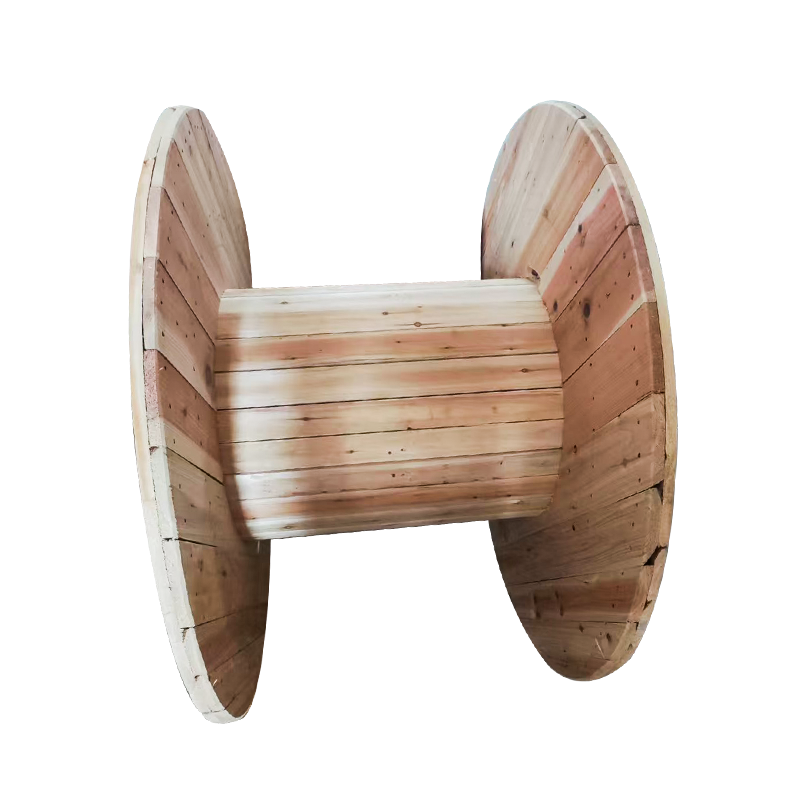
Damp storage is the most underestimated risk of the three. Water collects between wrap layers and stays there for weeks, and on a wooden drum it swells the hub. Facilities that keep cordage in unheated sheds, or ship it through humid ports, often choose a moisture-resistant plastic drum for that reason alone.
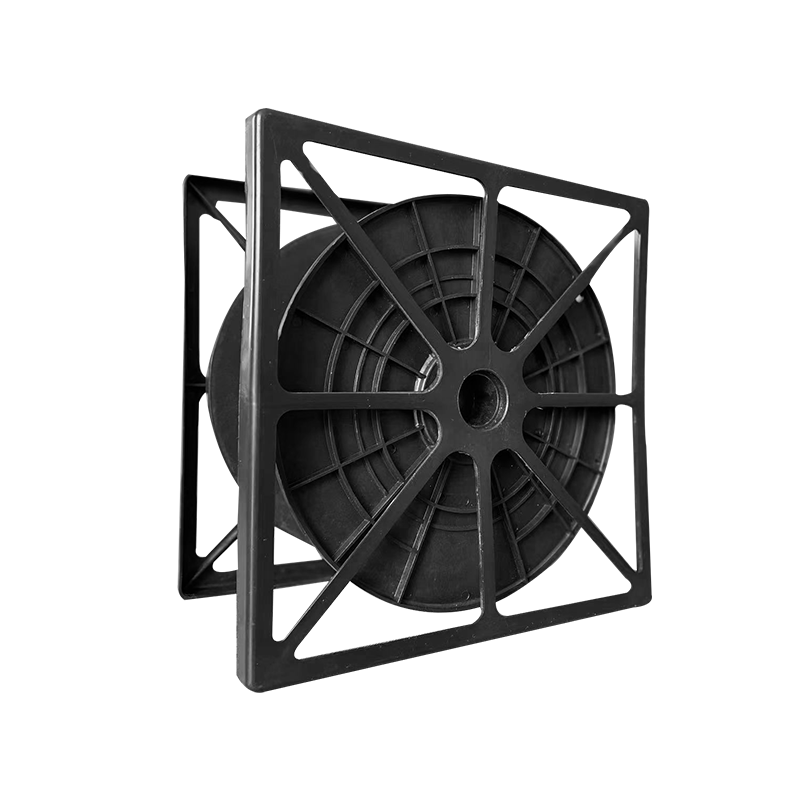 Moisture-Proof Plastic Cable ReelA plastic cable reel is a plastic cable reel used for storage, turnover, and transportation of wires and cables. It is lightweight, corrosion-resistant, and low-cost. ...View Product →
Not every job needs 100 feet of 12 AWG. Lamp cords and small tool leads usually run 10 to 25 feet at 18 AWG, and at that size the priorities shift to weight, storage volume, and end-of-life disposal.
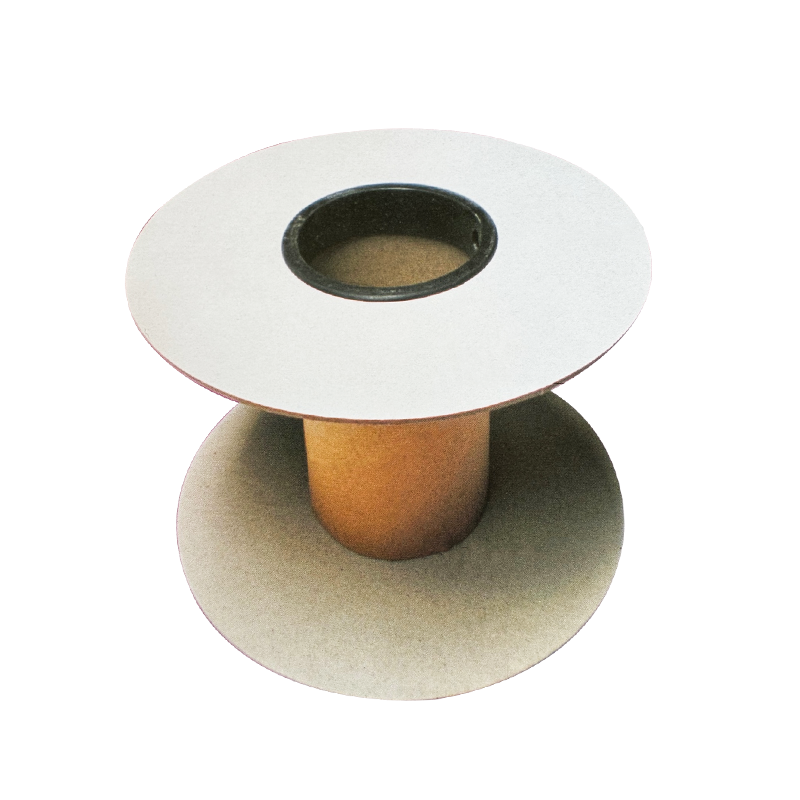
For those short, light assemblies a paper reel is often a better match than wood or steel. It weighs a fraction of a wooden drum and can go into the cardboard recycling stream. The trade-offs are just as clear: paper reels are not built for repeated outdoor exposure, they dislike heavy bending loads, and they crush when pallets are stacked on them.
Scale changes the arithmetic. A plant winding thousands of meters of power cable needs a reel whose hub diameter keeps the cable above its minimum bend radius, commonly 8 to 12 times the cable outer diameter, and whose flanges survive strapping, stacking, and a container drop without going out of round.
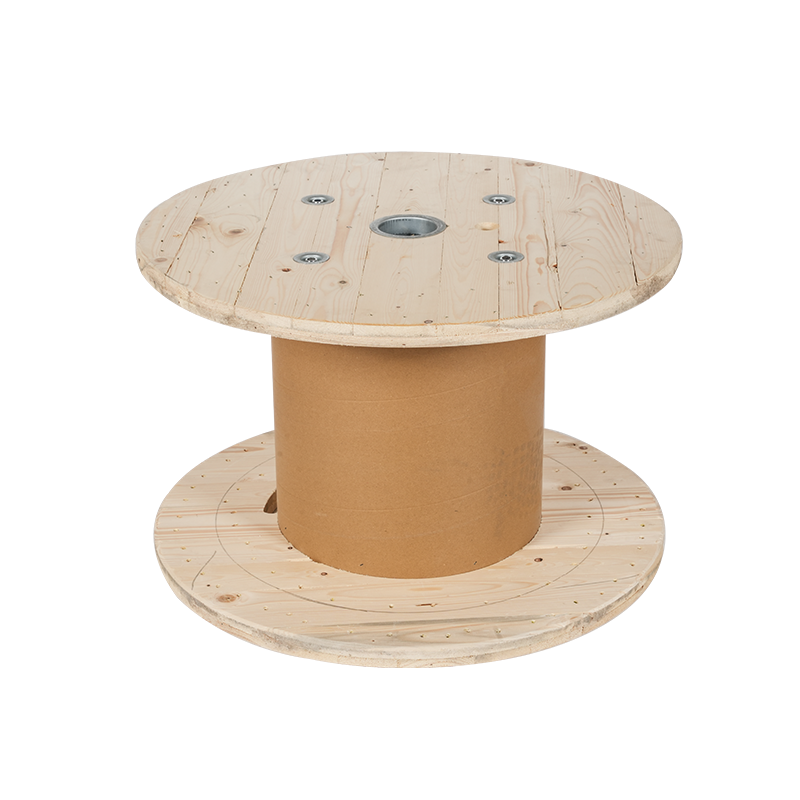
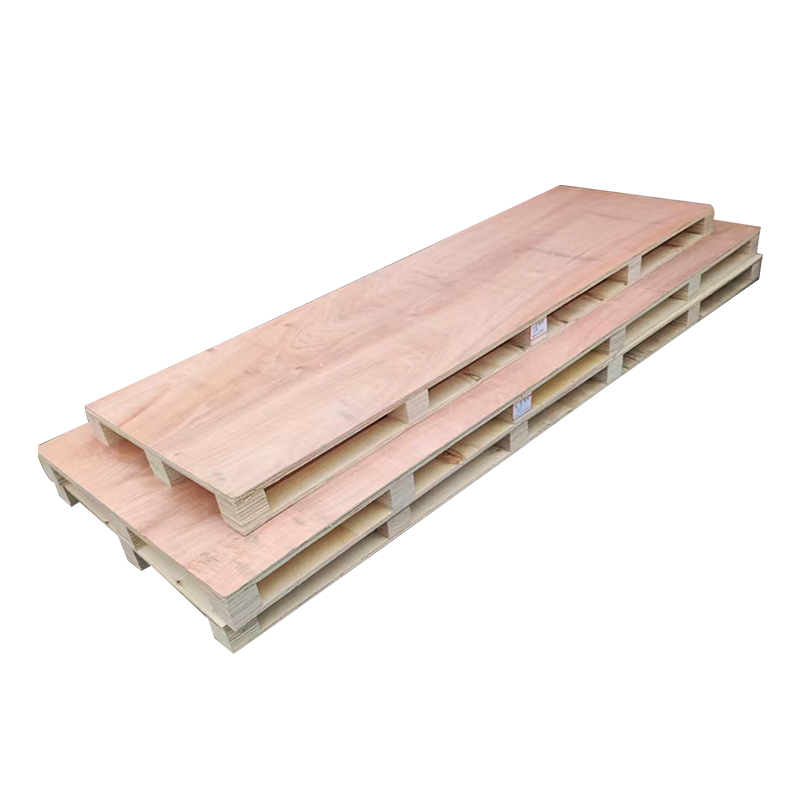
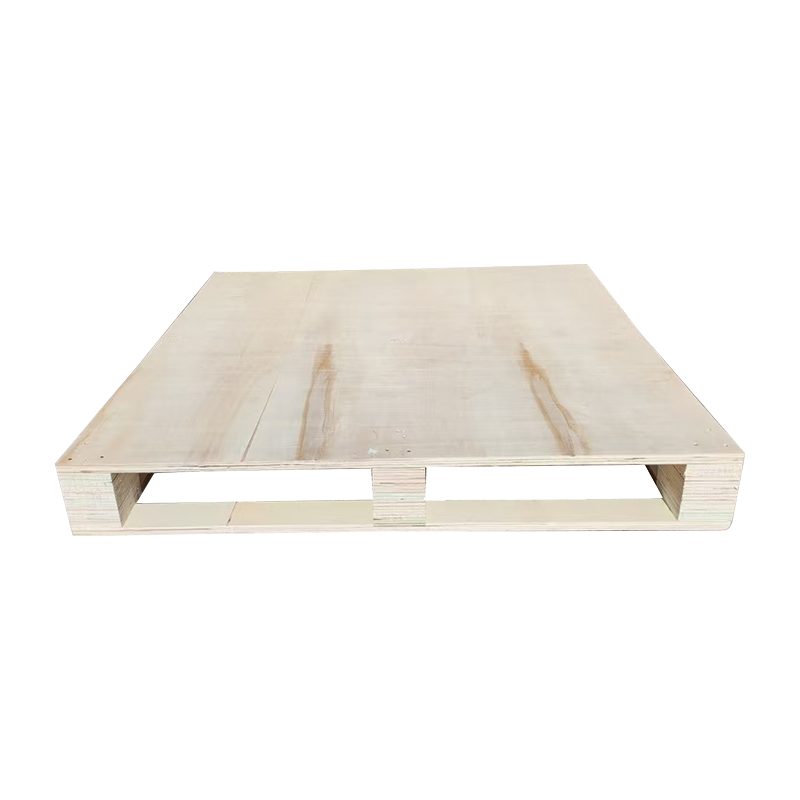
At that scale the reel is engineered, not bought off a shelf. Flange thickness, arbor hole size, bolt pattern, and wood moisture content decide whether a loaded drum stays round, and a drum that deforms makes the cable lay unevenly and can pinch the inner wraps. Export rules add another variable: solid wood packaging generally requires heat treatment or fumigation under ISPM 15, while plywood is normally treated as a processed wood product and avoids that step. For many export shipments, that single rule settles the material choice.
The handling discipline that keeps a 50-foot cord tidy also applies to a 1.2-meter drum: cable drum handling and storage best practices cover lifting, securing, and stacking so the cable arrives undamaged.
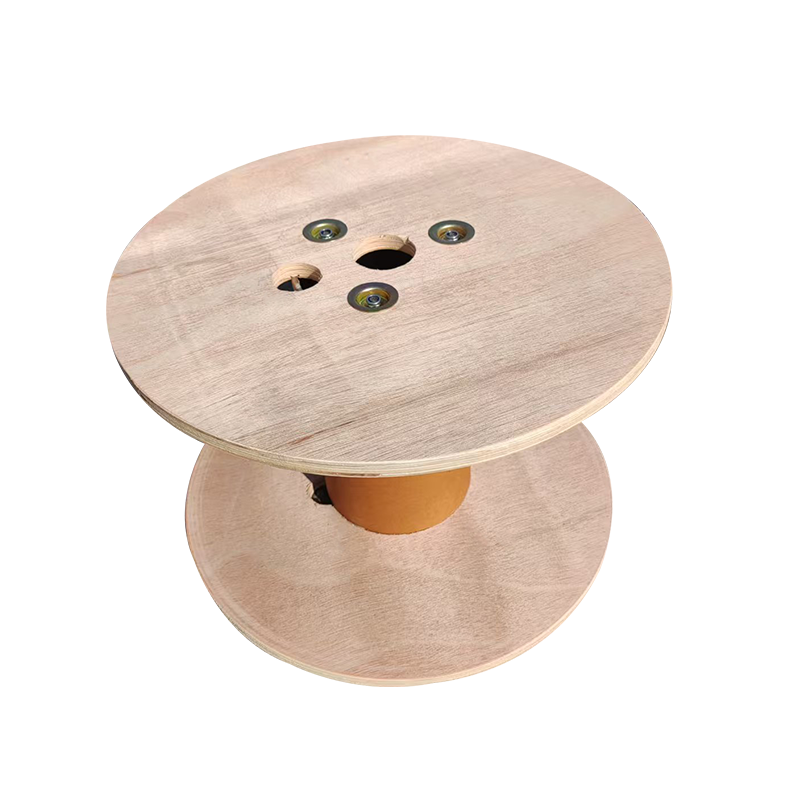
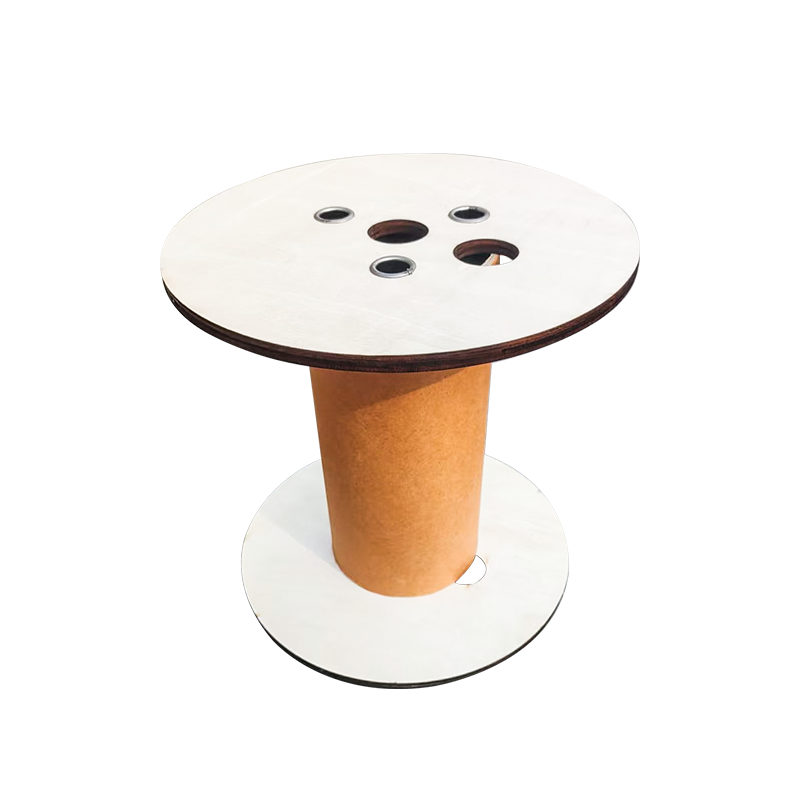
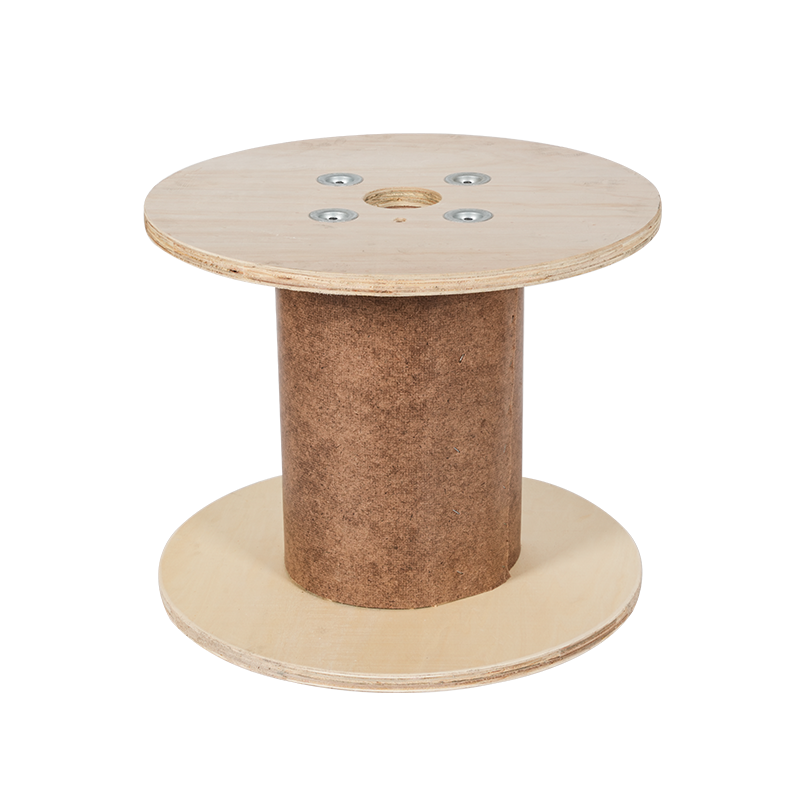 Plywood Cable Reel ManufacturersBleached Poplar Plywood Large Cable ReelView Product →
Plywood reels carry much of that work because they hold their shape, resist moisture better than solid wood in transit, and stay dimensionally consistent from batch to batch, which matters when an automated winding line expects the same arbor fit every time.
Match the winder to the cord you actually own, then let habit do the rest. For a homeowner with a 50-foot 14 AWG cord, a hand-crank reel with an 80 mm hub and a real cable clamp will outlast three cheap winders. For a contractor, the coiled current rating matters more than the crank ratio, and the rule is simple: unroll fully for anything heavier than a drill.
If the winding problem involves thousands of reels instead of one tangled cord, it is worth talking to a cable reel and drum manufacturer before settling on a material and hub size, because a hub chosen 10 mm too small is a decision you live with for the life of the cable.
Related Products

Contact us
Address
No. 19, Hualong Industrial Park, Linglong Street, Lin'an District, Hangzhou City, Zhejiang Province, China
Phone
+86-13357115977
QR CODE
 Cable Reel Manufacturers, Cable Packaging Reel Factory

 English
 中文简体
中文简体