Aug 27, 2026
Content
A batch of cable that arrives on swollen, splintering plywood flanges causes problems long before anyone pulls the first meter of conductor: the wobble disrupts the take-up line, grit trapped in the wood grain scratches the insulation, and the damaged reels cannot be reused for the next production run. Failure patterns like this are why procurement teams keep evaluating plastic cable drums alongside timber and paper options.
Here is the short answer up front. A plastic cable drum is the right choice when moisture exposure, repeated reuse, and export-ready cleanliness matter more than the lowest unit price. It is the wrong choice when a single heavy load is the only job. The rest of this guide explains how these drums are built, where they outperform wood and paper, which trade-offs to price in, and what to confirm on the specification sheet before you order.
A plastic cable drum uses the same geometry as any cable reel: two circular flanges separated by a cylindrical barrel, with a center bore that mounts on winding equipment. The difference is material. Flanges and barrels are molded or fabricated from polymers—commonly high-density polyethylene (HDPE) or polypropylene (PP)—and much of the industry runs a significant share of recycled resin through the process, which stabilizes material cost and supports environmental targets.
Because the drum is molded rather than nailed together, there are no protruding fasteners, splinters, or open grain. The surfaces that contact the cable stay smooth, which reduces abrasion on insulation during winding and payoff. The material also does not absorb water, so flange dimensions barely shift between a dry warehouse and a humid loading dock—a consistency that matters when drums must run true on powered equipment.
Water is the main cause of premature drum failure. Plywood edges swell, solid wood grain holds dampness that transfers to the cable surface, and paper reels collapse if a load is rained on. Plastic avoids all three behaviors. A properly formulated drum keeps its stiffness and dimensional accuracy through repeated wet-dry cycles, salt-laden coastal air, and long port delays. For cable destined for underground ducts or outdoor installations, keeping the wrapping surface clean and dry also protects the insulation before the cable is ever energized. Buyers facing these conditions regularly specify a moistureproof plastic cable reel for exactly this reason.
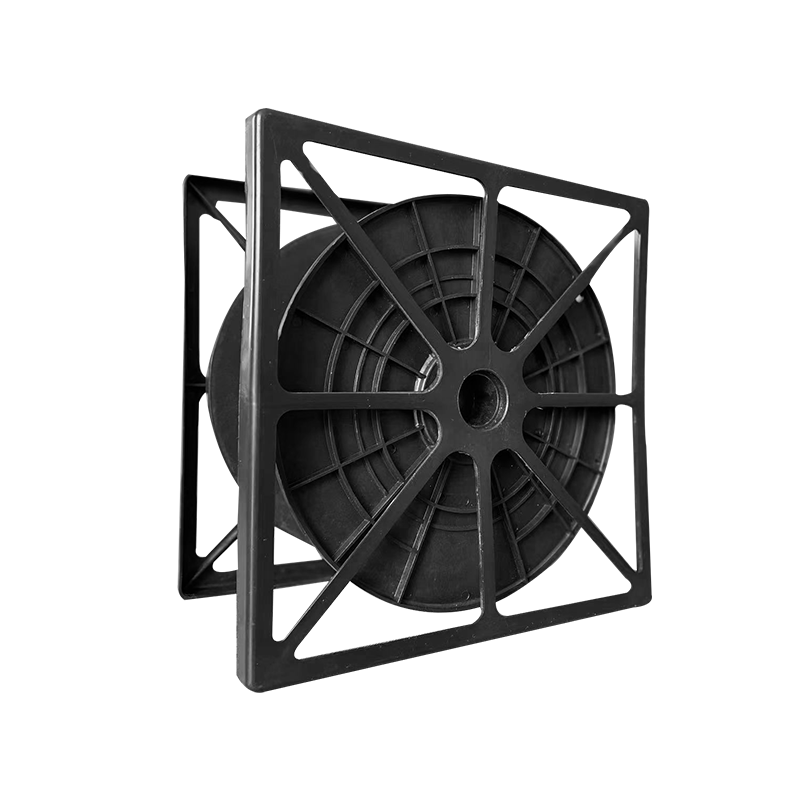 Moisture-Proof Plastic Cable ReelLightweight plastic reels resist water, swelling, and corrosion, keeping cable insulation clean and dry. They also avoid ISPM 15 wood packaging treatment, simplifying export shipments on tight timelines.View Product →
Wooden packaging that crosses borders must satisfy ISPM 15 treatment rules, which means fumigation or heat treatment, certification stamps, and scheduling around inspection. Plastic drums are not wood packaging material, so they bypass that entire workflow. For exporters shipping cable on tight project timelines, removing one compliance step from every shipment is a real operational saving, not a marketing claim.
Plywood and paper reels are typically single-trip products. A molded plastic drum is built to complete many winding cycles before retirement, so the relevant figure is cost per trip rather than cost per unit. A plant that rewinds weekly, or a logistics operator moving cable between sites, can recover the higher purchase price within a fraction of the drum's service life—provided the drum was specified with an adequate load rating in the first place.
Plastic drums carry three honest limitations. First, load ceiling: for the heaviest power cable—large cross-section copper or aluminum conductors on wide drums—steel and heavy-duty timber still dominate, because extreme flange loads can deform polymer structures over time. Second, unit price: a molded drum costs more up front than a plywood or paper equivalent, which is why single-use buyers often stay with wood. Third, environment: standard resin grades can embrittle under prolonged UV exposure and lose stiffness near heat sources, so outdoor storage and high-temperature work zones call for UV-stabilized material and sensible placement.
None of these limitations is hidden or difficult to manage; they simply belong in the comparison. If you are weighing the two most common options side by side, our article on how a plastic cable drum differs from a wooden drum covers the decision factors in greater depth.
| Drum material | Moisture behavior | Typical duty | Reuse potential | Export preparation |
|---|---|---|---|---|
| Plastic | Excellent; no rot, rust, or swelling | Light to medium cables, multi-trip logistics | Many winding cycles | No fumigation required |
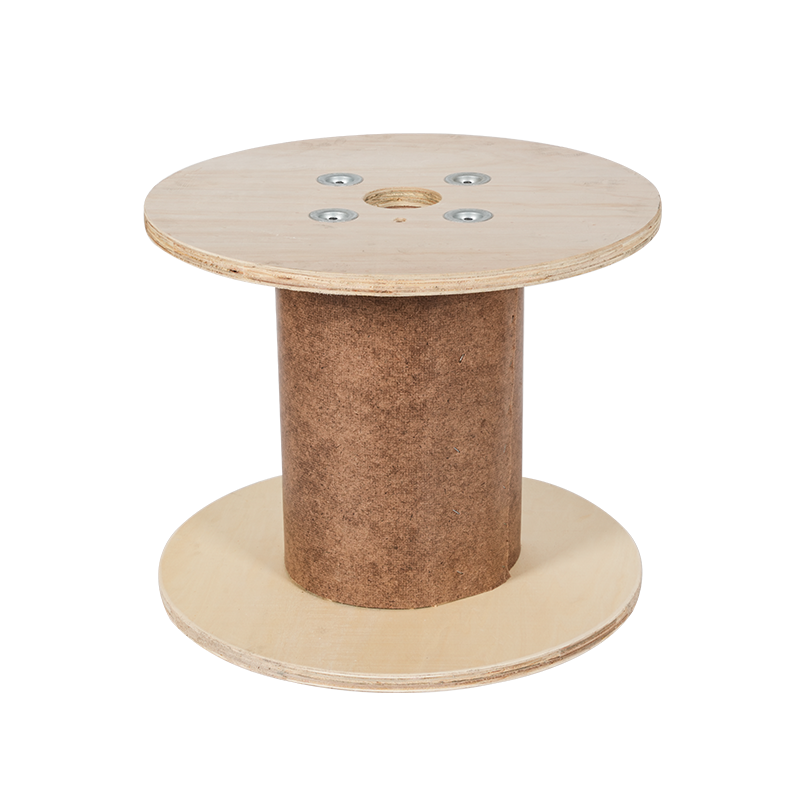
| Plywood | Moderate; edges and machined areas need protection | Medium cables, domestic and export shipments | Limited; often single trip | Heat treatment where destination rules require |
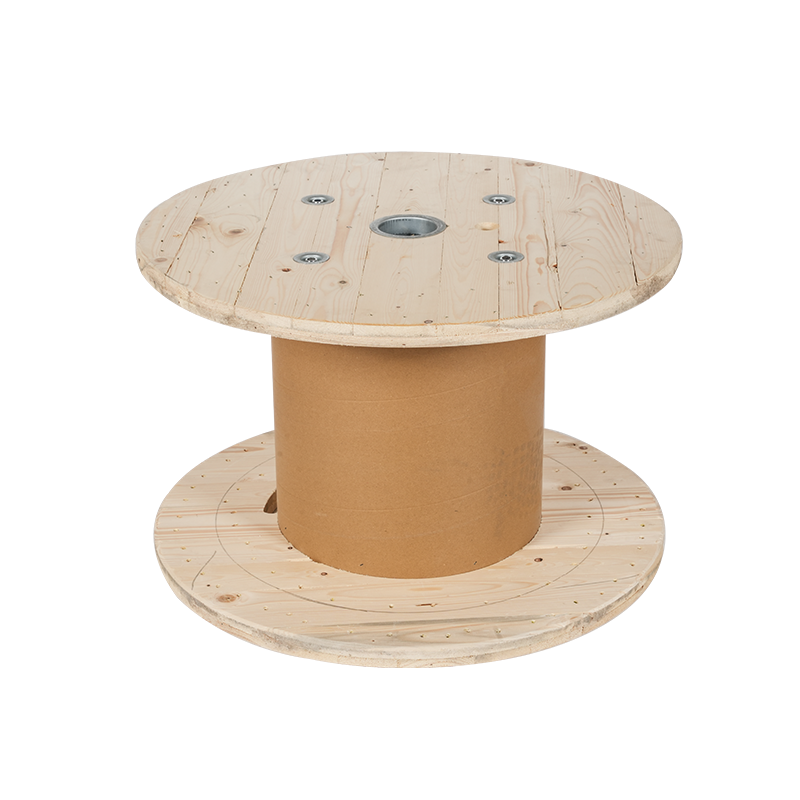
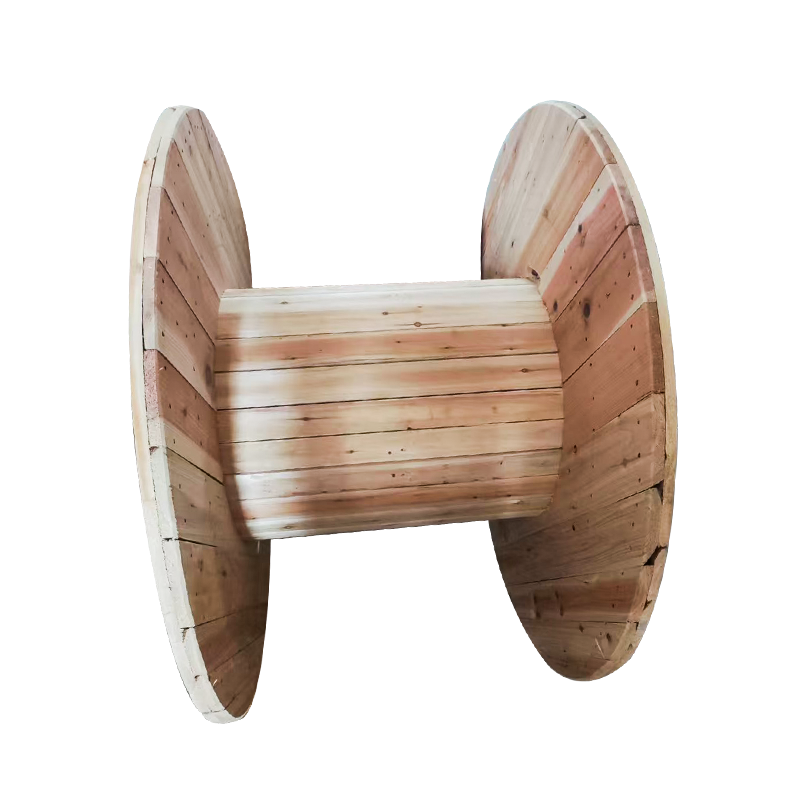
| Solid wood | Moderate; open grain absorbs water | Heavy cables and long-duration storage | Good if handled carefully | Fumigation or heat treatment with certification |
| Paper | Low; must remain dry at all times | Light cables and short runs | Single use; fully recyclable | No fumigation required |
Most disputes over cable drums trace back to a specification that was never written down. Before requesting a quote, put these five items on the table:
Ask for numbers instead of assurances. Reputable manufacturers state dimensional tolerances for bore alignment and flange runout, and they can supply material certifications for export documentation. A factory that molds reels at a scale of millions of units per year, as established producers in this industry now do, will have that data on file; a workshop that cannot produce it is a risk signal worth taking seriously.
Plastic drums perform best where their resistance profile matches site conditions. Power distribution crews working in humid climates, telecommunications installers pulling cable through coastal corridors, and construction projects that store reels outdoors for weeks all benefit from the material's stability. Petrochemical and mining operations add another argument: polymer surfaces resist the oils, dust, and corrosive atmospheres that attack metal fasteners and degrade wood.
Multi-trip internal logistics is the strongest use case of all. When a cable plant or distribution center moves the same reels between lines, warehouses, and job sites on a rotation, the durability of plastic turns every additional cycle into saved packaging spend. A complete plastic cable drum range typically covers several flange sizes in one resin system, which keeps spare parts and stacking patterns uniform across the fleet.
Plastic Cable Drum ManufacturersReusable plastic cable drums in multiple flange sizes suit multi-trip internal logistics, cutting packaging spend per cycle while keeping stacking patterns and spare parts uniform across an entire drum fleet.View Product →Plastic is forgiving, but not indestructible. A few handling habits determine whether a drum lasts dozens of cycles or fails early:
Retire a drum when cracks appear near the hub, when flanges no longer run true, or when repair cost approaches a meaningful fraction of replacement. Unlike timber, a retired polymer drum is fully recyclable, which closes the loop on the material and keeps end-of-life disposal simple.
The bottom line for buyers: choose a plastic cable drum when the reel will face moisture, rotate through repeated winding cycles, or cross borders where wood packaging treatment creates delays and cost. Stay with plywood, solid wood, or steel when a single heavy load or extreme flange stress defines the job. When evaluating suppliers, prioritize those who publish dimensional tolerances, state their resin sourcing openly, and can demonstrate production scale—a manufacturer with 24 years in the field and an annual capacity in the millions of reels will hold quality steady across batches in a way a small workshop cannot. Confirm the five specifications above in writing, and the drum you receive will match the drum you specified.
Related Products

Contact us
Address
No. 19, Hualong Industrial Park, Linglong Street, Lin'an District, Hangzhou City, Zhejiang Province, China
Phone
+86-13357115977
QR CODE
 Cable Reel Manufacturers, Cable Packaging Reel Factory

 English
 中文简体
中文简体