Aug 21, 2026
Content
A procurement officer once told us that the pallet is the least exciting part of a freight order, and the easiest place to lose money. By the time a shipment reaches its destination, the pallet has absorbed forklift strikes, humidity swings, and the full weight of the cargo. In our years of building wooden cable drums and industrial packaging, we have seen the same conclusion repeat across industries: pallet choice is not a secondary detail. It is a primary decision.
Plywood pallets sit between cheap lumber pallets and expensive plastic pallets, and for most cargo types they deliver the best balance of cost, durability, and export convenience. This guide explains how plywood pallets are constructed, what to verify before ordering, how export rules apply to them, and where custom design matters most.
The most common complaint about solid wood pallets is inconsistent quality. Lumber pallets are assembled from individual boards, and those boards carry knots, splits, and irregular moisture content. A board can look acceptable at dispatch and still fail after two weeks inside a humid container. Plywood removes most of that variability. Each panel is made of cross-laminated veneers bonded under heat and pressure, giving the material uniform strength in both length and width directions.
That construction creates several practical benefits:
Plywood pallets also perform better under impact. When a forklift strikes a pallet edge, the cross-laminated structure contains the damage, whereas lumber pallets tend to split along the grain. In practice, that translates into more trips per pallet and a lower long-term cost, even when the initial price runs slightly higher than a basic lumber pallet.
Plywood pallets come in two classic build patterns: block pallets and stringer pallets. Each has a distinct role in the warehouse and in transit.
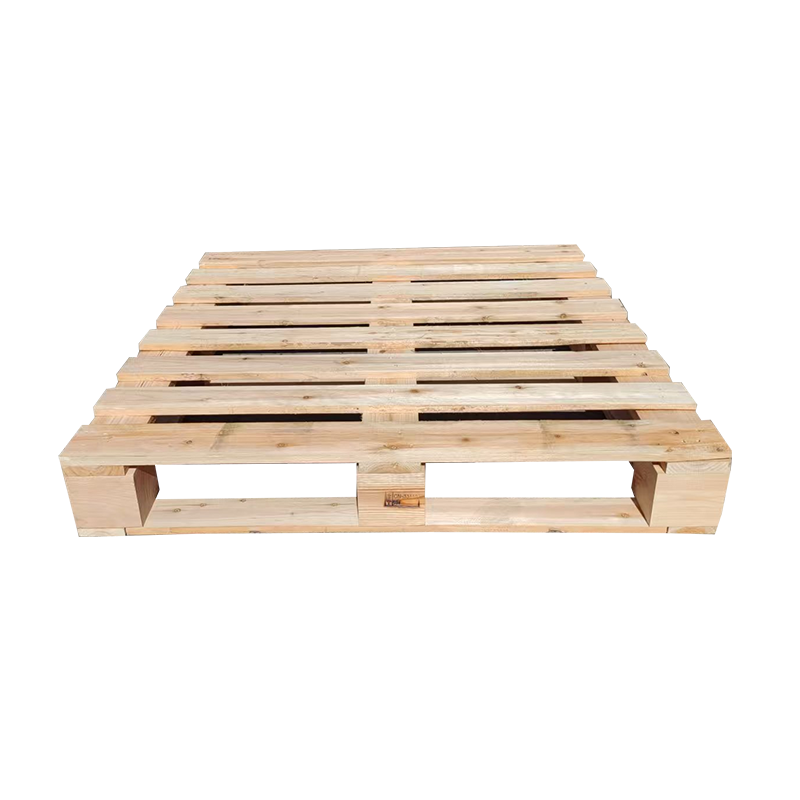
Block pallets use solid or engineered blocks between the decks and allow forklift entry from all four sides. Because the load is carried through multiple blocks, they distribute weight more evenly and work well in automated handling systems and racking. Repair costs are higher when a block is damaged, but for regular export shipments the four-way access saves significant handling time.
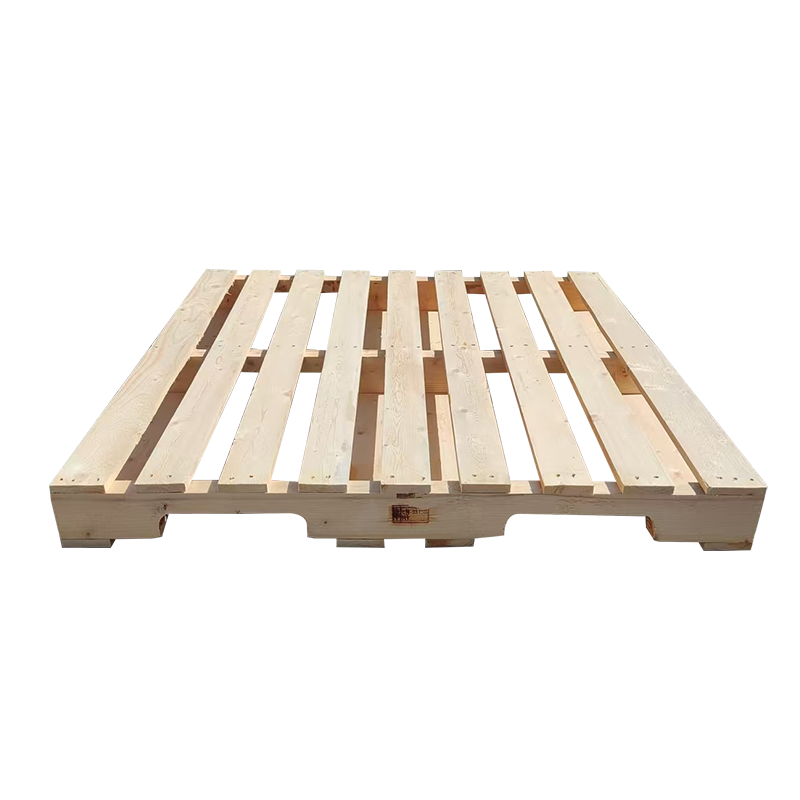
Stringer pallets use parallel runners along two sides and usually allow entry from two directions only. They are cheaper, simpler to build, and perfectly adequate inside a fixed warehouse flow. If your operation always picks from the same side, a stringer pallet reduces cost without hurting performance.
| Feature | Block Pallet | Stringer Pallet |
|---|---|---|
| Forklift entry | Four way | Two way |
| Load distribution | Even across multiple blocks | Depends on stringer spacing |
| Racking behavior | Stronger for open racking | Good for lighter, even loads |
| Repair cost | Higher | Lower |
| Export suitability | Preferred | Acceptable |
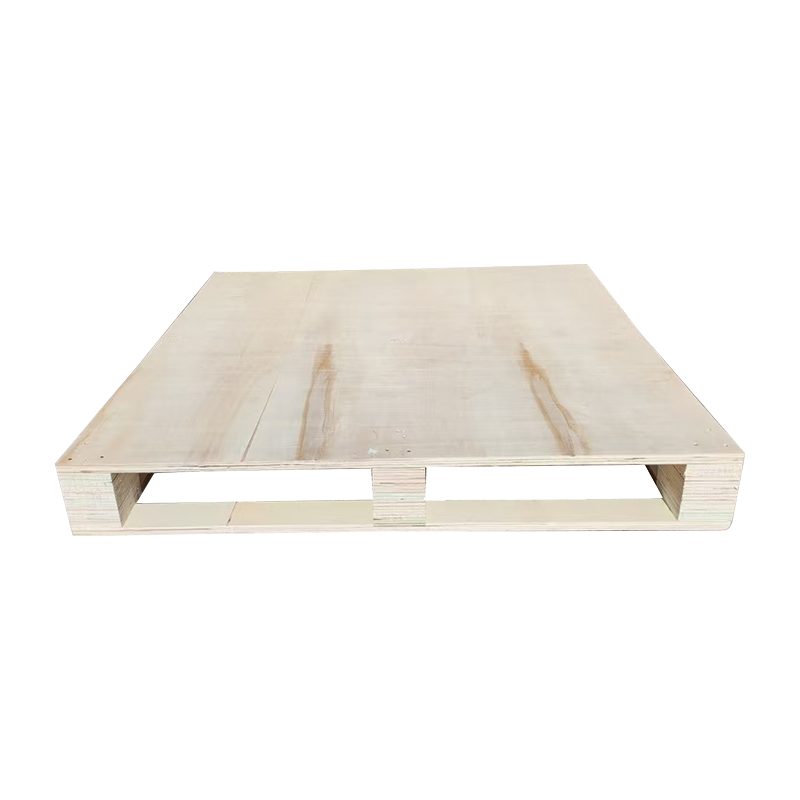
For cargo that needs a smooth, dense deck with good moisture resistance, an okoume plywood pallet is a practical option in export service, especially when the load is sensitive to surface roughness or vibration.
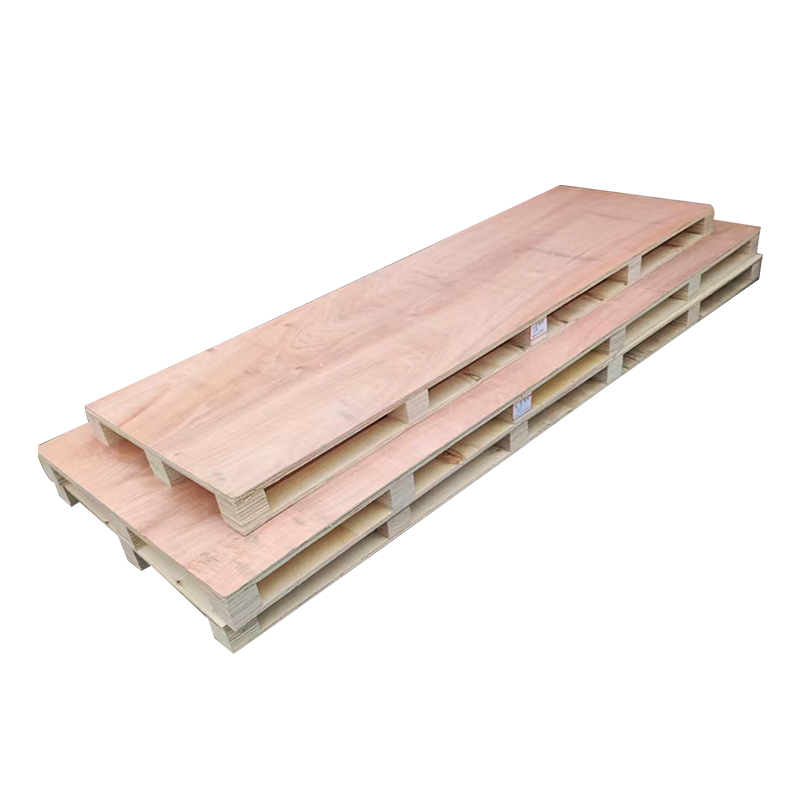 Okoume Plywood Pallet Suppliers, Custom FactoryHangzhou Lin'an Yimin Cable Reel Factory is China Custom Okoume Plywood Pallet Suppliers and Factory,Okoume plywood pallets are made of O...View Product →
Many buyers only ask whether a pallet can support the product on top of it. That is understandable, but the more useful question is how the pallet behaves under different types of load. Three numbers matter: static load, dynamic load, and racking load.
Static load is the weight a pallet can carry when resting on a flat, solid floor. Dynamic load is the weight it can carry while being moved by a forklift or pallet jack. Racking load is the weight it can carry when supported only at the ends by racking beams, which puts the deck under bending stress. Those numbers are not interchangeable. A pallet rated for several thousand kilograms of static load may support only a fraction of that in racking.
When a supplier quotes a single capacity figure, ask them to split it into all three values. Also confirm the deck thickness, the number and spacing of support blocks or stringers, and the grade of plywood used. These details determine whether the rated numbers hold up in real working conditions. A thin top deck with widely spaced stringers may pass a static test and still flex too much under a forklift carrying a heavy cable drum.
Export shipments bring a separate set of requirements. Under ISPM 15, solid wood packaging must be heat-treated or fumigated with methyl bromide, then marked with an IPPC stamp. Fumigation costs money, adds lead time, and leaves chemical residues that some buyers reject. Plywood avoids most of that burden.
Because plywood panels are manufactured with heat and adhesive under high pressure, engineered wood is usually treated as already compliant with ISPM 15, and no fumigation stamp is required in most destination countries. That saves both time and money, but it does not mean you can skip verification. Confirm that your supplier actually uses plywood panels rather than a thin plywood face over solid lumber framing, because mixed construction can change the regulatory status of the pallet.
If your pallets are used in different roles, it is worth reading more about the operational differences between transport pallets and warehouse trays, since the two applications place very different demands on the pallet structure.
Plywood pallets are not a purely off-the-shelf product. The right design depends on your forklift type, storage mode, cargo weight, and destination market. Custom sizes are common, and the cost difference between a standard pallet and a slightly modified one is often smaller than buyers expect.
Several variables deserve attention before you place an order:
For general manufacturing and domestic distribution, a poplar plywood pallet offers a reliable cost-to-life ratio and predictable performance across most warehouse conditions.
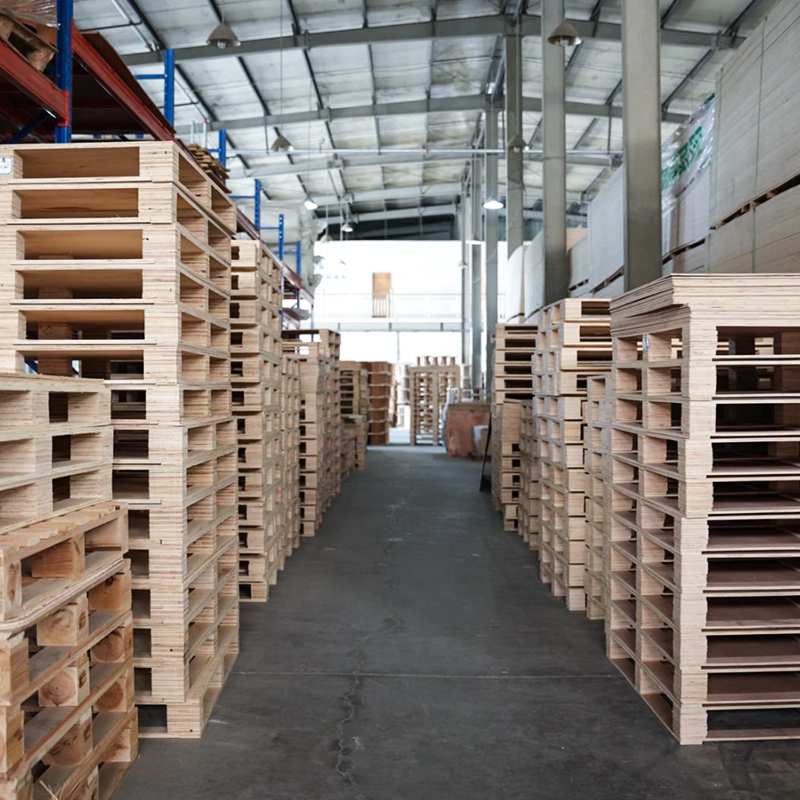 Poplar Plywood Pallet Suppliers, Custom FactoryHangzhou Lin'an Yimin Cable Reel Factory is China Custom Poplar Plywood Pallet Suppliers and Factory,Poplar plywood pallets are made by g...View Product →
The pallet is the only part of the shipment that stays in direct contact with the cargo from factory to final destination. Taking time to match the pallet design to the actual transport route, load profile, and export requirements is one of the simplest ways to reduce damage claims and keep freight moving without surprises.
Related Products

Contact us
Address
No. 19, Hualong Industrial Park, Linglong Street, Lin'an District, Hangzhou City, Zhejiang Province, China
Phone
+86-13357115977
QR CODE
 Cable Reel Manufacturers, Cable Packaging Reel Factory

 English
 中文简体
中文简体